How to Read a Depth Finder for Structure
Reading a boat depth finder display helps Iowa anglers translate sonar signals, identify underwater structure, and find fish.
Rig up right.
Rods, reels, tackle, and electronics — plus boat types, launch basics, maintenance, and what’s worth the money on the water.
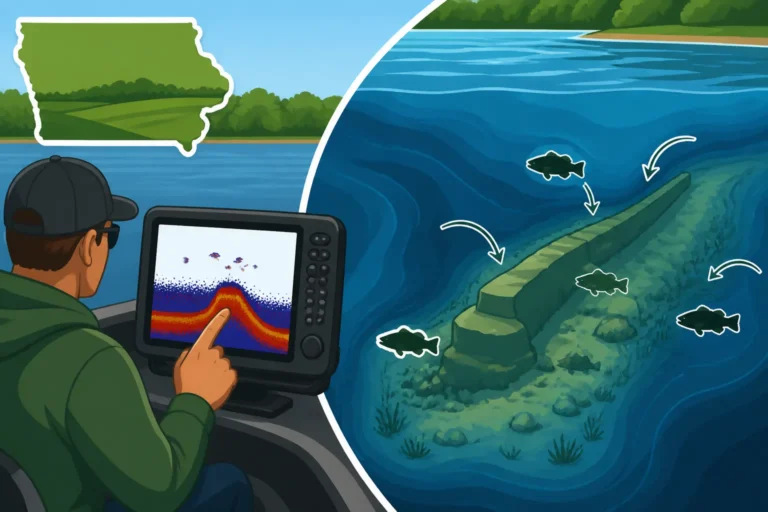
Reading a boat depth finder display helps Iowa anglers translate sonar signals, identify underwater structure, and find fish.
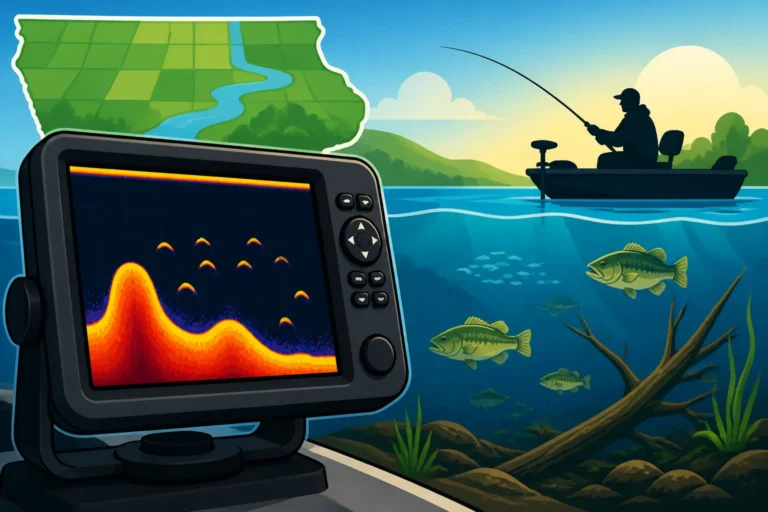
Sonar technology uses sound waves and echoes to help Iowa anglers interpret fish finder displays and underwater structures.
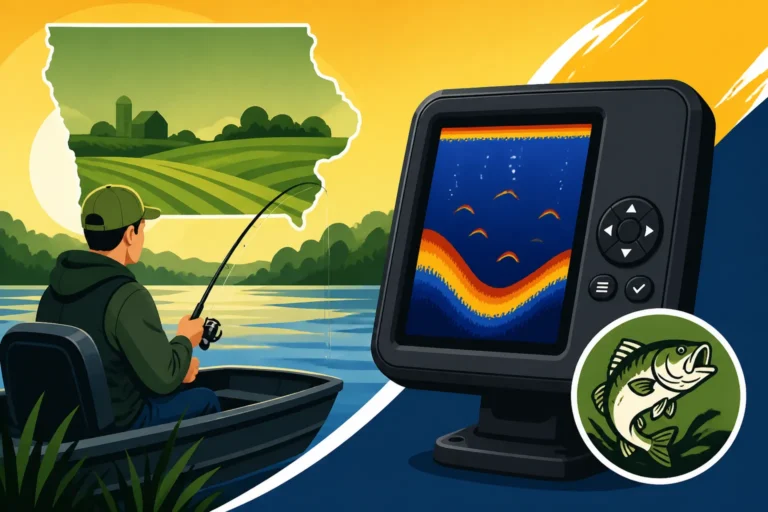
A budget-friendly fish finder helps beginners locate fish and understand bottom structure on Iowa waters without breaking the bank.
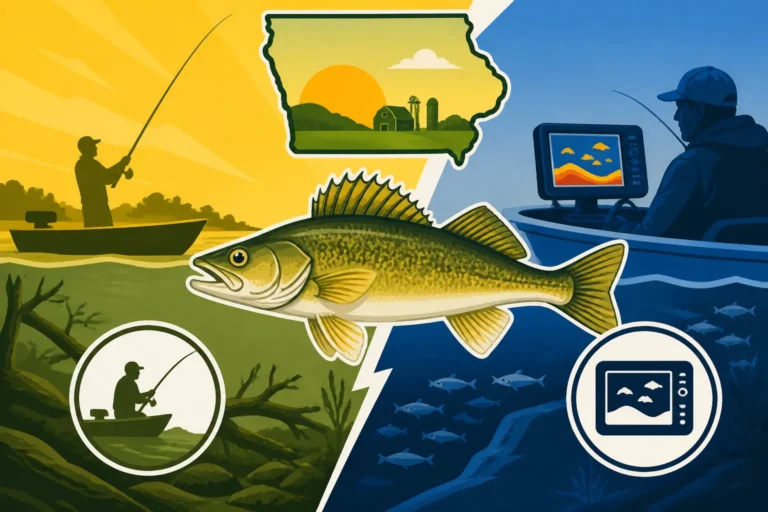
A fish finder is a sonar device that sends out sound waves and reads their echoes, and Iowa walleye anglers can judge whether it adds value or can be skipped.
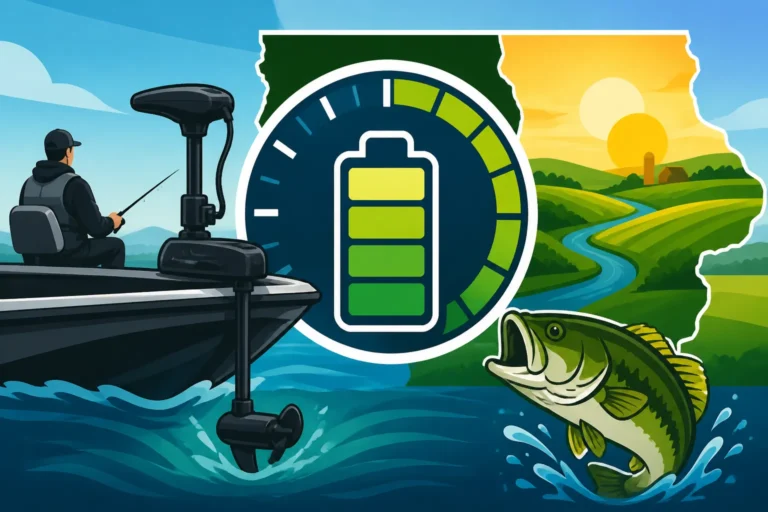
Trolling motor battery types, including lead-acid, AGM, and lithium-ion options, determine runtime on a single charge and lifespan.
Trolling motor battery types and capacity choices for Iowa waters explain how to maintain power and extend fishing time.
Choosing a proper trolling motor size requires at least two pounds of thrust for every one hundred pounds of boat weight.
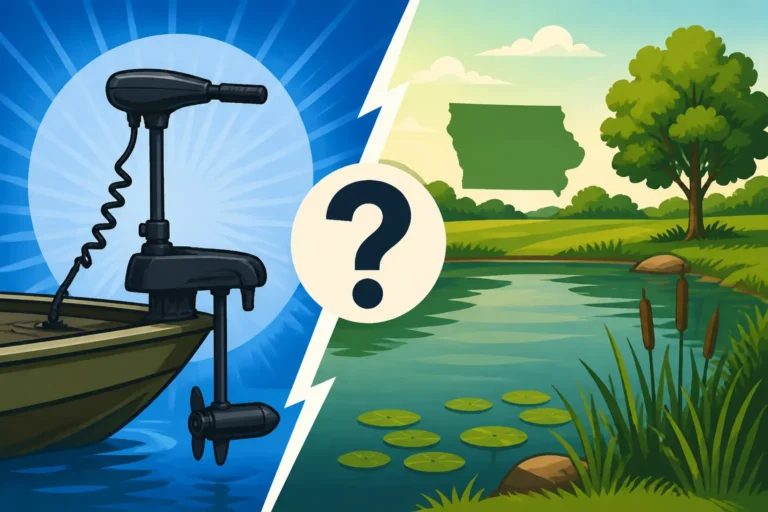
A trolling motor for small Iowa ponds improves boat control, prevents wind drift, and helps anglers target bass effectively.
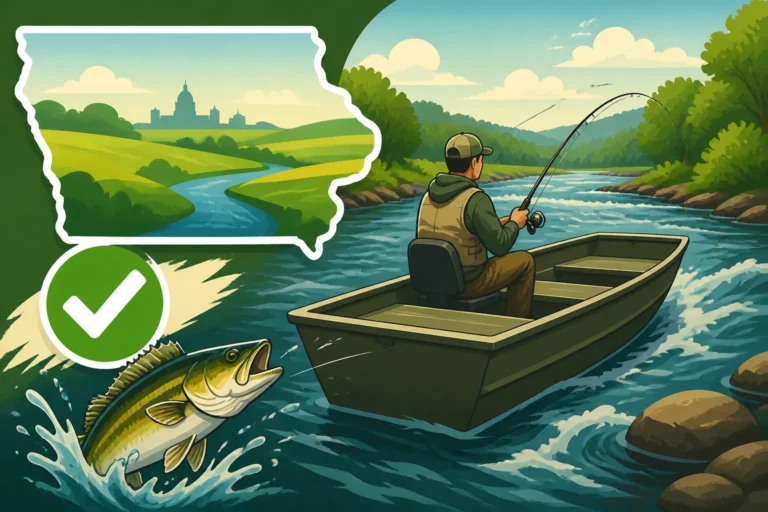
Flat bottom Jon boats provide shallow draft navigation and aluminum durability for fishing Iowa rivers like the Des Moines and Mississippi.
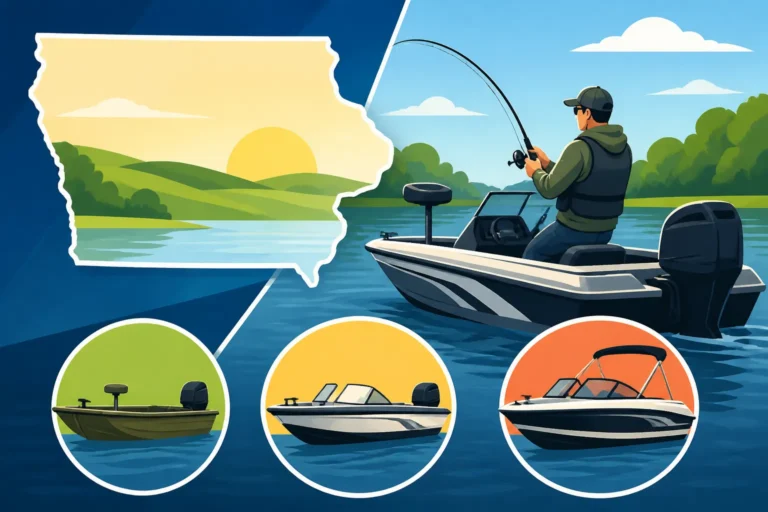
Boat length for Iowa lakes depends on wind conditions, water size, and fishing styles across reservoirs, lakes, and ponds.