Northern Pike Habitat in Iowa Lakes
Finding those elusive Northern Pike in Iowa's sprawling lakes can sometimes feel like a real treasure hunt, can't it? It’s not just about tossing a line in and hoping for the best; these toothy predators have very specific preferences when it comes to where they hang out. If you've ever spent a frustrating day on the water wondering why the pike just aren't biting, it's likely because you weren't fishing their home turf. This guide is all about peeling back the layers to understand exactly what kind of habitat Northern Pike thrive in across Iowa's diverse lake systems, helping you pinpoint their hiding spots and dramatically increase your chances of a successful outing.
Understanding Northern Pike Preferences in Iowa
Northern Pike are a fascinating species, known for their aggressive strikes and formidable presence. But to consistently catch them in Iowa's lakes, you need to think like a pike. They aren't just swimming around aimlessly; every movement and every chosen spot is calculated, driven by their needs for food, cover, and comfortable water conditions. It’s a bit like trying to find a deer hunter in the woods – they’re not usually out in the open, but hidden in places that offer them an advantage.
The Allure of Cool, Clear Water
Pike are cool-water fish, through and through. Unlike some of our warmer water species like catfish or bass that can tolerate quite high temperatures, pike start to get stressed when the water gets too warm. This is a crucial piece of information, especially during Iowa's hot summer months. When surface temperatures soar, pike don't just disappear; they seek refuge in deeper, cooler pockets of the lake where they can maintain their preferred body temperature.
But it’s not just about temperature; water clarity also plays a significant role in a pike's choice of residence. These fish are primarily sight predators, meaning they rely heavily on their vision to ambush unsuspecting prey. Clearer water allows them to spot their next meal from a greater distance, giving them the advantage in a hunting scenario. In Iowa, many of our glacial lakes, especially those in the northern part of the state, often boast the kind of water clarity that pike appreciate. This combination of cooler temperatures and good visibility creates the perfect hunting grounds for these powerful fish, allowing them to lurk and strike with maximum efficiency. Think about it: if you're an ambush predator, you want to see your target coming, right?
Why Structure is Everything: Weeds, Logs, and Drop-offs
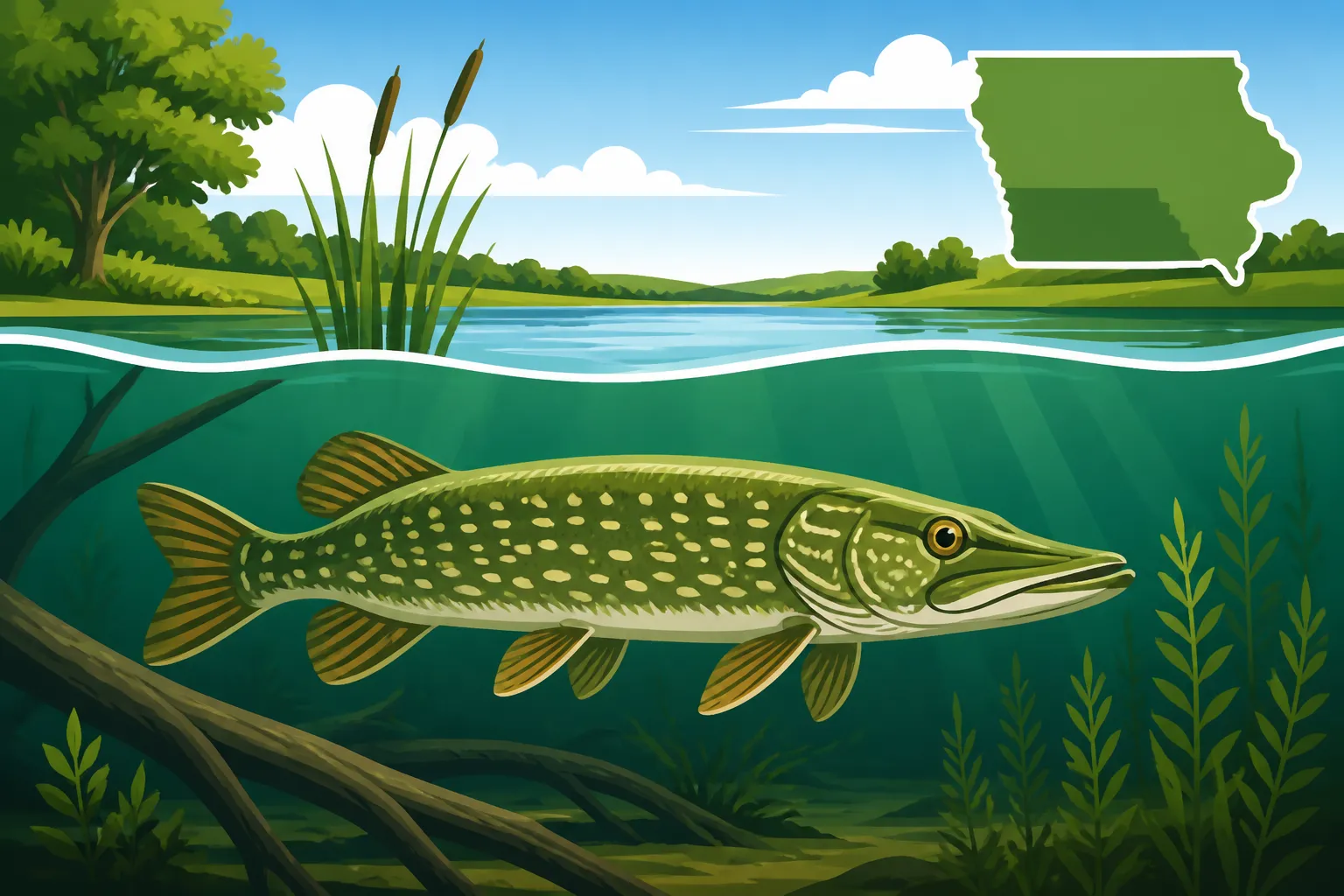
If cool, clear water is their apartment building, then structure is the specific, cozy (or strategic) apartment they choose within it. Northern Pike are quintessential ambush predators. They don't typically chase prey over long distances in open water; instead, they prefer to lie in wait, concealed, ready to explode onto an unsuspecting baitfish. This makes dense submerged vegetation, fallen timber, and sharp depth changes absolute magnets for pike.
Imagine a dense bed of coontail or milfoil, stretching out from a shallow flat. The outside edge of this weedline is a prime location. Pike will position themselves just inside or along that edge, hidden by the green wall, waiting for perch, shiners, or even smaller bass to swim by. Similarly, a sunken tree or a rock pile offers excellent cover, breaking up the current and providing a perfect blind spot from which to launch an attack. These aren't just places for pike to hide from you, the angler; they're strategic command centers for their daily feeding activities. Drop-offs, where the lake bottom suddenly plunges from shallow to deep, also serve as critical transition zones. Baitfish often cruise these contours, moving between feeding areas and deeper sanctuaries, making them natural highways for a hungry pike to patrol. These areas offer both the deeper, cooler water they sometimes need and excellent ambush opportunities as prey moves along the depth change.
Key Lake Characteristics that Attract Pike
Not all lakes are created equal when it comes to holding a thriving Northern Pike population. Certain physical characteristics and ecological factors make some Iowa lakes far more appealing to these predators than others. Understanding these "pike magnets" can help you narrow down your search and focus your efforts on the most promising waters. It’s like knowing the best restaurants in town – you don't just pick any place; you go where you know the food is good!
Deep Basins and Oxygenated Depths
For pike, depth often equates to comfort, especially when the weather warms up. Lakes with significant deep basins provide a vital thermal refuge when surface waters become too warm. These deeper areas act like a natural air conditioner, allowing pike to escape the heat and remain active, albeit potentially less aggressive. A deep basin isn't just a big hole; it's a zone where water temperatures remain stable and cool, often with a distinct thermocline forming in summer. This thermocline is a layer of rapidly changing temperature that separates the warmer surface water from the colder, deeper water. Pike will often position themselves right at or just above this thermocline, enjoying the cool temperatures without venturing into potentially oxygen-depleted zones found even deeper.
Beyond temperature, oxygen levels are paramount. While deeper water is generally cooler, it can sometimes become anoxic (lacking oxygen) in certain parts, especially towards the bottom of very deep lakes during periods of stratification. Healthy pike populations require well-oxygenated water throughout their preferred depth ranges. Lakes with good circulation or springs that continually introduce fresh, oxygenated water into their deeper sections tend to hold more robust pike populations. This ensures that even when they retreat to the depths, they still have the vital oxygen they need to thrive.
Abundant Forage: The Pantry of a Predator
No predator can survive without a reliable food source, and Northern Pike are no exception. The presence of a diverse and abundant forage base is perhaps the single most important factor dictating whether a lake can support a healthy pike population. Think of it as a well-stocked pantry for these hungry fish. Pike are opportunistic feeders, meaning they'll eat whatever is readily available, but they do have preferences.
Common forage fish for pike in Iowa lakes include yellow perch, various shiner species, suckers, and even smaller panfish like bluegill and crappie. In some of the larger, deeper lakes, larger baitfish like ciscoes (if present) are a gourmet meal for a big pike. A lake with a healthy population of these smaller fish is essentially advertising itself as a prime pike habitat. When you're out on the water, observing baitfish schools on your Fish Finders and Electronics for Iowa Anglers or noticing nervous shiners jumping near weed edges, you're likely seeing the very food source that's attracting pike. The entire food web in a lake contributes to its ability to sustain top predators like pike. A robust forage base means the pike have enough to eat, allowing them to grow larger and be more plentiful. Without a steady supply of these smaller fish, even a lake with perfect water temperatures and structure won't hold many pike.
Seasonal Movements and Habitat Shifts
Pike don't stay in one place all year round; their preferred habitat shifts dramatically with the changing seasons. Understanding these seasonal movements is like having a secret calendar for finding them. What works in April won't necessarily work in July, and knowing where they're likely to be at any given time of year is key to consistent success. It’s all about adapting to their changing needs for comfort, spawning, and feeding.
Springtime Shallowness: Post-Spawn and Early Feeding Frenzy
As the ice finally recedes from Iowa's lakes in early spring, signaling the end of Ice Fishing in Iowa, Northern Pike embark on one of their most significant seasonal migrations. After the grueling process of spawning, which typically occurs in shallow, vegetated bays and marshy areas immediately after ice-out, pike are often hungry and somewhat lethargic. They've expended a lot of energy, and their immediate priority is to replenish it.
During this post-spawn period, you’ll often find them lingering in those same shallow, warming bays and flats where they spawned. These areas warm up faster than the main lake basin, attracting baitfish and other small organisms, making them a rich feeding ground. Look for new green growth of submerged weeds, lily pad stems, or even cattails along the shoreline. Pike will lurk in these areas, ambushing anything that swims by. The warmer water also kick-starts their metabolism, making them more active and willing to strike. This is often an excellent time for aggressive presentations, as their hunger levels are high, and they're relatively accessible in shallower water.
Summer Deepwater Retreats and Weedline Ambush
Once Iowa's summer heat truly sets in and water temperatures climb into the 70s and even 80s in many lakes, Northern Pike undergo another significant habitat shift. They're forced to abandon the warm, shallow bays and seek out cooler, more comfortable water. This usually means retreating to deeper areas of the lake or finding thermal refuge within dense, shady submerged vegetation.
You'll often find them holding along the outside edges of prominent weedlines, especially those that drop off into deeper water. These weed walls provide both shade and cover, allowing pike to ambush prey that ventures too close, while also having immediate access to cooler water just a few feet deeper. The thermocline, that invisible boundary between warm and cold water, becomes incredibly important. Pike will often suspend right at or just above this layer, where temperatures are optimal and oxygen levels are still good. Targeting these deeper weed edges, especially those with access to main lake structure like points or humps, becomes paramount. If a lake doesn't have significant depth, pike will often concentrate in the thickest, tallest weed beds, burrowing deep into the canopy where the water is slightly cooler and shadier.
Fall Feeding Frenzy: Regaining Energy for Winter
As autumn arrives in Iowa, bringing with it cooler air and water temperatures, pike once again become highly active and aggressive. This is often considered one of the best times of year to target them, as they enter a prolonged feeding frenzy in preparation for the leaner winter months. Think of it as their last big push to bulk up before the long winter nap (though pike remain active under the ice!).
During fall, pike will move back into shallower areas, especially those with good remaining green weed growth, points, and even shallow rock reefs. The entire lake starts to cool down, and baitfish also become more active and consolidated, making them easier for pike to hunt. Look for pike concentrating around transitions – where hard bottom meets soft, where shallow flats drop into deeper water, or along the remaining healthy weed lines. They’ll be much more willing to chase and strike a variety of lures, from large spinnerbaits to crankbaits and jerkbaits. This is a time when you might find some of the biggest How Fast Northern Pike Grow on the prowl, making it an exciting season for pike anglers.
Winter Ice Cover: Seeking Sustenance Under the Ice
Even under a thick blanket of ice, Northern Pike remain active predators, though their metabolism slows considerably. Ice Fishing in Iowa for pike can be incredibly rewarding, but it requires understanding their winter habitat preferences. They don't just disappear; they simply adjust their strategy to the cold, dark environment.
In winter, pike will still relate to structure, but their specific locations might shift. Many will be found along deep weed edges, especially those that remain green and provide oxygen and cover. Points that extend into deeper water, humps, and the main lake basin adjacent to these structures are all prime targets. They are often less spread out than in open water, concentrating in areas where food sources (like schools of perch or shiners) are also congregating. When ice fishing for pike, understanding contours and using your electronics to find transitions and baitfish schools becomes even more critical. Setting up tip-ups along a deep weedline, or jigging aggressively on a point where baitfish are present, are common and effective strategies. The key is to remember they are still looking for an easy meal, but they may not expend as much energy chasing it. Check out our guide on How to Fish for Northern Pike in Winter for more detailed tips.
Top Iowa Lakes for Northern Pike
Iowa might be more famous for its fantastic walleye and bass fishing, but we have some truly spectacular pike waters if you know where to look. These lakes offer the right combination of depth, forage, and habitat to sustain healthy populations of these fierce predators. It's not just about one or two fish; it's about a consistent opportunity to tangle with a trophy pike.
The Iowa Great Lakes and Their Pike Populations
When anyone talks about trophy Northern Pike in Iowa, the conversation invariably turns to the Iowa Great Lakes region. These natural glacial lakes in the northwest corner of the state offer some of the best pike fishing opportunities, primarily due to their unique geological formation, depths, and abundant forage.
- West Okoboji Lake: This is hands-down Iowa's deepest natural lake and a prime destination for larger pike. Its cold, clear waters and extensive deep structure, including sharp drop-offs, underwater points, and deep weed beds, provide ideal year-round habitat. Pike here can grow to impressive sizes, feasting on yellow perch and other baitfish. Anglers often find success targeting the deep weed lines, especially where they intersect with structure like points or rock reefs. West Okoboji Lake Fishing Guide offers more specific insights.
- Spirit Lake: As the largest natural lake in Iowa, Spirit Lake also boasts a strong Northern Pike population. While generally shallower than West Okoboji, it has ample weed growth, bays, and varying depths that appeal to pike. Its sheer size means there’s plenty of habitat to explore, and pike can be found relating to the numerous weed beds and transition zones. Spirit Lake Fishing Guide provides more detail on this popular fishery.
These lakes are famous for a reason. They have the cold, oxygenated water and the diverse structure that pike crave, along with a healthy ecosystem that supports their growth. When planning a trip for Northern Pike Fishing in Iowa, these lakes should be at the top of your list.
Other Notable Pike Lakes Across Iowa
While the Great Lakes often steal the spotlight, several other Iowa lakes also provide excellent Northern Pike habitat and fishing opportunities. These lakes might not always produce the sheer numbers of the Great Lakes, but they can still surprise you with quality fish, especially for anglers willing to put in the effort to understand their nuances.
- Clear Lake: Located in north-central Iowa, Clear Lake is another fantastic fishery known for its muskie and walleye, but it also holds a respectable population of Northern Pike. The lake features extensive weed beds, particularly along its edges and in its shallower bays. These weed lines are prime ambush points for pike, especially during spring and fall. While often discussed for its Clear Lake Walleye Fishing, pike are a consistent bycatch and often a target in their own right.
- Mississippi River Backwaters: While not a "lake" in the traditional sense, the vast backwater areas of the Mississippi River bordering Iowa offer fantastic, though often overlooked, pike fishing. These areas are characterized by slower currents, abundant submerged vegetation, flooded timber, and diverse structure. Pike thrive in these complex environments, using the cover to ambush prey. The ever-changing nature of the river means finding consistent spots can be a challenge, but the reward can be substantial. Understanding the nuances of river systems is key to success here.
Other flood control reservoirs and larger state park lakes across Iowa may also hold scattered populations of Northern Pike. The key across all these varied environments is to seek out those critical habitat features: cool water, dense cover, access to deeper areas, and a plentiful food supply. Doing a little research on the lake's topography and vegetation before you go can make a huge difference in finding these often-elusive fish.
Reading the Water: Signs of Pike Habitat
It's one thing to know what kind of habitat pike prefer, but it's another thing entirely to be able to spot it on the water. Developing a keen eye for reading the water, both visually and with the help of technology, is an essential skill for any serious pike angler. It's about piecing together clues, like a detective on a case, to reveal where the action is hiding.
Visual Cues from Shore or Boat
Before you even cast a line, take a moment to really look at the water around you. There are often tell-tale signs of prime pike habitat staring you right in the face. From the shore, or as you cruise slowly in your boat, keep an eye out for these visual cues:
- Submerged Vegetation: This is the most obvious sign. Look for areas where weeds break the surface (lily pads, cattails, emergent grass) or where the water has a distinct green tint over shallower flats, indicating dense submerged growth. The edges where these weed beds meet open water or deeper water are always high-percentage areas.
- Changes in Topography: Observe how the shoreline changes. Does a rocky point extend far out into the lake? Is there a steep bank that suggests a sharp drop-off underwater? Any abrupt change in the landscape above water often signifies a similar change in the underwater topography, creating structure that pike love.
- Fallen Timber and Docks: Look for downed trees extending into the water, old stumps, or even neglected docks. These provide excellent overhead cover and ambush points.
- Baitfish Activity: Keep an eye out for schools of small baitfish flickering on the surface, or larger baitfish jumping. Where the baitfish are, the predators are usually not far behind. A nervous splash or a sudden boil could be a pike busting a school of minnows.
- Water Clarity Transitions: Sometimes, you'll notice seams where clearer water meets slightly stained water. These transition zones can concentrate baitfish and provide a distinct ambush line for pike.
By actively scanning the water and shoreline, you can start to form a mental map of potential pike holding areas, even before you deploy your electronics.
Using Technology to Pinpoint Prime Areas
While visual cues are important, modern technology has given anglers an incredible advantage in pinpointing precise pike habitat. Your fish finder, GPS, and mapping apps are invaluable tools for exploring the underwater world and revealing features you simply can't see with the naked eye.
- Fish Finders (Sonar): Your sonar unit is your underwater eye. Use it to identify distinct weed lines, especially the deeper, outside edges where pike often stage. Look for sudden depth changes (drop-offs), humps, points, and even submerged timber. Many modern fish finders can also show you baitfish schools and even larger arcs that could be pike themselves, especially when suspended. Learning to interpret the different colors and shapes on your screen is a game-changer.
- Mapping Apps & GPS: Before you even launch the boat, consult detailed lake maps on your phone or fish finder unit. Many excellent apps, some even available through online retailers like Amazon, offer high-definition contour maps that show depth changes, potential weed bed locations, and bottom composition. Use your GPS to mark promising spots you identify on the map (like a sharp point or a deep basin next to a large flat) and navigate directly to them. This saves valuable time and helps you systematically explore a lake.
- Side Imaging/Down Imaging: If your unit has these advanced features, they can reveal incredible detail of underwater structure. Side imaging can scan large areas to the sides of your boat, showing entire weed beds, sunken trees, or rock piles that are far from directly under your transducer. Down imaging provides a photographic-like view directly below, making it easier to distinguish between different types of submerged cover.
Combining your visual observations with a thorough understanding and application of your marine electronics will dramatically increase your efficiency in finding and targeting Northern Pike in Iowa's lakes. It's about working smarter, not just harder, to get those lines wet in the right places.
Conservation and Sustainable Pike Fishing in Iowa
As passionate anglers, we have a responsibility to protect the incredible fisheries that Iowa offers, including our robust Northern Pike populations. Sustainable fishing practices aren't just about following the rules; they're about ensuring that future generations can enjoy the same thrilling experiences we do today. Every angler plays a role in keeping our pike fisheries healthy and vibrant.
Understanding Regulations and Size Limits
The first and most important step in responsible fishing is to know and adhere to the current regulations. Iowa's Department of Natural Resources (DNR) sets specific rules for Northern Pike Season and Limit, including daily bag limits and minimum size restrictions, all designed to protect the population and allow fish to reach maturity and spawn. These regulations can vary from state to state, and even between different water bodies within Iowa, so always check the latest rules before you head out.
For Northern Pike, you'll want to be especially mindful of size limits. Often, larger pike are the most important spawners in the population, contributing significantly to future generations. Catch-and-release practices for these larger, trophy-sized pike are highly encouraged. If you do intend to keep a pike within the legal limits, make sure it’s handled carefully, dispatched quickly, and kept on ice to ensure the best quality meat. Taking the time to properly measure your catch and quickly release any fish outside the legal slot or those you don't intend to keep helps maintain a robust fishery for everyone. Familiarize yourself with the full Iowa Fishing Regulations Explained to be a truly informed angler.
Protecting Pike Habitat for Future Generations
Beyond managing the fish themselves, protecting their habitat is crucial. Northern Pike rely heavily on healthy aquatic ecosystems, particularly those with abundant submerged vegetation and good water quality. When these habitats are degraded, pike populations suffer, regardless of how well we manage harvest numbers.
Anglers can contribute to habitat preservation in several ways:
- Minimize Disturbance: Be mindful of your boat's impact on shallow weed beds. Avoid running your outboard through dense vegetation whenever possible, especially in known spawning areas.
- Prevent Invasive Species: Always clean, drain, and dry your boat and gear after each outing. Invasive species like zebra mussels or Eurasian watermilfoil can devastate native aquatic habitats and severely impact the food chain that pike rely on.
- Reduce Pollution: Simple actions like properly disposing of all trash, avoiding spills of fuel or oil, and picking up any litter you find can make a big difference. Our lakes are precious resources, and keeping them clean is everyone's responsibility.
- Support Conservation Efforts: Stay informed about local conservation projects and consider supporting organizations working to protect and restore Iowa's aquatic environments.
By understanding and respecting these conservation principles, we ensure that the thrill of catching a powerful Northern Pike in an Iowa lake remains a possibility for many years to come.
Disclaimer
This article is for general informational purposes only and does not constitute professional advice. Laws, prices and regulations vary by location and change over time. Consult a qualified professional for guidance on your specific situation.