Best Month to Catch Catfish on the Mississippi River
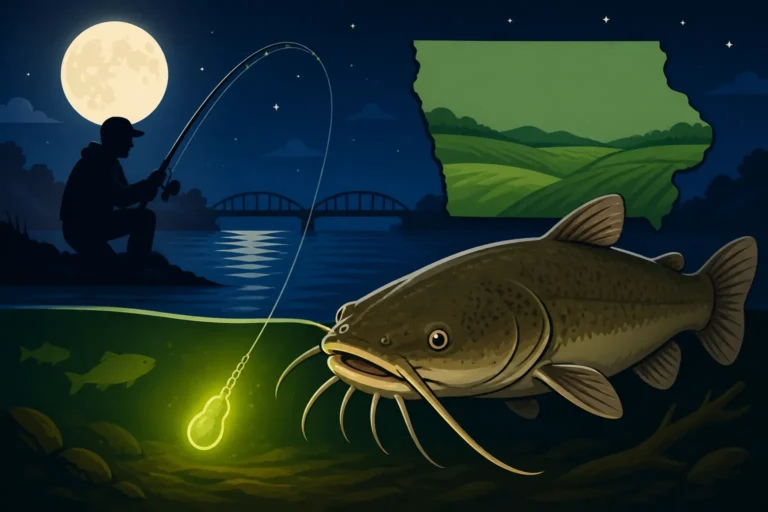
For many anglers, the thought of wrestling a giant whiskered warrior from the depths of the Mississippi River is the ultimate Iowa fishing dream. But if you’ve ever spent a frustrating day on the water with nary a bite, you know that timing is everything. It’s not just about getting your line wet; it’s about understanding when those big catfish are most active and hungry. This guide is dedicated to helping you pinpoint the absolute best month to catch catfish on the Mississippi River, ensuring your next trip is a successful one, filled with bent rods and thrilling fights.
Understanding Catfish Seasonal Patterns on the Mississippi
Catfish are fascinating creatures, and their behavior, much like ours, is heavily influenced by the changing seasons. The Mississippi River is a vast, dynamic system, and understanding how these changes affect the fish is key to figuring out when they're most likely to bite. It's not just a matter of hot or cold, but a complex interplay of water temperature, river flow, and food availability that dictates their movements and feeding frenzies.
The Spring Surge and Pre-Spawn Activity
As the ice retreats and spring truly takes hold, typically from April into early June, the Mississippi River begins to come alive. Water temperatures steadily climb from the chilly 40s into the more comfortable 60s, signaling to catfish that it's time to shake off their winter sluggishness. This period, often called the pre-spawn, is characterized by increased activity as catfish, especially channel catfish and flatheads, begin to feed heavily to build up energy for reproduction. They're looking for protein-rich meals, moving into shallower areas that warm up faster, like tributary mouths, backwater channels, and even flooded timber.
The river flow can be significant during spring, especially after heavy rains or snowmelt. This influx of fresh water can bring in new food sources but also create powerful currents. Smart anglers will target calmer areas adjacent to these currents, where fish can rest and ambush prey without expending too much energy. This is a fantastic time for trophy hunters, as big female flatheads and channel cats are at their heaviest before they drop their eggs. Knowing the current rules, like the Channel Catfish Daily Limit in Iowa, is important during this productive time.
Summer's Steady Bite and Post-Spawn Feeding
Once the spawn is complete, typically late June through August, catfish shift from reproduction to recovery and relentless feeding. This is often when the most consistent action occurs across the entire river system. Water temperatures are at their peak, often ranging from the low 70s to the low 80s, which significantly boosts the catfish's metabolism. They need to eat, and they need to eat often. You'll find them scattered throughout the river, from deep holes and main channel currents to wing dams, riprap, and submerged cover.
The summer months offer diverse opportunities. Channel catfish are particularly active, readily taking a variety of baits. Flatheads, after their post-spawn recovery, will also be aggressively defending their territories and ambushing prey. The river can become quite busy with recreational boaters, especially on weekends, but early mornings, late evenings, and Night Fishing Techniques for Catfish can provide solitude and excellent fishing. The key during this time is understanding their preferred habitat structures and presenting the right bait.
Fall's Last Hurrah Before Winter
As summer fades and autumn colors begin to paint the landscape, the Mississippi River starts its gradual cool-down. Water temperatures slowly recede through the 60s and 50s, prompting catfish to begin their pre-winter feeding binge. This "fall bite" can be incredibly productive, as fish once again pack on reserves for the leaner winter months. They'll often concentrate in deeper holes and channels, but will still venture into shallower feeding flats during warmer parts of the day.
However, the fall period is often shorter and more unpredictable than summer. Cold fronts can rapidly drop water temperatures, pushing fish into deeper, less active states. While the fishing can be superb on stable, mild days, it requires more adaptability and a keen eye on weather patterns. As temperatures continue to fall into late autumn and early winter, catfish activity diminishes significantly, and they migrate to overwintering areas, becoming much harder to tempt with a hook.
Why Late Summer Reigns Supreme for Mississippi Catfish
While every season offers unique opportunities for catfish anglers on the Mississippi, when it comes to consistent, active, and exciting fishing, late summer – specifically July and August – often stands out as the best month to catch catfish on the Mississippi River. This period offers the perfect storm of conditions that bring catfish activity to its peak.
Optimal Water Temperatures and Metabolism
The most critical factor influencing catfish activity is water temperature. During July and August, the Mississippi River's main channel and backwaters reach their warmest sustained temperatures. For channel catfish and blue catfish, these warmer waters supercharge their metabolism. They digest food faster, need to consume more calories to maintain their energy levels, and are therefore much more inclined to chase down a meal. Flathead catfish, while preferring slightly warmer conditions for peak activity, are also extremely aggressive during this time.
Imagine it like this: in colder water, a catfish is a slow-motion predator, conserving energy and waiting for an easy meal. In the warmth of late summer, they're like a highly tuned machine, constantly on the prowl. This increased metabolic rate means they're more responsive to baits, making your efforts much more likely to result in a hook-up. You'll often find them biting throughout the day, not just during brief windows.
Abundant Food Sources and Prime Locations
Summer is a time of incredible biological activity in the Mississippi River. Insect populations are booming, baitfish are abundant, and natural prey like crawfish and even small mammals or birds become more accessible. This explosion of food sources means catfish have plenty to eat, but it also means they're actively hunting. They aren't just passively waiting; they're moving and searching.
During July and August, catfish disperse from their spawning grounds and can be found in a wider range of habitats. You'll locate them near fallen trees, undercuts, rock piles, wing dams, and in How to Find Deep Holes for Catfish along the main channel. They'll also patrol shallower feeding flats, especially during dawn, dusk, and even into the night. Look for current breaks where they can ambush prey without fighting the main flow. Areas downstream of locks and dams, or tributary mouths, can also be particularly productive due to concentrated food and varied currents. If you’re fishing a specific section, like Mississippi River Pool 9 Fishing, understanding these local features is crucial.
Navigating River Currents and Structure
The Mississippi River is a powerful, dynamic system, and mastering its currents and identifying key structures is paramount for successful summer catfishing. In July and August, water levels tend to be more stable than in spring, though fluctuations due to upstream rainfall or lock and dam operations can still occur. This relative stability allows fish to establish more predictable patterns and locations. Catfish, especially flatheads, are masters of using current to their advantage, positioning themselves just out of the main flow to conserve energy while waiting for food to drift by.
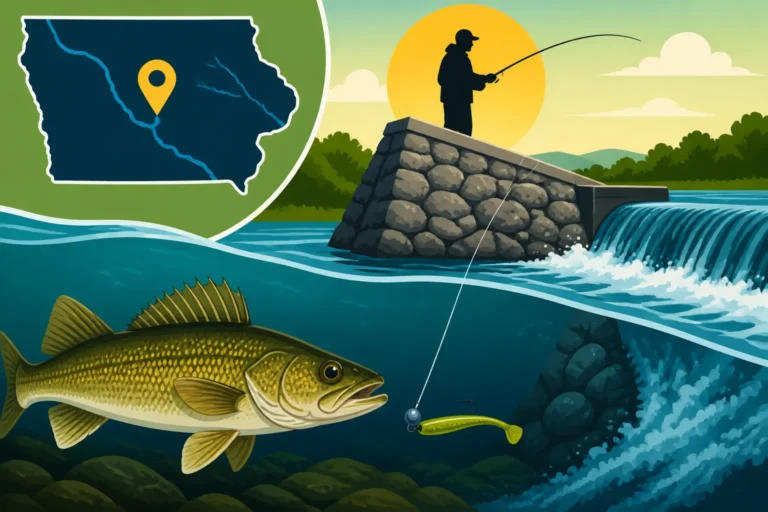
Focus your efforts on current seams, eddies, and behind structural elements like wing dams, riprap, and submerged timber. Wing dams, in particular, are catfish magnets. The current hitting the dam creates scour holes on the upstream side and eddies on the downstream side, both of which are prime holding areas. Drift Fishing the Mississippi River can be highly effective during this time, allowing you to cover vast stretches of river and find where fish are actively feeding. You'll want to use heavy enough weights to keep your bait near the bottom without immediately being swept away by the current.
| Month/Season | Catfish Activity Level | Key Locations | Best Baits/Techniques | Notes |
|---|---|---|---|---|
| Spring (Apr-Jun) | High (Pre-spawn) | Tributary mouths, warmer backwaters, structure near current breaks | Live baits (shad, bluegill), cut bait, stink baits | Trophy potential high, river flow can be challenging |
| Summer (Jul-Aug) | Very High (Post-spawn, peak feeding) | Deep holes, wing dams, riprap, submerged logs, current seams, main channel | Cut bait (shad, carp), live bait, worms, stink baits | Most consistent action, excellent for all species |
| Fall (Sep-Oct) | Moderate to High (Pre-winter feeding) | Deeper channel holes, major current breaks, structure | Cut bait, live bait, large worms | Activity declines with cold fronts, more concentrated fish |
| Winter (Nov-Mar) | Low | Deep, stable overwintering holes | Slow presentations, live bait (less active) | Difficult, requires patience, often slow or no bite |
Essential Tactics and Gear for Summer Catfish Success
Once you've zeroed in on the prime months of July and August, it’s time to equip yourself with the right knowledge and gear to make the most of your Mississippi River catfish adventure. Being prepared for the unique challenges of this mighty river will greatly increase your chances of landing a true Hawkeye State monster.
Top Baits and Rigging for Big River Cats
When it comes to catfish on the Mississippi, they aren't usually picky eaters, but certain baits consistently outperform others, especially for different species. For channel catfish, stink baits, punch baits, and prepared baits are incredibly effective, especially when fished on a bare treble hook or a bait holder spring. They also love shrimp, chicken livers, and nightcrawlers. If you're looking for natural options, fresh Best Cut Bait for Channel Catfish from local rough fish like shad, skipjack herring, or even carp can be deadly.
Flathead catfish, on the other hand, are almost exclusively predators, preferring live bait. Large shiners, sunfish, small carp, or bluegill are prime choices. You'll want to rig these lively offerings on a stout hook, allowing them to swim naturally near structure. You can find many of these specialized catfish baits, along with essential tackle, on platforms like Amazon, making it easy to stock up before your trip. For a more comprehensive overview, consult a Catfish Bait Guide for Iowa Anglers. When rigging, a basic three-way swivel rig or a Santee Cooper rig (for bottom fishing with a float to keep the bait off the bottom slightly) are go-to choices for the river's varied conditions.
Best Fishing Techniques for the Mighty Mississippi
Fishing the Mississippi River is a different beast than still water. The current is a constant factor, and understanding how to use it to your advantage is crucial. One of the most productive methods during the summer is bottom fishing with heavy weights. Use a slip-sinker rig or a Carolina rig to allow the line to move freely through the weight, signaling the bite clearly. Cast your bait upstream and let it settle, allowing the current to disperse the scent.
Another highly effective technique, particularly for covering water and finding active fish, is drift fishing. As mentioned, Drift Fishing the Mississippi River allows your bait to move naturally with the current, mimicking a free-floating meal. This requires a boat and careful control to ensure your bait stays in the strike zone. Trolling with cut bait or large crankbaits can also entice aggressive channel cats and flatheads, especially in deeper channels. Don't be afraid to experiment with different depths and speeds until you find what the fish are keying in on. If you're looking for specific gear for these techniques, Amazon often has a good selection of specialized tackle.
Must-Have Gear for a Productive Day
Successful catfishing on the Mississippi requires robust gear that can handle powerful fish and demanding conditions. First and foremost, you need a strong rod and reel combo. A medium-heavy to heavy action rod, usually 7-9 feet long, paired with a reliable baitcasting or spinning reel spooled with 20-50 pound monofilament or braided line, is ideal. For detailed recommendations, check out our guide on the Best Rod Setup for Catfish on the Mississippi River.
You'll also need a selection of heavy sinkers (3-8 ounces or more, depending on current), sturdy circle hooks (4/0 to 8/0 are common), strong swivels, and durable leader material. A heavy-duty landing net is absolutely essential for safely bringing in big catfish, as trying to hand-land a 20-pounder can lead to lost fish or injuries. Don't forget a pair of long-nosed pliers or a hook remover for safely unhooking fish, especially if you plan on catch and release. Many anglers also find a quality fish finder invaluable for locating submerged structure and How to Find Deep Holes for Catfish where catfish congregate. Finally, a cooler full of ice is a must if you plan to keep your catch, ensuring freshness, and always remember to check the Iowa Fishing Regulations Explained for specific possession limits.
Remember, patience is a virtue in catfishing, especially on a river as vast as the Mississippi. But by focusing your efforts during the prime months of July and August and employing these proven tactics, you'll significantly increase your chances of experiencing the thrill of a lifetime with one of Iowa's most sought-after game fish.
Disclaimer
Fishing regulations can change. Always consult the latest Iowa Department of Natural Resources (DNR) fishing regulations before heading out on the water. This guide is for informational purposes only and does not supersede official state regulations.