Iowa Walleye Season Opening Strategies
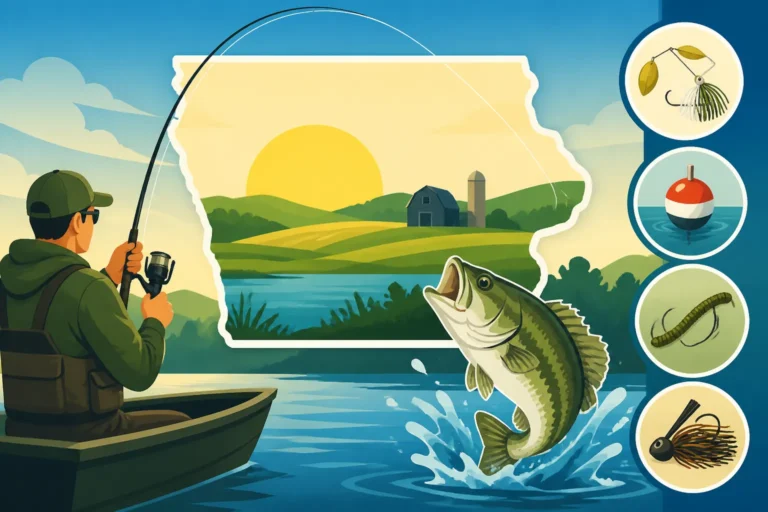
The thrill of Iowa's walleye season opening is something every dedicated angler eagerly anticipates. After a long winter, the ice finally recedes, and the promise of that first hard strike on the line fills us with excitement. But let's be real: those first few weeks can be a puzzle! Water temperatures are still chilly, fish behavior is in flux, and finding those elusive walleye can feel like a guessing game. This guide is here to unravel the mysteries of opening day, equipping you with the strategies to confidently target and catch walleye as the season kicks off.
Understanding Iowa's Walleye Season Dynamics
The opening of walleye season isn't just a date on the calendar; it's a dynamic period influenced by a myriad of environmental factors. For many Iowa anglers, it signals the start of serious fishing, but success hinges on understanding the nuances of this early spring window.
The Official Opening Dates and What They Mean
Generally, for most of Iowa's natural lakes and rivers, the walleye season is open year-round. However, there are crucial exceptions that every angler needs to be aware of, particularly in our crown jewel walleye fisheries. For instance, the Iowa Great Lakes, which include West Okoboji, East Okoboji, and Spirit Lake, typically have a closed season for walleye from mid-February through early May. This allows the walleye population to spawn undisturbed, ensuring the health and sustainability of these incredible fisheries for years to come. Knowing these specific closures and openings is paramount. You can always check the latest details in the Iowa Fishing Season Dates and Limits guide to make sure your plans align with the regulations.
When the season officially reopens on these lakes, it’s a palpable sense of excitement. Anglers often start lining up at boat ramps before dawn, eager to be among the first to cast a line. For rivers like the Mississippi River or the Des Moines River, where the season is continuous, "opening strategies" refer more to the techniques employed during the spring transition rather than a specific date. Regardless of where you're casting your line, the "opening" period is characterized by fish transitioning from winter patterns to pre-spawn and eventually post-spawn behaviors, offering unique opportunities and challenges.
Key Factors Influencing Early Season Walleye
Early spring walleye fishing is essentially a masterclass in reading the water and weather. Several critical factors come into play that dictate where walleye will be, how active they'll be, and what they'll respond to.
First and foremost is water temperature. Walleye are cold-blooded creatures, and their metabolism is directly tied to the water temperature. In early spring, as ice recedes, the water is often still in the 30s or low 40s Fahrenheit. At these temperatures, walleye are sluggish. They're not going to chase a fast-moving bait. As the water slowly warms into the mid-40s and 50s, their activity level increases, and they begin to think about spawning. Finding areas with even a slight temperature increase – perhaps a shallow bay warming under direct sunlight, or a dark-bottomed flat – can be a game-changer. You might be surprised what a difference just a few degrees makes; you can learn more about this in our article on How Water Temperature Affects the Walleye Bite.
Secondly, water clarity plays a significant role, especially in rivers or after spring rains. Meltwater runoff or heavy rains can stir up sediment, turning clear water into muddy soup. Walleye are sight feeders, and while they can adapt to murky conditions, it often means they'll be closer to structure, in shallower water, or more responsive to baits that create vibrations or have strong scent trails. Conversely, exceptionally clear water might make them more skittish, requiring lighter lines and more subtle presentations.
Lastly, current and flow are huge factors, particularly in river systems. Early spring often brings higher water levels and stronger currents due to snowmelt. Walleye in rivers are masters at conserving energy, so they'll seek out current breaks – eddies, behind wing dams, log jams, or submerged rocks – where they can rest out of the main flow while still being close to passing food. Understanding these current dynamics is crucial for positioning your boat and presenting your bait effectively.
Pre-Spawn and Early Spawn Walleye Behavior
Catching walleye during the early season often boils down to understanding their reproductive cycle. Like many fish, walleye have distinct behavioral patterns as they prepare to spawn, engage in spawning, and then recover. Timing your approach to these phases can significantly increase your success.
Locating Walleye in Pre-Spawn Staging Areas
Before walleye engage in their annual spawning ritual, they undergo a "pre-spawn" phase. During this time, their primary instinct is to feed heavily, building up energy reserves for the strenuous act of spawning. This makes them active and often aggressive, offering some of the best fishing opportunities of the year. The key is knowing where to look.
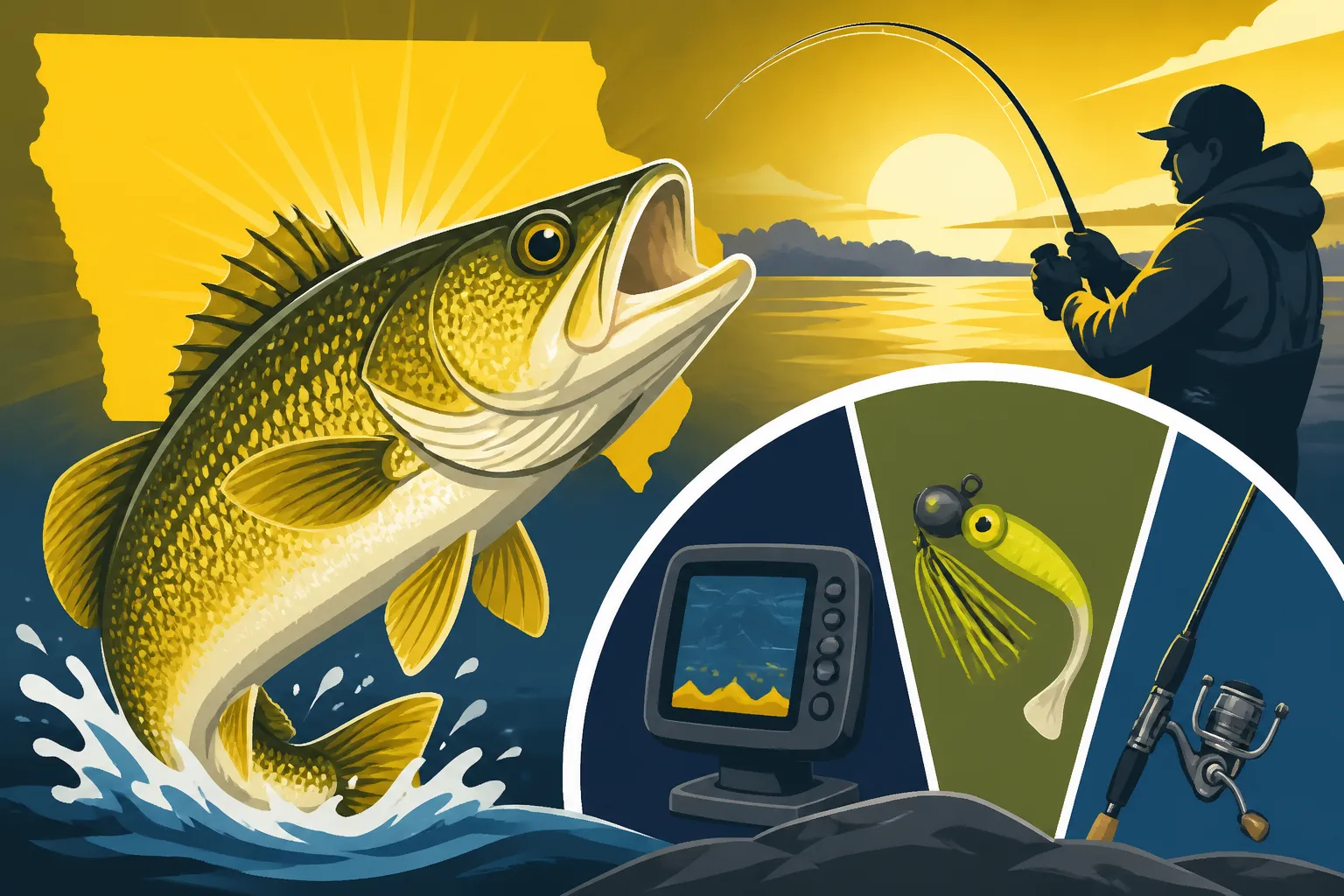
In lakes, pre-spawn walleye will often stage in deeper water adjacent to their eventual spawning grounds. Think about prominent points, rocky humps, submerged islands, or the deep edges of structural elements that transition into shallower, rockier areas. They'll use these deeper spots as holding patterns, moving up to feed during periods of low light or when conditions are favorable. These areas often provide access to cooler, more stable water while still offering proximity to potential feeding lanes. Fishing these transition zones, especially where hard bottom meets soft bottom or where there's a significant depth change, can be incredibly productive. A good fish finder can be invaluable here, helping you identify subtle changes in bottom contour and locate schools of fish relating to structure.
On river systems, the story is similar but with a twist: current. Pre-spawn river walleye will stage in deeper scour holes, the slower water behind wing dams, or in eddies just downstream from rapids or current breaks. They want to be out of the strongest current but close enough to ambush baitfish being carried downstream. Look for bottlenecks, sharp bends, or tributary mouths where baitfish might congregate or be disoriented by current changes. Vertical jigging or slowly dragging live bait rigs through these deeper staging areas can be exceptionally effective during this period. For specific river strategies, consider reading up on Walleye Fishing Techniques for Iowa Rivers.
Identifying Spawning Grounds and Adjacent Feeding Zones
As water temperatures creep into the mid-40s to low 50s Fahrenheit (typically late March to mid-April in Iowa, depending on the year), walleye begin their migration to actual spawning grounds. These locations are usually shallow, rocky areas – think riprap shorelines, gravel shoals, rock reefs, or even dam tailraces in rivers. Walleye are broadcast spawners, scattering their eggs over hard bottoms. The actual spawning event often happens under the cover of darkness.
Fishing directly on active spawning beds can be detrimental to the population, and many responsible anglers choose to avoid these areas during peak spawning. However, just before and after the peak spawning window, the adjacent feeding zones become hot spots. Walleye that are moving to spawn or have just finished spawning are often incredibly hungry and aggressive.
During the early spawn, look for slightly deeper edges or flats immediately adjacent to known spawning reefs or rocky shorelines. Walleye will move onto the shallow rocks to spawn and then retreat to slightly deeper water to rest and feed. For instance, on the Iowa Great Lakes, areas with extensive rock reefs and gravel bottoms are prime candidates. In rivers, the shallow, rocky stretches below dams are classic spawning grounds, and the deeper pools directly below them become prime feeding zones for post-spawn fish. Slowly working jigs or suspending jerkbaits in these transitional areas can yield excellent results. Remember to consult the Iowa Fishing Regulations Explained for any specific rules regarding fishing near known spawning areas.
Essential Gear and Tackle for Opening Day Success
You can know all the theory in the world, but without the right tools for the job, you’ll be struggling. Early season walleye fishing demands specific gear that can handle cold water, subtle bites, and sometimes challenging conditions. Investing in quality tackle suited for the task will significantly increase your odds of success.
Rods, Reels, and Line for Spring Walleye
When it comes to rods, versatility and sensitivity are key for early season walleye. A medium-light to medium-action spinning rod, typically in the 6'6" to 7'6" range, is a fantastic all-around choice. Look for a rod with a fast or extra-fast tip action; this allows for excellent feel, helping you detect those light walleye bites that often feel like nothing more than extra weight on the line, while still providing the backbone for a solid hookset. For heavier presentations or larger river systems, a medium-heavy rod might be appropriate. Brands like St. Croix, Fenwick, or Abu Garcia offer excellent options across various price points.
For reels, a smooth, reliable spinning reel in the 2500 to 3000 size range is ideal. It should have a good drag system, which is crucial for fighting strong walleye, especially in current. Consistent line lay is also important for smooth casting and preventing tangles. Shimano and Daiwa reels are perennial favorites among walleye anglers for their durability and performance. You can often find great deals on these rod and reel combos on platforms like Amazon if you're looking to upgrade your setup without breaking the bank.
Choosing the right fishing line is another critical decision. For your main line, many anglers prefer 6-10 lb braided line due to its incredible sensitivity and strength-to-diameter ratio. Braid's no-stretch characteristic transmits even the lightest tap directly to your hands. However, because walleye can be line-shy in clear water, and braid is highly visible, it's almost always paired with a fluorocarbon leader (6-10 lb test, 3-6 feet long). Fluorocarbon is nearly invisible underwater and offers excellent abrasion resistance against rocks and zebra mussels. Alternatively, a high-quality monofilament line in 8-10 lb test can also be a good choice, particularly for presentations where a little stretch is desired, like when trolling crankbaits or fishing with slip bobbers.
Top Baits and Lures for the Early Season Bite
When walleye are sluggish in cold water, lure selection often leans towards slower, more subtle presentations. However, as the water warms, their aggression picks up.
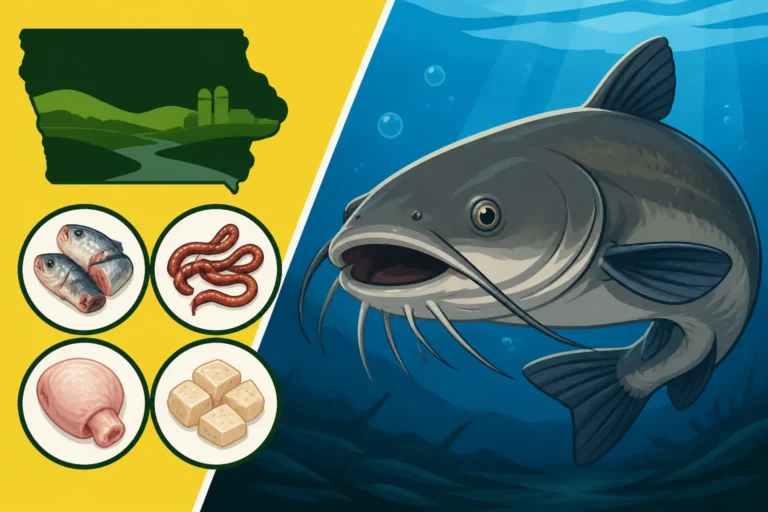
Live bait is often king in cold water. Nothing beats a lively minnow. Shiner minnows, fathead minnows, or even larger creek chubs can be incredibly effective. They can be rigged on a bare jig head, a simple hook and split shot, or under a slip bobber. Nightcrawlers, although more commonly associated with summer walleye, can also be effective, especially when threaded onto a crawler harness and slowly trolled or drifted. Having a variety of live bait options available can make a big difference, as walleye can be picky. You can find more specific advice on what works best in our Best Live Bait for Iowa Walleye guide.
For artificials, jigs are arguably the most versatile and effective walleye lure for early spring. A 1/8 to 1/2 ounce jig, tipped with a live minnow, a plastic grub, or a soft plastic swimbait, can be vertically jigged, cast and retrieved, or drifted. Popular jig colors vary depending on water clarity and sunlight, but chartreuse, white, orange, and black are often good starting points. The key is to fish them slowly and methodically, making sure your bait is in the strike zone for as long as possible.
Crankbaits also have their place, particularly for trolling or casting in areas where walleye are actively feeding or staging. Shallow-diving crankbaits in natural baitfish patterns or bright colors (firetiger, chartreuse) can entice strikes. During this time, look for smaller profile baits that imitate the forage walleye are keying on, such as shiners or perch. Brands like Rapala, Berkley (especially their Flicker Shad series), and Salmo offer excellent crankbait options. For deep trolling applications in lakes, you might consider larger, deeper-diving crankbaits as the water warms later in spring.
Lastly, don't overlook blade baits like the Johnson Thinfisher or the Silver Buddy. These vibrating lures can be deadly when vertically jigged in deeper water, especially in current. Their flash and vibration can trigger reaction strikes from hesitant walleye.
Effective Strategies for Different Iowa Waters
Iowa boasts a diverse range of fishing environments, from vast river systems to natural lakes and man-made reservoirs. Each type of water body presents its own set of challenges and opportunities for the early season walleye angler. Tailoring your strategy to the specific characteristics of the water you're fishing is crucial.
River Walleye Strategies: Current, Structure, and Depth
Fishing for walleye in Iowa's rivers, particularly giants like the Mississippi River or the Des Moines River, requires a deep understanding of how current influences fish behavior. Unlike lakes, rivers are constantly moving, and walleye expend a lot of energy fighting current, so they'll always be looking for ways to conserve it.
Current breaks are your best friends. These are areas where the flow of the water is disrupted, creating a calmer zone. Think of wing dams on the Mississippi River – these structures push water into the main channel, creating scour holes and eddies on their downstream side. Walleye will sit in these calmer areas, waiting for baitfish to be swept past them. Fishing the eddy lines, where the fast water meets the slow water, can be incredibly productive. You can effectively fish these by anchoring upstream and drifting jigs or live bait into the current break, or by using your trolling motor to hold position and precisely work the edges of the slack water. Consider checking out specific guides like Mississippi River Pool 9 Fishing for detailed tips on border waters.
Depth and structure are also paramount. River walleye often relate to deeper channels, current seams, log jams, rock piles, or bridge pilings. These features provide ambush points and protection from strong currents. Early season often means fish are still concentrated in deeper pools and bends before spreading out. Techniques like vertical jigging with a heavy jig (1/4 oz to 1 oz, depending on current) tipped with a minnow or soft plastic is highly effective. You want to feel that jig ticking the bottom or bouncing off structure. Three-way rigs are another river staple, allowing you to present a live minnow or crankbait at a precise depth just above the bottom while your weight drags along. For those who prefer to troll, using crankbaits that dive to the appropriate depth, trolled upstream against the current, can also be deadly, especially as water temperatures rise. The slow presentation allows the walleye to easily intercept the bait.
Lake Walleye Strategies: Structure, Breaks, and Wind
Lake fishing for walleye, particularly on renowned spots like the Iowa Great Lakes or Clear Lake, demands a different approach. While current isn't the primary factor, structure, depth breaks, and wind become critical elements.
In early spring, lake walleye will often relate to the deepest available structure that's adjacent to their spawning grounds. Look for points, humps, ledges, or submerged rock piles. These areas provide depth transitions and cover, allowing walleye to move between deeper holding areas and shallower feeding zones. As the water warms, they might also start to utilize the deeper edges of remaining weed lines or developing new vegetation. Fishing these edges and drop-offs is key.
Wind often plays a more significant role in lake fishing than many realize. A consistent wind blowing into a particular shoreline, point, or reef can concentrate baitfish, which in turn attracts walleye. The "wind-blown side" of a lake or structure is often where you'll find the most active fish. The ripple on the surface also helps break up light penetration, making walleye less wary.
Effective techniques for lake walleye include slip bobber fishing with live minnows over humps or along weed edges. This allows for a perfectly natural presentation at a suspended depth. Jigging can be done by casting jigs to points or breaklines and slowly working them back, or vertically jigging over specific pieces of structure identified with your fish finder. As the water warms, slow trolling with bottom bouncers and crawler harnesses (or minnow rigs) becomes incredibly effective for covering water and locating active fish on flats or along expansive breaklines. For targeted advice, our Clear Lake Walleye Fishing article offers excellent insights specific to that body of water, and if you plan to spend more time on our larger systems, you'll find a lot of useful tips in our Iowa Great Lakes Fishing Guide. The ability to adapt your technique to the specific structure and conditions you encounter will be your biggest asset.
Navigating Regulations and Ethical Angling
Being an ethical and law-abiding angler is just as important as knowing how to catch fish. Iowa has carefully crafted fishing regulations to protect its valuable fisheries, and understanding these rules is part of being a responsible steward of our natural resources.
Understanding Iowa Walleye Season Dates and Limits
While many Iowa waters offer year-round walleye fishing, it's absolutely crucial to remember that certain key walleye fisheries, most notably the Iowa Great Lakes (Spirit Lake, East Okoboji, West Okoboji), have specific closed seasons for walleye in late winter and early spring to protect spawning fish. These closures are typically from mid-February through early May. Fishing for walleye during these closed periods, even if you intend to release them, is strictly prohibited and can result in significant penalties. Always double-check the most current Iowa Department of Natural Resources (DNR) fishing regulations booklet or website before heading out. Our comprehensive Iowa Fishing Regulations Explained article breaks down these rules in detail, and you'll also want to make sure your Iowa Fishing License Guide is up-to-date.
Beyond season dates, you need to be aware of daily bag limits and length limits. These vary significantly by water body and can even change year to year based on population surveys. For example, a lake might have a daily bag limit of 5 walleye with a 15-inch minimum length, while a river might have a more liberal limit. Some waters might even have slot limits, requiring you to release fish within a certain size range to protect trophy-sized spawners. Always carry a measuring device and know the rules for the specific body of water you're fishing. Ignorance of the law is not an excuse, and game wardens are out there to ensure compliance, protecting the resource for everyone.
| Water Body Type | Typical Season Opening | Average Daily Bag Limit | Average Length Limit | Common Strategy Considerations |
|---|---|---|---|---|
| Most Rivers (e.g., Des Moines, Mississippi) | Year-round | 5-10 walleye | Varies, often 15-18" min | Focus on current breaks, deeper holes, wing dams; jigging, live bait. |
| Iowa Great Lakes (Spirit, Okoboji) | Early May (after spawning closure) | 3-5 walleye | 17" or 18" min, sometimes slot | Fish rocky reefs, points, wind-blown shorelines; slip bobbers, trolling. |
| Smaller Reservoirs/Lakes | Year-round (some exceptions) | 5 walleye | 15" min | Look for structure near historical spawning areas, deep breaks. |
Note: This table provides general averages. Always verify current regulations with the Iowa DNR for the specific water body you plan to fish.
Best Practices for Catch and Release and Conservation
Walleye are a prized sport fish, and responsible angling means practicing sound catch and release techniques, especially during the vulnerable early season when fish are focused on spawning or recovering. When you catch a walleye you intend to release, minimize its time out of the water. Handle the fish gently, preferably with wet hands, and support its body horizontally. Avoid squeezing its belly or gills.
Use barbless hooks or pinch down the barbs on your hooks to make hook removal easier and reduce damage to the fish's mouth. If the fish is deeply hooked, especially in the gills or throat, cut the line as close to the hook as possible rather than trying to remove it forcefully. Studies show fish often have a better chance of survival if the hook is left in.
When releasing, place the fish gently back into the water, headfirst, and hold it upright until it swims away under its own power. Sometimes a gentle back-and-forth motion can help push water over its gills. This is particularly important with larger walleye, which are often the most prolific spawners and crucial for the health of the fishery. By practicing these conservation methods, we ensure that there will be healthy walleye populations for future generations of Iowa anglers to enjoy. After all, fishing is more than just catching; it's about preserving the experience.
Tips for Maximizing Your Opening Day Experience
The first crack at walleye in the spring is about more than just numbers; it's about the experience. However, a little preparation and a flexible mindset can certainly make that experience more rewarding, especially when conditions are unpredictable.
Preparing for Early Spring Conditions
Spring weather in Iowa is notoriously fickle. One day it might be sunny and pleasant, the next it's a blustery, bone-chilling cold with rain or even snow. Being prepared for these rapid changes is paramount for your comfort, safety, and ultimately, your ability to focus on fishing.
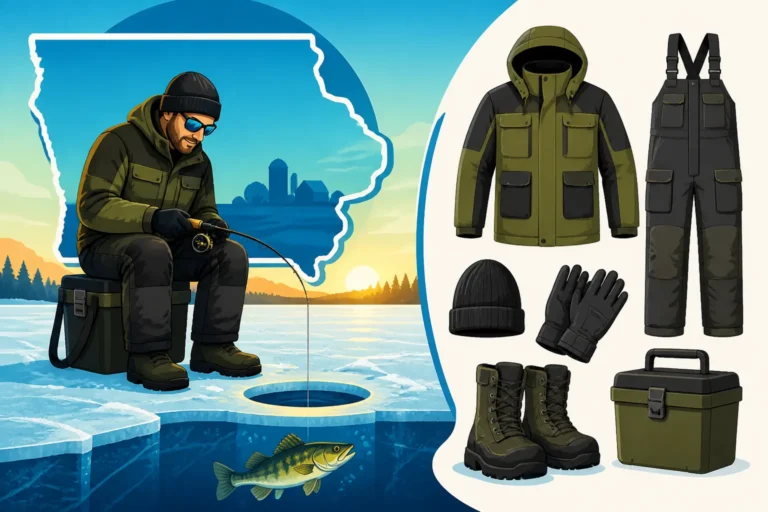
Layering is your best friend. Start with a moisture-wicking base layer, add insulating mid-layers like fleece, and top it off with a waterproof and windproof outer shell. A good quality pair of waterproof boots is non-negotiable, and don't forget warm gloves or mittens, especially for handling cold lines and fish. A warm hat can make a huge difference in retaining body heat. You can find excellent cold-weather fishing gear from brands like Simms or Columbia, and many quality options are readily available on Amazon.
Beyond clothing, think about safety. Early spring water temperatures are dangerously cold. If you're boating, always wear a life jacket, even if it feels cumbersome. A sudden capsize in frigid water can lead to hypothermia incredibly quickly. Ensure your boat is fully equipped with all required safety gear, including a throwable device, horn, and fire extinguisher. Pack plenty of water and easy-to-eat snacks to maintain your energy throughout the day. A thermos of hot coffee or soup can also be a real morale booster when the air is biting. Having extra dry clothes in a waterproof bag is also a smart move, just in case.
Adaptability and Persistence
Perhaps the most crucial "strategy" for early season walleye fishing is the ability to adapt. What worked yesterday might not work today, and what's effective on one side of the lake might be useless on the other. Walleye are sensitive to changes in weather, water temperature, pressure systems, and even light conditions.
Don't be afraid to change things up. If you're not getting bites with jigs, switch to live bait. If your shallow crankbaits aren't working, try slowing down with a slip bobber. Experiment with different depths, retrieve speeds, and lure colors. Sometimes, just a slight adjustment – a heavier jig to stay closer to the bottom, or a softer presentation – is all it takes to trigger a strike. Pay close attention to what the fish are telling you (or not telling you).
Persistence is equally vital. Walleye can be notoriously finicky, especially in cold water. You might go long stretches without a bite, only to hit a brief, intense feeding window. Don't get discouraged. Keep moving, keep trying different presentations, and trust your instincts. The angler who covers more water, tries more techniques, and stays out longer often reaps the rewards. The first few weeks of the season are often about covering water until you find an active school of fish. Once you find them, you can slow down and really work the area. It’s all part of the challenge and reward of learning How to Catch Walleye in Iowa at the very start of the season.
Disclaimer
Please remember that fishing regulations, including season dates, bag limits, and length restrictions, can change. Always consult the latest official Iowa Department of Natural Resources (DNR) regulations before heading out on the water. This guide is for informational purposes only and should not be considered a substitute for official DNR publications.