Ice Fishing Safety on Iowa Lakes
The lure of a crisp winter day, the quiet solitude of a frozen lake, and the thrill of pulling a fish through the ice are incredibly appealing, but the harsh reality is that ice fishing comes with serious risks if you're not prepared. Many anglers, especially those new to the sport or visiting from out of state, underestimate just how quickly conditions can change on Iowa's frozen waters, leading to dangerous situations. This comprehensive guide is here to walk you through the absolute essentials of ice fishing safety on Iowa lakes, ensuring your time on the hard water is both enjoyable and secure.
Understanding Ice Conditions The Absolute First Step
Stepping onto frozen water requires a profound respect for nature and a solid understanding of ice. It's not just a solid surface; it's a dynamic, ever-changing environment. Ignoring the nuances of ice formation and degradation is a recipe for disaster. The biggest mistake anyone can make is assuming ice is "safe" just because it looks solid, or because someone else went out before you. Always, always verify the conditions yourself.
Minimum Ice Thickness Guidelines
The Iowa Department of Natural Resources (DNR) provides clear recommendations for minimum ice thickness to support various activities. These aren't just suggestions; they're critical safety benchmarks. For individual ice anglers walking out, a minimum of 4 inches of clear, new ice is generally considered safe. This is for walking, setting up a portable shelter, and doing some basic fishing. However, never forget that this is a minimum and ideal conditions are rare.
When you start adding more weight, the requirements quickly increase. If you're bringing an ATV or a snowmobile out, you'll need at least 5-7 inches of clear ice. And for those ambitious anglers who brave the elements with a car or small pickup truck, a whopping 8-12 inches of ice is the bare minimum, with 12-15 inches preferred. Remember, these are guidelines for clear, solid ice. Slush, snow-covered ice, or ice that has refrozen after a thaw can be significantly weaker. It’s always best to carry a spud bar or ice chisel to check thickness as you go, especially when moving to new areas of a lake. Getting a feel for the Best Ice Thickness for Safe Ice Fishing is paramount before you even think about drilling a hole.
Factors Affecting Ice Strength and Stability
Ice strength isn't just about thickness; it's a complex interplay of various factors. New, clear ice formed under cold, still conditions is often the strongest. This type of "black ice" has a dense, crystalline structure. In contrast, "white ice" or "snow ice" that forms from slush or refrozen snow has a much weaker, porous structure, even if it appears to be the same thickness. Always assume white ice is only about half as strong as clear ice.
Weather plays a massive role. Prolonged cold snaps make the ice grow, while warm, sunny days, even if the air temperature isn't above freezing, can degrade ice, especially around shorelines, inlets, and outlets. Moving water underneath, like currents in rivers or near dam structures, will always create thinner ice. The Mississippi River, for example, has significantly different ice conditions than a calm, shallow lake. Submerged objects, logs, or even aeration systems used by some communities can also create localized thin spots. Always keep an eye out for springs, feeder creeks, or any areas of discoloration, as these often indicate weaker ice.
Essential Gear for a Safe Ice Fishing Trip
You wouldn't go hiking in the mountains without the right equipment, and ice fishing is no different. Being well-equipped isn't just about comfort; it's about survival. The right gear can mean the difference between a minor mishap and a life-threatening emergency. Don't skimp on safety equipment; consider it an investment in your well-being.
Personal Safety Equipment You Can't Skip
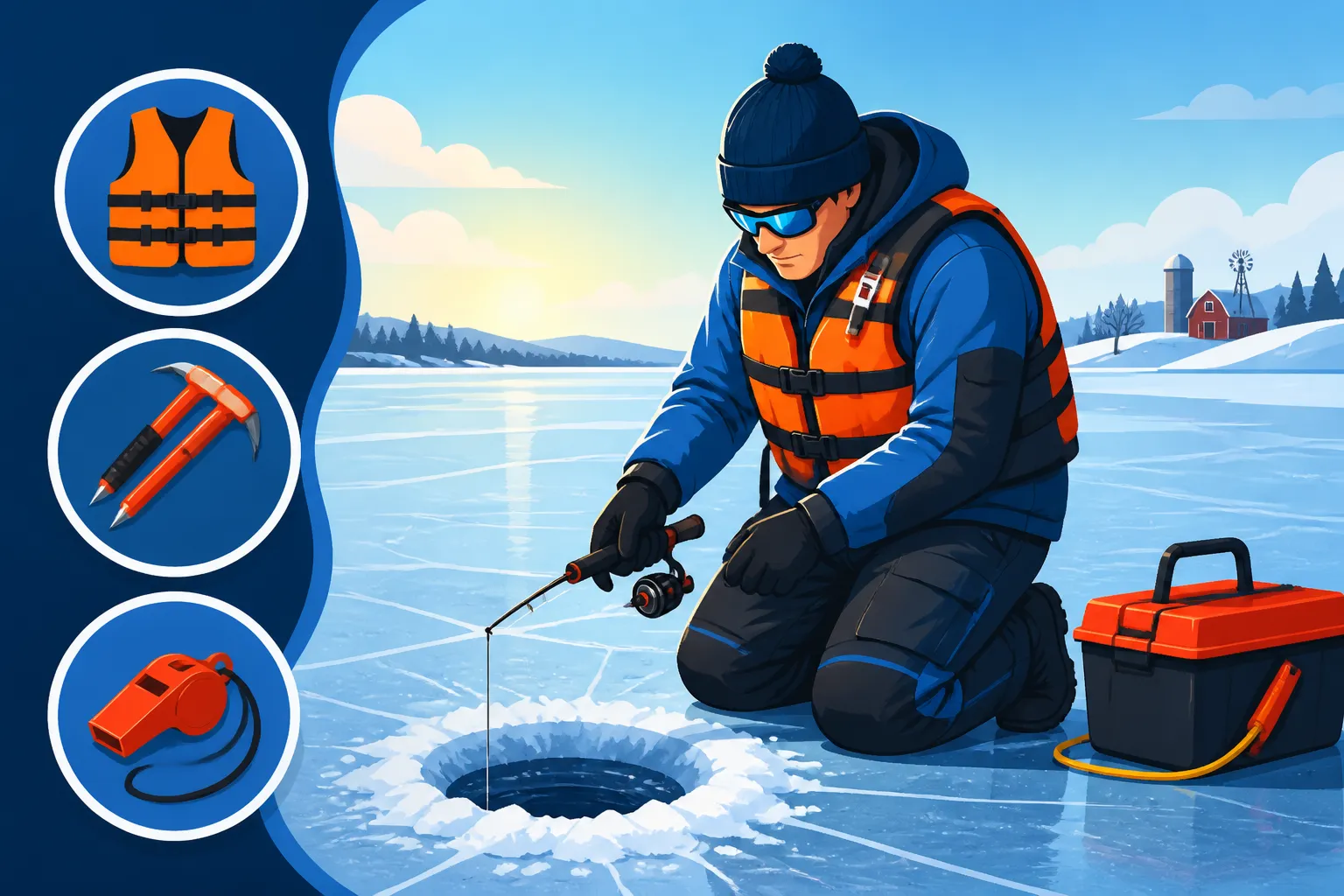
First and foremost, ice picks. These two simple, pointed tools on a lanyard around your neck are your lifeline if you break through the ice. They provide the grip you need to pull yourself out of the water. They are inexpensive and can be found easily on Amazon or at any sporting goods store. Wear them within easy reach, not tucked away in a pocket. Another non-negotiable item is a floating suit or a flotation-assist jacket. While they might feel a bit bulky, they offer crucial buoyancy and insulation if you end up in the frigid water.
A spud bar or ice chisel is another vital piece of safety equipment. Use it to test the ice ahead of you as you walk, especially when venturing onto new territory. One hard jab should reveal the ice thickness and stability. If it punches through easily, turn back. Lastly, a whistle can be invaluable for attracting attention if you're in distress and too cold to shout effectively. Many life vests or jackets come with one already attached. For a deeper dive into the necessary items, check out our guide on Ice Fishing Gear Basics for Beginners.
Communication Devices and Emergency Tools
In today's connected world, a charged cell phone is a must. Keep it in a waterproof bag or case, and ideally, store it in an inner pocket to keep the battery warm and functioning. Cold drains batteries quickly. Consider carrying a portable power bank, especially for longer trips or if you're using apps that consume a lot of power. Beyond your phone, a fully charged two-way radio can be a lifesaver if you're fishing with a group and cell service is spotty, which can often be the case in some of Iowa's more remote fishing locations.
Beyond communication, a basic emergency kit is prudent. This should include a first-aid kit, a headlamp with extra batteries (even if you don't plan to stay out late, conditions can change, or you might get disoriented), and a multi-tool. A small lighter or waterproof matches can be useful for starting a fire if you're stranded and need to warm up, though this is a last resort. Always have a designated "emergency bag" that contains these items, separate from your fishing tackle, so you know exactly where to grab them if trouble strikes.
Proper Clothing and Footwear for Extreme Cold
Staying warm and dry is paramount to ice fishing safety. Hypothermia is a silent killer, and it can set in surprisingly fast, even on days when the air temperature doesn't feel brutally cold. Layering is the key. Start with a moisture-wicking base layer (synthetics or wool, never cotton). Add an insulating middle layer, such as fleece or down. Your outer layer should be waterproof and windproof. A good quality ice fishing suit (jacket and bibs) is designed specifically for these conditions, offering both warmth and crucial flotation assistance.
Don't forget your extremities. A warm hat is essential, as a significant amount of body heat is lost through the head. Insulated, waterproof gloves or mittens are critical for maintaining dexterity and preventing frostbite. For your feet, choose insulated, waterproof boots with good traction. Combine them with wool socks, and consider bringing an extra pair. If your feet get wet, changing into dry socks immediately can prevent serious issues. Our article on What to Wear Ice Fishing in Iowa offers even more detail on specific garments and materials.
Pre-Trip Planning and On-Ice Best Practices
Preparation doesn't just happen on the ice; it starts long before you even leave your house. A well-planned outing is a safe outing. Being spontaneous can be fun for open-water fishing, but on the ice, it's a dangerous gamble. Treat every ice fishing trip like a mini-expedition, because in many ways, it is.
Checking Weather and Ice Reports
Before you even load your gear, check the local weather forecast thoroughly. Look beyond just the air temperature. Pay attention to wind chill, precipitation (snow can mask weak ice, rain can accelerate melt), and overnight lows. A significant warm-up, even for a day, can drastically impact ice integrity. Don't rely solely on one source; check multiple weather apps or websites for accuracy.
Equally important are ice reports. The Iowa DNR often provides updates on major lakes, and local bait shops are usually excellent sources of real-time, ground-level information. They know their local waters intimately and can tell you about specific hazards or recent changes. Online forums and local ice fishing groups on social media can also provide valuable insights, but always cross-reference information and err on the side of caution. Remember, no ice is 100% safe, and conditions can vary wildly even on the same body of water. Knowing When Ice Fishing Season Typically Starts in Iowa can help you gauge the general safety window, but localized reports are still vital.
Fishing with a Buddy and Informing Others
This is perhaps the simplest, yet most effective, safety rule: never ice fish alone. Always go with at least one other person. In an emergency, having a partner can be the difference between life and death. If one person falls through, the other can initiate a rescue or call for help. Plus, sharing the experience is half the fun!
Even if you're going with a group, it's crucial to inform someone back home of your plans. Tell them where you're going, the approximate route you'll take, and when you expect to return. This "float plan" allows someone to raise the alarm if you don't check in on time. This small step provides a vital safety net and ensures that if something goes wrong, help will eventually be sent your way. It’s a simple act of common sense that far too many anglers overlook.
Setting Up Your Fishing Area Safely
Once you're on the ice, how you set up your fishing spot matters for safety. Maintain a safe distance between your fishing holes, especially if you're using an auger. Too many holes too close together can weaken the ice structurally. If you're driving a vehicle onto the ice, park it far from other vehicles and ensure you have an easy exit route. Leave windows open slightly to prevent carbon monoxide buildup if you're running the engine for heat.
When using a portable or permanent ice shelter, ensure proper ventilation, especially if you're using a propane heater. Carbon monoxide is odorless and colorless, and it can be deadly. Portable CO detectors, easily found on Amazon, are a smart investment for any ice angler using a heater in an enclosed space. Finally, keep your fishing area tidy. Tripping hazards like ropes, extra gear, or fishing lines can lead to falls, especially in low light or on slippery ice.
Recognizing and Responding to Emergencies on the Ice
Even with the best preparation, accidents can happen. Knowing how to recognize dangerous situations and, more importantly, how to react, can save your life or the life of a friend. Panic is your biggest enemy; clear thinking and quick action are your best allies.
Identifying Warning Signs of Thin Ice
Your senses are your first line of defense. Pay attention to the sounds the ice makes – cracking, groaning, or booming sounds can be normal as ice expands and contracts, but loud, sharp cracks directly underfoot are a major red flag. Watch for visual cues: discoloration, especially darker spots, can indicate thinner ice. Slushy areas, often hidden under a layer of snow, are almost always weaker. Water bubbling up through cracks or holes also signals thinness.
Always be wary around shorelines, points, and areas near inlets or outlets where currents can thin the ice from below. The ice directly under bridges or culverts is often significantly weaker due to water flow. If you notice any of these signs, immediately stop, spread your weight by lying down (if safe), and slowly back away in the direction you came from, testing the ice with your spud bar as you go. Never run on questionable ice. For specific hazards at popular spots like the Iowa Great Lakes, local knowledge is key.
Self-Rescue Techniques and How to Help Others
If the unthinkable happens and you break through the ice, your immediate reaction is crucial. First, yell for help! Don't panic. Keep your arms out on the ice surface, if possible, to prevent yourself from going completely under. Turn yourself in the direction you came from, as that's usually where the ice was most recently solid. Using your ice picks, vigorously kick your feet to propel yourself onto the ice, pulling with your arms. Once you're out, don't stand up. Roll away from the hole, spreading your weight, until you're on solid ice, then crawl to safety.
If someone else breaks through, resist the urge to rush towards them. Your priority is to avoid becoming a second victim. Call 911 immediately. Then, from a safe distance, use any available rescue device: a rope, a long branch, a ladder, or even a spare fishing auger. Lie flat on your stomach to distribute your weight, and push or throw the rescue device to the victim. Once they grab it, pull them to safety. Our guide on Ice Fishing in Iowa covers various scenarios and safety tips that can be invaluable in these situations.
First Aid and Hypothermia Preparedness
After any immersion in cold water, or prolonged exposure to cold temperatures, the primary concern is hypothermia. Symptoms range from shivering, confusion, slurred speech, and clumsiness in mild cases, to loss of consciousness in severe cases. Every ice angler should have a basic understanding of first aid for cold-weather injuries.
Always carry a change of dry clothes in a waterproof bag. If someone gets wet, get them into dry clothing as quickly as possible. Provide warm, non-alcoholic drinks (avoid caffeine, which can dehydrate). Use blankets, sleeping bags, or even a survival blanket (often included in Amazon-bought emergency kits) to warm them slowly. Seek immediate medical attention for anyone showing signs of moderate to severe hypothermia. Frostbite is another concern, affecting extremities like fingers, toes, ears, and nose. Protect these areas with proper clothing, and if frostbite occurs, seek medical help. Do not rub the affected area; warm it gently.
Special Considerations for Specific Iowa Waters
Iowa offers a diverse range of fishing opportunities, but not all frozen waters are created equal when it comes to safety. The type of water body significantly influences ice formation and hazards. Being aware of these differences can help you make safer decisions about where and when to fish.
River Ice vs. Lake Ice Key Differences
Fishing on frozen rivers like the Des Moines River or portions of the Mississippi River presents unique challenges compared to tranquil lakes. Rivers have currents, and currents mean constantly thinning ice, even in prolonged cold. Ice will often be thinnest over faster-moving water and deepest in slow-moving backwaters or oxbows. The current can also create unstable "shelf ice" along the banks, where the ice extends out over open water.
Always be extra cautious around wing dams, eddies, and other structures that disrupt current flow, as these areas often have unpredictable ice conditions. The water near lock and dam systems on the Mississippi River, for instance, is notoriously dangerous due to constant fluctuations in water levels and strong currents. Never assume a river is safe just because a lake nearby is. Each river section needs careful, continuous assessment. Even small streams in northeast Iowa popular for trout fishing can have varying ice stability due to flowing water, so while less common for ice fishing, extreme caution would still be advised.
Navigating Popular Iowa Ice Fishing Lakes
Many of Iowa's larger, popular lakes offer fantastic ice fishing but also demand specific attention to safety. Lakes like Clear Lake, West Okoboji Lake, and Spirit Lake in the Iowa Great Lakes region can develop thick, reliable ice, but they are also vast, exposed to wind, and can have varying depths that affect ice growth. Wind can create "pressure ridges" or cracks in the ice, which might then refreeze, but they remain weaker spots. Knowing Are the Iowa Great Lakes Good for Ice Fishing? often means knowing their unique safety quirks.
Smaller, shallower lakes and ponds, while sometimes freezing earlier, can also thaw faster. Farm ponds are often a good bet for early and late-season ice, but their ice is still subject to the same rules of thickness and stability. Aeration systems in some urban ponds can create dangerously thin or open water. Always check with local authorities or bait shops about any aeration systems on the water you plan to fish. When venturing onto any new body of water, start by observing where other anglers are, but then proceed with your own careful checks. Never blindly follow tracks or assume someone else has done all the safety work for you.
| Ice Thickness (Clear, New Ice) | Activity Level | Additional Notes |
|---|---|---|
| Less than 4 inches | Stay Off! | Extremely dangerous. Do not venture onto ice this thin for any reason. |
| 4 inches | Foot Travel | Minimum for walking and ice fishing. Spread out weight, use spud bar. |
| 5-7 inches | Snowmobile/ATV | Minimum for single snowmobile or ATV. Maintain distance from others. |
| 8-12 inches | Small Car | Minimum for small cars/pickups. Check carefully, avoid deep snow areas. |
| 12-15 inches | Medium Truck | Preferred for medium vehicles. Park far apart, check regularly. |
| 15+ inches | Large Truck | Generally safe for larger trucks. Still exercise caution and check. |
Note: These are guidelines for clear, new ice. White ice (snow ice) is approximately half as strong. Ice strength can vary due to currents, springs, weather, and submerged objects.
Disclaimer
The information provided in this guide is for general informational purposes only and does not constitute professional advice. Ice conditions are highly unpredictable and can change rapidly. Always exercise extreme caution, use your best judgment, and prioritize your safety above all else. Consult with local authorities, experienced anglers, and the Iowa Department of Natural Resources for the most current and specific safety information regarding ice fishing on Iowa waters. Fishing carries inherent risks, and individual responsibility for safety is paramount.