Trout Fishing Techniques for Iowa Streams
If you've ever dreamt of casting a line into a crystal-clear stream, surrounded by the quiet beauty of nature, only to feel utterly overwhelmed by where to start when it comes to trout fishing in Iowa, you're not alone. Many anglers find the diverse techniques and specific nuances of trout fishing a bit daunting. This comprehensive guide is here to demystify the art and science of catching trout in Iowa's beautiful waters, offering practical tips and proven strategies to help you succeed.
Understanding Iowa's Trout Streams and Regulations
Before you even think about rigging a rod, it's absolutely crucial to understand the unique environment of Iowa's trout streams and the rules that govern them. Iowa might not be the first state that comes to mind for trout fishing, but our Northeast Iowa region, in particular, boasts a surprising number of coldwater streams that are actively managed and stocked by the Iowa Department of Natural Resources (DNR). These streams are fragile ecosystems, and respecting them, along with the regulations, ensures they remain vibrant for generations of anglers to come.
Types of Iowa Trout Waters
Iowa's trout fishing opportunities are primarily concentrated in the northeastern corner of the state, where coldwater spring creeks tumble through limestone bluffs. These are generally classified into three main types. First, we have the "put-and-take" streams, which are heavily stocked with catchable-sized rainbow and brook trout, especially during spring and fall. These spots are fantastic for beginners and families looking for consistent action, as the fish are often quite eager to bite shortly after stocking. They offer a great introduction to the sport without the immediate pressure of chasing wild, elusive fish.
Next are the "catch-and-release" streams, often designated as such to protect and encourage wild trout populations. While these might also receive some stocking, the emphasis here is on responsible angling, using barbless hooks, and minimizing stress on the fish. These streams often hold more challenging, but incredibly rewarding, experiences with wary brown trout that have survived multiple seasons. Finally, some streams are managed for "naturally reproducing" trout, usually brown trout. These are the most pristine and sensitive areas, where fish are born and grow entirely within the stream system. Fishing these waters requires a deeper understanding of trout behavior and extreme care to preserve their habitat. For a detailed list of these fantastic spots, you might want to check out our guide on Trout Fishing Streams in Northeast Iowa.
Essential Licensing and Fees
One of the most common oversights for new trout anglers is understanding the specific licensing requirements. It's not just about having a general Iowa fishing license; for trout, there's an additional step. Every angler, regardless of age, needs an Iowa fishing license if they are 16 years or older. This is your basic entry ticket to all fishing in the state. However, if you specifically plan to target trout, you'll also need to purchase an Iowa trout fee. This is often referred to as a "trout stamp," though it's typically an endorsement on your license rather than a physical stamp these days. This fee goes directly towards funding the DNR's robust trout stocking program and stream habitat improvement projects, which are vital for maintaining our trout fisheries.
It's a small investment that makes a big difference. Children under 16 years of age do not need a general fishing license, but if they are fishing for trout, they do need the trout fee endorsement. There are also specific exemptions, like during Iowa's annual Free Fishing Weekend, where neither a license nor a trout fee is required. But for regular fishing, always make sure you're properly licensed and have that trout fee endorsement. You can find comprehensive details about these requirements in our Iowa Fishing License Guide and specifically about the additional cost in our Iowa Trout Fishing Fee and Stamp Guide. Always carry your license and trout fee proof with you when fishing, as wardens do check.
Essential Gear for Iowa Trout Anglers
Stepping into the world of trout fishing can feel like entering a tackle shop labyrinth. There's so much specialized gear out there, it's easy to get bogged down trying to figure out what you truly need versus what's just "nice to have." The truth is, while you can certainly invest a lot, you don't need to break the bank to get started. The key is to select reliable, appropriate gear that matches the size of Iowa's streams and the often-wary nature of the trout.
Rods, Reels, and Line Selection
For spin fishing, a lightweight spinning rod, typically 5 to 6.5 feet long with a fast or ultralight action, is ideal. This length gives you enough casting distance on smaller streams while retaining sensitivity to feel subtle bites from trout. Pair it with a small spinning reel (like a 500 or 1000 series) spooled with 2 to 4-pound test monofilament or fluorocarbon line. Monofilament is a bit more forgiving for beginners, with some stretch, while fluorocarbon offers excellent sensitivity and is nearly invisible in water, which can be a huge advantage with skittish trout. Many anglers buy excellent quality rods and reels for this purpose from reputable brands through online retailers like Amazon, ensuring they get durable gear for the Iowa streams.
If you're delving into fly fishing, the setup is a bit different. A 7.5 to 9-foot fly rod in a 3-weight or 4-weight is generally perfect for Iowa's streams. These lighter weights are delicate enough to present small flies naturally and have enough backbone to handle a good-sized trout in moving water. Match your rod with a corresponding weight-forward floating fly line and a 7.5 to 9-foot tapered leader, often ending in a 4x to 6x tippet. This leader and tippet combination allows for stealthy presentations and helps turn over your fly effectively. For more specifics on assembling your fly fishing setup, our article on Best Fly Rod Setup for Trout offers excellent insights.
Wading Gear and Apparel
Wading is almost synonymous with trout fishing in Iowa's streams, as getting into the water often allows for better casting angles, quieter approaches, and access to prime fish-holding lies that are otherwise unreachable from the bank. A good pair of waders is a game-changer, keeping you dry and comfortable in chilly water. Chest waders are highly recommended over waist-high models, offering versatility for deeper crossings and protection against splashes. Look for breathable waders, especially for warmer weather, to prevent overheating. Neoprene waders are fantastic for cold weather but can be stifling when it's mild.
Don't forget wading boots! These provide critical traction on slippery rocks and uneven stream bottoms, preventing slips and falls. Felt soles were once popular but are increasingly restricted due to concerns about spreading invasive species, so rubber soles with good grip patterns or studs are a safer, more environmentally conscious choice. You'll also want to layer your clothing appropriately; even on a warm day, the water can be cold. A moisture-wicking base layer, a fleece mid-layer, and a waterproof outer shell are usually a good combination. Always remember a hat for sun protection and polarized sunglasses to cut glare and help you spot fish or structure under the water. For more detailed advice on keeping dry and safe, consult our guide on Best Waders for Iowa Trout Stream Fishing.
Essential Accessories
Beyond the main gear, a few accessories can significantly enhance your trout fishing experience and help you practice ethical angling. A small tackle box or vest for spin fishing, or a chest pack or vest for fly fishing, will keep your lures, flies, leaders, and tools organized and easily accessible. Forceps or hemostats are indispensable for quickly and safely removing hooks from a trout's mouth, minimizing harm. Snips or clippers for cutting line are also a must-have.
Perhaps one of the most important accessories, especially for catch-and-release, is a good landing net. A net with a rubberized or knotless mesh is preferred because it's much gentler on the fish's delicate fins and slime coat, which is their primary defense against disease. Using a net helps you quickly subdue the fish and keep it in the water while you remove the hook and prepare for release, reducing stress. Our article on Best Net for Landing Trout can guide you to the right choice. Finally, carry a small first-aid kit, a water bottle, and a snack, especially if you plan on hiking into more remote stream sections. A small multi-tool can also save the day for unexpected repairs.
Mastering Spin Fishing Techniques for Iowa Trout
Spin fishing is an incredibly effective and often overlooked method for catching trout in Iowa's streams. It's accessible to anglers of all skill levels and allows for a wide variety of presentations, from natural baits to artificial lures. The key to success lies in understanding how trout behave in moving water and then presenting your offering in a way that looks utterly irresistible.
Natural Bait Presentations
When it comes to natural baits, trout can be surprisingly picky, but often, nothing beats a well-presented live offering. Worms, particularly small red wigglers or nightcrawlers (often cut into smaller, trout-sized pieces), are perennial favorites. You can fish them on a small hook (size 8-12) with a tiny split shot or two placed a foot or so above, allowing the bait to drift naturally along the stream bottom. Focus on drifting your bait through current seams, around submerged logs, or into deeper pools where trout like to hold. The goal is a completely natural, drag-free drift that mimics a loose worm washed downstream.
Another highly effective natural bait is corn, especially for recently stocked trout. The bright color and distinct scent often trigger a strike. A single kernel or two on a small hook can be drifted or still-fished in slower pools. PowerBait, in its various forms (dough, nuggets), is another excellent artificial bait that mimics fish eggs or other trout food sources. It floats, so it's often fished off the bottom with a small sinker on a leader, allowing it to suspend at a trout's eye level. A popular setup for PowerBait is a sliding sinker rig with a very short leader, letting the trout take the bait without feeling the weight of the sinker. Experiment with different colors and scents; often, rainbow, chartreuse, or even white can be surprisingly effective.
Artificial Lure Tactics
Artificial lures offer a more active and dynamic approach to trout fishing. Small inline spinners, like those from Panther Martin or Mepps, are incredibly popular and effective. Their spinning blade creates flash and vibration that imitate small baitfish or aquatic insects, drawing aggressive strikes. Cast them upstream and retrieve just fast enough to get the blade spinning, allowing the current to help carry them downstream. Vary your retrieve speed and depth until you find what triggers a bite. Silver, gold, and brass blades with a touch of bright color (like orange or red) are often productive.
Spoons, like a Kastmaster or a Little Cleo, are another excellent option. These lures flutter and wobble on the retrieve, mimicking injured baitfish. They can be cast and retrieved, or jigged in deeper pools. Their weight allows for long casts, which can be beneficial on wider stream sections. Small stickbaits or crankbaits that imitate minnows can also be deadly, especially for larger, more predatory brown trout. Brands like Rapala offer tiny versions that are perfect for stream trout. Cast them across current or slightly upstream, and retrieve with a twitching motion to give them an erratic, lifelike action. Again, you can find a vast selection of these effective lures on Amazon, making it easy to stock your tackle box. Always match the size of your lure to the size of the forage fish in the stream, generally keeping them quite small (1/16 to 1/8 ounce) for Iowa trout.
Delving into Fly Fishing for Iowa Trout
Fly fishing for trout in Iowa's small, intimate streams offers a profoundly rewarding experience, connecting you directly with the subtle rhythms of the water and the insects that sustain trout life. It requires a different skillset than spin fishing, emphasizing presentation, stealth, and an understanding of entomology. While it has a reputation for being difficult, with a little practice, anyone can learn to effectively present a fly to an Iowa trout.
Dry Fly Presentations
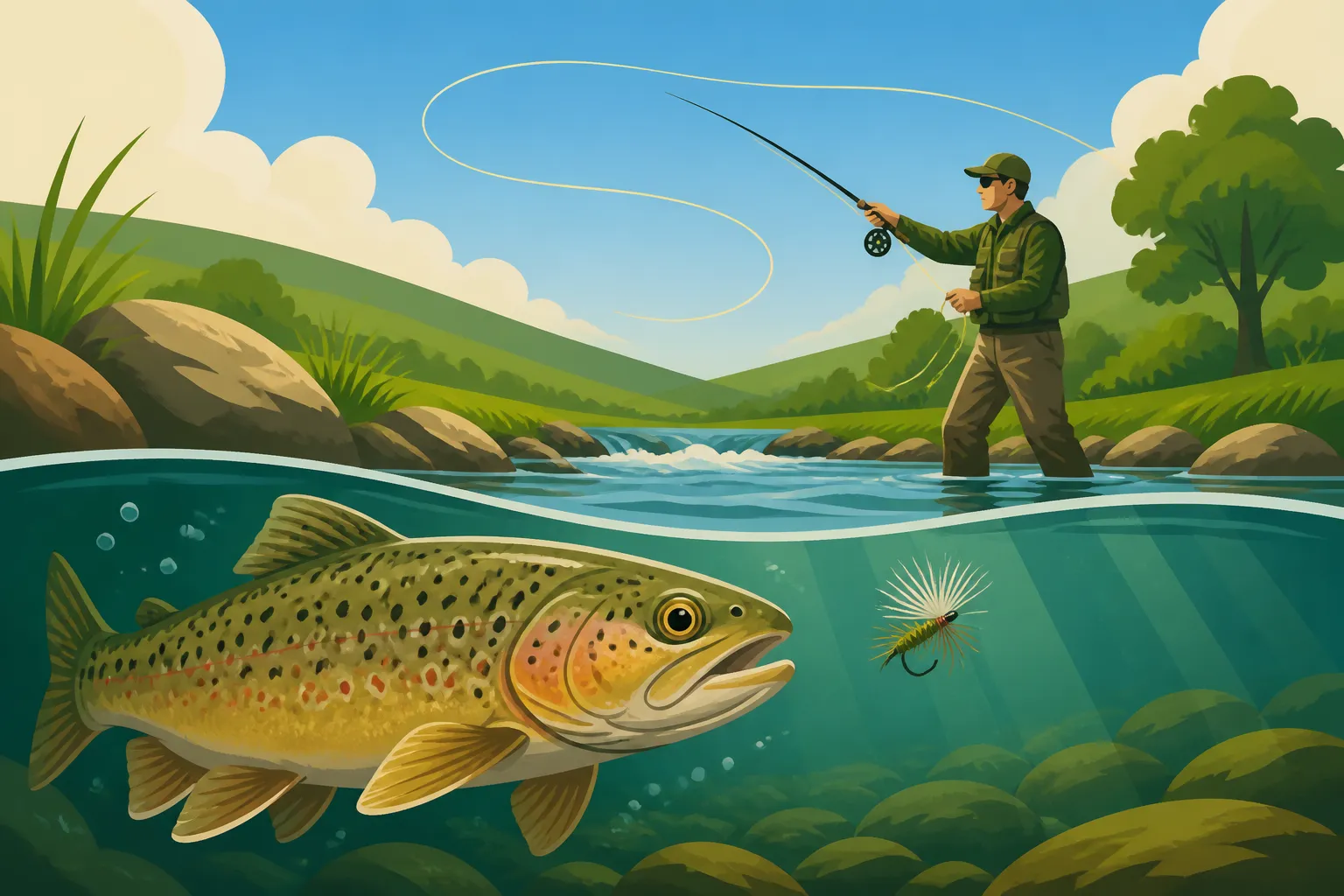
Dry fly fishing is arguably the most iconic and visually exciting form of fly fishing. It involves presenting an imitation of an adult insect that has landed on the water's surface, hoping a trout will rise to sip it. The key to success with dry flies is achieving a "drag-free drift," meaning your fly floats naturally on the current, exactly as a real insect would, without any drag from your line or leader pulling it unnaturally. This often means casting upstream or up-and-across the current, allowing the fly to drift freely into potential feeding lanes.
Common dry fly patterns for Iowa include various Caddis and Mayfly imitations, especially during hatches, as well as attractor patterns like a Parachute Adams or an Elk Hair Caddis that can imitate a range of insects. Pay close attention to the water: if you see trout consistently rising to the surface, try to match the size, shape, and color of the insects they are eating. Stealth is paramount; trout have excellent eyesight, and a heavy-footed approach or a sloppy cast can easily spook them. Positioning yourself downstream of where you expect fish to be, and casting upstream, can minimize your visibility to the trout.
Nymphing Techniques
While dry fly fishing gets all the glory, nymphing is often the most productive fly fishing technique for Iowa trout, as fish spend the vast majority of their time feeding on subsurface insects. Nymphs are imitations of the larval or juvenile stages of aquatic insects, which live on the streambed. Effective nymphing involves getting your fly down to the fish's feeding level, often near the bottom, and achieving a drag-free drift. This can be done with a strike indicator (a small bobber-like device) placed on your leader to detect subtle bites, or through a technique called "tight-line nymphing" (also known as Euro Nymphing), where you use a specialized leader and keep a direct connection to your flies without an indicator. For more on this, check out Nymphing Techniques for Iowa Trout Streams.
Popular nymph patterns include Hare's Ear, Pheasant Tail, Prince Nymph, and various Scud and Caddis larva imitations. The weight of your nymph, or the addition of small split shot, is crucial to getting it to the right depth. You want the nymph to tumble naturally along the bottom, occasionally ticking a rock, but not dragging unnaturally. Detecting a strike when nymphing can be challenging, as it often feels like a subtle pause or twitch of your indicator or line. Any unnatural movement of your indicator, or a slight hesitation, should prompt a gentle but firm hook set. Fishing two nymphs at different depths (a "dry-dropper" rig where a dry fly acts as an indicator, or a two-nymph rig) can also be highly effective.
Advanced Strategies for Tricky Iowa Trout Waters
Once you've mastered the basics, you'll inevitably encounter situations where the trout seem to have lockjaw, or the conditions are simply tough. This is where advanced strategies and a deeper understanding of trout behavior really pay off. Iowa's trout streams, particularly those with wild populations, can present unique challenges that require a more nuanced approach.
Reading the Water Like a Pro
The ability to "read the water" is perhaps the most critical skill for any successful trout angler. It means understanding how current, depth, and structure interact to create prime holding and feeding lies for trout. Trout are efficient predators; they want to expend minimal energy while having access to a conveyor belt of food. Look for current seams where fast and slow water meet, as insects accumulate here, and trout can sit in the slower water waiting to dart out. Deeper pools, especially those with overhead cover like fallen logs or undercut banks, are classic trout hideouts, offering protection from predators and strong currents.
Riffles, the shallower, faster-moving sections, are often ignored by less experienced anglers, but they can be incredibly productive, especially during hatches, as fish will move into these oxygen-rich areas to feed. The key is to look for changes in the streambed – rocks, gravel beds, sudden drops, or even subtle depressions. Any irregularity that disrupts the current or provides cover can hold a trout. During bright, sunny days, trout will often hug the shadows or deeper, cooler water. In overcast conditions or low light, they might move into shallower, more open feeding lanes. Your success will drastically improve when you consciously analyze the water and visualize where a trout might be holding.
Stealth and Presentation Precision
Iowa's trout streams, being relatively small and often clear, demand a high level of stealth. Trout are incredibly wary and will spook at the slightest disturbance. Avoid wearing bright clothing, move slowly and deliberately, and try to keep a low profile, using stream banks and vegetation for cover. Walking heavily on the bank or wading carelessly can send vibrations through the water, alerting fish for yards around. Sometimes, kneeling or even crawling into position for a cast is necessary to avoid detection.
Presentation precision goes hand-in-hand with stealth. This means not only placing your fly or lure accurately but also ensuring it drifts naturally. For spin anglers, this involves precise casting to hit pockets and seams without splashing excessively. For fly anglers, it means perfecting your cast to avoid "splatting" the fly, and continually mending your line to achieve that perfect drag-free drift. False casts should be minimized to reduce disturbance. When fishing upstream, try to cast just beyond your target and let the current bring your offering back to the fish. When fishing downstream, be mindful of your shadow and any line drag. Every element of your approach, from how you walk to how you cast, impacts your chances.
Matching the Hatch and Beyond
The concept of "matching the hatch" is central to fly fishing success, but it's also a valuable mindset for spin anglers. It means identifying the insects that are currently active and available to the trout, and then using a fly or lure that imitates them. This requires observation: look for insects flying around, shucks on the water's surface, or trout rising to specific insects. A small net can help you capture and identify aquatic insects. Having a small collection of common Iowa fly patterns, from mayflies and caddis to midges and scuds, will allow you to adapt.
However, sometimes trout can be opportunistic, or there might not be a prominent "hatch" occurring. This is where "attractor patterns" come into play. These are flies or lures that don't precisely imitate any single insect but rather grab a trout's attention through their color, flash, or movement. Woolly Buggers (a fly pattern that imitates leeches or baitfish), small brightly colored spinners, or even unconventional bait like cheese (where legal) can sometimes trigger strikes when trout are ignoring traditional imitations. Don't be afraid to experiment, especially if your usual tactics aren't working. Sometimes, a subtle change in color or size can make all the difference.
Seasonal Considerations for Iowa Trout Fishing
Trout fishing in Iowa is a year-round affair, thanks to the DNR's dedicated stocking program, but each season presents its own unique challenges and rewards. Understanding how trout behavior changes with water temperature, insect activity, and weather patterns is crucial for consistent success. Being prepared for the conditions will give you a significant edge.
Spring Trout Fishing
Spring is arguably the most popular time for trout fishing in Iowa, and for good reason. As snow melts and temperatures begin to rise, the streams come alive with insect activity, and trout become very active feeders. This is when the Iowa DNR really ramps up its stocking efforts, especially in the "put-and-take" streams. Freshly stocked rainbow trout are often eager to bite, making it an excellent time for beginners and families. Our Iowa Spring Trout Stocking Strategy details how the DNR works to keep these streams flush with fish.
Early spring can still see quite cold water, making nymphs and even small streamers (fly fishing) or worms and PowerBait (spin fishing) very effective, as trout are often still hugging the bottom. As the days warm up, look for hatches of caddisflies and various mayflies, which will bring trout to the surface for dry fly action. Spring rains can cause water levels to rise and become a bit murky, which can sometimes turn trout off, but other times can make them more aggressive, especially for natural baits or brightly colored lures. Be mindful of stream flows and safety during periods of high water.
Summer Trout Fishing
Summer in Iowa can be challenging for trout fishing due to rising water temperatures. Trout are coldwater fish and become stressed when water temperatures climb above the mid-60s Fahrenheit. During this time, it's best to focus your efforts on the cooler, spring-fed streams, and fish during the cooler parts of the day – early mornings and late evenings. Midday summer sun can push trout deep into cover, or even cause them to stop feeding altogether. Look for spring sources or deep, shaded pools where water temperatures remain stable.
Nymphing is often the most consistent technique during summer, as trout tend to stay deep where the water is coolest. Tiny dry flies, like midges or small caddis, can also be effective during sporadic hatches. Spin anglers should focus on small, subtle presentations with natural baits or small, dark-colored lures that don't splash heavily. This is also a critical time to practice catch-and-release with extreme care, minimizing handling time and keeping the fish in the water as much as possible. Consider avoiding fishing altogether if water temperatures are consistently high, as the stress on the fish can be lethal.
Fall and Winter Trout Fishing
Fall is another prime season for trout fishing in Iowa. As air temperatures drop, stream temperatures cool down significantly, invigorating the trout and often leading to fantastic fishing. This is a time of increased insect activity, including some larger mayfly and caddisfly hatches, and brown trout, in particular, become very aggressive as they prepare for spawning. The vibrant fall foliage also adds to the beauty of the experience. The Iowa DNR continues its stocking efforts through the fall, making it another excellent "put-and-take" season. You can learn more about this period in our Iowa Fall Trout Stocking Strategy.
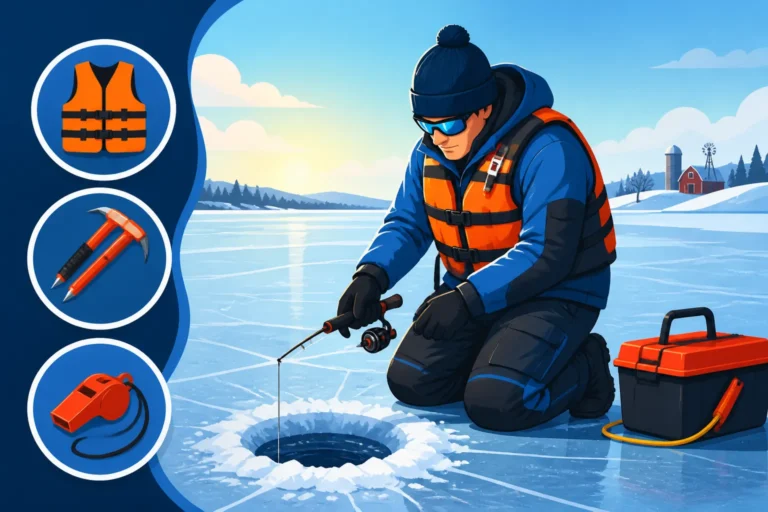
Winter fishing, particularly ice fishing in community trout ponds or open water fishing on streams that don't freeze solid, can be incredibly productive for those brave enough to face the cold. Trout are still active, though their metabolism slows, meaning they may not move far for food. Slow, deep presentations with nymphs or small, weighted lures are often key. Patience is a virtue in winter. On milder winter days, you might even see a sporadic midge hatch, bringing a few trout to the surface. Always prioritize safety and be aware of changing weather and ice conditions. Remember that How Long Iowa's Trout Season Lasts is technically year-round, but conditions vary wildly.
Beyond the Catch: Handling and Releasing Trout Responsibilities
Catching a trout is an exciting moment, but the responsibility of an angler extends far beyond the hook set. Ethical handling and proper release techniques are paramount, especially in Iowa's managed trout streams, to ensure the health and survival of the fish for future generations. Respect for the resource is key to being a responsible angler.
Proper Catch and Release Techniques
If you plan to release a trout, minimizing stress and physical harm is your top priority. The first step is to use appropriate gear: barbless hooks are highly recommended, as they can be removed much more easily and quickly than barbed hooks. If you only have barbed hooks, you can crimp down the barb with a pair of pliers. When a fish is hooked, try to land it as quickly as possible, avoiding a prolonged fight that can exhaust it.
Once landed, keep the trout in the water as much as you can. If you need to remove it from the water for a quick photo, do so gently and quickly, supporting its body horizontally with wet hands. Never squeeze a trout or hold it vertically by its jaw or tail, as this can cause internal damage. Use forceps or hemostats to carefully remove the hook. If the fish is deeply hooked, it's often best to cut the line as close to the hook as possible rather than tearing tissue trying to extract it. To release, gently hold the fish upright in the current, allowing water to flow over its gills until it regains its strength and swims away on its own. Don't simply toss it back into the water. Knowing How Soon After Stocking You Can Catch Trout is useful, but remember these fish still deserve respectful handling.
Cleaning and Preparing Your Catch
If you decide to keep trout for the dinner table, proper care after the catch is essential to ensure the best possible flavor and quality. The moment you decide to keep a fish, you should dispatch it humanely and immediately. A quick, sharp blow to the head with a priest or blunt object is usually effective. Then, bleed the fish by cutting the gills; this improves the flesh quality by removing blood from the meat.
Once bled, it's crucial to keep your trout cold. Place them on ice or in a cooler immediately. Warm temperatures degrade fish meat quickly. When you get home, clean your trout promptly. This typically involves gutting the fish, removing the gills and any internal organs. You can scale the fish or, as many prefer for trout, simply leave the skin on for cooking, as it crisps up nicely. Rinse the fish thoroughly, pat it dry, and then either cook it immediately or store it in the refrigerator for a day or two, or freeze it for longer-term storage. There are many delicious ways to prepare fresh trout, from simple pan-frying to baking with herbs and lemon.
Common Mistakes and How to Avoid Them
Even seasoned anglers make mistakes, and trout fishing, with its nuanced techniques and sensitive environments, offers plenty of opportunities for error. Being aware of common pitfalls can help you learn faster and have more successful, enjoyable outings on Iowa's trout streams. Learning from others' missteps is often the quickest path to improvement.
Ignoring Regulations and Etiquette
Perhaps the most critical mistake is overlooking or simply ignoring the specific regulations for Iowa trout fishing. This isn't just about avoiding a fine; it's about respecting the hard work the DNR puts into managing these fisheries and ensuring their sustainability. Always check the current Iowa fishing regulations booklet or the DNR website before you go, as rules can change. Pay particular attention to daily bag limits for trout species, any special length limits, and gear restrictions on specific streams (e.g., artificial lures only, or catch-and-release only sections). Understanding your Iowa Fishing Regulations Explained is key.
Beyond the written rules, remember stream etiquette. Be respectful of other anglers; give them space, especially if they are actively fishing a run. Don't crowd someone's fishing spot. If you're wading, avoid stirring up the streambed unnecessarily, as this can muddy the water and spook fish for those downstream. Pack out everything you pack in, and leave no trace. Be courteous to landowners if you're accessing public waters via private property. A little consideration goes a long way in fostering a positive fishing community.
Improper Line Management and Drifting
One of the biggest struggles for both spin and fly anglers, especially newcomers, is poor line management. For spin anglers, this can manifest as too much slack in the line, which makes it hard to feel subtle bites and results in missed hook sets. For fly anglers, it's often about not mending the line properly, leading to unnatural "drag" on the fly that screams "fake!" to a wary trout. Trout in Iowa's clear streams are incredibly sensitive to an unnatural presentation.
To avoid this, always strive for minimal slack line while still allowing your bait or lure to drift naturally. For spin fishing, keep your rod tip pointed towards your lure, reeling in just enough slack to maintain contact without pulling the lure unnaturally. For fly fishing, practice your mending skills – flipping sections of your line upstream to counteract the varying current speeds and keep your fly drifting perfectly. It takes practice, but mastering the drag-free drift is a game-changer for trout success.
Lack of Observation and Adaptation
Many anglers make the mistake of sticking to one technique or one spot, even when it's clearly not working. Trout fishing demands constant observation and a willingness to adapt. If you're not getting bites after 15-20 minutes in a prime-looking spot, don't just keep casting the same lure in the same way. Why aren't they biting? Are there bugs hatching that you're not imitating? Is your bait drifting too fast or too slow? Are the fish deeper or shallower than you thought?
Take a moment to observe the water, look for rises, scan the banks for insects, or even just watch the behavior of your bait or fly. Try changing your lure color, size, or type. Switch from a dry fly to a nymph, or from a spinner to a worm. Move to a different section of the stream that has a different current speed or depth. The trout's mood, the water conditions, and the available food sources are constantly changing, and the most successful anglers are those who can quickly diagnose the situation and adjust their tactics accordingly.
| Technique/Bait Type | Best for… | Presentation Notes | Pros | Cons |
|---|---|---|---|---|
| Spin Fishing | ||||
| Worms (Live) | All Trout | Natural drift, light split shot | Very effective, readily available | Can be messy, fish swallow deeper |
| PowerBait | Stocked Trout | Suspended off bottom with sinker | Bright colors attract, easy to use | Less effective for wild trout |
| Inline Spinners | Aggressive Trout | Cast upstream, slow retrieve | Flash and vibration attract strikes | Can cause line twist if not careful |
| Small Crankbaits | Larger Trout | Twitching retrieve across current | Imitates baitfish, good for cover | Can snag easily in shallow water |
| Fly Fishing | ||||
| Dry Flies | Rising Trout | Drag-free drift on surface | Visually exciting, stealthy | Requires specific hatches, difficult in wind |
| Nymphs | Subsurface Feeders | Drag-free drift near bottom with indicator | Most consistent, year-round effectiveness | Subtle bites, requires weight management |
| Streamers | Predatory Trout | Strip retrieve, erratic action | Targets larger fish, versatile | Can be exhausting to cast repeatedly |
Disclaimer
The information provided in this guide is for general informational purposes only. Fishing regulations in Iowa are subject to change by the Iowa Department of Natural Resources (DNR). It is the responsibility of every angler to consult the most current Iowa fishing regulations manual or the Iowa DNR website before fishing. Always prioritize safety, ethical angling practices, and respect for our natural resources.