Is East Okoboji Good for Panfish?
It can be incredibly frustrating to head out to a new lake, especially one as large and storied as East Okoboji, only to wonder if your target species is even present or if you’re just wasting your time. When it comes to panfish, many anglers wonder if East Okoboji lives up to its reputation for these feisty, delicious little fighters. This guide is here to tell you that not only is East Okoboji excellent for panfish, but it also offers a diverse range of species and opportunities if you know where to look and what techniques to use.
Why East Okoboji Shines for Panfish Anglers
East Okoboji Lake, part of the magnificent Iowa Great Lakes chain, often gets overshadowed by its deeper, clearer cousin, West Okoboji. However, for panfish enthusiasts, East Okoboji presents a unique and incredibly productive fishery that many seasoned locals cherish. Its characteristics make it a prime habitat for a variety of panfish, providing ample opportunities for both recreational anglers and those looking to fill a cooler.
The Lake's Layout and Habitat Advantages
East Okoboji is significantly shallower and tends to warm up faster than West Okoboji, which creates an ideal environment for panfish to thrive. The lake boasts a diverse range of habitats, from extensive weed lines and emergent vegetation along its shallower bays and shorelines to numerous docks, rock piles, and subtle depth changes. These features provide crucial cover, food sources, and spawning grounds for species like crappie, bluegill, yellow bass, and perch. The abundant forage base, including various insect larvae and small baitfish, further supports healthy panfish populations. If you're planning a trip, looking into a detailed East Okoboji Lake Fishing Guide can give you even more insights into its unique structure.
Consistent Stocking and Management Efforts
The Iowa Department of Natural Resources (DNR) actively manages East Okoboji to ensure sustainable and robust fish populations. While stocking efforts often focus on larger game fish like walleye, the health of the panfish populations is closely monitored, benefiting from general ecosystem management and habitat preservation. The DNR’s commitment to maintaining a balanced fishery means that panfish populations are generally healthy and resilient, offering consistent fishing throughout the year. These ongoing efforts contribute significantly to why the lake remains a go-to destination for panfish anglers.
Panfish Species You'll Find in East Okoboji
East Okoboji is a panfish paradise, hosting several popular species that offer different challenges and rewards. Understanding each species' preferences and habits is key to a successful day on the water.
Crappie: Black and White Varieties
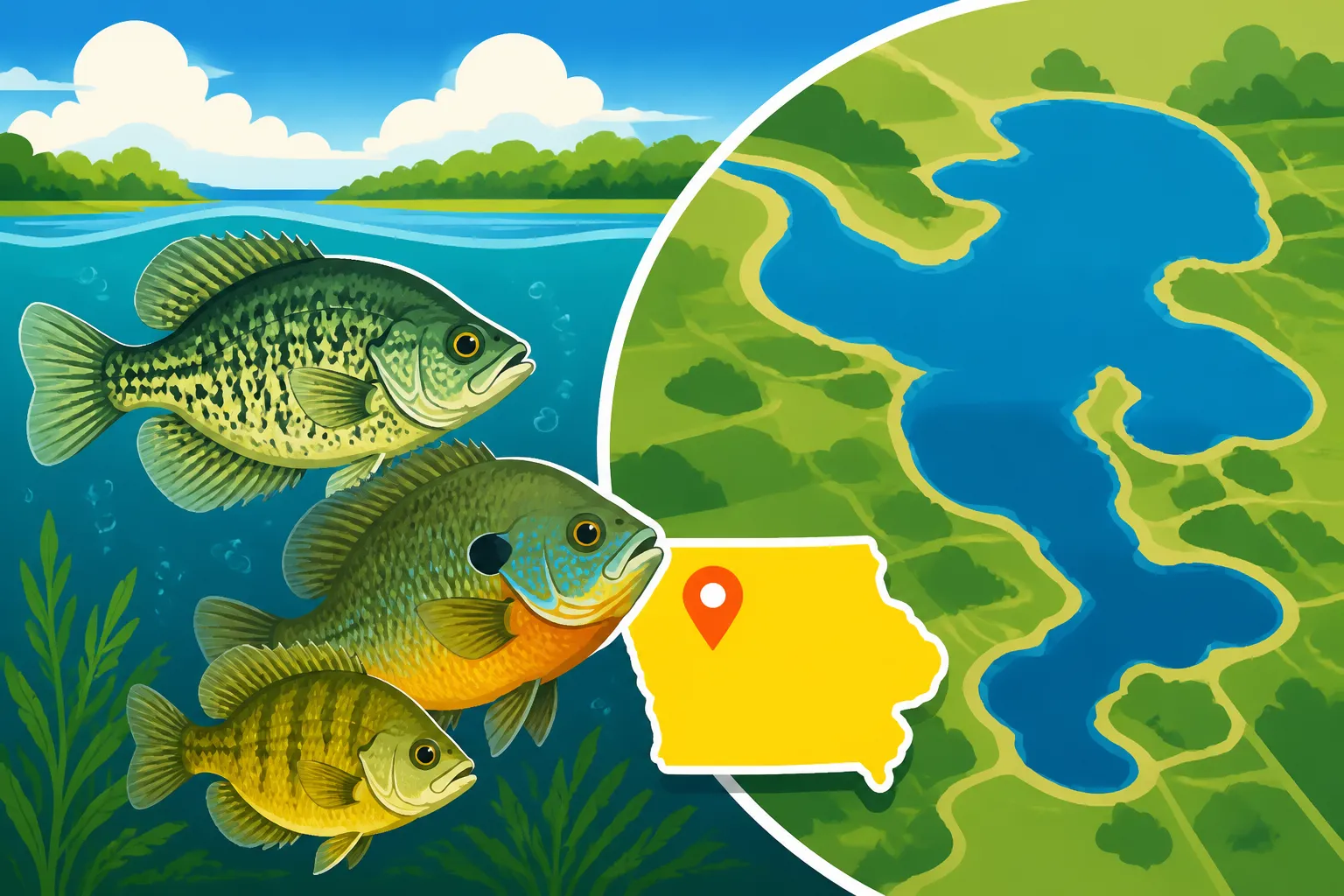
Crappie are perhaps one of the most sought-after panfish in East Okoboji, and thankfully, both black and white crappie call these waters home. Black crappie typically prefer clearer water and more submerged vegetation, while white crappie are often found in slightly murkier water and around brush piles or standing timber. Both species grow to respectable sizes in East Okoboji, with slabs over 10 inches being fairly common.
Crappie are schooling fish, which means if you find one, you're likely to find many more. They tend to relate to structure, such as docks, bridge pilings, submerged trees, and weed edges, especially during the spring spawn and fall feeding frenzies. Knowing the Crappie Daily Limit in Iowa is crucial, as these fish can be easy to catch in numbers. Many anglers target crappie using small jigs, minnows under a bobber, or by Trolling for Crappie in Iowa with tiny crankbaits.
Bluegill and Other Sunfish
Bluegill are another staple in East Okoboji and are arguably the most universally loved panfish due to their aggressive bites and widespread availability. You'll find bluegill almost everywhere in East Okoboji, from shallow, weedy bays to deeper edges of drop-offs. They are prolific breeders and provide excellent action for anglers of all skill levels, especially kids. Other sunfish species, like pumpkinseed or green sunfish, might also be present, often intermingling with bluegill.
Bluegill fishing often peaks in the spring when they move into the shallows for their spawning ritual. They are commonly caught on small worms, crickets, wax worms, or tiny jigs and flies. For specific regulations, be sure to check the Bluegill and Sunfish Combined Limit for Iowa. These fish are fantastic table fare, and their abundance makes them a perfect target for a relaxing day of fishing.
Yellow Bass
Yellow bass are a unique and exciting panfish species found in East Okoboji, particularly in the Iowa Great Lakes. While smaller than crappie or bluegill on average, they make up for it with their aggressive nature and willingness to bite. Yellow bass often school in large numbers, and when you find a school, the action can be non-stop. They are distinctive with their golden-yellow hue and several unbroken horizontal stripes along their sides.
These fish prefer open water over deeper flats or channels but will also congregate around main lake points or humps. They are often caught incidentally while targeting other species, but serious yellow bass anglers will specifically look for large schools using electronics. Small spoons, jigs, or even simply a bare hook with a piece of worm can entice a bite. They are excellent eating, especially when fried crispy.
Perch
Though perhaps not as numerous as crappie or bluegill, yellow perch can also be found in East Okoboji, especially during colder months or in deeper sections. Perch are characterized by their distinct vertical bars and spiny dorsal fins. They are a prized catch for their delicious, flaky white meat.
Perch tend to school and prefer cooler, deeper water with some structure like gravel bottoms, rock piles, or deeper weed edges. During the winter, they become a popular target for ice anglers on East Okoboji. Small jigs tipped with a minnow or a wax worm are typically the most effective baits for perch. Remember to consult the Perch Limit at the Iowa Great Lakes before you head out.
Top Spots and Structures for Panfish in East Okoboji
Finding panfish in East Okoboji means understanding where they like to hang out. It’s not just about randomly casting; it’s about identifying key areas that offer food, cover, and comfortable water temperatures.
Docks, Piers, and Marina Basins
During the warmer months, docks, piers, and marina basins become absolute magnets for panfish. The myriad of structures – pilings, submerged cables, boat lifts, and moored boats – provides ample shade and cover from predators, as well as an abundant source of insect life and algae for forage. Crappie, in particular, will suspend under docks, especially those with lights that attract baitfish at night. Bluegill will also cruise the edges and underneath these structures.
When fishing docks, approach quietly to avoid spooking the fish. A simple slip bobber setup with a small jig or live bait, cast tight to the pilings or under the dock, can be incredibly effective. Consider using a long crappie pole to reach into those tight spots where fish feel safe. The marinas, like those near the Arnolds Park area or along the eastern shore, are prime targets. If you're looking for local expertise or a charter, checking out a service like FishingBooker might help you find guides who know the best dock patterns.
Weed Lines and Submerged Vegetation
East Okoboji is known for its extensive weed beds, particularly in its shallower bays and along its western shore. These weed lines, whether they are emergent reeds, lily pads, or submerged milfoil and cabbage beds, are crucial panfish habitats. They offer excellent camouflage from larger predators, a rich buffet of aquatic insects, and cooler, oxygenated water during the summer heat.
Bluegill often inhabit the dense interior of these weed beds, while crappie and yellow bass might patrol the outer edges or pockets within the vegetation. Fan-casting small jigs or weedless baits along these edges, or punching through thicker mats, can yield impressive results. In areas like the northern end of the lake, near the outlet to Spirit Lake, or in the protected bays along the eastern side, you'll find these green havens. For spring fishing, knowing the Best Time to Catch Bluegill in Spring will help you pinpoint when they're most active in these shallow, weedy areas.
Channel Edges and Drop-Offs
While much of East Okoboji is relatively shallow, there are distinct channels and drop-offs that run through the lake, especially connecting to the deeper basin of West Okoboji and the main lake itself. These deeper areas act as highways and holding zones for panfish, particularly during periods of extreme heat or cold when fish seek more stable temperatures.
Crappie and yellow bass will often suspend along these channel edges or school up on underwater humps and points adjacent to deeper water. Using a fish finder to locate these subtle contours and suspended schools is a huge advantage. Vertical jigging with small spoons or blade baits, or slow trolling with jigs, can be very productive. You can often find these depth changes in the central parts of the lake or around the narrows connecting to other bodies of water.
Effective Techniques and Timing for East Okoboji Panfish
Catching panfish in East Okoboji isn't overly complicated, but a few tried-and-true techniques and understanding seasonal patterns can significantly boost your success.
Jigs and Live Bait Under a Bobber
This classic combination remains a consistent winner for all panfish species in East Okoboji. A small 1/32 to 1/16 ounce jig, tipped with a small minnow, wax worm, piece of nightcrawler, or even a soft plastic imitator, fished under a slip bobber, is incredibly versatile. The bobber allows you to suspend your bait at a precise depth, which is crucial when fish are holding tight to structure or at a specific depth layer.
This setup is perfect for targeting docks, weed lines, and brush piles. Let your bobber sit for a moment, giving the fish time to investigate, then give it a gentle twitch to impart some action to your bait. Experiment with different depths until you find where the fish are holding. When fishing bluegill, a simple fixed bobber with a worm can be highly effective. If you're just starting out, a guide found through platforms like FishingBooker could demonstrate these techniques firsthand.
Trolling and Casting Small Lures
For crappie and yellow bass, particularly when they are suspended over open water or along extensive weed edges, trolling small crankbaits or casting and retrieving micro jigs can be very effective. Trolling allows you to cover a lot of water quickly, searching for active schools. Use a slow, consistent speed, letting your lures run just above the depth where you're marking fish on your electronics.
When casting, work shorelines, points, and weed pockets. Small inline spinners, tiny spoons, or micro crankbaits (like those from the Rapala Ultralight series) can trigger aggressive strikes. Vary your retrieve speed and add pauses to entice hesitant fish. This method is especially productive during the spring and fall when fish are actively feeding and spread out. For some tackle ideas, check out the Best Lures for Panfish.
Ice Fishing for Winter Panfish
East Okoboji transforms into a bustling ice fishing destination during the winter months, and panfish are a primary target. The shallower nature of the lake means it often freezes solid earlier and stays frozen longer than West Okoboji, providing extended ice fishing opportunities. Crappie, perch, and bluegill are all actively caught through the ice.
Look for schools suspending in channels or relating to deeper weed edges and drop-offs. Small jigging spoons, tiny tungsten jigs tipped with a grub or a minnow head, or wax worms are standard baits. Finesse is key in cold water; slow, subtle movements often produce the most bites. Consider trying different depths and holes until you locate an active school. Remember to prioritize safety and check ice conditions regularly, and if you're new to the sport, consider learning How to Ice Fish for Panfish from local experts.
Panfish Species and Preferred Habitats/Baits
| Panfish Species | Primary Habitats in East Okoboji | Best Baits/Lures | Key Seasons |
|---|---|---|---|
| Crappie | Docks, brush piles, submerged trees, channel edges, weed lines | Small jigs (1/32-1/16 oz), minnows, small crankbaits, soft plastics | Spring, Fall, Winter |
| Bluegill | Shallow weed beds, lily pads, docks, brush piles | Worms, crickets, wax worms, tiny jigs, flies | Spring, Summer, Fall |
| Yellow Bass | Open water flats, main lake points, channel edges, schooling | Small spoons, jigs, minnows, piece of worm | Spring, Summer, Fall |
| Perch | Deeper weed edges, gravel bottoms, rock piles, channels | Small jigging spoons, minnows, wax worms, small jigs | Winter, Early Spring, Late Fall |
Essential Gear for East Okoboji Panfish Success
You don't need a boatload of expensive gear to catch panfish, but having the right tools for the job makes a huge difference, especially on a lake as varied as East Okoboji.
Rods, Reels, and Line
For panfish, light tackle is your best friend. A 6 to 7-foot light or ultralight spinning rod paired with a small spinning reel (size 500 to 1000) is ideal. This setup provides the sensitivity needed to detect subtle bites and the backbone to handle larger panfish without overpowering them. Spool your reel with 2 to 4-pound monofilament or fluorocarbon line. While braid can be used, its low stretch can sometimes rip hooks out of thin-mouthed crappie. If you need recommendations, checking out the Best Rod and Reel Combo Under $50 can give you a great starting point.
Bobbers, Hooks, and Sinkers
A variety of bobbers will serve you well. Slip bobbers are fantastic for presenting bait at specific depths, especially around docks or deep weed lines. Fixed bobbers (like clip-on or spring styles) are great for shallower water or when targeting active bluegill. Keep a selection of small hooks (size 6 to 10 octopus or Aberdeen hooks) for live bait. Tiny split shot sinkers are essential for getting your bait down.
When it comes to bobbers, there's a lot of variety, and the Best Bobber Style for Panfish often depends on the specific conditions you're facing. Having a few different types on hand will prepare you for any situation East Okoboji throws at you.
Electronics and Mapping
While not strictly necessary for every panfish outing, a good fish finder can be a game-changer, especially for crappie and yellow bass in deeper areas or during ice fishing. Basic depth finders help you locate channels, drop-offs, and humps. More advanced units with side imaging or down imaging can help you spot schools of fish and individual pieces of submerged structure like brush piles that hold fish.
A detailed lake map, whether digital on your phone or a laminated paper version, is invaluable. It helps you understand contours, locate weed lines, and identify potential panfish hotspots before you even cast a line. Services like FishingBooker often provide access to local guides who already have all this tech and expertise on board, making your trip more efficient.
Respecting the Resource: Regulations and Conservation
As with any fishery, enjoying East Okoboji's panfish opportunities comes with the responsibility of respecting the resource and adhering to regulations.
Understand Daily Limits and Size Restrictions
Iowa has specific Crappie and Sunfish Limits in Iowa, as well as separate limits for perch. These limits are in place to ensure sustainable populations for future generations of anglers. Always check the current Iowa Fishing Regulations Explained before heading out, as rules can change annually. Keeping only what you plan to eat and releasing the rest, especially larger "breeder" fish, is a great practice for conservation.
Practice Catch and Release When Appropriate
While panfish are excellent table fare, consider practicing selective harvest. This means keeping smaller, abundant fish for your meal and releasing the larger, healthier individuals to ensure they can continue to reproduce and contribute to the fishery. This practice helps maintain a balanced population and improves the quality of fishing over time. Handling fish gently and using appropriate tools for hook removal can minimize stress and injury to released fish.
Leave No Trace
Always pack out everything you pack in. Dispose of any trash, old fishing line, or bait containers properly. Leaving the shoreline and water cleaner than you found it ensures that East Okoboji remains a beautiful and productive fishing destination for everyone. Be mindful of boat wakes, especially around other anglers or residential areas, and always follow all boating safety regulations when on the water.
Disclaimer
Fishing conditions and regulations in Iowa can change. Always consult the official Iowa Department of Natural Resources (DNR) website or the most current fishing regulation booklet before heading out on the water. This guide is intended for informational purposes only and does not supersede official regulations.