Best Fishing at Lake Macbride
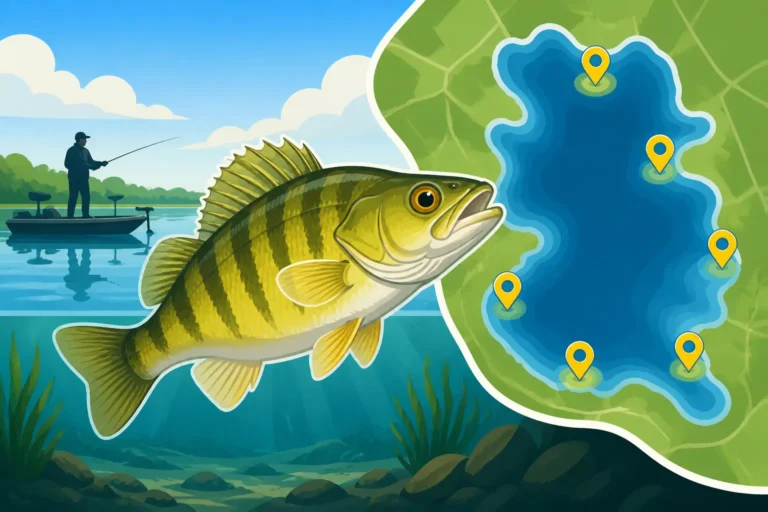
Trying to figure out the best spots to cast a line at Lake Macbride can feel a bit overwhelming, especially with its sprawling shoreline and diverse depths. With so many coves, submerged structures, and varying depths, it's easy to spend a whole day searching instead of actually fishing. This guide is designed to cut through the guesswork, offering practical advice and pinpointing exactly where and how to maximize your fishing success on this popular Iowa lake.
A Deep Dive into Lake Macbride's Fisheries
Lake Macbride, nestled near Solon in Johnson County, isn't just a picturesque spot for a picnic; it's a phenomenal fishery that draws anglers from all over Iowa and beyond. What makes it so special is its varied underwater landscape, which provides ideal habitats for a wide range of game fish. From its deep main channel to its timber-filled coves and rocky points, there’s a spot for every species and every angling style. Understanding the lake’s ecosystem is the first step to unlocking its full potential.
Understanding Lake Macbride's Unique Habitat
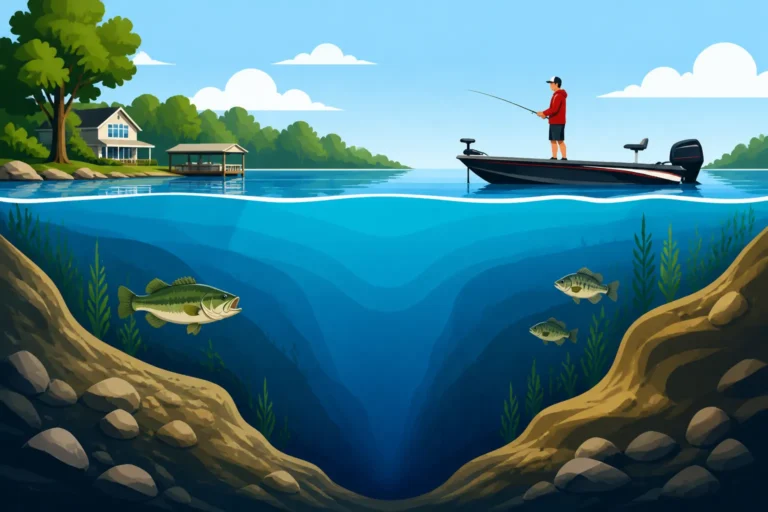
Lake Macbride is an artificial reservoir, created by damming the Ralston Creek. This origin means it has a complex and interesting underwater topography, much more diverse than many natural lakes. You'll find remnants of old farmsteads, submerged timber, and the winding path of the original creek channel, which often holds the deepest water, sometimes exceeding 40 feet. These deep channels are crucial, especially during summer and winter, as they provide cooler, more stable environments for fish.
The shallower coves and bays are often lined with standing timber and brush piles, many of which are intentionally placed by the Iowa Department of Natural Resources (DNR) to enhance fish habitat. These structures serve as nurseries for baitfish and ambush points for predatory species like bass, crappie, and even muskie. The lake also features several rocky points and transitional areas where hard bottoms meet softer sediments, creating prime feeding grounds. The availability of diverse cover, from rock to wood, and a consistent stocking program, particularly for muskie and walleye, contributes significantly to Macbride's reputation as a top-tier fishing destination.
Key Fish Species to Target at Lake Macbride
Lake Macbride boasts a robust population of several popular game fish, each offering a unique challenge and reward. Knowing what you're targeting and where they prefer to hang out is essential for a successful outing.
- Largemouth Bass: These are arguably the most sought-after species in Macbride. They thrive in the lake's abundant shallow cover, structure, and submerged vegetation. Look for them around fallen trees, docks, weed lines, and brush piles, especially in the shallower coves.
- Channel Catfish: Macbride is an excellent catfish lake. These hard-fighting fish are found throughout the lake, from deep channels to shallow flats, especially after dark. They're often near the bottom, scavenging for food.
- Crappie (Black and White): Both black and white crappie call Macbride home, offering fantastic panfishing opportunities. They love structure – brush piles, standing timber, and submerged trees. They tend to school up, so once you find one, you're likely to find more. You'll want to be familiar with the current Iowa Fishing Season Dates and Limits, as well as specific Crappie and Sunfish Limits in Iowa to ensure you're fishing legally.
- Walleye: While perhaps not as renowned for walleye as some of Iowa's natural lakes, Macbride does offer a good walleye fishery, thanks to regular stocking efforts. They prefer deeper, cooler water, especially along points, humps, and the old creek channel.
- Muskie: Lake Macbride is one of Iowa's premier muskie lakes, stocked with these elusive "fish of 10,000 casts." They are apex predators that patrol weed lines, rocky points, and areas with substantial baitfish concentrations. Catching a muskie here is a true trophy experience.
- Bluegill & Yellow Bass: These panfish are abundant and provide consistent action, particularly for younger anglers or those just looking for some casual fun. They are often found in similar areas as crappie, especially around submerged brush and weed edges.
- Northern Pike: Though less common than muskie, Northern Pike are also present, often found in the weedier, shallower sections of the lake, especially in the larger bays.
Before heading out, it's always a good idea to brush up on the current Iowa Fishing Regulations Explained and ensure you have your Iowa Fishing License Guide in order. Regulations can change, and being prepared means a worry-free day on the water.
Prime Fishing Spots and Access at Lake Macbride
Knowing which species are in the lake is one thing, but knowing where to find them and how to access those spots is the real key to success at Lake Macbride. The lake offers a mix of easy-to-reach shoreline spots and deeper, more secluded areas best accessed by boat.
Shoreline Access and Piers
For anglers without a boat, Lake Macbride offers fantastic opportunities right from the bank. The lake is enveloped by Lake Macbride State Park, which provides numerous well-maintained public access points.
- State Park Beaches and Picnic Areas: Many of the designated beach and picnic areas within the state park offer great shoreline access. While these spots might be busy on warm summer days, early mornings or weekdays can yield excellent results, especially for panfish and smaller bass that patrol the shallower waters close to shore.
- Fishing Piers: There are several excellent fishing piers strategically placed around the lake, providing access to deeper water without needing a boat. These piers are often located near submerged structures or drop-offs, making them productive spots for crappie, bluegill, and even walleye. One particularly popular pier is located on the north side of the lake, offering access to deeper water near the old creek channel. These specific structures are highlighted in our guide to Best Fishing Piers in Iowa State Parks.
- Hiking Trails and Undeveloped Shoreline: For the more adventurous angler, the extensive network of hiking trails around Lake Macbride State Park provides access to miles of undeveloped shoreline. These areas can be less pressured and often hold larger fish that are wary of crowded spots. Look for points, coves with standing timber, or areas where the bank drops off quickly into deeper water. A light tackle setup and a willingness to walk can uncover some hidden gems.
Always remember that safety comes first, especially when navigating uneven terrain. Check the weather, let someone know where you're going, and wear appropriate footwear.
Boat Access and Productive Areas
If you have a boat, Lake Macbride truly opens up, offering access to its most productive and often less-pressured waters. There are several public boat ramps available, making it easy to launch and explore.
- Boat Ramps: The main boat ramp, located off Macbride Recreation Area Road NE, offers ample parking and easy access to the central part of the lake. Other ramps are available further north and south within the state park, allowing you to choose your starting point based on your target species and desired fishing area. For serious anglers looking to cover ground, launching from the main ramp often provides the most direct route to the lake's varied habitats.
- The Main Lake Basin and Creek Channel: The central, deeper basin of Lake Macbride, where the old creek channel winds through, is a prime area for walleye and deeper-holding catfish. Trolling crankbaits or presenting jigs and live bait along these contour lines can be highly effective. The drop-offs along the channel are also excellent for larger crappie, especially in late fall and early spring.
- Timber-Filled Coves: The numerous coves around Lake Macbride, particularly those with significant standing timber or submerged brush, are bass and crappie heaven. Areas like Cottonwood Cove or those deeper in the northern arm of the lake are notorious hotspots. Cast jigs, spinnerbaits, or soft plastics around the wood for largemouth bass. For crappie, vertical jigging small jigs or minnows around the branches of submerged trees is a classic technique. Many anglers use services like FishingBooker to find experienced local guides who know these intricate spots like the back of their hand.
- Rocky Points and Humps: Lake Macbride has several rocky points and underwater humps that attract walleye, smallmouth bass (though less common), and muskie. These areas provide current breaks and ambush points. Jigging spoons, casting crankbaits, or dragging bottom-bouncing rigs can be productive here. The points near the dam area, in particular, are known for holding larger predatory fish.
- Muskie Hotspots: For muskie anglers, focusing on large weed beds, extensive rocky points, and areas with a good supply of baitfish is key. The northern end of the lake, especially near the large bays and along the main channel edges, is often where these toothy giants are found. Big bucktails, glide baits, and large jerkbaits are the tools of choice. If you’re planning a trip specifically for these monsters, consider searching for specialized guides on platforms like FishingBooker to maximize your chances.
Always check local buoy markers and navigation maps, as stumps and shallow areas can pose hazards, especially when the water levels fluctuate.
Essential Techniques and Best Times to Fish Lake Macbride
Successful fishing at Lake Macbride isn't just about knowing where the fish are; it's also about knowing when to fish and how to present your bait effectively. Different species have different preferences, and the changing seasons play a huge role in fish behavior. Our Iowa Fishing Techniques Guide delves into many of these methods more broadly.
Seasonal Fishing Strategies
Understanding how fish behave throughout the year is crucial for consistently finding them.
-
Spring Fishing: As the ice melts and water temperatures begin to rise (typically in March and April, which kicks off Spring Fishing in Iowa), fish move into shallower waters for their spawning rituals and to feed aggressively.
- Bass: Largemouth bass will be found in warming shallow coves, especially those with dark bottoms that absorb sunlight. Spinnerbaits, jigs, and slow-moving crankbaits fished near emergent vegetation or woody cover are very effective. You might find them in areas protected from the wind.
- Crappie: Crappie will school up in pre-spawn staging areas, often suspending near brush piles or timber in 8-15 feet of water, before moving into very shallow areas (3-6 feet) to spawn. Small jigs, minnows, or tiny crankbaits are deadly.
- Walleye: Walleye also move shallow to spawn on rocky areas or rip-rap. Blade baits, jigs, and lipless crankbaits can be effective presentations in these areas.
-
Summer Fishing: Summer brings warmer water and can push many fish into deeper, cooler oxygenated water during the day, though they'll often move shallow to feed at dawn, dusk, or after dark.
- Bass: Early morning and late evening topwater action can be explosive around weed edges and docks. During the heat of the day, Texas-rigged worms or deep-diving crankbaits targeting submerged structure, creek channels, or brush piles in 10-20 feet of water are key. Our How to Catch Bass in Iowa guide offers more specific strategies.
- Catfish: Summer is prime catfish time. They'll be active throughout the lake, but especially in deeper holes and along the old creek channel during the day, moving onto shallow flats to feed at night. Cut bait, worms, or stink baits fished on the bottom are highly effective.
- Muskie: Summer is when muskie are most active. Trolling large crankbaits or casting big bucktails and jerkbaits along weed lines, rocky points, and submerged timber are effective tactics.
-
Fall Fishing: As water temperatures drop in autumn, fish begin to feed heavily in preparation for winter. This can lead to some of the year's best fishing.
- Bass: Largemouth bass will often follow baitfish into shallower coves and creek arms. Square bill crankbaits, spinnerbaits, and jigs can be excellent choices. Look for schooling baitfish on your electronics.
- Walleye: Walleye will become very active, feeding on baitfish pushed into open water or concentrating on rocky main lake points and humps. Jigging spoons, casting blade baits, or trolling crankbaits can produce big fish. Review the Walleye Season and Size Limits to ensure you're compliant.
- Muskie: Fall is trophy muskie season. These fish are bulking up, and large baits retrieved quickly or trolled at higher speeds can trigger aggressive strikes.
-
Winter (Ice Fishing): When Lake Macbride freezes over, it becomes a popular ice fishing destination for panfish and even some walleye.
- Panfish: Crappie and bluegill will often suspend over deeper brush piles or gather in large schools in the main lake basin. Small jigs tipped with wax worms or minnow heads are highly effective.
- Walleye: Ice fishing for walleye can be productive around main lake points and humps. Jigging Rapalas or spoons tipped with a minnow head are popular choices. Always prioritize safety and check ice thickness before venturing out.
Recommended Baits and Lures
Having the right bait or lure can make all the difference. Here’s a breakdown of effective choices for Lake Macbride’s primary species.
| Species | Prime Baits/Lures | Key Techniques |
|---|---|---|
| Largemouth Bass | Jigs (football, swim, flipping), Spinnerbaits, Crankbaits (shallow/deep diving), Soft Plastics (worms, creature baits), Topwater lures (frogs, poppers) | Flipping/Pitching cover, Casting along weed lines, Cranking points/drop-offs, Topwater over shallow cover |
| Channel Catfish | Cut Bait (shad, skipjack), Nightcrawlers, Stink Baits, Chicken Livers, Prepared baits | Bottom fishing with slip sinker rigs, Drifting, Jug fishing (check regulations) |
| Crappie | Small Jigs (1/32 to 1/16 oz, various colors), Live Minnows, Small Crankbaits, Blade Baits | Vertical jigging around timber/brush, Casting to structure, Trolling small crankbaits |
| Walleye | Jigs (tipped with minnows/plastics), Crawler Harnesses, Crankbaits (deep diving), Blade baits, Spoons | Jigging along contours, Trolling open water or break lines, Casting to rocky points |
| Muskie | Large Bucktails (single/double blade), Glide Baits, Jerkbaits (wood/plastic), Large Swimbaits, Big Topwater lures | Casting to structure, Trolling open water, Figure-eight at boat side |
| Bluegill & Yellow Bass | Small Jigs, Wax Worms, Nightcrawler pieces, Small Spinnerbaits (e.g., Beetle Spins), Crickets | Bobber fishing near cover, Light jigging, Casting small lures |
When targeting crappie and panfish, our guide on Best Lures for Panfish provides even more detailed options to fill your tackle box. For those using live bait, remember to check current regulations on the use and transport of baitfish, as these rules are designed to prevent the spread of invasive species. It’s always best to buy your bait locally or check the Iowa Fishing Regulations Explained for specific guidelines on what's permissible.
Getting Ready for Your Lake Macbride Adventure
Planning your trip to Lake Macbride doesn't have to be complicated, but a little preparation goes a long way. Beyond knowing the spots and techniques, there are practical steps you can take to ensure a smooth and enjoyable fishing experience.
- Check the Forecast: Weather conditions in Iowa can change rapidly. Always check the forecast before you go, paying attention to temperature, wind speed and direction, and any potential for storms. High winds can make boating difficult and unsafe, especially on larger bodies of water like Macbride.
- Gear Up Appropriately: Dress in layers, wear sun protection (hat, sunglasses, sunscreen), and bring rain gear, even if the forecast looks clear. Comfortable, waterproof footwear is a must for shoreline anglers. If you're boating, ensure you have all required safety equipment, including life jackets for everyone on board.
- Pack Essentials: Don't forget your fishing license, a first-aid kit, plenty of water, snacks, a fully charged phone, and a map of the lake. A good pair of polarized sunglasses will help you spot structure and fish under the water's surface. A local guide, often found via platforms like FishingBooker, can also provide insight into essential gear for specific conditions.
- Respect the Environment: Lake Macbride is a beautiful natural resource. Practice catch and release for species like muskie and larger bass, and always dispose of trash properly. Be mindful of other lake users, including kayakers, swimmers, and other anglers. Following the guidelines in our Iowa Fishing Regulations Explained helps keep our waters healthy for everyone.
By taking these steps, you're not just preparing for a fishing trip; you're setting yourself up for a memorable outdoor adventure at one of Iowa's finest lakes.
Disclaimer
Please note that fishing conditions, regulations, and fish populations can change. Always consult the official Iowa Department of Natural Resources (DNR) website or their current fishing regulations booklet for the most up-to-date information before planning your fishing trip. This guide is for informational purposes only and should not be considered a substitute for official DNR publications.