Where to Catch Yellow Bass at Clear Lake
Oh, the elusive yellow bass at Clear Lake! If you've spent frustrating hours cruising the lake, casting into open water, and coming up empty-handed while hearing whispers of others hauling in buckets of these feisty panfish, you're not alone. Yellow bass are abundant in Clear Lake, but they're notorious for schooling up and moving frequently, making them a challenge to pinpoint if you don't know where to start. This guide is all about cutting through that frustration and giving you the inside scoop on exactly where to find those productive yellow bass schools in Clear Lake, along with the best ways to entice them onto your line.
Understanding Yellow Bass at Clear Lake
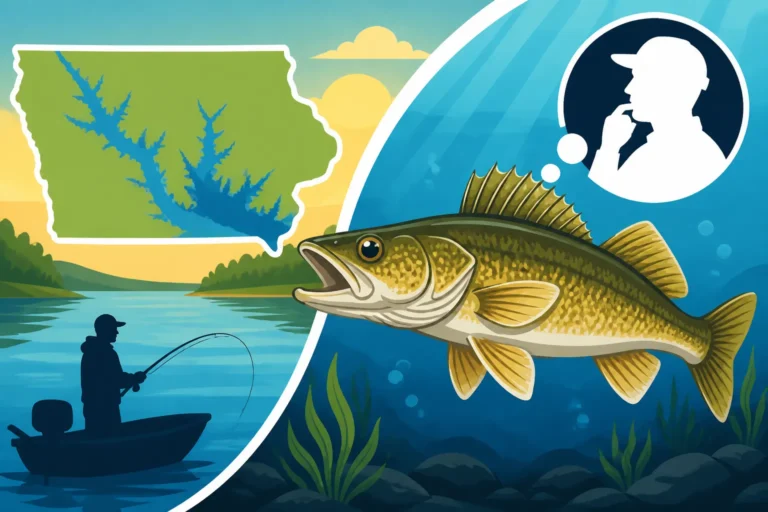
Clear Lake isn't just a pretty face; it's a thriving ecosystem that makes it one of Iowa's premier fishing destinations. For yellow bass, in particular, it's a five-star hotel with an all-you-can-eat buffet. But what makes this lake so special for them, and how do you even tell a yellow bass from its cousins?
Why Clear Lake is a Yellow Bass Hotspot
Clear Lake, located in north-central Iowa, is a relatively shallow, natural lake, spanning about 3,600 acres. This makes it quite different from many of Iowa's deeper reservoirs. Its natural structure, combined with its fertile waters, creates an ideal environment for yellow bass to flourish. You see, yellow bass thrive in lakes with moderate depths, good weed growth, and plenty of forage. Clear Lake delivers on all fronts, providing extensive shallow bays, submerged weed beds, and plenty of open water where these schooling fish can chase down baitfish like shiners and young perch.
The lake's bottom composition also plays a significant role. With a mix of sand, rock, and muck, there are countless transitions and structures that attract baitfish, and where the baitfish go, the yellow bass often follow. Unlike some species that stick to very specific depths or cover types, yellow bass are opportunistic. They might be shallow in the morning, move to deeper humps mid-day, and then return to the shallows in the evening. This dynamic behavior is what makes them exciting to target but also requires a bit of detective work. Many anglers also find success targeting other panfish in these areas, making them great spots for a mixed bag. For more insights on diverse panfish, you might check out our guide on Clear Lake Panfish and Crappie Spots.
Identifying Yellow Bass and Their Habits
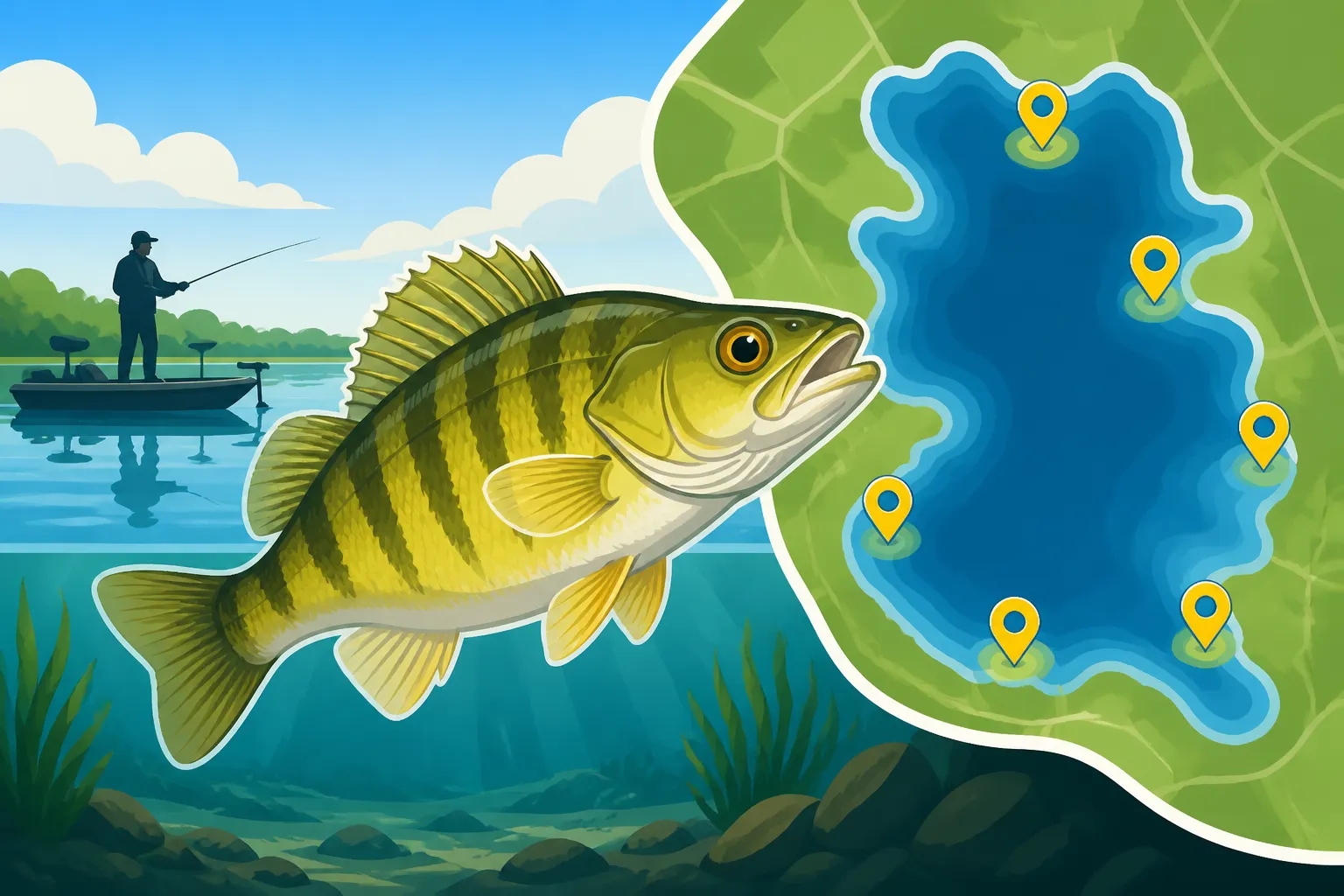
Before you can catch 'em, you gotta know 'em! Yellow bass are often confused with white bass, but there are a few key differences. Yellow bass typically have a more olive-yellow coloration, especially on their sides and belly, and their stripes are broken and offset, particularly below their lateral line. White bass, on the other hand, tend to be more silvery with continuous, unbroken stripes. They're also generally smaller than white bass, though a big Clear Lake yellow bass can still be a respectable fight!
Their most defining habit, and one that's crucial for anglers, is their tendency to school tightly. We're not talking about a small group of friends; we're talking about hundreds, sometimes thousands, of fish moving together like an aquatic army. These schools are constantly on the move, chasing baitfish. When you find one of these schools, the action can be fast and furious, with multiple hookups common. However, they can also disappear as quickly as they appeared, leaving you wondering where they went. Understanding this schooling behavior is the first step to consistent success on Clear Lake. They're often found in similar habitats to walleye, so if you're out for yellow bass, you might even stumble into some Clear Lake Walleye Fishing opportunities.
Prime Locations for Yellow Bass at Clear Lake
Alright, let's get down to brass tacks: where exactly in Clear Lake should you be dropping your lines for yellow bass? While they can be found throughout the lake, certain areas consistently hold more fish due to their structure, forage, and depth.
The Rock Reefs and Mid-Lake Humps
Clear Lake isn't just a flat basin. It boasts some fantastic underwater structure, particularly toward the center and western half of the lake. These rock reefs and subtle humps rise from the lakebed, creating perfect ambush points for schooling yellow bass. Think of areas around the famous "Little Lake" connection or the deeper water north of the Ventura area.
When targeting these spots, focus on depths ranging from 8 to 15 feet. These reefs are often home to vast quantities of small baitfish, attracting yellow bass in droves. Pay close attention to your fish finder; you're not just looking for individual fish, but dense schools marking up the screen. Sometimes these schools will suspend just above the structure, other times they'll be tight to the bottom. If you mark fish on a hump, don't just fish directly over it. Work all sides, especially the deeper edges, as the fish might be holding just off the main structure. These areas are fantastic during summer and early fall when fish are actively feeding on open-water forage.
Yacht Club Area and North Shoreline
Moving closer to shore, particularly the areas around the Clear Lake Yacht Club and extending along the entire north shoreline, offers different but equally productive yellow bass opportunities. This part of the lake is characterized by shallower water, abundant dock structures, and often extensive weed beds.
During warmer months, yellow bass will push into these shallower areas, especially early in the morning and late in the evening, to feed. Docks and boat lifts provide shade and cover, attracting baitfish and, consequently, the yellow bass. Cast small jigs or spinners along dock lines and into open pockets within the weeds. While the schools here might not be as massive as those offshore, the fish can be very active, and it's a great spot for shore anglers or those in smaller boats. Be mindful of boat traffic, especially on weekends! This is also a good area if you're trying to figure out Best Lures for Panfish in a more confined setting.
Outlet and Inlet Areas
Anywhere there's a flow of water, fish tend to congregate, and Clear Lake's outlet and inlet areas are no exception. The main outlet is on the lake's east side, leading into Clear Creek, while various small inlets and culverts feed into the lake, especially after heavy rains.
These current areas act like a conveyor belt, bringing in fresh food and attracting baitfish. Yellow bass will stack up in these areas, waiting to ambush anything that drifts by. The outlet area, in particular, can be a goldmine, especially in spring and fall. Cast small crankbaits or jigs into the current seams and allow them to drift naturally. The fish here are often more aggressive due to the active feeding environment. Even subtle changes in current speed can be a holding point for yellow bass. Just be aware of any special regulations around these specific areas, as sometimes limits or seasons might differ if you're near a dam or spillway, though for general fishing it's usually straightforward.
| Location Feature | Key Characteristics | Best Techniques | Optimal Season |
|---|---|---|---|
| Rock Reefs/Humps | Mid-lake structure, 8-15 ft deep, baitfish magnets | Vertical jigging, small spoons, drop-shot rigs | Summer, Early Fall |
| Yacht Club/North Shore | Shallow, docks, weed edges, shade | Casting small jigs/spinners, slip bobbers | Spring, Summer |
| Outlet/Inlet Areas | Current, baitfish concentration, ambush points | Casting crankbaits/jigs, natural drift | Spring, Fall |
| Open Water (Deep) | Suspended baitfish schools, often 15-25 ft deep | Trolling small crankbaits, jigging suspended fish | Mid-Summer, Winter |
Essential Techniques and Baits for Clear Lake Yellow Bass
Knowing where the fish are is half the battle; knowing how to catch them is the other! Yellow bass aren't usually picky, but having the right presentation can turn a slow day into a memorable one.
Jigs, Spoons, and Small Crankbaits
When it comes to artificial lures, simplicity often wins with yellow bass.
- Jigs: Small jigs, usually 1/16 to 1/8 ounce, tipped with a tiny plastic grub, tube, or a piece of Gulp! bait, are incredibly effective. Colors like chartreuse, white, pink, or combinations of these tend to work best in Clear Lake's often stained waters. A slow, steady retrieve or a subtle jigging motion is usually all it takes to trigger a bite. When you find a school, dropping a jig straight down to their depth can result in non-stop action.
- Spoons: Small Kastmaster or Johnson Silver Minnow spoons are fantastic, especially when yellow bass are actively chasing bait in open water or over deeper reefs. The flash and flutter mimic injured baitfish perfectly. Vertically jigging spoons over marked schools is a killer technique, particularly during the winter ice fishing season, which is a whole adventure on its own for Ice Fishing in Iowa.
- Small Crankbaits: For aggressive schools, especially near the outlet or along the weed lines, small, shallow-diving crankbaits or lipless crankbaits can be incredibly effective. Look for baits that mimic small minnows or perch. Trolling these at a slow speed can help you cover water and locate schools, or cast them out and retrieve them with a stop-and-go action.
Remember, yellow bass have relatively small mouths, so stick to smaller profile lures for the best hookup ratio. For more ideas, our article on Best Lures for Panfish can provide additional inspiration.
Live Bait and Presentation
Sometimes, nothing beats the real thing. Live bait is a perennial favorite for yellow bass and can be especially effective when the fish are less aggressive or when you're trying to entice a bite from a scattered school.
- Minnows: Small live minnows (shiners or fatheads) are arguably the king of yellow bass baits. You can fish them in a few ways:
- Under a Slip Bobber: This is a fantastic method for suspending a minnow at a precise depth over a marked school or along a weed line. The slip bobber allows you to cast further and fish deeper than a fixed bobber, and it's a presentation technique that can be universally helpful, as explored in How to Fish a Slip Bobber.
- On a Drop-Shot Rig: For targeting fish tight to structure or near the bottom, a drop-shot rig keeps your minnow suspended just above the weight, making it highly visible to the fish.
- Plain Hook and Split Shot: A simple setup with a small hook (size 6 or 8) and a small split shot or two can be deadly when casting to schooling fish or when they're feeding near the bottom.
- Worms/Nightcrawlers: While minnows are usually preferred, a piece of nightcrawler or a waxworm can also tempt yellow bass, especially if they're mixed in with bluegill or crappie. Just use a small piece, threaded onto a small hook.
When using live bait, make sure it's lively! Fresh bait makes a huge difference. You can usually find great bait shops around Clear Lake. Sometimes, even the baits used for bigger fish, like those mentioned in Best Live Bait for Iowa Walleye, can be scaled down for yellow bass.
Reading the Lake and Locating Schools
The most crucial skill for consistently catching Clear Lake yellow bass is learning to read the lake and actively hunt for those elusive schools.
- Use Your Electronics: A good fish finder is your best friend. Look for dense arches or solid blobs on your screen, indicating schools of fish. Don't be shy about running around until you mark fish. Yellow bass schools often look like a cloud on your sonar. Once you find them, mark a waypoint on your GPS and stay on top of them.
- Watch for Surface Activity: In warmer months, especially at dawn or dusk, yellow bass will often "boil" on the surface, chasing baitfish. Keep an eye out for these tell-tale signs of feeding activity – diving birds are another great indicator! When you see this, motor over quietly and cast right into the commotion.
- Consider the Conditions: Wind and weather play a huge role. A strong wind can push baitfish, and thus yellow bass, to one side of the lake. Pay attention to current breaks and calmer spots on windy days. If you're looking for more general understanding of fishing patterns, checking out Iowa Fishing Seasons Explained can help you predict behavior based on time of year.
- Drift Fishing: Sometimes, the most effective way to locate a moving school is to drift over likely areas with your baits deployed. Use a drift sock if the wind is too strong to control your speed. Once you get a bite, quickly deploy your anchor or use your trolling motor to stay on the school.
Don't be afraid to move! Yellow bass are mobile, so if a spot goes cold, don't waste time. Pick up and relocate to find the next active school. Local guides are masters at this, and sometimes researching what's available through services like FishingBooker can give you an edge, even if it's just for current reports or guide availability for a future trip.
Best Times to Target Yellow Bass
Timing is everything when it comes to fishing, and yellow bass are no exception. Knowing the optimal seasons and times of day can significantly increase your chances of success.
Seasonal Sweet Spots
Yellow bass are present in Clear Lake year-round, but certain seasons offer more consistent action.
- Spring (April-May): As the ice melts and water temperatures begin to rise, yellow bass become very active, moving into shallower areas to spawn and feed aggressively. The outlet and north shoreline areas become prime spots. This is a fantastic time for both boat and shore anglers.
- Summer (June-August): During the heat of summer, yellow bass will often move to deeper offshore structures during the day, like the rock reefs and humps, or suspend in open water chasing schools of baitfish. Early mornings and late evenings might see them push shallower again. Trolling or vertical jigging over marked schools is key here. FishingBooker might show you local guides who specialize in finding these summer schools with their electronics.
- Fall (September-October): As water temperatures drop, yellow bass experience a "second spring," feeding heavily in preparation for winter. They can be found in a variety of depths, from shallow weed edges to mid-lake structures. This is often one of the most productive times of year.
- Winter (December-March): Ice fishing for yellow bass on Clear Lake is incredibly popular and productive. Once safe ice forms, anglers drill holes over the rock reefs, humps, and even in deeper basin areas where schools hold. Small jigs, spoons, and live minnows fished through the ice are the go-to techniques. Our guide on Ice Fishing in Iowa has more specific details on staying safe and successful during the colder months.
Optimal Times of Day
While yellow bass can be caught at any time, certain periods tend to be more active.
- Dawn and Dusk: Like many fish species, yellow bass often feed most actively during the low-light periods of dawn and dusk. They'll venture into shallower water, making them more accessible to shore anglers and those casting near docks. The reduced light gives them an advantage over their prey.
- Mid-day (when schooling): If you've located a large school of yellow bass in open water or over deep structure using your electronics, they can be caught throughout the day. Their activity level might ebb and flow, but a tight school will often provide intermittent action. Don't be surprised if a school that was biting like crazy suddenly shuts off; they've likely moved.
- Overcast Days: Overcast conditions can often extend the prime feeding windows, as the reduced light mimics dawn/dusk conditions, encouraging fish to stay active longer.
Ultimately, flexibility is your greatest asset. Pay attention to what the fish are telling you on any given day. If one spot isn't producing, don't hesitate to move and try a different depth, a different presentation, or even a completely new area of Clear Lake. The joy of fishing, after all, is the hunt!
Disclaimer
Fishing regulations, license requirements, and local conditions can change. Always consult the latest Iowa Department of Natural Resources (DNR) regulations before heading out. Be mindful of safe boating practices, especially on a busy lake like Clear Lake, and always prioritize personal safety on the water or ice.