Best Fishing Spots in Southeast Iowa
It can feel overwhelming, trying to pinpoint those sweet spots in the vast and varied waters of Southeast Iowa. With so many rivers, lakes, and hidden ponds, knowing where to cast your line for the best chances of success, whether you're after a trophy walleye or a stringer full of panfish, can be a real headache. This comprehensive guide is here to cut through the confusion, taking you on a tour of the region's prime fishing locations and equipping you with the know-how to make your next fishing trip unforgettable.
Navigating the Diverse Waters of Southeast Iowa
Southeast Iowa truly offers a smorgasbord for anglers, boasting everything from massive reservoirs to tranquil rivers and cozy community ponds. It’s a region that rewards those willing to explore, but it can also be a bit daunting when you’re trying to figure out where to even begin.
Why Southeast Iowa is a Unique Angler's Paradise
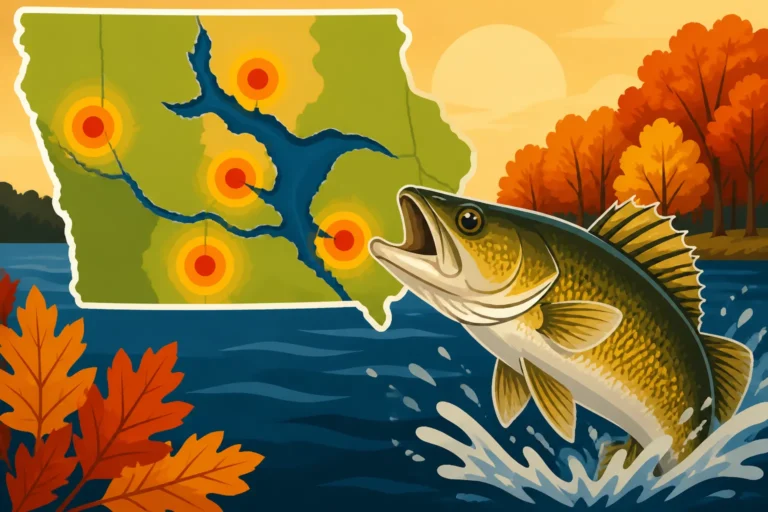
What makes Southeast Iowa so special for fishing, you ask? Well, it's a combination of diverse ecosystems and a strong commitment to conservation and stocking efforts by the Iowa Department of Natural Resources (DNR). Here, you'll find the majestic Mississippi River forming the eastern border, offering incredible opportunities for diverse species like walleye, sauger, bass, and catfish. Then there are the expansive reservoirs like Rathbun Lake, famous for its crappie, and smaller, serene lakes like Lake Darling and Lake Macbride, which are fantastic for bluegill, bass, and even some muskie. The variety means that no matter what kind of fishing you're into, or what species you're targeting, there's a body of water in Southeast Iowa waiting for you. Plus, the landscapes themselves are just beautiful, making every trip a scenic escape.
Common Challenges When Finding Hot Spots
One of the biggest frustrations anglers face in a region this diverse is simply knowing where the fish are biting. Conditions change constantly – water levels fluctuate, temperatures shift with the seasons, and fish move. It's not always as simple as looking at a map and picking a random spot. Another challenge can be access; while Iowa has many public fishing access points, some of the best-kept secrets might be on private land, requiring permission. For those unfamiliar with the area, relying on local knowledge or even hiring a guide can make all the difference. Sometimes, even finding up-to-date information on smaller, lesser-known ponds can be a struggle, leaving you wondering if it's worth the drive. That's why having a solid guide like this one is so helpful, or even checking out platforms like FishingBooker for local charters who know the waters intimately.
Top Lake and Reservoir Fishing Destinations
When you think of fishing in Southeast Iowa, some lakes and reservoirs immediately spring to mind as premier destinations. These larger bodies of water are well-known for good reason, offering consistent action for a variety of popular sport fish.
Rathbun Lake: The Crappie Capital
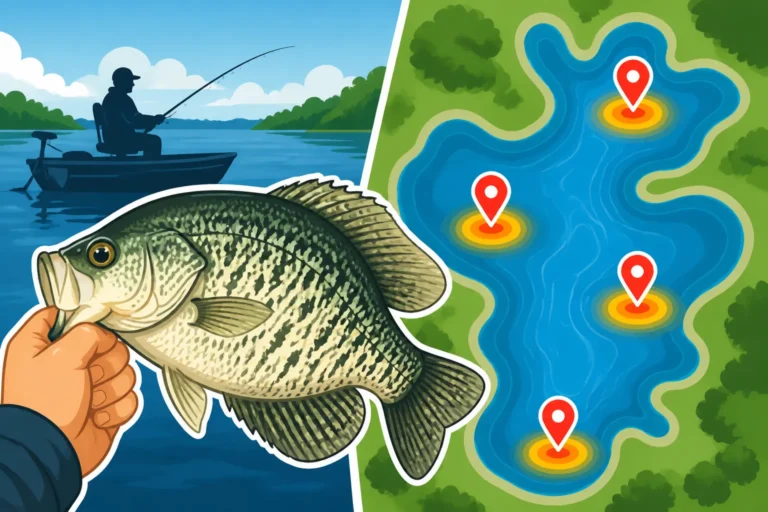
Let's talk about Rathbun Lake first, often affectionately called "Iowa's Crappie Capital." This massive reservoir near Centerville covers over 11,000 acres and is practically legendary for its crappie population. Anglers come from all over to experience the incredible crappie bite here, especially during the spring and fall. The lake's abundant standing timber, brush piles, and submerged roadbeds create ideal habitat for crappie, offering plenty of structure for them to hide and feed.
Beyond crappie, Rathbun Lake also holds impressive numbers of channel catfish, walleye, and even some nice largemouth bass. For crappie, focus on fishing brush piles and timbered areas with small jigs, minnows, or even trolling crankbaits. The spring spawn is particularly hot, with fish moving into shallower waters. If you're targeting walleye, look for rocky points and main lake humps, especially during low light conditions or at night. The sheer size of Rathbun means there are always new spots to explore, and for current conditions, always consult the DNR's fishing reports. Many local anglers also use their fishing insights from services like FishingBooker to find prime times and locations. If you're really serious about landing a big haul of panfish, check out our guide on Rathbun Lake Crappie Hotspots.
Lake Darling: A Hidden Gem for Panfish and Bass
Further north, nestled near Brighton, you'll find Lake Darling State Park, home to the beautiful Lake Darling. This lake underwent a significant renovation years ago, including a complete draw-down and restocking, and it has since blossomed into an incredible fishery, especially for panfish and largemouth bass. It's not as large as Rathbun, encompassing about 300 acres, but don't let its size fool you; it consistently produces quality fish.
Lake Darling is a fantastic spot for families or those looking for a more relaxed fishing experience. You can expect to catch plenty of bluegill and crappie, often in good sizes. For bass anglers, the lake's extensive weed lines, submerged structures, and shoreline cover make it a prime target for largemouth. Topwater lures early in the morning or late evening can be incredibly effective, as can plastic worms and jigs worked through the cover. Catfish are also present and can be caught using traditional bottom-fishing methods with stink baits or cut bait. The park offers easy access, boat ramps, and plenty of shore fishing opportunities, making it a truly accessible and rewarding destination in Southeast Iowa.
Lake Macbride: Year-Round Action
Located near Solon, Lake Macbride is another Southeast Iowa treasure, offering diverse fishing opportunities throughout the year. This sprawling lake spans over 800 acres and is known for its healthy populations of largemouth bass, walleye, muskie, channel catfish, and various panfish. It's a popular spot for both casual anglers and those seeking a challenge, like muskie enthusiasts.
For largemouth bass, target the numerous coves, submerged timber, and weed beds. Crankbaits, spinnerbaits, and soft plastics are all effective here. Walleye fishing can be excellent, particularly around rocky points and drop-offs; try jigging or trolling with crankbaits. What truly sets Lake Macbride apart for some anglers is its muskie fishery. While these elusive "fish of 10,000 casts" require patience and specialized gear, the reward of hooking into one of these freshwater giants is unparalleled. Lake Macbride is regularly stocked with muskie, maintaining a thriving population. During the colder months, ice fishing for panfish and walleye can also be very productive. Always be sure to check the specific Iowa Fishing Season Dates and Limits for different species before heading out.
| Lake/Reservoir | Primary Species Target | Best Time to Fish | Key Features/Techniques |
|---|---|---|---|
| Rathbun Lake | Crappie, Walleye, Catfish | Spring, Fall (Crappie); Year-round (Catfish) | Brush piles, standing timber, main lake humps |
| Lake Darling | Largemouth Bass, Bluegill, Crappie | Spring, Summer (Bass); Spring, Fall (Panfish) | Weed lines, submerged structure, shoreline cover |
| Lake Macbride | Largemouth Bass, Walleye, Muskie, Panfish | Year-round (Ice fishing in winter) | Coves, rocky points, stocked muskie |
River Fishing Adventures in Southeast Iowa
While lakes offer a certain type of fishing, the rivers of Southeast Iowa present an entirely different, equally rewarding experience. The flow of the water, the ever-changing currents, and the unique structure of river systems demand different approaches but open up opportunities for some incredible catches.
The Mighty Mississippi River: Border Water Opportunities
You can't talk about fishing in Southeast Iowa without dedicating significant time to the Mississippi River. As the eastern border of the state, this colossal waterway offers unparalleled fishing diversity. It's an angler's playground, from the bustling lock and dam areas to the quiet backwaters and wing dams. You'll find everything from impressive walleye and sauger to monster channel and flathead catfish, as well as largemouth and smallmouth bass, and an abundance of panfish.
Fishing the Mississippi is a dynamic experience. In the main channel and around wing dams, jigging with minnows or plastics, or trolling crankbaits, can be deadly for walleye and sauger. The backwater areas, especially those with current breaks and submerged timber, are fantastic for largemouth bass and crappie. Catfish anglers often focus on deeper holes, snags, and current seams using cut bait, stink bait, or live bait. Remember, fishing the Mississippi often involves navigating reciprocal agreements with Illinois, so it's always wise to be familiar with the Iowa Fishing Regulations on the Mississippi River Border. Using a local guide found on FishingBooker can be a huge advantage here, as they'll know the subtle nuances of the river and which pools are currently producing. To dive deeper into specific tactics, our guide on Fishing the Mississippi River in Iowa has all the details.
Skunk River: A Catfish and Carp Haven
Moving inland, the Skunk River, which meanders through several counties in Southeast Iowa before joining the Mississippi, is a fantastic spot for those who love river fishing, particularly for catfish and carp. While it might not have the glamour of the Mississippi, the Skunk is a workhorse fishery, offering consistent action and some truly big fish.
Channel catfish are abundant here, and anglers often find success using traditional baits like cut bait, chicken livers, or nightcrawlers fished on the bottom in deeper holes and around snags. The spring and summer months are prime for catfish action. Flathead catfish also lurk in the deeper, woodier sections, often requiring live bait like bluegills or chubs to entice them. For carp enthusiasts, the Skunk River is a paradise. These powerful fish offer an excellent fight, and they can be caught using corn, dough baits, or even worms. When targeting catfish, having sturdy gear is key, as these fish can be quite strong in the river current. Our guide on How to Catch Catfish in Iowa offers some excellent tips for landing these whiskered giants.
Iowa River: Walleye and Smallmouth Secrets
The Iowa River, another significant waterway flowing through the region, provides excellent opportunities for walleye and smallmouth bass, especially in its middle and lower stretches within Southeast Iowa. This river is known for its rocky bottoms, gravel bars, and current breaks, which create ideal habitats for these hard-fighting species.
For smallmouth bass, focus on areas with current, rocky structure, and eddies. Crankbaits, jigs, and tubes are all effective, imitating the baitfish and crawfish that smallmouth prey on. These fish are known for their aggressive strikes and acrobatic fights, making them a favorite among many river anglers. Walleye can be found in deeper pools, below riffles, and along current seams. Jigging with minnows or plastics, or casting shallow-diving crankbaits, can yield good results. The Iowa River offers a more intimate river fishing experience compared to the vastness of the Mississippi, allowing anglers to explore different stretches on foot or from a kayak. For boaters, be mindful of varying depths and potential snags. Knowing your way around a river like this truly benefits from consulting resources like the Iowa Fishing Atlas Access Points to find public entry spots.
Lesser-Known Ponds and Community Fishing Spots
While the big lakes and rivers get most of the attention, Southeast Iowa is dotted with countless smaller ponds and community fishing spots that can offer surprisingly good fishing, especially for families or those looking for a quick, convenient outing.
Finding Local Park Ponds for Family Fun
Many towns and cities across Southeast Iowa maintain public park ponds that are regularly stocked by the DNR with panfish like bluegill and crappie, as well as channel catfish and sometimes even trout during seasonal stockings. These ponds are often easily accessible, feature fishing piers, and have amenities like restrooms and playgrounds, making them perfect for introducing kids to fishing. Places like those in Des Moines and Cedar Rapids, though slightly outside the immediate Southeast, set the standard for these urban fisheries, and many smaller towns in the southeast emulate this.
These spots are ideal for simple fishing techniques: a bobber, a worm or piece of corn, and a light rod are usually all you need. The fish here are often eager to bite, providing consistent action that keeps young anglers engaged. Before you go, it's a good idea to check local city or county park websites or the Iowa DNR's fishing reports for information on stocking schedules and any specific rules for those particular ponds. It's a great way to spend an afternoon without the need for a boat or extensive gear.
Private Pond Etiquette and Access
Beyond the public ponds, Southeast Iowa, with its extensive agricultural landscape, has numerous private farm ponds. These often pristine, well-managed waters can hold some of the biggest bass, bluegill, and catfish in the region, largely due to less fishing pressure and often better habitat. However, accessing private ponds requires permission from the landowner – and it's absolutely crucial to obtain it beforehand. Never trespass; it's not only illegal but also damages the reputation of all anglers.
Approaching landowners politely, explaining your intentions, and offering to share your catch or even help with pond management (like removing invasive species or overpopulated panfish) can go a long way. Many landowners are happy to grant access to respectful anglers. When you do get permission, treat the property with the utmost respect: pack out all your trash, close gates, and be mindful of livestock or crops. These ponds often don't require an Iowa Resident Annual Fishing License for the landowner or their tenants and guests, but for anyone else, a license is still mandatory. Fishing these private gems can be an incredibly rewarding experience, offering solitude and the chance at truly impressive catches.
Essential Tips for Fishing Southeast Iowa
To truly make the most of your fishing excursions in Southeast Iowa, a little preparation goes a long way. Beyond knowing where to go, understanding what you need and how to fish effectively will elevate your experience.
Gear Up for Success
Having the right gear doesn't mean you need to break the bank, but having appropriate equipment for the type of fishing you're doing can significantly increase your success and enjoyment. For general panfish and smaller bass in lakes and ponds, a light to medium spinning rod and reel combo with 4-8 pound test line is perfect. A basic tackle box with a variety of hooks, sinkers, bobbers, and a few small jigs, spinners, and soft plastics will cover most situations.
For river fishing on the Mississippi, Skunk, or Iowa Rivers, especially if targeting larger catfish or walleye, you'll want a medium-heavy rod and reel with stronger line, perhaps 10-20 pound test monofilament or braided line, to handle the current and larger fish. Make sure you have appropriate baits, whether it's live minnows for walleye, cut bait for catfish, or crankbaits for smallmouth bass. Don't forget essentials like pliers for hook removal, a landing net, sunscreen, bug spray, and plenty of water. A good pair of polarized sunglasses will help you see into the water and spot submerged structure or even cruising fish.
Understanding Regulations and Seasons
Perhaps the most critical aspect of responsible and successful fishing is understanding and adhering to Iowa's fishing regulations. These rules are in place to protect fish populations and ensure healthy fisheries for future generations. Before every trip, take a moment to review the current Iowa Fishing Regulations Explained. This includes understanding daily bag limits, length limits for specific species (like Walleye Season and Size Limits or Bass Season and Size Limits), and any special rules that might apply to particular bodies of water.
For example, trout streams in Northeast Iowa have very specific regulations, and while Southeast Iowa isn't known for its trout streams, community ponds are sometimes stocked and may have temporary rules. Also, make sure your Iowa Fishing License Guide is up-to-date. Iowa offers various license options, including annual resident and nonresident licenses, as well as shorter-term options for visitors. Being caught fishing without a valid license or violating bag and length limits can result in hefty fines and a ruined day on the water. Stay informed, fish legally, and help preserve Iowa's fantastic fishing opportunities.
Disclaimer
The information provided in this guide is for general informational purposes only and is subject to change. Fishing regulations, stocking programs, and access points can be updated by the Iowa Department of Natural Resources at any time. Always consult the official Iowa DNR fishing regulations before planning your trip to ensure compliance with current rules and for the most up-to-date information. Fishing conditions can vary widely based on weather, water levels, and other environmental factors.