Where to Catch Walleye at Clear Lake
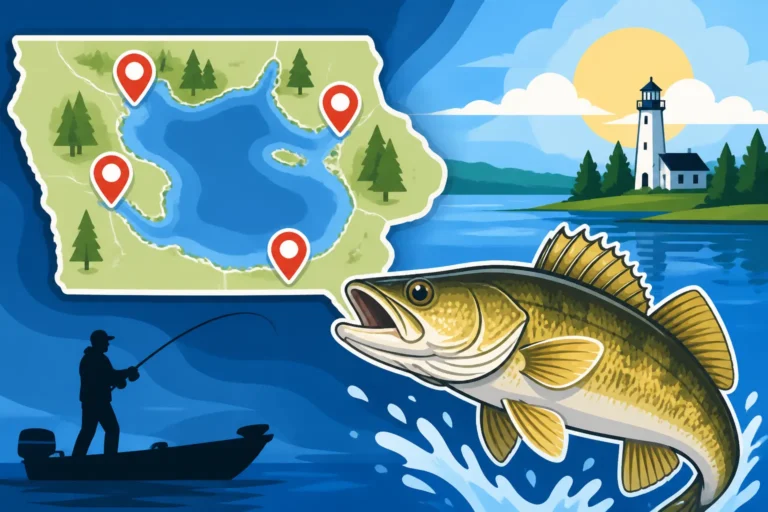
For many Iowa anglers, the thought of landing a trophy walleye brings a thrill unlike any other. Clear Lake, a shimmering gem in North Central Iowa, is renowned for its fantastic walleye fishing, but knowing where to cast your line can feel like searching for a needle in a haystack on such a diverse body of water. This comprehensive guide is here to unravel the mysteries of Clear Lake's walleye haunts, helping you pinpoint the best locations and techniques to increase your chances of a successful catch.
Understanding Clear Lake's Walleye Habitat
Before you even think about dropping a line, it’s crucial to understand what makes Clear Lake so attractive to walleye and how these elusive fish utilize the lake's unique characteristics. Walleye are predators, and like any good hunter, they need cover, ambush points, and a reliable food source. Clear Lake provides all of this in abundance.
Clear Lake's Unique Features
Clear Lake isn't your average farm pond; it's a natural glacial lake, which gives it a distinct character. Spanning roughly 3,600 acres with an average depth of 10 feet and a maximum depth nearing 20 feet in some spots, it offers a variety of underwater landscapes. You'll find everything from expansive shallow flats to sharp drop-offs, deep holes, rock reefs, and lush weed beds. This diversity is key to why walleye thrive here, offering them different environments as seasons change and forage moves. The lake's fertility also means a healthy population of baitfish like yellow perch and gizzard shad, which are prime food sources for growing walleye.
The bottom composition varies greatly across the lake. In some areas, you'll encounter a soft, silty bottom, perfect for burrowing baitfish or concealing walleye. Elsewhere, hard gravel, rock, and even remnants of old clam beds provide vital structure. Understanding these subtle differences is paramount; walleye often relate to these changes in the substrate, especially when they're not actively feeding in dense cover. A good depth finder can be your best friend in discerning these bottom transitions, helping you decipher the underwater map of the lake.
Walleye Behavior in Clear Lake
Walleye in Clear Lake exhibit classic behaviors for their species, often schooling up and moving with the baitfish. They are primarily crepuscular, meaning they are most active during dawn and dusk, although they can be caught throughout the day, especially in low-light conditions or deeper water. During bright sunny days, expect them to hug structure, dive into deeper oxygenated zones, or tuck themselves into dense weed beds to avoid the harsh light.
Their feeding patterns are heavily influenced by water temperature, available forage, and spawning cycles. In spring, post-spawn walleye will be shallow, recuperating and aggressively feeding. As summer heats up, they'll often retreat to cooler, deeper waters or dense vegetation, becoming more nocturnal. Fall sees a resurgence in aggressive feeding as they pack on weight for winter, often making them easier to locate during daylight hours. Knowing these general behaviors will help you adapt your approach, whether you're targeting them during the vibrant Spring Fishing in Iowa or braving the cold for Ice Fishing in Iowa.
Prime Walleye Locations on Clear Lake
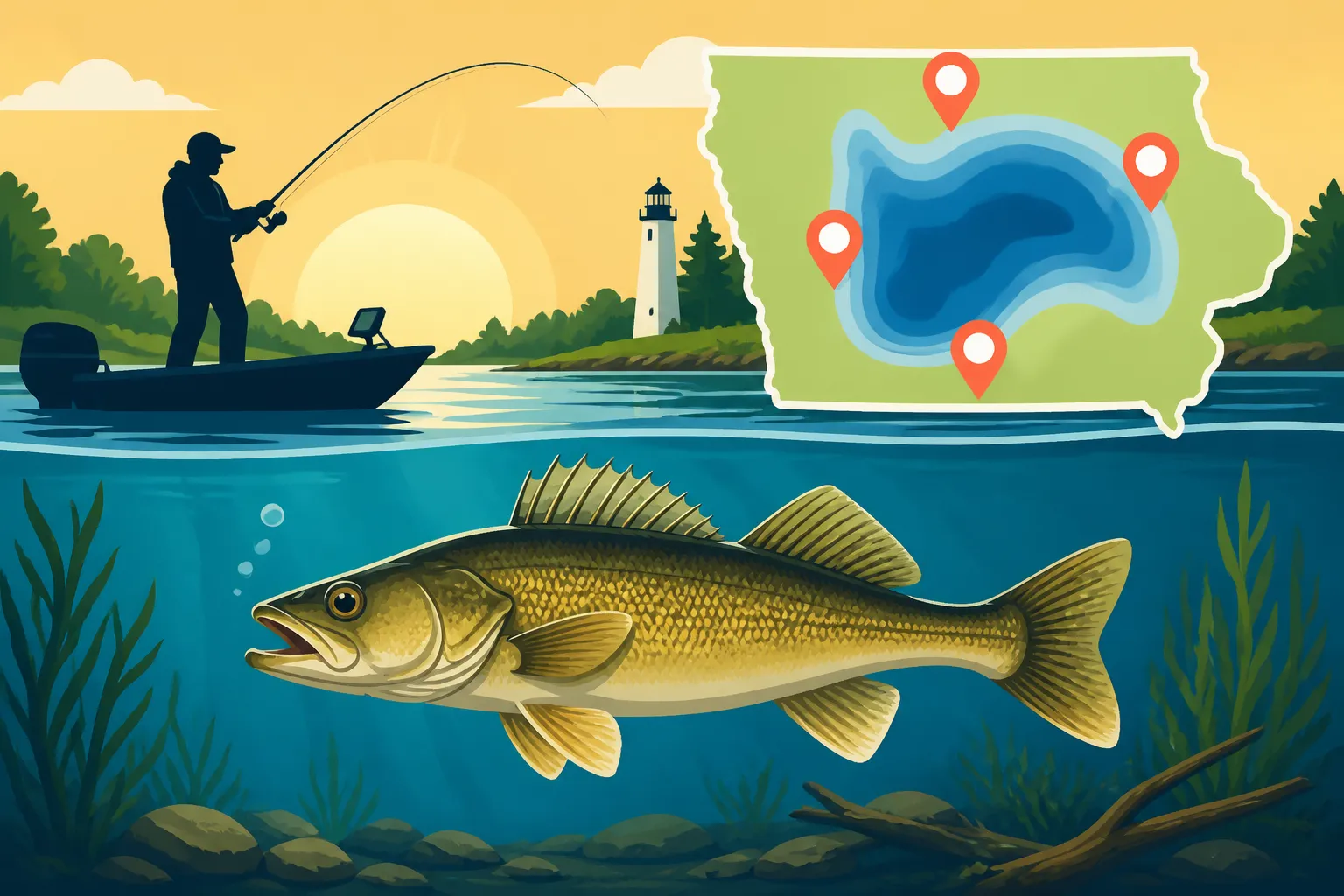
Clear Lake has several hotspots that consistently produce walleye. While fish can be found almost anywhere depending on the day, focusing your efforts on these well-known areas will significantly increase your odds.
The North Shore and Nearshore Weeds
The north shore of Clear Lake, particularly the areas around Farmers Beach and extending eastward, is a renowned walleye haven. This stretch features extensive weed lines, gradual drops, and plenty of shallow flats that warm up quickly in the spring. Walleye often cruise these weed edges, ambushing unsuspecting baitfish. These submerged vegetation beds offer critical cover, oxygen, and a buffet for walleye, especially during low light or when the wind is creating a good chop.
When fishing these areas, pay close attention to transitional zones where the weeds meet open water or where the weed species change. Sometimes, a subtle break in the weed line is all it takes to concentrate fish. Using weedless jigs, shallow-running crankbaits, or even a simple slip-bobber with a lively minnow can be incredibly effective here. Don't be afraid to cast right into the thicker stuff, as larger walleye often lurk deep within the cover, waiting to strike.
The Rock Reefs and Mid-Lake Structure
Clear Lake boasts several prominent rock reefs and subtle mid-lake humps that act as magnets for walleye. These structural elements break up the otherwise relatively flat bottom, providing current breaks, ambush points, and areas where baitfish congregate. The "Ventura Stone Pile" near Ventura Heights is a classic example, known for holding good numbers of walleye, particularly during transitional periods like spring and fall. Other, less obvious humps and bumps scattered throughout the central basin are also worth exploring.
Fishing these areas often requires a good understanding of your electronics. A quality fish finder can reveal not only the depth and contours of these reefs but also show you schools of baitfish and even individual walleye hugging the bottom. Vertical jigging with spoons or blade baits, or slowly trolling crankbaits over the top and along the edges of these structures, can be highly effective. The key is to stay in contact with the bottom, presenting your lure directly in the strike zone where these structure-oriented walleye reside. Finding these spots can be made easier with services like FishingBooker that list local guides who know these precise locations.
Outlet and Inlet Areas
The areas around Clear Lake's outlet (on the east side, near the dam) and the various smaller inlets and drainage points (especially on the west and south sides) can be phenomenal walleye producers. These areas often have slightly different water temperatures, increased current, and funnel baitfish, creating ideal feeding opportunities. The current associated with the outlet can be particularly attractive, providing a consistent flow of food and oxygen.
During the spring, pre-spawn and post-spawn walleye will often stage near these areas, making them prime targets for early-season anglers. Later in the year, after heavy rains, the influx of cooler, oxygenated water and runoff carrying nutrients can draw baitfish, and subsequently walleye, to these spots. Jigging with live bait, throwing suspending jerkbaits, or even casting paddle-tail swimbaits can entice strikes in these dynamic zones. Remember that Iowa Fishing Regulations Explained often have specific rules for fishing near dams or restricted areas, so always check the local signage.
Seasonal Walleye Movements and Best Times to Fish
Walleye behavior at Clear Lake changes dramatically with the seasons, impacting where and how you should fish. Adapting your approach to these seasonal patterns is crucial for consistent success. Knowing Iowa Fishing Season Dates and Limits will help you plan your trips.
Spring Spawning and Early Season Hotspots
As the ice recedes and water temperatures begin to climb into the 40s and 50s Fahrenheit, Clear Lake walleye shift their focus to spawning. Typically, this occurs from late March through April, depending on the specific weather patterns. During this time, they move into shallow, hard-bottomed areas, especially around the north shore, rock reefs, and near the lake's outlet. These locations provide the ideal substrate for depositing their eggs.
Post-spawn, these fish are often ravenous, recuperating from the rigors of spawning. They'll linger in shallower waters, often along weed edges and shallow points, feeding aggressively. Early season mornings and evenings can be incredibly productive. Casting crankbaits or lipless crankbaits, or slowly dragging jigs tipped with minnows, are highly effective techniques. The water clarity is usually good, so natural colors often outperform brighter ones. If you're wondering about the specific opening, the Iowa Walleye Season Opening Day typically sees a lot of activity around these very spots.
Summer Deep Water and Night Fishing
When Clear Lake's water temperatures rise into the 70s and 80s during summer, walleye tend to seek refuge in deeper, cooler, and more oxygenated water. This means focusing your efforts on the deeper basins, around mid-lake humps, and the outer edges of the expansive weed beds. During the brightest parts of the day, they might be found suspended over deep water, or tucked tightly into thick vegetation.
Summer is also prime time for night fishing for walleye on Clear Lake. As the sun sets, these fish often move shallower to feed under the cover of darkness. Trolling crankbaits along the weed lines or casting stickbaits into shallow bays can be incredibly productive after dark. For daytime fishing, vertical jigging with a lively leech or crawler on a jig, or employing a How to Rig a Crawler Harness for Walleye and slowly trolling over structure, are excellent strategies. Look for schools of baitfish on your fish finder and remember that walleye are usually not far behind.
Fall Feeding Frenzy and Pre-Winter Prep
As autumn arrives and water temperatures begin to drop, Clear Lake walleye enter a pre-winter feeding frenzy, trying to pack on as much weight as possible before the lean months of ice cover. This is often considered one of the best times to catch larger walleye, and their activity can extend throughout the day, not just at dawn and dusk. They become more aggressive and less wary, often found relating to similar structures as in spring but at slightly deeper depths.
Concentrate your efforts on the deeper edges of weed lines, rock reefs, and main lake points where baitfish are congregating. Trolling with larger crankbaits, casting jigs tipped with substantial minnows, or even using a slow-troll approach with bottom bouncers and crawler harnesses can be highly effective. The fish are often schooled up, so once you find one, you're likely to find more. This period is a fantastic opportunity to land a true Clear Lake trophy walleye before the ice season begins, marking the end of the open-water fishing year for many.
Essential Gear and Techniques for Clear Lake Walleye
Having the right tools and knowing how to use them are just as important as knowing where to find the fish. Clear Lake's diverse walleye habitats call for a versatile approach to gear and techniques.
Recommended Rods, Reels, and Line
For general walleye fishing on Clear Lake, a medium-light to medium power spinning rod, 6'6" to 7' in length, is a great all-around choice. This length provides good casting distance and sensitivity, allowing you to detect those subtle walleye bites. Pair it with a 2500 or 3000 series spinning reel, spooled with 8-10 pound test braided line. The no-stretch nature of braid offers superior sensitivity and hook-setting power, especially in deeper water or when fishing through weeds. A fluorocarbon leader of 6-8 pound test, about 3-5 feet long, should be tied to the end of your braid for invisibility and abrasion resistance. If you prefer a baitcasting setup, a medium power, fast action rod around 6'6" to 7'2" with a good quality baitcaster spooled with 10-15 pound braid is excellent for trolling or casting heavier lures. For more detailed guidance, check out a broader Iowa Fishing Gear Guide.
Proven Lures and Baits for Clear Lake
Walleye in Clear Lake respond well to a variety of presentations. Minnows, leeches, and nightcrawlers are quintessential live baits that are always effective. Whether fished under a slip-bobber, tipped on a jig, or trolled on a crawler harness, live bait is a consistent producer. Minnows are especially potent in cooler water, while leeches and crawlers shine in warmer conditions. You can find more specific recommendations in guides like Best Live Bait for Iowa Walleye.
When it comes to artificials, crankbaits are king, especially for trolling. Colors like perch, firetiger, chrome/blue, and various shad patterns are consistently good. Shallow-running crankbaits work well over weed beds, while deeper divers are ideal for trolling over reefs and open water. Jigs are incredibly versatile; 1/8 to 1/4 ounce jigs, tipped with a plastic grub or a live minnow, are perfect for pitching to weed edges or vertically jigging structure. Blade baits and jigging spoons also excel when vertically fishing over schools of walleye found on your fish finder. Don't overlook soft plastics like paddle-tail swimbaits or simple twister tails on a jig head, especially for active fish.
Effective Fishing Techniques
- Trolling: This is arguably one of the most effective ways to cover water on Clear Lake and find active walleye, especially when they're scattered. Trolling crankbaits at various depths, or using bottom bouncers with crawler harnesses, allows you to present your bait to a wide area. Experiment with speeds, typically between 1.5 to 2.5 mph, and vary your lure depth until you find what the fish are keying in on. Using a reliable trolling motor, such as those recommended in Best Trolling Motor for Small Iowa Lakes, can make a huge difference in maintaining consistent speed and direction.
- Jigging: Whether vertical jigging over structure or pitching jigs to weed lines and shallow points, jigging is a fundamental walleye technique. For vertical jigging, use your electronics to locate fish or structure, drop your jig directly to the bottom, and impart a subtle lift-and-drop retrieve. For pitching, cast your jig, let it sink, and slowly retrieve it with small hops or drags along the bottom. Walleye often hit on the fall or when the jig is sitting still.
- Slip-Bobbering: When walleye are suspended or holding tightly to specific cover like weed edges or brush piles, slip-bobber fishing with live bait is unbeatable. This method allows you to precisely present your bait at a consistent depth, keeping it in the strike zone longer. It's particularly effective in calmer conditions or when you're targeting fish in a specific area, like those reported on FishingBooker by local anglers.
Remember, flexibility is key. What works one day might not work the next. Pay attention to weather changes, wind direction, and water conditions. Don't be afraid to experiment with different lures, colors, depths, and retrieves until you crack the code for Clear Lake's walleye. Good luck out there!
Disclaimer
Fishing regulations, license requirements, and seasonal rules can change. Always consult the official Iowa Department of Natural Resources (DNR) website or their current fishing regulations booklet before heading out on the water. This article is intended for informational purposes only and does not supersede state or local laws.