Can You Fish for Sturgeon on the Big Sioux River?
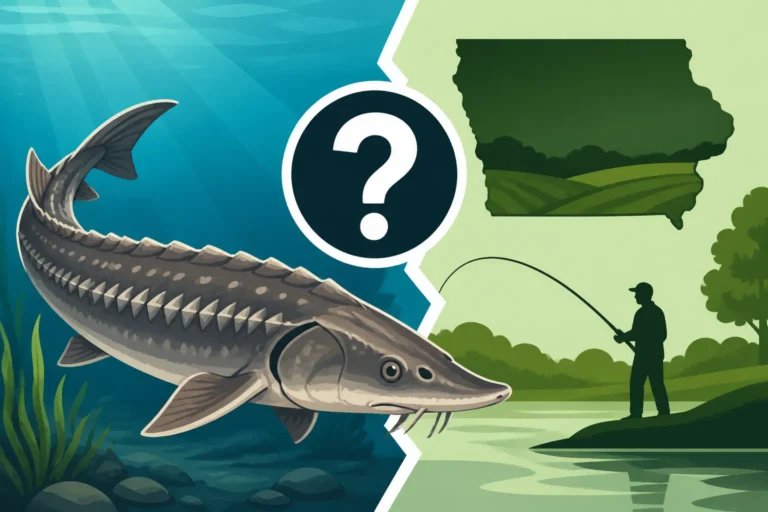
It's an interesting question that many anglers ponder, especially when casting a line into the unique waters of the Big Sioux River: can you actually fish for sturgeon here? The truth is, Iowa's sturgeon regulations can be a bit of a labyrinth, with different rules for different species and even specific bodies of water. This guide will unravel the complexities, clarify what's allowed and what's definitely not, and equip you with the knowledge to navigate sturgeon fishing responsibly on the Big Sioux.
Understanding Sturgeon on the Big Sioux River: The Critical Question
When you're out on the Big Sioux River, a beautiful stretch of water that forms part of Iowa's western border with South Dakota, it's natural to wonder about all the creatures swimming beneath the surface. Sturgeon, with their ancient, armored appearance, are a particularly fascinating catch, but they come with a distinct set of rules that every angler needs to understand. Unlike more common species like walleye or catfish, sturgeon in Iowa are largely protected, and their management is a delicate balance.
The Big Sioux River presents a unique scenario because it's a border water. This means that both Iowa and South Dakota have a say in its management, and sometimes, reciprocal agreements dictate whose rules apply or if the stricter rule prevails. Generally speaking, Iowa's fishing regulations are quite clear on sturgeon, primarily focusing on two species: the Lake Sturgeon and the Shovelnose Sturgeon. Knowing the difference and their respective legal statuses is paramount before you even think about dropping a line.
Many anglers get a thrill from the sheer size and prehistoric feel of these fish. However, that excitement must always be tempered with respect for conservation. The Big Sioux River, like many of Iowa's larger rivers, provides crucial habitat for various fish species, and maintaining these populations, especially for sensitive species like sturgeon, is a top priority for state agencies. So, let's dive into the specifics of what this means for your fishing ambitions on the Big Sioux.
Iowa's Sturgeon Species: Lake vs. Shovelnose
Iowa is home to two primary sturgeon species: the Lake Sturgeon and the Shovelnose Sturgeon. While they both belong to the same ancient family, their conservation status and the rules surrounding them couldn't be more different. Misidentifying one for the other can lead to serious consequences, so it's critical to know the key characteristics of each.
The Lake Sturgeon (Acipenser fulvescens) is Iowa's largest and most imperiled fish species. These magnificent creatures can live for over a century and grow to immense sizes, often exceeding six feet in length and weighing over 100 pounds. Unfortunately, due to habitat loss, pollution, and historical overfishing, Lake Sturgeon populations in Iowa were decimated. They are now classified as an endangered species in Iowa and are fully protected. This means that if you accidentally catch a Lake Sturgeon anywhere in Iowa, including the Big Sioux River, you must release it immediately, unharmed. Any attempt to possess or intentionally fish for Lake Sturgeon is strictly prohibited and carries severe penalties.
In stark contrast, the Shovelnose Sturgeon (Scaphirhynchus platorynchus) is much more common in Iowa's larger rivers. They are significantly smaller than Lake Sturgeon, typically only reaching lengths of 20-30 inches and weighing a few pounds. While not endangered, their populations are still managed carefully. On certain waters, and under specific conditions, Shovelnose Sturgeon might have a limited harvest season or bag limit. However, specific rules apply to different river systems, and border rivers like the Big Sioux often have their own unique set of guidelines. It's crucial to consult the most current Iowa Fishing Regulations Explained for the Big Sioux River to confirm if any harvest is permitted.
Big Sioux River Specifics: Border Water Challenges
Fishing on a border river like the Big Sioux adds a layer of complexity to the regulations. The Big Sioux River forms the western boundary of Iowa, separating it from South Dakota. This means that anglers must be aware of both states' rules. Generally, for reciprocal waters, if you possess a valid fishing license from either Iowa or the bordering state (South Dakota, in this case), you can legally fish in those waters. However, this reciprocity usually applies to licensing and not always to specific species regulations, especially for protected fish.
For species like sturgeon, it's usually the stricter regulation that applies, or each state's individual rules for that specific species govern its own side of the river. For example, Iowa’s strict protection of Lake Sturgeon means that no matter where you are on the Big Sioux, if you catch one, it must be immediately released. For Shovelnose Sturgeon, while some limited harvest is allowed on other river systems in Iowa, the Big Sioux River's regulations specifically state that Shovelnose Sturgeon fishing is catch and release only on this stretch of water. There is no open season for keeping Shovelnose Sturgeon from the Big Sioux River. This rule aligns with the broader conservation efforts for these species in the region.
This catch-and-release requirement means that while you can technically fish in areas where Shovelnose Sturgeon might be present, you are explicitly prohibited from keeping them. This is an important distinction and highlights why understanding specific regulations for Shovelnose Sturgeon Season and Limits is vital. Always have your Iowa Fishing License Guide handy and be prepared to release any sturgeon you encounter.
Sturgeon Identification and Protection in Iowa Waters
The ancient lineage of sturgeon makes them a truly unique and fascinating fish to encounter. However, their physical similarities can sometimes make identification tricky, which is precisely why anglers need to be extra vigilant. Distinguishing between a protected Lake Sturgeon and a catch-and-release only Shovelnose Sturgeon is not just good practice; it's a legal necessity. Their protection status is a testament to their ecological importance and the efforts being made to ensure their survival for future generations.
It’s easy to get caught up in the moment when you hook into a powerful fish, but a quick and accurate identification is crucial for adhering to Iowa’s conservation laws. Carrying a simple fish identification guide, many of which are readily available on Amazon, can be incredibly helpful. These guides often feature clear illustrations and highlight key distinguishing features, making on-the-spot identification much easier, even for species that look similar at first glance.
Beyond the legal aspect, understanding why these fish are protected helps foster a deeper appreciation for their role in our aquatic ecosystems. Lake Sturgeon, in particular, serve as indicators of river health. Their presence, or lack thereof, can tell us a lot about the condition of the water and habitat. Engaging in responsible angling practices ensures we are contributing to, rather than detracting from, these vital conservation efforts.
Key Differences Between Lake and Shovelnose Sturgeon
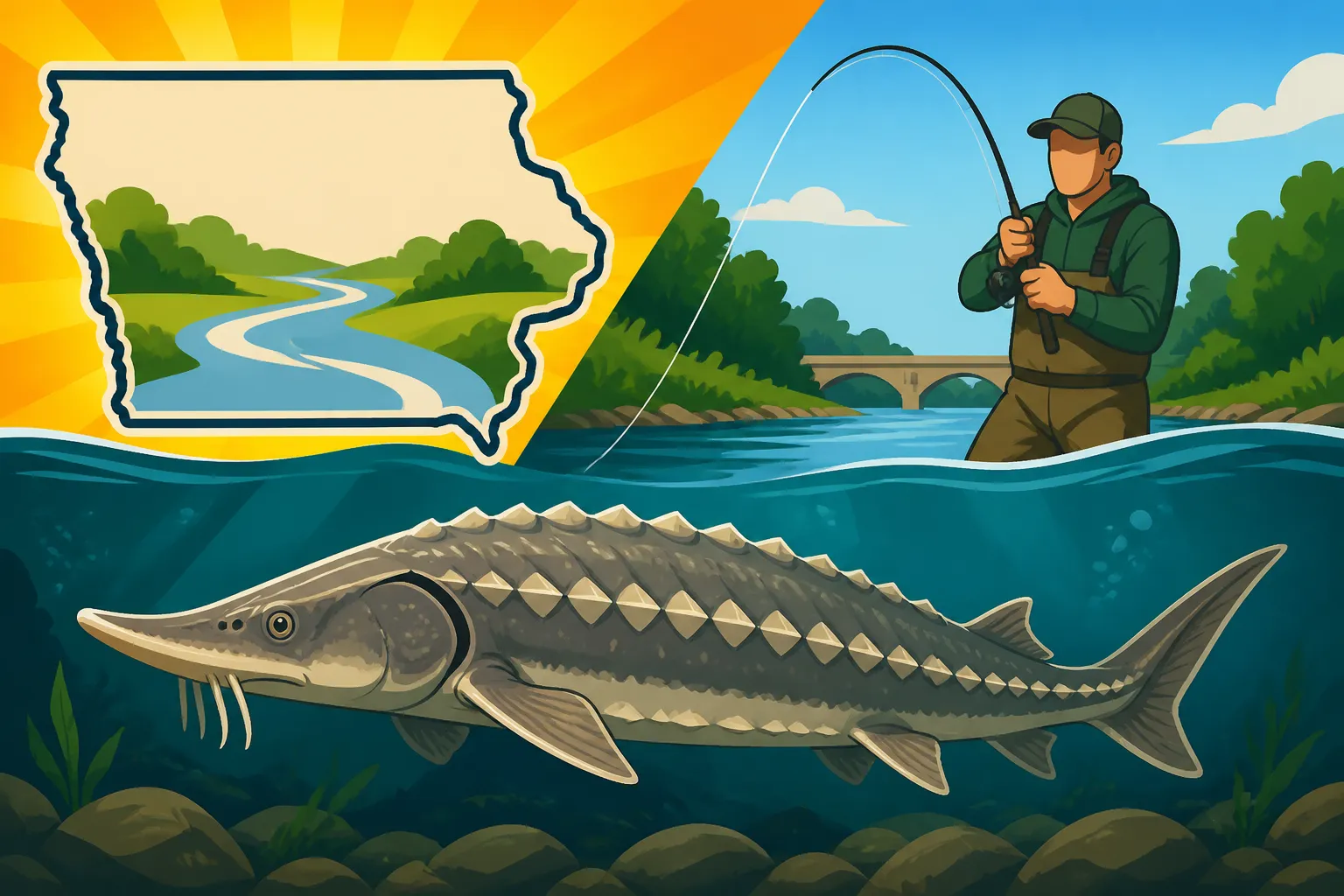
While both sturgeon species share that distinctive shark-like tail and rows of bony plates (scutes) along their bodies, there are several key differences that will help you tell them apart:
| Feature | Lake Sturgeon (Protected) | Shovelnose Sturgeon (Catch & Release on Big Sioux) |
|---|---|---|
| Size | Much larger, often 3-6 feet (or more), 100+ lbs | Smaller, typically 20-30 inches, a few pounds |
| Snout Shape | Shorter, blunt, and somewhat cone-shaped | Longer, flattened, shovel-like (hence the name) |
| Barbel Fringes | Smooth, un-fringed barbels (whisker-like feelers) | Fringed barbels with small finger-like projections |
| Belly Scutes | Usually no bony scutes on the belly between the anus and anal fin | Always has bony scutes fully covering the belly between the anus and anal fin |
| Dorsal Scutes | Fewer, larger, smoother dorsal scutes | More numerous, sharper, star-shaped dorsal scutes |
| Coloration | Variable, often olive green to brown on top, lighter belly | Grayish brown on top and sides, white belly |
One of the most reliable identification points, especially for smaller specimens that might be mistaken, is the presence or absence of bony scutes (plates) on the belly between the anal fin and the anus. Shovelnose Sturgeon will have a full row of these plates, while Lake Sturgeon typically will not. Another good indicator is the barbels – the four whisker-like sensory organs under their snout. Shovelnose Sturgeon have distinct fringes on their barbels, making them look somewhat feathered, whereas Lake Sturgeon barbels are smooth. For more detailed visual comparisons, searching for "How to Tell a Walleye From a Sauger" or other fish identification guides can provide context, even though it's a different species.
Why Lake Sturgeon Are So Protected
The robust protection status of the Lake Sturgeon in Iowa stems from a long history of decline and the species' inherently vulnerable life cycle. Lake Sturgeon are slow-growing and late-maturing fish. Females don't typically spawn until they are 20-25 years old, and then only every 3-5 years. This slow reproductive rate means that their populations are incredibly sensitive to fishing pressure, habitat degradation, and pollution.
Historically, Lake Sturgeon were abundant in many of Iowa's large river systems, including the Mississippi and Missouri Rivers and their major tributaries. However, the construction of dams, which fragmented their migratory routes and spawning grounds, coupled with overharvesting in the late 19th and early 20th centuries for their meat and roe (caviar), led to a catastrophic collapse of their populations. Today, the Iowa Department of Natural Resources (DNR) and other agencies are actively working on recovery efforts, including stocking programs and habitat restoration projects.
Because of this critically imperiled status, the directive is clear: Lake Sturgeon must be treated with the utmost care and immediately released if caught. This stringent rule is why questions like "Can You Keep a Lake Sturgeon in Iowa?" are unequivocally answered with a firm "no." Every individual Lake Sturgeon is precious to the long-term viability of the species, and responsible angling plays a crucial role in their recovery.
What to Do if You Hook a Sturgeon on the Big Sioux
Even with the best intentions and thorough knowledge of regulations, there's always a chance you might accidentally hook a sturgeon while fishing for other species on the Big Sioux River. This is especially true for Shovelnose Sturgeon, which share similar habitats and food sources with popular game fish like catfish and drum. If this happens, your actions in those critical moments are paramount for the fish's survival and to ensure you remain in compliance with the law.
The initial surprise of a sturgeon on your line can be exciting, but it's important to quickly shift your focus to careful handling and release. Unlike handling a bass or a panfish, sturgeon require a bit more finesse due to their unique body structure and their protected status. Having the right tools on hand can make all the difference. For instance, a quality pair of long-nosed pliers, easily purchased from Amazon, can be invaluable for quickly and safely removing hooks without causing undue stress or injury to the fish.
Remember, the goal is always to minimize stress and get the fish back into the water as quickly and safely as possible. Knowing the proper techniques for handling and releasing these ancient fish is a mark of a truly responsible angler and directly contributes to their conservation.
Safe Handling and Release Techniques
If you find yourself with a sturgeon on your line, here's a step-by-step guide to ensure a safe release:
- Reel in Quickly and Gently: Fight the fish efficiently but avoid over-exhausting it. Keep tension on the line, but don't horse it in. The quicker you land it, the less stressed it will be.
- Keep it in the Water if Possible: The best way to handle any fish, especially a large or sensitive one, is to keep it in the water. If it’s small enough to manage, try to remove the hook while the fish is still submerged.
- Support its Body: If you must remove the fish from the water for a brief moment, always support its entire body horizontally. Avoid holding sturgeon vertically by the tail or gills, as this can cause serious internal damage due to their heavy, elongated bodies. If it’s a larger Shovelnose, cradle it with both hands, one supporting the head area and the other under the tail.
- Remove the Hook Carefully: Use your long-nosed pliers or a de-hooking tool to remove the hook as quickly and gently as possible. If the hook is deeply swallowed or difficult to remove without causing significant harm, it's often better to cut the line as close to the hook as possible. Barbless hooks can make release much easier, and many experienced sturgeon anglers advocate for their use.
- Minimize Air Exposure: Keep the fish out of the water for the absolute minimum amount of time required for hook removal and a quick photo if you absolutely must. Every second out of water is stressful.
- Allow for Recovery: Once the hook is removed, gently guide the sturgeon back into the water. Hold it upright in the current, supporting its belly, until it regains its strength and can swim away on its own. It might take a minute or two for it to kick strongly. Don't just toss it back; ensure it's ready.
These techniques are not just for sturgeon; they're excellent practices for catch-and-release fishing for any species. They demonstrate respect for the resource and ensure the fish you release has the best chance of survival.
Reporting Incidental Catches and Violations
While accidental catches are part of fishing, intentionally fishing for protected species or observing someone else doing so is a different matter entirely. If you happen to catch a Lake Sturgeon on the Big Sioux, or witness someone violating the catch-and-release rule for Shovelnose Sturgeon or attempting to harvest any sturgeon, it's important to know how to report it.
The Iowa DNR relies on vigilant citizens to help enforce regulations and protect precious natural resources. You can report violations by contacting the DNR Law Enforcement Bureau. Their Turn-In-Poachers (TIP) program is an effective way to report suspected poaching or other conservation violations anonymously. You can find information on How to Report a Fishing Violation in Iowa through the Iowa DNR website. When reporting, try to gather as much detail as possible: the date, time, specific location, description of the individuals, boat registration numbers, and the nature of the violation.
Remember, conservation is a shared responsibility. By understanding and adhering to the regulations, and by reporting those who don't, you're doing your part to protect Iowa's unique aquatic wildlife and ensure that future generations can also experience the thrill of Iowa Fishing.
Beyond Sturgeon: Fishing Opportunities on the Big Sioux River
While the sturgeon regulations on the Big Sioux River are quite strict, don't let that deter you from exploring this fantastic waterway! The Big Sioux offers a wealth of other exciting fishing opportunities for a variety of popular game fish. It's a vibrant ecosystem that supports healthy populations, making it a great destination for anglers of all skill levels, whether you prefer bank fishing or hitting the water in a boat or kayak.
Understanding the river's character and what species are most prevalent will help you plan a successful outing. The current and structure in the Big Sioux provide diverse habitats, from calm backwaters to riffles and deeper holes, each attracting different types of fish. Having a good understanding of Iowa Fishing Daily Bag Limits Guide for these other species is just as important as knowing the sturgeon rules.
Don't forget to double-check your Iowa Fishing Season Dates and Limits before you go, as these can vary by species and sometimes by water body. The Big Sioux River truly offers a diverse angling experience, even without targeting sturgeon.
Common Game Fish in the Big Sioux
The Big Sioux River is renowned for its excellent populations of several popular game fish. If you're heading out to fish this border river, chances are good you'll encounter some of these:
- Channel Catfish: Hands down, channel catfish are a dominant species in the Big Sioux. They thrive in the river's currents and various depths, providing excellent fishing from spring through fall. Anglers often find success using traditional baits like cut bait, stink bait, or even worms fished on the bottom. The river's plentiful catfish mean there's often a good bite to be had, making it a favorite for many.
- Smallmouth Bass: While not as widespread as channel cats, smallmouth bass can be found in rocky areas and current breaks along the Big Sioux. These hard-fighting fish are a thrill to catch on artificial lures like crankbaits, spinnerbaits, or jigs. Look for areas with submerged rocks, logs, or other current-breaking structures.
- Walleye and Sauger: Like many of Iowa's larger rivers, the Big Sioux can offer good walleye and sauger fishing, particularly during spring and fall migrations. These toothy predators often relate to deeper holes, current seams, and structure. Jigging with live bait (minnows or nightcrawlers) or trolling crankbaits are effective methods.
- Panfish (Crappie, Bluegill, Sunfish): While typically associated with lakes, panfish can be found in the calmer backwaters, oxbows, and slower stretches of the Big Sioux. Look for areas with submerged vegetation or fallen timber. Small jigs, wax worms, or even tiny spinners can entice a bite.
- Freshwater Drum: Often overlooked but a fun fight on light tackle, freshwater drum (also known as sheepshead) are common throughout the river. They'll readily take baits intended for catfish or walleye and put up a surprisingly strong fight.
For more specific guidance on where to find these fish, exploring resources like Big Sioux River Fishing Spots can give you a head start on planning your trip.
General Regulations and Best Practices for Border Waters
Fishing on any border water, like the Big Sioux, requires a bit more attention to the rulebook. Beyond the specific sturgeon regulations, here are some general guidelines and best practices:
- Licensing: As mentioned, a valid Iowa fishing license is generally sufficient to fish the Big Sioux River. However, if you're an out-of-state angler, it's wise to review Iowa Fishing Rules for Out-of-State Anglers to understand any specific requirements. While reciprocal agreements usually cover the license itself, always check the current regulations as they can change.
- Reciprocal Rules: For most common species, the daily bag and possession limits for the Big Sioux River are typically consistent, often defaulting to either the federal limits for border rivers or a mutually agreed-upon limit between Iowa and South Dakota. However, it's always best to check the current Iowa DNR Fishing Regulations booklet or website, as these specific rules for border waters can sometimes differ from inland waters. For example, understanding Reciprocal Fishing Rules on the Missouri River Border can provide context for how these agreements work on other large border rivers, offering insight into what to expect on the Big Sioux.
- Boat Registration: If you're using a boat, ensure it's properly registered in your state of residence. Boating regulations, including safety equipment requirements, are typically enforced by both states on border waters.
- Check for Advisories: Before heading out, always check the Iowa DNR website for any current advisories, such as flood warnings, low-water conditions, or fish consumption advisories specific to the Big Sioux River.
- Leave No Trace: Practice good outdoor ethics. Pack out everything you pack in, and leave the area cleaner than you found it. Dispose of fishing line and other trash properly.
- Respect Private Property: Even if you're fishing from the shore, be mindful of private property lines. Always seek permission before accessing private land. If you're wondering about general access, "Do You Need a License to Fish From Shore?" might answer some basic questions about public access points.
By being informed and responsible, you can enjoy a fantastic and legal fishing experience on the Big Sioux River, catching plenty of fish while contributing to the health and sustainability of its unique ecosystem.
Disclaimer
Please note that fishing regulations, including those pertaining to sturgeon and other species on the Big Sioux River, are subject to change. While every effort has been made to provide accurate and up-to-date information in this guide, it is your responsibility as an angler to consult the most current Iowa Department of Natural Resources (DNR) Fishing Regulations prior to any fishing activity. Always refer to the official Iowa DNR website or printed regulation booklet for the definitive rules and any recent amendments. This content is for informational purposes only and should not be considered legal advice.