Best Base Layer for Ice Fishing
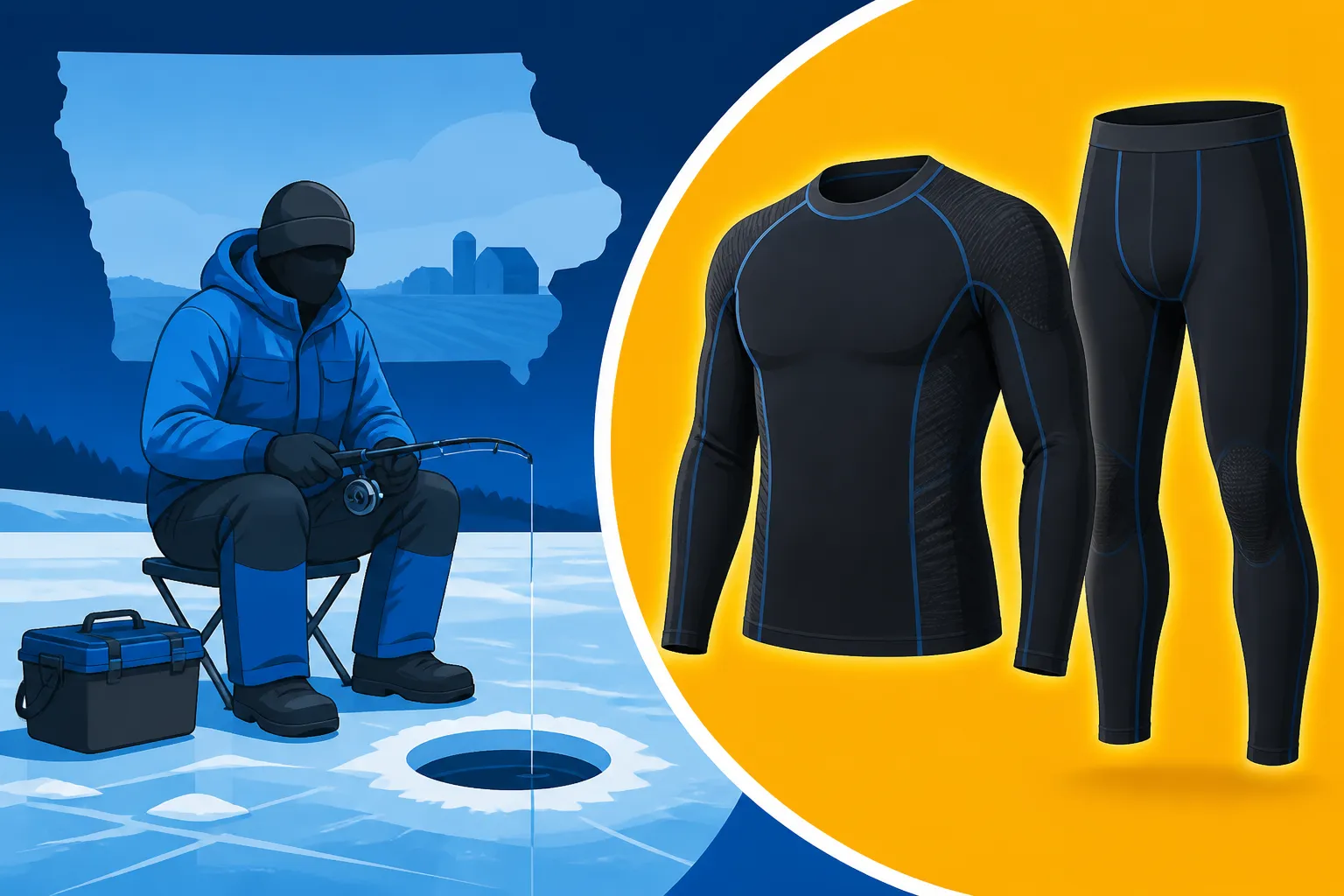
Oh, the crisp, biting air of an Iowa winter day, especially when you're out on the ice, can be absolutely brutal if you're not dressed right. Many folks make the mistake of just throwing on a heavy jacket and calling it good, only to find themselves shivering violently an hour later, wishing they'd stayed home. But here's the secret to staying warm and comfortable all day long: it all starts with your base layer. This guide is going to walk you through everything you need to know about choosing the best base layer to keep you toasty while you're chasing those walleye and panfish across Iowa's frozen lakes.
Why Your Base Layer is the Foundation of Ice Fishing Warmth
When you're out ice fishing, staying warm isn't just about comfort; it's about safety. Hypothermia is a real threat when temperatures plummet and you're exposed to the elements for hours. The biggest mistake anglers make is thinking "more layers equals warmer." While layering is key, the type of layers, especially the one closest to your skin – your base layer – is what truly makes or breaks your comfort. It's not just about insulation; it's about managing moisture.
Imagine you're out drilling holes, setting tip-ups, or even just reeling in a big one. You exert energy, you start to sweat. If that sweat stays trapped against your skin, it cools down rapidly, leaving you feeling damp, clammy, and ultimately, freezing cold. This is where a good base layer steps in. It's designed to do one crucial job: wick moisture away from your skin, moving it to the outer layers of your clothing where it can evaporate. This keeps your skin dry, which is absolutely paramount for maintaining your core body temperature. Without this crucial first line of defense, even the thickest parka won't save you from feeling chilled to the bone once you start to sweat a little. It’s like trying to bail out a leaky boat with a teacup – you need a proper system!
The Science of Staying Dry and Warm
The magic behind a good base layer isn't really magic at all; it's clever fabric technology. These materials are engineered to be "hydrophobic" (water-repelling) on the inside, close to your skin, and "hydrophilic" (water-attracting) on the outside. This creates a capillary action, effectively pulling sweat droplets away from your body and pushing them through the fabric to the next layer. It’s a constant, silent battle against moisture, and your base layer is fighting on your side.
Think about it like this: your body constantly generates heat. When you're active, it generates more. That heat often comes with moisture – sweat. If that moisture cools on your skin, it draws heat away from your body, making you feel cold even if you're bundled up. By wicking it away, the base layer allows your body's natural insulation (the air trapped in your other layers) to do its job effectively, maintaining a stable, warm microclimate around your skin. This is why cotton, for example, is the absolute worst choice for a base layer; it absorbs moisture and holds onto it, becoming a cold, damp compress against your skin. Nobody wants that when the wind chill is making your cheeks numb. For more on preparing for the cold, check out What to Wear Ice Fishing in Iowa.
Understanding Base Layer Materials: What Keeps You Warmest?
When it comes to base layers, you've generally got two main contenders: natural fibers like merino wool, and various synthetic blends. Both have their strengths and weaknesses, and understanding these differences is key to making the right choice for your Iowa ice fishing adventures. There’s no single “best” material for everyone, as personal preference, activity level, and the specific conditions you’re fishing in will all play a role.
Merino Wool: The Natural Powerhouse
Merino wool isn't your grandma's scratchy wool sweater. Modern merino is incredibly fine, soft, and feels great against the skin. It’s truly a fantastic choice for ice fishing for several reasons. First, it’s an excellent insulator, even when it gets a little damp. This is a huge advantage. If you sweat a bit and your merino base layer gets a little moist, it still retains a good portion of its insulating properties, unlike synthetics that can feel clammy once wet. Second, merino wool is naturally odor-resistant. This is a big plus for multi-day trips or if you’re heading straight from the ice to grab a bite with your buddies – no one wants to smell like a wet dog!
However, merino wool can be more expensive than synthetic options, and it tends to be a bit less durable over time, especially if not cared for properly. It also dries a little slower than most synthetics. For someone who tends to sweat a lot and needs maximum moisture management, a synthetic might pull moisture away faster, though merino still wicks very well. Still, for warmth, comfort, and natural odor control, it’s hard to beat. Brands like Smartwool or Icebreaker are well-known for their quality merino wool products, and you can often find them at outdoor retailers or sometimes on Amazon with a wide selection of weights and styles.
Synthetic Blends: The Performance Workhorses
Synthetic base layers are typically made from polyester, polypropylene, or a blend of both. These materials are specifically engineered for moisture-wicking and quick-drying capabilities. They excel at moving sweat away from your skin and allowing it to evaporate quickly, which is critical if you're highly active (think lots of hole drilling or walking across a large lake). Synthetics are generally more affordable than merino wool, and they are incredibly durable, standing up to repeated washing and hard use.
The downside? They don't offer the same level of warmth as merino wool when wet, and they are notoriously prone to holding onto odors. After a long day of sweating in a synthetic base layer, you’ll definitely want to get it into the wash quickly! Many synthetic base layers are now treated with antimicrobial finishes to combat odor, which helps a lot. When considering synthetic options, look for terms like "technical fabric," "wicking," or "quick-dry." You'll find a vast array of synthetic base layers at stores like Bass Pro Shops, from budget-friendly options to high-performance athletic wear.
Here’s a quick comparison of the two main types to help you decide:
| Feature | Merino Wool | Synthetic Blends (Polyester/Polypropylene) |
|---|---|---|
| Warmth (dry) | Excellent | Good to Excellent, depending on weight |
| Warmth (wet) | Very Good (retains warmth even when damp) | Fair (can feel cold and clammy when wet) |
| Moisture Wicking | Excellent | Excellent (often dries faster) |
| Odor Resistance | Naturally High | Low (unless treated with antimicrobial agents) |
| Drying Time | Moderate | Fast |
| Comfort | Soft, non-itchy | Smooth, can feel a bit "slick" |
| Durability | Good (can be prone to holes if not cared for) | Excellent (very robust) |
| Cost | Higher | Lower to Moderate |
| Best For | Cold conditions, less intense activity, multi-day use | High activity, very cold conditions, single-day use |
Understanding Base Layer Weights
Just like your outer layers, base layers come in different "weights," which refers to their thickness and how much insulation they provide.
- Lightweight: These are best for high-aerobic activity in moderately cold weather, or as a true "next-to-skin" layer under other base layers if you run very cold. They prioritize moisture-wicking above all else.
- Midweight: This is often the sweet spot for many ice anglers in Iowa. Midweight base layers offer a good balance of warmth and moisture management, suitable for most typical winter days on the ice. They provide significant insulation without being overly bulky.
- Heavyweight: When the mercury truly plummets, or if you're fishing in extreme cold with minimal activity, heavyweight base layers are your best friend. They offer maximum warmth but might not wick moisture as aggressively as lighter options, so they're best for days when you expect less strenuous activity.
For most Iowa ice fishing days, especially when you're moving around a bit, a good midweight base layer is usually the ideal choice. If you're someone who gets cold easily, or the forecast calls for truly brutal temperatures, don't hesitate to bump up to a heavyweight. You might even consider wearing a lightweight merino base layer under a midweight synthetic for the ultimate blend of warmth, wicking, and odor control. For more on different gear, see our Ice Fishing Gear Basics for Beginners guide.
Layering for Iowa's Winter: Beyond the Base
Your base layer is critical, but it's just the starting point of a successful layering system. To truly conquer Iowa's winter on the ice, you need to understand how your base layer works in conjunction with your mid-layers and outer shell. Think of it as a finely tuned system, where each piece has a specific job.
The Mid-Layer: Insulation and Warmth
Once your base layer has wicked sweat away, your mid-layer's job is to provide the bulk of your insulation. This is where you trap warm air close to your body. Common mid-layer materials include fleece, down, or synthetic insulation. A good mid-layer should be breathable enough to allow any residual moisture from your base layer to pass through, but thick enough to keep you warm.
For ice fishing, a thick fleece jacket or a puffy vest/jacket with synthetic insulation works wonders. The key here is to choose materials that still perform well if they get a little damp. For instance, synthetic insulation retains warmth even when wet, making it a safer bet than down if there's any chance of getting soaked. You might choose a thinner mid-layer if your activity level is high, or a thicker one if you plan on sitting still in an ice shanty for hours. Remember, you can always shed or add a mid-layer to adjust to changing conditions. You can read more about how to dress for varying conditions in How Warm to Dress for Iowa Ice Fishing.
The Outer Shell: Protection from the Elements
The outer shell is your fortress against wind, snow, and slush. Its primary job is to be waterproof and windproof. This layer doesn't necessarily provide much warmth on its own, but it prevents the harsh Iowa wind and precipitation from penetrating your inner layers, which would quickly rob you of your body heat. Look for materials with a waterproof/breathable membrane, like Gore-Tex or similar proprietary technologies.
For ice fishing, many anglers opt for specialized ice fishing suits (bibs and jackets) that are designed with these elements in mind, often featuring extra insulation and reinforcement in key areas. These suits also often incorporate flotation assistance, which is a huge safety feature on the ice. A good outer shell, combined with your wicking base layer and insulating mid-layer, completes your defense against whatever Old Man Winter throws your way. The protection offered by a solid outer shell is paramount for safety when you are on thin ice, which you can learn more about in Ice Fishing Safety on Iowa Lakes.
Choosing the Right Base Layer for Your Ice Fishing Style
Your personal ice fishing style and comfort preferences play a huge role in selecting the perfect base layer. Are you a run-and-gun angler, constantly drilling new holes and staying active? Or are you more of a stationary shanty dweller, preferring to set up and wait for the bites? Both scenarios demand different considerations for your base layer.
The Active Angler: Prioritizing Moisture Wicking
If you're the type who's always on the move – trekking across the lake, frequently setting up and tearing down, or drilling dozens of holes – you're going to generate a lot of body heat and, inevitably, sweat. For you, moisture-wicking is king. A midweight synthetic base layer is often an excellent choice here because of its superior ability to quickly pull sweat away from your skin and dry fast. Even a lightweight merino could work if the temperatures aren't extremely low and you value merino's natural odor resistance.
You might even consider carrying an extra base layer in a dry bag if you know you'll be exerting yourself heavily. Nothing feels worse than working up a sweat, then sitting down in your wet clothes. Swapping into a fresh, dry base layer during a break can be a game-changer for your comfort and safety. Remember that rapid temperature changes can occur on the ice, and being prepared is key.
The Stationary Angler: Prioritizing Insulation
If your ice fishing setup involves a comfortable chair inside a heated shanty, or you're someone who just tends to run cold, your priority might shift slightly towards insulation. While moisture-wicking is still important, you might not be sweating as profusely. In this case, a heavyweight merino wool base layer could be an ideal choice. Its ability to retain warmth even if it gets a little damp, coupled with its superior insulation, will keep you cozy during long periods of inactivity.
For stationary anglers, layering is still crucial. A heavy base layer under a good mid-layer and a top-notch insulated ice suit will create a warm cocoon, allowing you to focus on the bite, not the shivers. Don't forget proper footwear and headwear, as a lot of heat can be lost from your extremities. For more tips on setting up your ice fishing adventure, refer to Best Cold Weather Clothing for Ice Fishing.
Budget-Friendly and Accessible Options
Let's be real, ice fishing gear can get expensive! But you don't have to break the bank to get a good base layer. Both Bass Pro Shops and Amazon offer a wide range of options at various price points. You can often find decent quality synthetic base layers from their house brands or other reputable outdoor brands without spending a fortune.
When shopping, especially online through Amazon, pay close attention to reviews and fabric composition. Look for terms like "thermal," "long johns," "polypropylene," or "merino wool blend." Don't be afraid to try a few different brands or styles to find what feels best for you. Sometimes, a slightly higher initial investment in a quality base layer means better comfort and durability over many ice fishing seasons. Even if the When Ice Fishing Season Typically Starts in Iowa seems far off, it’s never too early to prepare your gear.
Caring for Your Base Layers: Longevity and Performance
Proper care of your base layers is crucial for maintaining their performance and extending their lifespan. These aren't just everyday clothes; they're technical garments designed to perform a specific function in harsh conditions. Neglecting them can lead to a loss of wicking ability, odor retention, and premature wear.
Washing and Drying Guidelines
Always check the care label on your specific base layer, as recommendations can vary. However, generally speaking:
- Washing: Wash base layers in cold water on a gentle cycle. Use a mild detergent, and avoid harsh chemicals, bleach, or fabric softeners. Fabric softeners, in particular, can clog the pores of technical fabrics, reducing their wicking capabilities. If you're washing merino wool, look for detergents specifically designed for wool or delicate items.
- Drying: Air drying is almost always the best option for both merino and synthetics. Hang them up or lay them flat. High heat from a dryer can damage synthetic fibers, cause merino wool to shrink or felt, and generally reduce the fabric's lifespan and performance. If you absolutely must use a dryer, use the lowest heat setting possible and remove them while still slightly damp.
Storage Tips
When the ice fishing season wraps up, make sure your base layers are clean and completely dry before storing them. Fold them neatly and store them in a dry, cool place away from direct sunlight. Storing damp clothes can lead to mildew and permanent odors. Proper storage ensures they'll be ready to perform just as well when you pull them out for your next season on the hard water. By taking good care of your gear, you’re investing in many more comfortable days out fishing.
Disclaimer
This article is for general informational purposes only and does not constitute professional advice. Laws, prices and regulations vary by location and change over time. Consult a qualified professional for guidance on your specific situation.