Are Zebra Mussels Affecting Iowa Fish Populations?
It’s a frustrating reality for anyone who loves spending time on Iowa’s beautiful lakes and rivers: the constant worry about invasive species. You hear the stories, you see the warnings, and you can’t help but wonder if these unwanted guests are quietly ruining the fishing spots we cherish. When it comes to zebra mussels, in particular, many anglers are asking a very valid question: are these tiny striped invaders really affecting Iowa’s prized fish populations? This guide is here to tackle that head-on, giving you a clear picture of what’s happening beneath the surface and what it means for your next fishing trip.
What Exactly Are Zebra Mussels and Why Are They a Problem for Iowa Waters?
Let's get down to basics. Zebra mussels (scientific name Dreissena polymorpha) are small, D-shaped shellfish, usually no bigger than your thumbnail, with a distinctive striped pattern on their shells—hence the "zebra" part. While they might look harmless enough, they are anything but. They are notorious biofoulers, meaning they attach themselves to just about any hard surface they can find, and they’ve made quite a nuisance of themselves across North America, including right here in Iowa.
Their Origin Story and Arrival in Iowa
Believe it or not, these little mollusks aren't from around here. Zebra mussels are native to the Caspian Sea region of Eastern Europe and Asia. They made their unwelcome debut in the Great Lakes region of North America in the late 1980s, hitchhiking over in the ballast water of international cargo ships. From there, they spread rapidly through connected waterways, boat traffic, and even contaminated fishing gear. It wasn't long before they reached the mighty Mississippi River, and eventually, many of Iowa's own inland lakes and rivers. It’s a classic tale of a non-native species finding a perfect new home with no natural predators to keep its population in check. Understanding their journey helps us grasp why they're so prevalent now and why they pose such a significant challenge to our native ecosystems.
Physical Characteristics and Reproductive Prowess
What makes zebra mussels such formidable invaders? It's a combination of their physical traits and incredible reproductive strategy. First, those byssal threads they produce are like super-glue, allowing them to cling tightly to rocks, docks, boat hulls, submerged plants, and even other native mussels. This attachment ability is key to their widespread colonization. Secondly, and perhaps most importantly, is their reproductive capacity. A single female zebra mussel can release tens of thousands of eggs per year, sometimes even up to a million! These eggs hatch into microscopic larvae called "veligers" that float freely in the water for several weeks before settling down and attaching. This free-floating stage makes them incredibly easy to spread; all it takes is a bit of water left in a livewell, bilge, or bait bucket. This rapid reproduction and mobility mean that once they establish a foothold, eradicating them becomes nearly impossible, and their numbers can explode, overwhelming native species and drastically altering habitats.
The Cascading Effects on Iowa Fish Populations
So, how do these tiny invaders actually impact the fish we love to catch? It's not always a direct attack; often, it's a series of subtle, yet devastating, changes that ripple through the entire aquatic ecosystem. They don't just sit there looking pretty; they fundamentally change the environment.
Disrupting the Food Web and Native Species
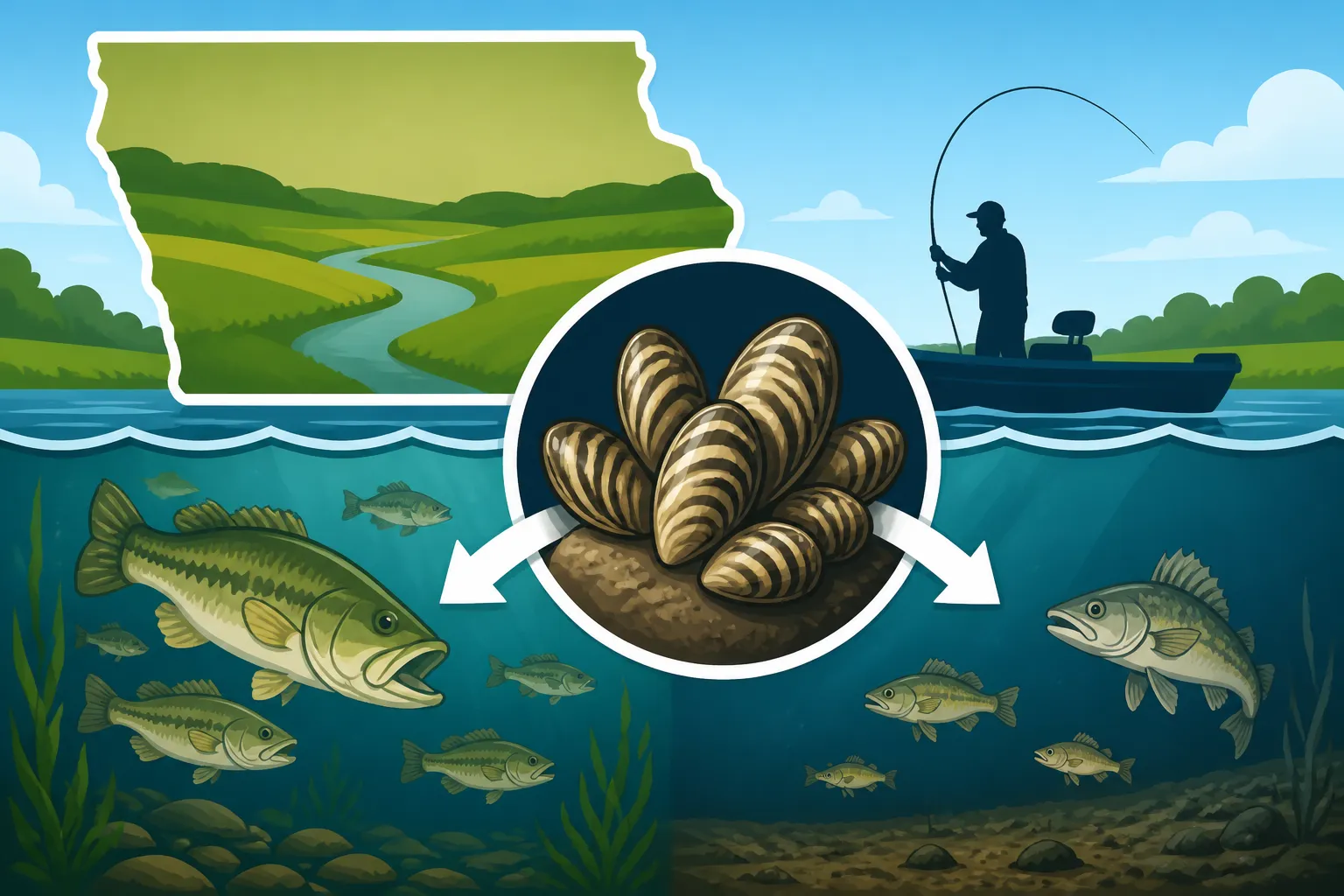
One of the most significant impacts of zebra mussels is how they act as filter feeders. They consume vast quantities of phytoplankton, which are tiny plants at the very base of the aquatic food web. While clear water might seem nice, it's often a sign that these mussels are filtering out the primary food source for many native organisms, including zooplankton. Zooplankton, in turn, are a crucial food source for larval fish and many baitfish species. Less phytoplankton means less zooplankton, which ultimately means less food for the smaller fish that bigger sportfish rely on. Imagine a grocery store suddenly running out of milk – that's what happens to the ecosystem.
Furthermore, zebra mussels compete directly with native mussels for food and space, often suffocating them by attaching in dense colonies. This loss of native mussel diversity is a serious blow to the ecosystem, as native mussels play their own vital roles in water filtration and habitat creation. We're talking about a complete upheaval of the natural balance that has supported Iowa Fish Species Guide for generations. The ripples extend far beyond just the mussels themselves, affecting everything from insects to the top predators.
Impact on Fish Spawning and Habitat
Zebra mussels don't just filter food; they also alter critical spawning habitats. They colonize hard surfaces in massive numbers, forming dense mats that can be inches thick. Imagine a walleye or bass trying to lay its eggs on a rocky bottom that's now completely covered in sharp, living shells. It makes it incredibly difficult for fish to find clean, suitable substrate for spawning.
These sharp shells also pose a direct physical threat. Anglers often report cutting themselves on mussel-encrusted rocks and docks. Fish, especially bottom-feeders or those that rub against surfaces during spawning, can suffer cuts and injuries from these sharp shells, making them more susceptible to disease and infection. The change in habitat can force fish to move to less ideal areas, stressing populations and potentially impacting their growth and survival rates. It's a subtle change, but one that can have profound long-term consequences for the health and abundance of our favorite game fish.
Indirect Effects: Water Clarity and Plant Growth
Paradoxically, the intense filtering action of zebra mussels, which removes so much of the food from the water column, often results in dramatically clearer water. While this might sound appealing to swimmers or boaters, it’s not necessarily good for fishing. Increased water clarity allows sunlight to penetrate deeper, which can lead to excessive growth of aquatic vegetation in areas where it wasn't previously a problem. This dense weed growth can impede fishing, make boating difficult, and, in some cases, alter oxygen levels in the water, especially during decomposition.
This also means that fish accustomed to murkier waters, which offer more cover from predators and better ambush opportunities, might find themselves exposed and vulnerable. It forces them to adapt or move, and not all species can do that successfully. The clearer water also changes light penetration, potentially shifting the feeding patterns and locations of certain fish species, making them harder for us anglers to locate. It’s another layer of complexity that these tiny invaders add to an already delicate aquatic environment.
What Anglers and Boaters Can Do to Stop the Spread
This is where you, the dedicated Iowa angler and boater, come in. The fight against zebra mussels isn't just up to state agencies; it requires everyone's active participation. Your actions can make a real difference in protecting Best Fishing Spots in Iowa and preventing further infestations. It's about being responsible and thinking beyond your own trip.
Clean, Drain, Dry: Your First Line of Defense
This mantra is the absolute cornerstone of preventing the spread of aquatic invasive species, including zebra mussels. It's simple, but it's effective:
- Clean: Before you leave the boat ramp, inspect your boat, trailer, and all fishing gear. Remove any visible mud, plants, or foreign objects. Pay close attention to propeller shafts, anchor ropes, and fishing lines. If you see any small, striped shells, scrape them off. A stiff brush and even a pressure washer can be your best friends here. Many anglers keep a small cleaning kit, which you can easily put together with supplies from a store or even Amazon, right in their vehicle.
- Drain: Pull the drain plug on your boat. Drain all water from your bilge, livewells, bait buckets, and motor. Even a small amount of water can harbor microscopic veligers. It's crucial that you do this before leaving the launch site.
- Dry: This is often the most overlooked step, but it’s critical. Allow your boat and all equipment to completely dry for at least 5 days, or longer if conditions are cool or humid, before launching into another body of water. If you're going to another lake sooner, a thorough wash with hot, high-pressure water (140°F/60°C) is a good alternative. This ensures any lingering veligers or mussels are killed.
Following these steps rigorously every single time you move between different bodies of water is the most important thing you can do. It's not just a suggestion; it's a vital part of Iowa Fishing Regulations Explained in many areas.
Inspecting and Maintaining Your Gear
Beyond your boat, think about all your fishing gear. Waders, nets, lines, anchors, even your fishing poles themselves can inadvertently transport invasive species. After each outing, give everything a good once-over.
For waders and boots used in different streams, especially if you're Trout Fishing Techniques for Iowa Streams, a dedicated cleaning station at home, with a brush and perhaps a diluted bleach solution, can be invaluable. Nets should be fully dried in the sun, and sometimes even replaced if they've been exposed to a heavily infested area and can't be thoroughly cleaned. Even small items like anchors, ropes, and buoys need attention. Zebra mussels love to attach to these, so always inspect them carefully and remove any mussels before transporting. Consider keeping a separate set of Iowa Fishing Gear Guide for different waterways if you fish extensively, or make cleaning a ritual as important as tying your knots. Even something as simple as replacing a damaged boat plug can prevent unintended water retention, and replacements are readily available on platforms like Amazon.
| Prevention Step | What to Do | Why It's Important |
|---|---|---|
| Clean | Remove all plants, mud, and debris from gear. | Prevents transport of adult mussels, veligers, and other invasive species. |
| Drain | Empty all water from boat, livewells, bait buckets. | Eliminates microscopic veligers that can survive in standing water. |
| Dry | Allow all equipment to dry completely (5+ days). | Kills any remaining veligers or adults through dehydration. |
| Inspect | Check hull, motor, trailer, ropes, anchors. | Identifies hidden mussels or plant fragments that might otherwise be overlooked. |
| Report | If you find a new infestation, report it. | Allows authorities to respond quickly and potentially contain new outbreaks. |
Iowa's Ongoing Battle and Future Outlook
The Iowa Department of Natural Resources (DNR) is acutely aware of the threat posed by zebra mussels and other aquatic invasive species. They're not sitting idly by; there's a concerted effort to monitor, manage, and educate the public on this issue.
Monitoring Efforts and Known Infestations
The DNR has active monitoring programs in place, regularly sampling water bodies for the presence of veligers and adult zebra mussels. This involves placing settlement plates and conducting plankton tows in various lakes and rivers across the state. They also rely heavily on reports from concerned citizens and anglers. When a new infestation is confirmed, they move quickly to implement stricter regulations and public awareness campaigns for that particular water body. You can find up-to-date information on known infested waters on the DNR's website, which is an essential resource for any angler planning a trip. Knowing which waters are infested helps you be extra vigilant with your Boat Safety Equipment for Iowa Waters and your cleaning routine, and helps you understand the specific nuances of Iowa Fishing Regulations Explained for those locations.
Unfortunately, zebra mussels are now established in several major Iowa water bodies, including parts of the Mississippi River, the Iowa Great Lakes (like Big Spirit Lake and West Okoboji Lake), and other significant reservoirs. The challenge is immense, but ongoing monitoring is key to understanding their spread and impact.
The Long-Term Challenge for Iowa's Fisheries
Let's be realistic: eradicating zebra mussels once they're established in a large water body is virtually impossible. The goal shifts from eradication to containment and management. This means learning to live with them while mitigating their impacts as much as possible. For Iowa's fisheries, this translates to adapting management strategies to account for changes in the food web, habitat, and fish populations.
This might involve adjusting stocking programs, focusing on species that are more resilient to zebra mussel impacts, or even habitat improvements in non-infested areas. For anglers, it means a continued commitment to prevention. The future of Iowa Fishing relies on a collective effort to slow their spread to new, uninfected waters. While the situation presents significant hurdles, the dedicated efforts of the DNR, combined with responsible actions from every angler and boater, can help protect our beloved fishing traditions and ensure that our waters remain vibrant ecosystems for generations to come. Even investing in good quality boat covers, which you can easily purchase from a retailer like Amazon, can help prevent the spread by keeping your boat clean and dry between uses, especially if you store it outdoors.
It's clear that zebra mussels are indeed affecting Iowa's fish populations, not through direct predation, but by subtly and fundamentally altering the aquatic environment. The changes they bring about in the food web, habitat, and water clarity have far-reaching consequences for our native fish. But you, as an angler, have the power to be part of the solution. By diligently following the "Clean, Drain, Dry" protocol, maintaining your gear, and staying informed, you become a frontline defender against these tiny, yet destructive, invaders. Every single action counts in protecting the waters we love.
Disclaimer
This article is for general informational purposes only and does not constitute professional advice. Laws, prices and regulations vary by location and change over time. Consult a qualified professional for guidance on your specific situation.