Freshwater Drum Facts and Habitat
Many Iowa anglers often overlook the freshwater drum, sometimes mistakenly called a "sheepshead," and don't quite understand its place in our waters. These robust fish are more than just an accidental catch; they are a fascinating and integral part of Iowa's aquatic ecosystem, offering a surprisingly strong fight and unique characteristics that are often misunderstood. This comprehensive guide will dive deep into the world of freshwater drum, unraveling their facts, preferred habitats, diet, and even their potential as a sport fish and table fare in the diverse waters of Iowa.
Understanding the Freshwater Drum: More Than Just a "Sheepshead"
The freshwater drum, Aplodinotus grunniens, holds a special place in the diverse aquatic tapestry of Iowa. While often mistaken for its saltwater cousin, the sheepshead (which is a different fish entirely!), the drum is a unique species perfectly adapted to our inland rivers and lakes. They are known for their distinctive "drumming" sound, which males produce during spawning, hence their common name.
Distinctive Physical Characteristics and "Lucky Bones"
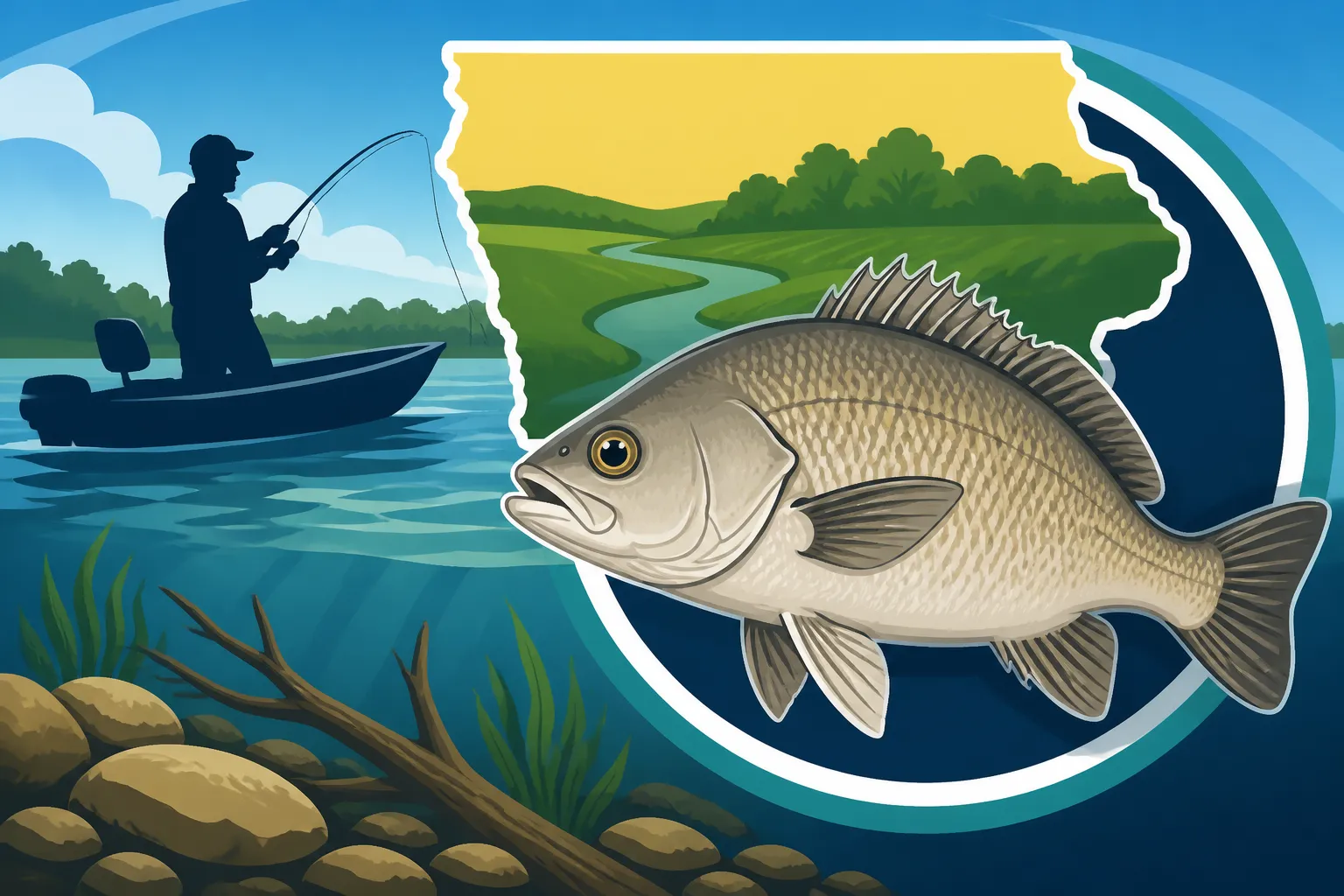
Freshwater drum possess several striking physical features that help them thrive in their bottom-dwelling niche. They typically have a deep, compressed body with a noticeably arched back, giving them a somewhat humped appearance. Their scales are large, and their coloration can vary from silvery-gray to brownish-bronze on their backs, fading to a lighter, often white or cream, belly. This camouflage helps them blend in with the river and lake bottoms where they spend most of their time.
One of their most prominent features is their large, somewhat downturned mouth, perfectly suited for rooting around and vacuuming up food from the bottom. They also have distinctive sensory pores on their heads, which act like extra feelers, helping them detect prey even in murky conditions. The lateral line, which is a row of sensory organs running along the side of most fish, extends prominently all the way to the end of their rounded caudal (tail) fin on a drum. But perhaps their most fascinating characteristic lies within their heads: large otoliths, or ear bones. These pearly white stones, sometimes called "lucky bones" by anglers, have a distinct L-shape and are used by scientists to age the fish. For those new to drum fishing, finding these "lucky stones" can be a fun bonus!
Size, Weight, and Longevity in Iowa Waters
In Iowa's rivers and lakes, freshwater drum commonly range from 1 to 5 pounds, making them a respectable catch on light to medium tackle. However, don't let that average fool you; these fish have the potential to grow much larger. It's not uncommon for anglers to pull in drum exceeding 10 pounds, and occasionally, trophy-sized specimens pushing well over 20 pounds are landed. The thrill of hooking into one of these larger drum, especially in a strong river current, can be quite the arm workout!
The growth rate of freshwater drum largely depends on the specific habitat and the abundance of food available to them. In rich, productive waters, they grow faster. They are also quite long-lived fish, with many individuals living for 10-15 years, and some even exceeding 20 years in optimal conditions. Their robust nature and longevity contribute to their strong fighting spirit, which often catches unsuspecting anglers by surprise. A good quality, durable fishing line and a reliable reel, perhaps one you picked up on Amazon, will definitely be appreciated when battling a larger drum.
Where Freshwater Drum Call Home: Preferred Iowa Habitats
Freshwater drum are incredibly adaptable and can be found across a wide range of aquatic environments in Iowa, from our largest rivers to our sprawling reservoirs and even some natural lakes. Understanding their preferred hangouts is key to increasing your chances of finding them.
Rivers, Lakes, and Reservoirs: Their Aquatic Abodes
In Iowa, freshwater drum are particularly abundant in our larger river systems. The Mississippi River is a prime example, where these fish thrive in the powerful currents and diverse bottom structures. You'll also find them in significant numbers in the Missouri River, as well as major interior rivers like the Des Moines River, Iowa River, and Cedar River. These river systems provide the continuous flow and rich invertebrate life that drum prefer. If you're planning a trip to the eastern border, you might check out Mississippi River Pool 9 Fishing for specific spots.
Beyond rivers, drum are also well-established residents in Iowa's larger natural lakes and man-made reservoirs. Places like Rathbun Lake, Saylorville Reservoir, Coralville Reservoir, and Clear Lake all host healthy populations of freshwater drum. These fish show a strong preference for areas with soft, diverse bottom compositions—think muddy, sandy, or gravely areas. They are also quite tolerant of turbid (murky) water conditions, often thriving in environments where other fish species might struggle. This adaptability allows them to dominate certain niches and makes them a common catch. Look for them near structural elements like wing dams, fallen trees, deep holes, and bridge pilings, as these spots offer cover and concentrate food.
Seasonal Movements and Depth Preferences
Like many fish, the behavior and location of freshwater drum are influenced by the changing seasons and water temperatures. In the warmer months, typically from late spring through early fall, drum become much more active and will move into shallower feeding grounds, especially during periods of lower light or overcast conditions. They'll actively root around the bottom in these shallower areas, making them accessible to both boat and shore anglers. If you're looking for shore access, Shore Fishing Access Near Des Moines might give you some ideas.
As winter approaches and water temperatures drop, freshwater drum will generally retreat to deeper holes and slower current areas. Their metabolism slows down, and they become less active, though they can still be caught by anglers who target these deeper, calmer spots. They can be found at various depths depending on food availability, the specific water temperature, and oxygen levels, but generally, cooler water pushes them deeper. Anglers need to adjust their techniques and target depths accordingly throughout the year; what works in spring might not work in winter.
The Drum's Dinner Plate: Diet and Foraging Strategies
To truly understand any fish, you need to know what's on its menu. For the freshwater drum, their diet and feeding habits are perfectly aligned with their bottom-dwelling lifestyle and unique anatomy, making them expert foragers in Iowa's aquatic environments.
A Bottom-Feeder's Feast
Freshwater drum are classic opportunistic bottom-feeders, which means they'll eat just about anything they can find at the bottom of a lake or river. Their primary diet consists of benthic (bottom-dwelling) invertebrates. This includes a wide array of organisms such as mollusks—think small clams and snails—which they are uniquely equipped to handle thanks to their powerful pharyngeal teeth. These specialized teeth, located in their throats, are designed for crushing the hard shells of their prey. Crayfish are another favorite, along with various aquatic insects in their larval and nymph stages.
While invertebrates make up the bulk of their diet, drum aren't picky. They will also consume small fish, fish eggs (especially during spawning seasons), and even detritus, which is organic matter that settles on the bottom. Their strong sense of smell and touch, combined with their sensory pores on their head, are crucial tools for locating these food sources, even in the murkiest of waters.
How They Hunt and Eat in Iowa's Waters
The foraging strategy of a freshwater drum is a testament to its adaptation as a bottom-dweller. They move slowly and deliberately along the substrate, using their downward-pointing mouths to vacuum up potential food items. Their barbels and sensitive pores help them detect subtle vibrations and chemical cues in the water, signaling the presence of hidden prey.
Once a food item is located, they engulf it, and if it has a hard shell, it's quickly transferred to those impressive pharyngeal teeth for crushing. Anglers often observe drum "tailing" in shallow waters, a behavior similar to carp, where their tails break the surface as they root around in the mud and silt for food. This constant stirring of the bottom while feeding can actually benefit other fish species by exposing smaller invertebrates and creating feeding opportunities for them. Understanding their diet makes choosing the right bait a lot easier; if you're looking for other bottom-feeding tips, you might check out Best Bait for Channel Catfish for some crossover ideas.
Life Cycle of the Drum: Spawning and Growth
The life cycle of the freshwater drum is quite interesting, especially their unique reproductive habits and how they contribute to the overall health of Iowa's aquatic ecosystems.
Reproductive Rhythms and Spawning Season
Freshwater drum typically begin their spawning season in late spring and continue into early summer, usually when water temperatures consistently reach around 65-70 degrees Fahrenheit. This period often falls between May and July in Iowa. Unlike many fish that build nests or provide parental care, drum are open-water spawners. This means they release their eggs and milt (sperm) directly into the water column. The eggs are typically buoyant and drift freely in the currents, relying on sheer numbers for survival rather than active protection.
One of the most fascinating aspects of their reproduction is the "drumming" sound produced by the males. During spawning, males vibrate specialized muscles against their swim bladder, creating a loud, rhythmic drumming or grunting sound. This unique vocalization is believed to attract females and ward off competing males. It's truly a distinctive characteristic that sets them apart from most other freshwater fish.
From Egg to Adult: Development and Maturation
After the eggs are released and fertilized, they typically hatch relatively quickly, often within a few days, depending on water temperature. The newly hatched larvae are tiny and continue to drift with the currents, relying on their yolk sac for initial nourishment. As they develop, they begin to feed on microscopic organisms, primarily zooplankton, and then gradually transition to small invertebrates as they grow larger.
Freshwater drum exhibit relatively rapid growth in their first few years of life, especially in habitats with abundant food. This growth slows down as they age. They generally reach sexual maturity around 3 to 5 years of age, at which point they are ready to contribute to the next generation of drum. Throughout their life cycle, from vulnerable eggs and larvae to juvenile fish, they play a crucial role in the food chain, serving as a food source for larger predatory fish in Iowa waters, while as adults, they primarily consume invertebrates, controlling those populations.
Angling for Freshwater Drum: A Rewarding Challenge
While not always the primary target for many anglers, freshwater drum offer a surprisingly fun and often challenging fishing experience. They are abundant, put up a strong fight, and can be a great way to bend a rod, especially when other species are elusive.
Targeting Drum: Baits, Rigs, and Techniques
The good news for drum anglers is that you don't need highly specialized gear. Freshwater drum are frequently caught incidentally by anglers targeting other bottom-feeding species, particularly channel catfish. This means many of the same baits and rigs that work for catfish will also entice a drum. Your go-to baits should include nightcrawlers, which are almost universally effective. Cut bait, shrimp (especially peeled), crayfish, and even homemade dough balls or corn can also be successful. Many anglers stock up on bulk nightcrawlers or pre-made rigs, which are easily found on Amazon, especially if your local bait shop is out.
For rigging, a basic bottom rig is your best bet. A slip sinker rig, sometimes called a Carolina rig, works wonderfully. This setup allows the line to pass freely through the sinker, so the fish can take the bait without feeling immediate resistance, which can be critical for shy biters. Fish these rigs near structural elements like deep holes, current breaks, submerged logs, or bridge pilings. Drum can be caught effectively from both shore and boat, making them accessible to nearly everyone. Remember, these fish put up a surprisingly strong fight for their size, with powerful head shakes and runs, so be ready! A simple spinning rod and reel combo, easily found on Amazon, is perfectly adequate for tackling most drum you'll encounter. For general tips on maximizing your catch in Iowa, you might consult an Iowa Fishing Techniques Guide.
Culinary Considerations: Are Iowa Drum Good to Eat?
This is often the million-dollar question for many anglers, and frankly, freshwater drum often get an unfair rap. Many people overlook them as a table fish, often due to historical misconceptions or simply because they're not a "glamour species" like walleye or crappie. However, if properly handled and prepared, freshwater drum can be quite good to eat!
The key to good-tasting drum, like any fish, is freshness and proper handling. Drum caught from cooler, cleaner waters—especially rivers with good current or deeper lakes—tend to have a milder flavor and firmer flesh. It's crucial to fillet the fish promptly after catching it, ideally keeping it on ice until you're ready to clean it. When filleting, make sure to remove any dark red meat along the lateral line and beneath the skin, as this is often where stronger flavors reside. Skinning the fillets is also recommended. The resulting flesh is typically white, mild, and flaky, with a texture that some anglers compare favorably to crappie or even walleye. They can be fried, baked, grilled, or used in fish tacos. Don't let old prejudices steer you away; give them a try with an open mind! For other popular options, check out Best Eating Fish in Iowa.
The Drum's Place in Iowa's Ecosystem: Conservation and Ecological Impact
Understanding the role freshwater drum play in Iowa's aquatic environments goes beyond just fishing. They are a resilient species with a significant ecological impact, contributing to the balance and health of our waters.
Population Health and Management Strategies
Good news for drum enthusiasts: freshwater drum populations in Iowa are generally abundant and widespread. They are a robust species, highly adaptable to various conditions, which means they are not typically considered a species of conservation concern within the state. This abundance is a testament to their hardiness and ability to thrive in a variety of habitats, including those that might be less hospitable to more sensitive species.
Due to their healthy populations, there are typically no specific statewide harvest limits or closed seasons for freshwater drum in Iowa. However, it's always smart to check the current Iowa Fishing Regulations Explained for any localized exceptions or specific water body rules, as regulations can change. In some parts of their range, particularly on the Mississippi River, drum are even targeted by commercial fisheries due to their abundance. Their resilience to environmental changes, such as turbidity or fluctuations in water levels, further ensures their continued presence in Iowa's waters.
Ecological Contributions and Interactions
The freshwater drum serves as an important cog in the intricate machinery of Iowa's aquatic food webs. As voracious consumers of bottom-dwelling invertebrates, they act as a crucial link, transferring energy from these smaller organisms to larger predators. Many of Iowa's prized sport fish, including walleye, northern pike, and especially larger flathead catfish, will readily prey on juvenile drum. Knowing What Channel Catfish Eat can give you an idea of the intertwined diets of bottom feeders.
Beyond being a food source, drum also play a significant role in controlling mollusk populations. Their ability to crush and consume clams and snails helps to keep these invertebrate communities in check, which can have positive implications for water quality and the overall ecosystem balance. Their constant foraging on the bottom also stirs up sediment, potentially releasing nutrients and uncovering food sources for other species. They are a testament to nature's efficiency, coexisting with and often benefiting other aquatic residents, solidifying their status as a valuable, if sometimes unappreciated, component of Iowa's freshwater ecosystems.
| Feature | Freshwater Drum ("Sheepshead") | Other Common Bottom-Feeders (e.g., Catfish) |
|---|---|---|
| Body Shape | Deep, compressed body; arched back; rounded tail | Elongated, cylindrical body; flattened head; often forked tail |
| Mouth Position | Subterminal (downturned) | Terminal (front) or Subterminal |
| Barbels | Small, often inconspicuous, around mouth | Prominent, whisker-like barbels around mouth and chin |
| Scales | Large, distinct scales | No scales (smooth skin) |
| Teeth | Pharyngeal (throat) teeth for crushing, small conical jaw teeth | Small, conical jaw teeth; no crushing pharyngeal teeth in most |
| Sound | Produces a "drumming" sound (males during spawning) | Generally silent, some grunt/croak |
| Habitat | Rivers, large lakes, reservoirs; muddy/sandy bottoms | Rivers, lakes, ponds; diverse bottom types |
| Diet | Mollusks, crayfish, aquatic insects, small fish | Fish, crayfish, insects, vegetation, detritus |
Disclaimer
This article is for general informational purposes only and does not constitute professional advice. Laws, prices and regulations vary by location and change over time. Consult a qualified professional for guidance on your specific situation.