Best Technique for Early Ice Walleye
That first solid skim of ice on an Iowa lake is pure magic for a lot of us, but it also brings a unique set of challenges. It's exhilarating, but also a bit nerve-wracking, trying to find those first active walleye safely. This guide is all about helping you understand the best techniques for targeting walleye during this fleeting, often incredibly productive, early ice period, so you can make the most of those golden opportunities.
Understanding Early Ice Walleye Behavior
Catching walleye on early ice isn't just about dropping a line; it's about understanding how these elusive fish behave when the water first freezes over. Unlike later in the season, when they might settle into deeper, more predictable patterns, early ice presents a dynamic window where walleye are often still quite aggressive and accessible. They haven't yet been pressured by weeks of anglers, and their metabolism is still relatively high from the fall feeding frenzy. This makes them active hunters, but also means they can be anywhere.
Where Walleye Hold on Early Ice
When you first hit the hard water, don't automatically assume walleye are in the deepest basins. Often, they're still relating to structure that held them in late fall, which means shallower areas can be incredibly productive. Think about those subtle breaks, weed lines (especially green weeds that are still producing oxygen), points, and transitions where depth changes gradually. Walleye use these areas as ambush points, especially during low light conditions. They might patrol the edges of flats, moving up onto the shallower portions to feed before retreating to slightly deeper water nearby as the sun gets higher. It’s all about finding that comfort zone where they feel safe but can quickly dart out to grab a meal.
Another prime location to consider is the mouths of bays or river channels where currents might still be present, or at least where there's some inflow or outflow. These areas often concentrate baitfish, and where the baitfish go, the walleye follow. Don't overlook submerged humps or rocky reefs that rise up from deeper water, as these act as magnets for both bait and predators. The key here is not to be afraid to drill plenty of holes and explore different depth contours and structural elements.
The Walleye's Early Ice Diet and Activity
During early ice, walleye are typically focused on foraging for easy meals. They're trying to pack on calories for the colder, leaner months ahead, so their diet often consists of readily available baitfish like minnows, shiners, and perch. This means your presentations should mimic these natural food sources. Live bait is often king during this period, offering scent and natural movement that can be irresistible. However, artificial baits that accurately imitate these forage species can also be incredibly effective, especially when paired with an active presentation.
Their activity level can vary, but generally, early ice walleye are more apt to strike than their mid-winter counterparts. They’re less sluggish and more willing to chase. This opens up opportunities for more aggressive jigging techniques, which we’ll dive into later. Remember, walleye are primarily low-light feeders, so dawn, dusk, and overcast days are often the most productive. However, on early ice, don't be surprised if you find active fish throughout the day, especially if you're on a good bite or in a prime location. Always pay attention to your electronics; if you see fish, even if they're not biting immediately, experiment with different presentations to trigger a strike.
Impact of Water Clarity and Light Penetration
Water clarity and light conditions play a significant role in early ice walleye fishing. Generally, clearer water might mean walleye are more skittish and prone to staying deeper or holding tighter to cover during bright daylight hours. In these conditions, focusing on low-light periods (dawn, dusk) or utilizing subtle presentations with natural-colored baits can be more effective. On the other hand, lakes with stained or murkier water might offer a more consistent bite throughout the day, as the reduced light penetration makes walleye feel more comfortable feeding in shallower depths for longer periods.
Overcast days are often a walleye angler's best friend on early ice. The diffused light allows fish to be more active and less wary, making them more receptive to a wider range of lures and techniques. Even with good water clarity, a cloudy sky can turn a slow bite into a hot one. It's also important to consider snow cover on the ice. A fresh blanket of snow can drastically reduce light penetration, mimicking low-light conditions beneath the ice, which can make walleye more aggressive and willing to feed. Pay attention to these environmental cues, as they can help you predict when and where the walleye will be most active.
Essential Gear for Early Ice Walleye Success
You wouldn't go deer hunting with a slingshot, right? The same logic applies to early ice walleye fishing. Having the right gear isn't just about comfort; it's about efficiency, safety, and ultimately, success. Early ice conditions can be finicky and sometimes dangerous, so every piece of equipment, from your rod to your safety spikes, needs to be up to the task. Don't skimp on the essentials, especially when it comes to safety and sensitivity.
Rods, Reels, and Line for Sensitivity
When targeting walleye through the ice, sensitivity is paramount. Often, a walleye bite can be incredibly subtle – sometimes just a slight hesitation in your line or a faint tick. For this reason, a high-quality ice fishing rod designed for walleye is a game-changer. Look for rods in the 28-36 inch range with a medium-light to medium power and a fast or extra-fast action tip. This combination allows for enough backbone to handle a decent-sized walleye, while the sensitive tip telegraphs even the lightest bites. Many anglers find success with models from popular brands available on Amazon, which offer excellent sensitivity and durability.
Pair your rod with a lightweight spinning reel in the 500 to 1000 size. The reel's job isn't to fight the fish as much as it is to manage line and provide a smooth drag. For line, many seasoned anglers prefer a low-stretch monofilament or fluorocarbon main line, often in 6 to 8 pound test, for its stealth and excellent knot strength. Some even opt for a thin braided line with a fluorocarbon leader for maximum sensitivity, allowing them to feel everything happening at the business end of their line. Having the right Best Ice Fishing Line Weight is crucial to balancing strength with subtlety.
Lure Selection for Walleye
Your lure arsenal for early ice walleye should be versatile and capable of both attracting fish from a distance and tempting finicky biters. Jigging spoons are absolute staples. Their erratic flutter and flash mimic dying baitfish, triggering aggressive strikes. Brands like Northland, Johnson, and Swedish Pimple offer a wide array of sizes and colors. Tip these with a minnow head or a small plastic trailer for added appeal.
Rattle baits or vibrating blade baits are fantastic for drawing attention in stained water or from greater distances. The internal rattles create noise and vibration that walleye can detect, and a hard rip followed by a pause often elicits a violent strike. Lipless crankbaits, though more commonly associated with open water, can also be downsized and effective for ice fishing. Lastly, small jigs tipped with live minnows or soft plastics are essential for those more neutral or inactive fish. These offer a more subtle, natural presentation. Having a selection of different sizes and colors, from natural baitfish patterns to brighter, more aggressive options, will prepare you for whatever the walleye throw at you.
Essential Safety Equipment for Early Ice
Let's be blunt: early ice can be unpredictable, and safety should always be your number one priority. Never, ever head out onto the ice without a spud bar. This indispensable tool allows you to test ice thickness ahead of you with each step. Before you venture out, it's vital to know the Best Ice Thickness for Safe Ice Fishing. Always carry a set of ice picks around your neck, ready to deploy in case you punch through. These simple tools can be the difference between a scary story and a tragic one.
A good quality float suit or flotation jacket and bibs, while an investment, can literally save your life by providing buoyancy and thermal protection in frigid water. Consider picking one up from a reputable outdoor retailer or finding options on Amazon. Beyond personal safety, tell someone where you're going and when you expect to return. Carry a fully charged cell phone in a waterproof bag. It's not just about what you catch; it's about coming home safely. For a more comprehensive overview, check out our guide on Ice Fishing Safety on Iowa Lakes.
Proven Techniques for Early Ice Walleye
Now that you're geared up and understand the fish a bit better, it's time to talk tactics. Early ice walleye are often willing to bite, but you still need to present your lure in a way that appeals to them. The beauty of ice fishing is the vertical presentation, allowing you to precisely target fish at specific depths. Mastering a few key techniques will put you ahead of the game.
Aggressive Jigging to Trigger Bites
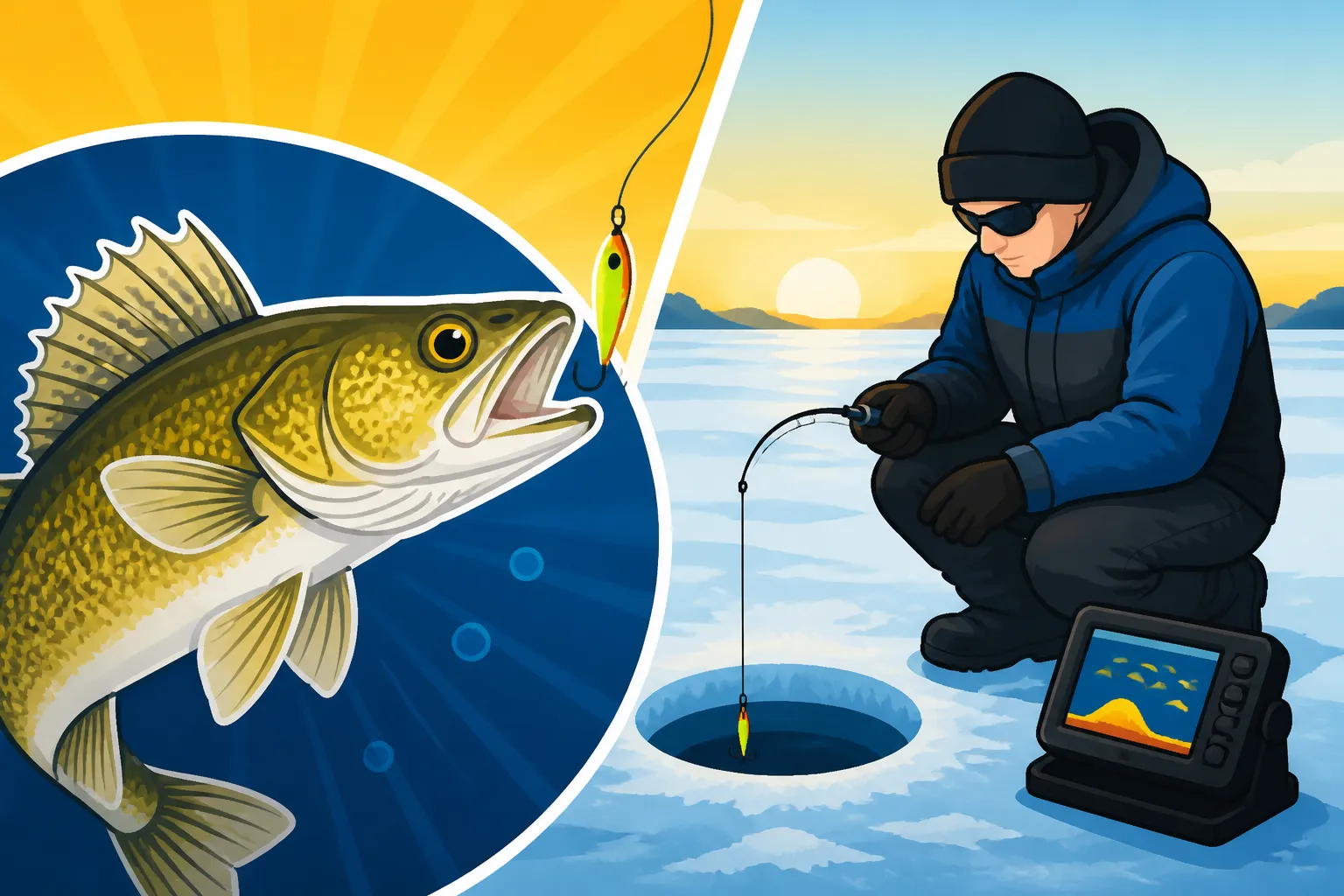
For early ice walleye, aggressive jigging is often the name of the game. These fish are still active and looking for a meal, and a bold presentation can really trigger their predatory instincts. Start by dropping a jigging spoon or a rattle bait to the bottom, then reel up a foot or two. Give your rod a sharp, upward rip of about 1-2 feet, then let the lure flutter back down on a semi-slack line. The key here is to control the fall; don't just drop it. This mimics a fleeing or injured baitfish.
After a few rips, pause the lure for 5-10 seconds. This pause is often when the strike occurs, as the walleye catches up and commits. Experiment with the aggressiveness of your rips and the duration of your pauses. Some days, they want rapid-fire action; other days, a slow, methodical lift-and-drop is better. Don't be afraid to try different speeds and heights in your jigging cadence. If you mark fish on your electronics but they aren't committing, try a "death fall" – let the lure plummet quickly to the bottom, then immediately rip it up a few feet. This often triggers a reaction strike from curious or cautious walleye. For more detailed jigging specifics, take a look at How to Jig for Walleye Through the Ice.
The Subtle Art of Deadsticking
While aggressive jigging gets a lot of attention, deadsticking is an equally vital, often overlooked, technique for early ice walleye. This method involves suspending a live minnow (typically shiner, fathead, or golden shiner) on a plain hook or small jig a few feet off the bottom, usually on a separate rod in an adjacent hole. The goal here is to offer a natural, subtle presentation for walleye that might be less aggressive or turned off by flashy, fast-moving baits.
Often, you'll pair a deadstick with an active jigging rod. The aggressive jigging acts as an attractor, drawing fish in, and if they don't commit to the jig, they might pick up the easy meal presented by the deadstick. Use a sensitive bobber or a spring bobber on your deadstick rod to detect the lightest bites. Walleye will often mouth the bait before fully committing, so a sensitive indicator is crucial. The beauty of deadsticking is its simplicity and effectiveness, especially during slower periods or when fish are neutral. Just make sure your bait is lively and positioned at the depth where you're marking fish.
The Power of Hole Hopping and Mobility
Early ice walleye can be found almost anywhere, and they can move quickly. This is where mobility becomes your superpower. Don't sit on a dead hole for hours. Instead, embrace the concept of hole hopping. This means drilling a series of holes in a grid or along a contour line and fishing each hole for 5-10 minutes. If you don't mark fish or get a bite, move to the next hole. This allows you to cover a lot of water quickly and locate active fish.
An efficient gas or electric auger, perhaps one you scouted on Amazon for a good deal, is essential for effective hole hopping. You don't want to spend all your time drilling. Look for changes in depth, subtle points, and the edges of weed beds. If you catch a walleye in one hole, fish that spot thoroughly, but also drill a few more holes nearby to see if you can locate the rest of the school. Walleye often travel in groups, and once you find them, the action can be fast and furious. This active approach is often far more productive than passively waiting for fish to come to you, especially when the ice fishing season typically starts in Iowa.
Ice Safety: Don't Skimp on Precautions
We've talked about finding the fish, but let's circle back to the most critical aspect of early ice fishing: safety. This isn't just a suggestion; it's a non-negotiable requirement. Early ice is exciting because it means fresh, untrodden fishing grounds, but it's also the riskiest time to be on the hard water. Conditions can change rapidly, and what seems safe one moment can become treacherous the next. Always remember that no fish is worth risking your life over.
Assessing Ice Thickness and Stability
The first rule of early ice is to assume nothing. Just because a shallow bay is frozen solid doesn't mean the main lake is. Ice thickness can vary dramatically even across short distances. Always use a spud bar or an auger to check the ice every few steps, especially when moving into new areas. Look for clear, solid ice, which is generally stronger than cloudy or white ice. Pay close attention to areas around inlets, outlets, bridges, and points, where currents or groundwater springs can create thin spots.
It's also a good idea to consult local bait shops or online forums for current ice reports, but always verify conditions yourself. Never rely solely on someone else's assessment. Remember that ice thickness isn't the only factor; ice quality also matters. Slushy ice, ice with large cracks, or ice that has refrozen after a partial thaw can be much weaker. For detailed guidelines, refer to our comprehensive Best Ice Thickness for Safe Ice Fishing article.
Never Go Alone: The Buddy System
This is another non-negotiable safety rule for early ice. Always fish with at least one other person, ideally two or more. If someone does fall through, having a buddy there significantly increases the chances of a successful rescue. Your fishing partners can throw you a rope, use their ice picks to help you out, or call for help. A group also provides more eyes to spot potential hazards and allows you to spread out the weight on the ice more effectively.
Before you even step on the ice, discuss an emergency plan with your partners. Who will call 911? Who has the rope or throw bag? How will you approach a rescue situation safely? Knowing these answers beforehand can save precious time and reduce panic if the unthinkable happens. It's about looking out for each other and ensuring everyone makes it home safely after a fun day on the ice.
Dressing for Success and Survival
Staying warm and dry is essential for both comfort and survival on early ice. The combination of cold air, potential wind, and frigid water means you need proper attire. Layering is key: start with a moisture-wicking base layer, add insulating layers like fleece or down, and top it all off with a waterproof and windproof outer shell. As mentioned earlier, a flotation suit is highly recommended for its built-in buoyancy and thermal protection.
Don't forget your extremities. A warm hat that covers your ears, insulated gloves or mittens, and waterproof, insulated boots are critical. A good pair of wool socks can make a world of difference. Always bring extra clothes in a dry bag, just in case. Hypothermia is a serious risk in cold conditions, and being prepared with the right clothing can prevent a minor mishap from becoming a life-threatening emergency. The more prepared you are, the more you can focus on the fishing and enjoy the tranquility of early ice.
| Lure Type | Best Use Case | Presentation Method | Typical Depth Range | Notes |
|---|---|---|---|---|
| Jigging Spoons | Aggressive fish, finding active schools | Aggressive rips, subtle quivers | 10-25 feet | Mimics dying baitfish; great for triggering reaction bites |
| Rattle Baits | Attracting fish from a distance, murky water | Hard rips followed by pauses, vibrating retrieve | 8-20 feet | Sound helps in low visibility; good search bait |
| Small Jigs/Plastics | Finicky fish, deadsticking | Subtle jigging, deadsticking with live bait | 5-15 feet | Less aggressive presentation, effective for neutral fish |
| Walleye Minnows | Deadsticking, slow bites | On a plain hook or small jig under a bobber | Any depth | Natural presentation; often irresistible to walleye |
Maximizing Your Early Ice Walleye Experience
Early ice is a special time for walleye anglers in Iowa. It's often when some of the biggest and most active fish are caught before they settle into more lethargic mid-winter patterns. By combining an understanding of walleye behavior, selecting the right gear, and employing proven techniques, you can significantly increase your chances of success. But beyond the catch, it's also about enjoying the solitude, the crisp air, and the unique beauty of Iowa's frozen landscapes. Don't forget that Iowa Fishing Regulations Explained can provide details on specific limits and rules for walleye, ensuring you stay compliant.
Remember to keep an eye on your electronics, as How to Read a Fish Finder for Walleye can give you an edge in locating fish and understanding their depth preferences. Also, consider that How Water Temperature Affects the Walleye Bite remains a factor even under the ice, influencing their activity levels. Being prepared and patient are key components for any angling endeavor, and early ice fishing for walleye is no exception. Good luck out there, and stay safe on the ice!
Disclaimer
This article is for general informational purposes only and does not constitute professional advice. Laws, prices and regulations vary by location and change over time. Consult a qualified professional for guidance on your specific situation.