How Water Temperature Affects the Walleye Bite
If you've spent any time chasing walleye across Iowa's lakes and rivers, you know the frustration: one day they're biting everything you throw at them, the next they've seemingly vanished without a trace. A huge, often overlooked, factor in this maddening inconsistency is water temperature. Understanding how water temperature dictates walleye behavior can be the difference between a triumphant cooler full of fish and a lonely, empty stringer. This comprehensive guide will break down exactly how different water temperatures affect the walleye bite in Iowa, empowering you to adjust your approach and find success more consistently.
Understanding Walleye's Thermal Sweet Spot
Walleye, like all cold-blooded fish, are profoundly influenced by the temperature of the water around them. Their metabolism, activity levels, and even where they choose to hang out are all dictated by this crucial environmental factor. It's not just about comfort; it's about survival, feeding efficiency, and spawning success. Ignoring water temperature is like trying to navigate Iowa without a map – you might get lucky, but you're probably going to get lost.
Walleye's Preferred Temperature Range
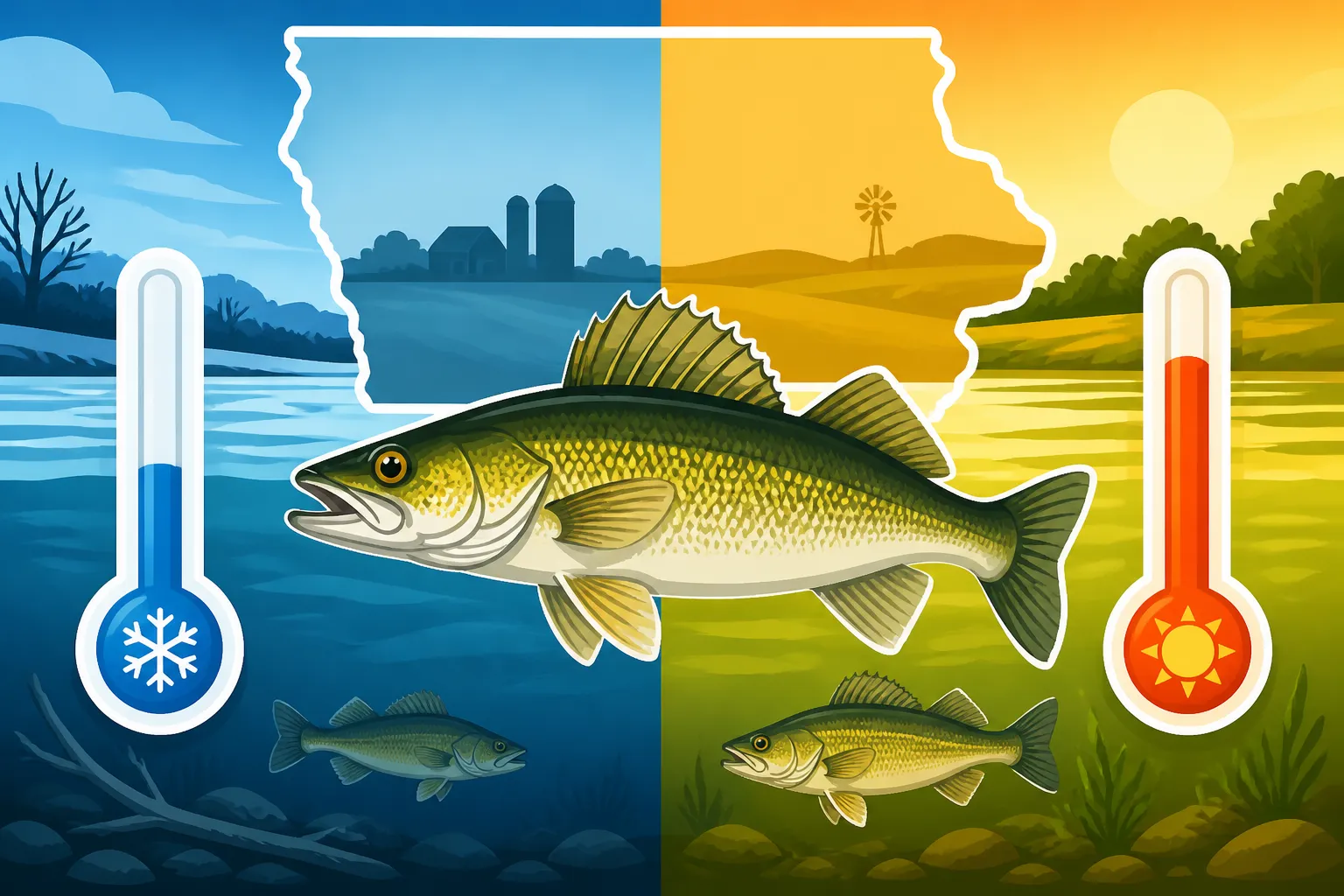
While walleye can survive in a pretty wide range of temperatures, they definitely have a "comfort zone" where they are most active and most likely to feed aggressively. Generally, this prime feeding range falls between the mid-40s to low 70s Fahrenheit (around 7-22°C). Within this window, their metabolism is high enough to make them hungry, but not so high that they become sluggish or stressed. When you find walleye in these ideal temperatures, you're often in for a fantastic day on the water.
However, it's not a rigid rule. Walleye will tolerate colder water, moving slower and feeding less, and they'll adapt to warmer water, often seeking out deeper, cooler refuge. The key is understanding how they adapt and what that means for your fishing strategy. For example, during the brutal Iowa winters, you might find them bunched up in deep basins, barely moving, while in the scorching summer, they'll be in similar deep haunts, trying to escape the surface heat.
How Temperature Influences Metabolism and Activity
Think of water temperature as the walleye's internal thermostat and their activity controller. When the water is very cold, their metabolism slows way down. They don't need to eat as much, and they certainly don't have the energy to chase down fast-moving prey. This is why a slow, deliberate presentation is often best in winter or early spring. They're sluggish, conserving energy, and you need to put the bait right in front of their face.
As the water warms up, their metabolism speeds up. They become more active, need to consume more calories, and are much more willing to chase. This is when you can start experimenting with faster retrieves, more aggressive lures, and covering more water. Understanding this fundamental link between temperature and metabolism is critical. It informs your lure choice, retrieve speed, and even the size of bait you might use. You wouldn't throw a tiny jig at a barely moving walleye in 38-degree water, just like you wouldn't slow-crawl a half-ounce spinnerbait when they're actively chasing shad in 65-degree water.
Walleye Behavior Across Different Temperature Ranges
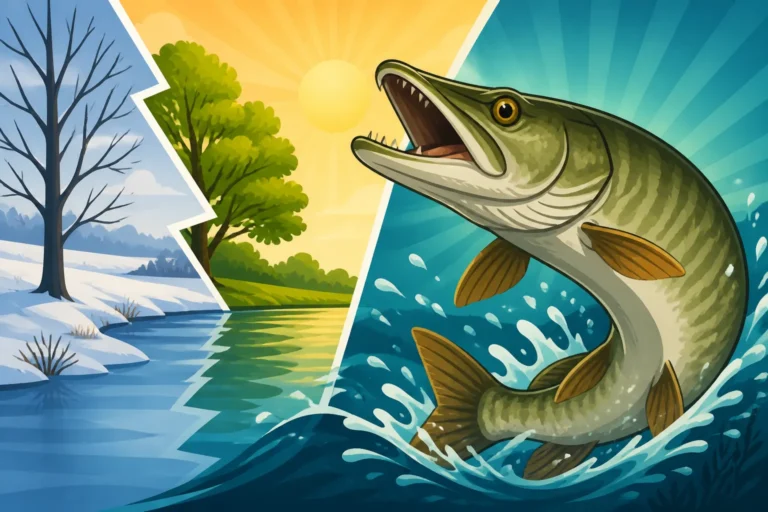
The walleye bite changes dramatically with the seasons, and each shift is directly tied to the changing water temperatures. Knowing what to expect at various temperature thresholds can significantly improve your chances of success.
Cold Water Strategies (Below 45°F / 7°C)
When the water temperature dips below about 45°F, you're squarely in the cold-water period, encompassing late fall, winter, and very early spring. During these times, walleye are conserving energy. They'll often school up tightly in deeper areas, seeking stable temperatures, typically near structure like humps, points, or channel edges. Their movements are minimal, and they're not going to expend much energy to feed.
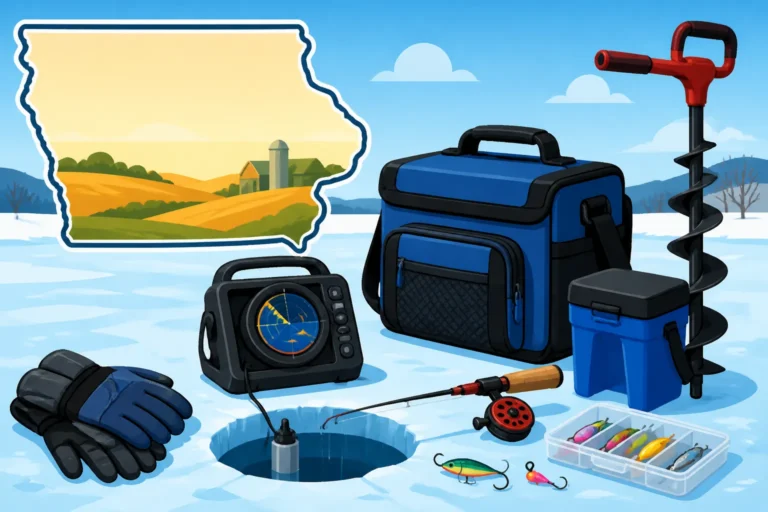
Your approach needs to be incredibly slow and precise. Think vertical jigging with small spoons, blade baits, or soft plastics tipped with a minnow. Ice fishing for walleye in Iowa is a perfect example of this. You're often sitting right over them, presenting your bait with minimal action, trying to entice a hesitant bite. Even open-water fishing in cold conditions demands a patient hand. Think about slowly dragging a jig-and-minnow rig along the bottom, or employing a deadstick approach. Sometimes, the less action, the better. When you're searching for specific gear for these conditions, a good waterproof tackle box available on Amazon can keep your jigs and minnows safe from the elements.
Warming Water Hotspots (45-55°F / 7-13°C)
This is a magical time for walleye anglers in Iowa: the pre-spawn and spawn period. As water temperatures climb from the mid-40s into the low-50s, walleye become increasingly active and begin their migration towards spawning grounds. They're still cold-blooded, but their metabolism is picking up, and they're feeding to build energy reserves for the upcoming spawn. Spring Walleye Run Techniques in Iowa are often highly successful in this window.
Look for walleye congregating on rocky points, shallow reefs, and river current seams near spawning areas. These are typically hard-bottomed areas that will warm up faster than muddy flats. Shoreline anglers on reservoirs might find success casting jigs or stickbaits, while boaters often troll crankbaits or slowly drift jigs. They're not chasing as aggressively as in warmer water, but they're definitely willing to eat. This is also when some of the biggest females are most accessible before they drop their eggs. Knowing the Iowa Walleye Season Opening Strategies can make all the difference in these early days.
Warm Water Tactics (55-70°F+ / 13-21°C+)
Once water temperatures push into the mid-50s and beyond, walleye are fully active. Post-spawn, they disperse from their spawning grounds and transition into their summer patterns. This is when you'll find them in a wider variety of habitats, from weed edges and rock piles to deeper structure. Their feeding windows might be shorter, often concentrated at dawn, dusk, or overnight, especially as temperatures climb into the 70s and beyond.
In these warmer conditions, walleye are much more inclined to chase. Trolling crankbaits, casting aggressive lipless crankbaits, or working spinner rigs with nightcrawlers can be highly effective. If the water gets really warm (upper 70s or 80s), walleye will often seek thermal refuge in deeper, cooler water, or in areas with current that brings in oxygenated water. Finding these cooler pockets, whether it's the main river channel or a deep reservoir basin, becomes paramount. A portable fish finder, perhaps one you scouted on Amazon for its depth capabilities, can be a game-changer for locating these hidden havens. Walleye Fishing Techniques for Iowa Lakes often involve covering vast amounts of water during these active periods.
Cooling Water Approaches (Late Summer/Fall Turnover)
As late summer transitions into fall, water temperatures begin to drop. This often coincides with the "fall turnover" in many Iowa lakes, where the surface water cools, becomes denser, and sinks, mixing with the deeper, oxygen-depleted water. This process can scatter fish and make them temporarily harder to find. However, once the lake settles, and as temperatures continue to fall into the 60s and 50s, walleye often go on a serious feeding binge.
This fall period is another prime time for trophy walleye. They're bulking up for winter, and their metabolism is still high enough to make them aggressive. You'll find them transitioning from summer haunts to deeper, main-lake structures like deep points, humps, and steep breaks. Trolling large crankbaits, jigging heavy spoons, or working blade baits can be very effective. The key is to follow the baitfish, as walleye will be actively pursuing schools of shad or cisco. It's a time for big baits and aggressive fishing as they prepare for the lean winter months.
Adjusting Your Strategy to Water Temperature
Knowing the general principles is one thing, but applying them on the water is where the real skill comes in. You need to be dynamic, willing to change your tactics as conditions (and temperatures) dictate.
Lure Choice and Presentation Adjustments
Water temperature has a direct impact on what lures walleye prefer and how they want them presented. Here's a quick breakdown:
- Cold Water (Below 45°F): Think subtle. Small jigs (1/16 to 1/8 oz) tipped with live minnows or scented soft plastics. Blade baits like a Little Cleo or a Vibrato are excellent for vertical jigging. Small spoons that flutter slowly are also good. The presentation should be minimal – slow lifts, subtle shakes, long pauses.
- Warming Water (45-55°F): As they become more active, you can start to incorporate larger jigs, perhaps 1/4 oz, still tipped with minnows. Stickbaits (like a Rapala Original Floater or Shad Rap) retrieved slowly or trolled are also great. Crankbaits that dive to the depth where fish are holding, retrieved at a moderate pace, can also be effective.
- Warm Water (55-70°F+): This is prime time for faster-moving baits. Trolling crankbaits (long and slender for covering water), spinner rigs with nightcrawlers, or casting larger swimbaits and lipless crankbaits. Topwater lures might even get a reaction strike in low light. Consider bolder colors, as walleye can be more aggressive.
- Cooling Water (Fall): Often a time for bigger, flashier baits. Large crankbaits, oversized jigs, and big spinnerbaits can mimic the larger baitfish walleye are keying in on. Focus on presentations that cover water efficiently to find active fish.
Remember, a lot of these effective lures can be found and stocked up on from retailers like Amazon, especially if you're looking for specific brands or niche options.
Depth and Location Shifts
Walleye are constantly seeking their preferred temperature zone, which means their depth and location will change with the seasons and even throughout the day.
- Winter: Walleye are typically deep, often in the main lake basin or along major channel breaks. They'll hug the bottom, minimizing movement. A good fish finder is essential for finding these deep schools.
- Early Spring/Pre-spawn: As ice recedes and water warms slightly, walleye move shallower, towards traditional spawning areas like rocky shorelines, river mouths, and gravel bars. How Deep to Fish for Walleye in Spring will often be shallower than you think, sometimes just a few feet.
- Spawn: Right on the spawning grounds, often very shallow, sometimes only a foot or two of water. They're focused on reproduction, not feeding.
- Post-spawn/Early Summer: They'll disperse and often be found on various structures – weed lines, rock piles, submerged humps, and points – at moderate depths (10-25 feet). They might move shallower to feed in low light.
- Mid-Summer: As surface waters heat up, walleye will often retreat to deeper, cooler water, or areas with current. Look for them on deeper main-lake points, sunken islands, channel edges, or submerged timber. They might suspend over deep water, following baitfish.
- Fall: As water cools, they move back shallower onto main lake structures, especially those near baitfish schools. They can be found at a variety of depths, from 15-40 feet, depending on the lake and current conditions.
Understanding these seasonal migrations and how they correlate to water temperature is key to consistently locating walleye. Your best bet is to find a quality boat with good sonar or a fishing kayak to effectively cover different depths and structures. For those who want to brush up on their techniques, consider exploring How to Catch Walleye in Iowa for more general advice.
Utilizing Technology to Your Advantage
In today's world, you don't have to guess the water temperature. There are readily available tools that can provide you with crucial data.
- Water Temperature Gauges: Many modern fish finders come with built-in temperature sensors, giving you real-time readings of the surface temperature. Some also have sensors that can give you readings at different depths, which is incredibly valuable for finding those thermal breaks. If your unit doesn't have one, a simple handheld thermometer or a temperature probe attached to your line can get the job done.
- Fish Finders and Sonar: Beyond just temperature, a good fish finder helps you locate structure and baitfish, which are directly influenced by water temperature. Understanding How to Read a Fish Finder for Walleye can help you pinpoint those crucial temperature-driven holding spots. You might see walleye schooled up tightly in cold water or dispersed in warmer water.
- Online Resources: Many Iowa Department of Natural Resources (DNR) websites, local fishing forums, and even some weather apps provide estimated water temperatures for popular lakes and rivers. While not always perfectly accurate for your exact spot, they can give you a general idea of what to expect.
Here’s a simplified table summarizing walleye behavior and recommended tactics based on general water temperature ranges in Iowa:
| Water Temperature Range (Fahrenheit) | Walleye Behavior | Preferred Location | Recommended Tactics |
|---|---|---|---|
| Below 40°F | Very slow, sluggish, conserving energy | Deep basins, main channel, stable deep structure | Vertical jigging, deadsticking, small minnows, slow spoons |
| 40-45°F | Slightly more active, pre-spawn staging begins | Deeper edges of spawning areas, channel breaks | Slow jigging with minnows, subtle blade baits, slowly trolled stickbaits |
| 45-55°F | Active pre-spawn and spawning period | Rocky points, gravel bars, shallow reefs, current seams | Jigs with minnows, stickbaits, slow-trolled crankbaits, vertical jigging |
| 55-65°F | Highly active, post-spawn dispersal, summer patterns | Weed lines, rock piles, submerged humps, moderate depths | Trolling crankbaits, casting swimbaits, spinner rigs, jigging |
| 65-75°F | Active, but may seek cooler deeper water in heat | Deeper structure, main lake points, thermocline | Fast trolling, vertical jigging deep, night fishing, active bait following |
| Above 75°F | Stress-prone, seek deepest, coolest water | Deepest available water, current breaks, springs, low light periods | Focus on dawn/dusk, deep vertical presentations, live bait, large schools |
The best advice I can give you is to always carry a thermometer and pay attention to its readings. Combine that with your fish finder and a general understanding of Walleye Fishing in Iowa and you'll be well on your way to cracking the code on those elusive walleye, no matter what the water temperature is throwing at you. Remember to check Iowa Fishing Regulations Explained for specific limits and seasons before you head out!
Disclaimer
This article is for general informational purposes only and does not constitute professional advice. Laws, prices and regulations vary by location and change over time. Consult a qualified professional for guidance on your specific situation.