How Weather Affects Bass Fishing
We've all been there: you wake up with a burning desire to hit your favorite Iowa lake or river, convinced it's going to be a banner day for bass. You've got your gear, your lucky hat, and a pocket full of enthusiasm, only to find the bass completely shut down. More often than not, the culprit isn't your skill or your lure choice, but rather the subtle, or sometimes dramatic, shifts in the weather. Understanding how changes in temperature, barometric pressure, wind, and even rain influence bass behavior is absolutely crucial to putting more fish in the boat or on the bank. This guide will help you decipher the weather's language and adapt your approach to catch more bass, no matter what Mother Nature throws your way.
Understanding the Key Weather Factors Influencing Bass
Bass are cold-blooded creatures, which means their internal body temperature is directly affected by their external environment. Every aspect of their metabolism—from feeding to spawning—is intrinsically linked to the surrounding water conditions, which, in turn, are heavily dictated by the weather above. Ignoring these factors is like trying to solve a puzzle with half the pieces missing.
Water Temperature and Its Impact
The water temperature is arguably the single most important weather-related factor for bass. It dictates their comfort zones, their activity levels, and even where they choose to hold. Bass have optimal temperature ranges for different activities, and when the water is outside these ranges, they become sluggish or move to find more comfortable conditions.
For instance, during the spring, as ice melts and the sun warms the shallow waters, bass move into those areas to feed and eventually spawn. This is a critical time, and understanding the nuances of these movements can lead to some fantastic fishing. You'll often find them lurking near sun-drenched banks or dark bottom areas that absorb more heat. Conversely, in the scorching heat of an Iowa summer, bass will seek out cooler, deeper water or dense cover to escape the thermal stress, becoming less active during the day. Fishing during the Best Water Temperature for Spring Bass is key for targeting these active fish.
Barometric Pressure: The Silent Controller
Barometric pressure, or atmospheric pressure, is something many anglers overlook, but it can have a profound effect on bass. Think of it as the weight of the air pushing down on the water. When pressure is high and stable, bass often feel comfortable and are more likely to be active and feeding. They'll venture out from cover, chasing baitfish with confidence. This is often associated with clear skies and calm weather.
However, when the barometric pressure is falling rapidly, often preceding a storm, bass can become incredibly active, almost sensing the impending change. This "pre-front bite" is legendary, as bass gorge themselves before conditions get tough. Once a cold front passes and the pressure soars and stabilizes at a high point, bass frequently become lethargic and tight-lipped, seeking dense cover and being very difficult to coax into biting. They feel the increased pressure on their swim bladder, which can make them uncomfortable, driving them deeper or tighter into cover.
Wind Direction and Intensity
Wind isn't just a nuisance that makes boat control difficult; it's a powerful force that can completely rearrange the underwater world for bass. It creates currents, pushes baitfish, stirs up oxygen, and can even change water clarity. A moderate, consistent wind can be your best friend.
Wind pushing across a lake creates a "wind-blown bank," which concentrates baitfish and plankton, attracting predators like bass. The chop on the water's surface also breaks up light penetration, providing cover for bass and making them less wary. This can be a fantastic time to try Topwater Bass Fishing Tips. On the flip side, extremely strong winds can muddy up shallow areas, disorient baitfish, and make it impossible to present a lure effectively. Dead calm, glassy conditions can also be challenging, as bass become incredibly skittish and can easily spot you.
Rain, Storms, and Overcast Skies
Rain and overcast conditions bring their own unique set of influences. A gentle, steady rain can often improve bass fishing, especially during warmer months. The rain cools the surface water, adds oxygen, and washes terrestrial insects and nutrients into the water, triggering a feeding response. The reduced light penetration also makes bass more comfortable coming out of cover.
Heavy thunderstorms, however, are a different story. While the falling barometric pressure before a storm can lead to a hot bite, the storm itself, with its intense downpours, lightning, and rapid temperature drops, will usually shut bass down. After a major storm, the water might be muddy and confused, requiring a few days for conditions to stabilize. Overcast days, without rain, are often excellent, as the diffused light keeps bass active throughout the day, rather than just during dawn and dusk. This is a great time to try fishing shallower water, even in the middle of the day.
How Different Weather Conditions Impact Bass Behavior
Understanding the general effects of weather is one thing; knowing exactly how bass react under specific conditions and what that means for your fishing strategy is another. Bass are highly adaptive, but their basic instincts remain tied to comfort and survival.
Sunny and Clear Skies
When the sun is blazing and the sky is a brilliant, cloudless blue, it looks like a perfect day for us, but it can be challenging for bass fishing, especially during the warmer parts of the year. The intense light penetrates deep into the water, making bass feel exposed and vulnerable. They'll typically retreat to the darkest, deepest cover they can find.
You'll often find them tucked under thick mats of lily pads, submerged timber, beneath boat docks, or holding tight to deep rock ledges. Their activity levels might slow down significantly during the brightest parts of the day. To succeed, you need to literally get your lure into their living room. Think about flipping jigs or soft plastics into dense cover, or working deep diving crankbaits along offshore structure. Early morning and late evening, when the sun is lower, are prime times for bass to move shallower and become more active.
Overcast and Cloudy Conditions
Many experienced bass anglers in Iowa absolutely love an overcast day. This is when bass often feel most comfortable and confident to roam and feed. The diffused light reduces shadows and makes bass less wary, allowing them to move out from dense cover and chase baitfish more aggressively.
On these days, you might find bass cruising open flats, patrolling weed edges, or suspended near bait balls. Topwater lures can be incredibly effective all day long, not just during low light. Spinnerbaits, chatterbaits, and swim jigs worked through open water or sparse cover can also draw vicious strikes. This is a fantastic time to cover water and fish more aggressively. If you're looking for new lures for these conditions, checking out the wide selection on Amazon can be a great way to expand your tackle box.
Warm Fronts and Rising Temperatures
A warm front, characterized by rising air temperatures, often signals a boost in bass activity, particularly in spring and fall. As the water warms, bass metabolism speeds up, and they become more inclined to feed. In spring, this is a critical period for Pre-Spawn Bass Patterns in Iowa, as bass begin to move from deeper wintering grounds towards shallower spawning areas.
During a warm front, especially if it brings stable, mild conditions for a few days, bass will push into warmer shallow bays, coves, and flats. They'll be actively foraging, and you can often catch them on a variety of baits, from crankbaits to jigs to spinnerbaits. Keep an eye on water temperature gauges; when you find that sweet spot, you've found the bass. Don't be afraid to experiment with different depths and presentations, as bass can be scattered as they transition.
Cold Fronts and Dropping Temperatures
Ah, the dreaded cold front. This is perhaps the most challenging weather pattern for bass fishing. After the passing of a cold front, characterized by dropping air temperatures, often accompanied by strong winds and then clear, high-pressure skies, bass tend to get a severe case of lockjaw. They retreat, often moving deeper or burying themselves into the thickest cover they can find.
When a cold front hits, bass become very lethargic and finicky. You'll need to slow down your presentation considerably. Think finesse techniques: small jigs, drop shots, weightless worms, or shaky heads. Pitching and flipping into dense cover with a jig and pig can also be effective if you can literally hit a bass on the head. The key is to present the lure slowly, almost teasingly, right in front of their face. Fishing during Iowa Bass Season Late-Fall Patterns can sometimes feel like fishing in a prolonged cold front, making finesse tactics even more crucial.
Adjusting Your Strategy for Various Weather Scenarios
Knowing how bass react is only half the battle; knowing what to do about it is where the real skill comes in. Adaptability is the hallmark of a successful bass angler. Never go into a fishing trip with a rigid plan; let the weather dictate your approach.
Techniques for High-Pressure, Post-Front Conditions
After a cold front, when the skies are clear and the pressure is high, bass are typically sluggish and tight to cover. This is not the time for fast-moving reaction baits. Your best bet is to go slow and deliberate.
- Finesse Fishing: This is your bread and butter. Think about throwing a Ned rig, a drop shot, or a small shaky head worm. Focus on presenting these baits directly into dense cover or along subtle structure where bass are likely to be hiding.
- Targeting Cover: Bass will be buried. Flip and pitch jigs or heavy Texas-rigged soft plastics right into the heart of brush piles, under docks, or into thick weed mats. The idea is to make a subtle entry and let the bait sit there for a moment before imparting any action.
- Deep Water: If bass aren't in shallow cover, they've likely retreated to deeper structure. Fish deep humps, ledges, and creek channels with slow-rolling spinnerbaits, deep diving crankbaits (retrieved very slowly), or jigging spoons. Sometimes, a subtle presentation is needed, and finding a variety of jig colors on Amazon can help you match the conditions.
- Low Light Conditions: Even in post-front conditions, bass might briefly become more active during dawn, dusk, or under heavy cloud cover (if any forms). These are brief windows to try slightly more aggressive presentations before they retreat again.
Strategies for Wind-Blown Waters
Wind can be a huge asset if you know how to use it. Don't shy away from wind-blown areas; often, they hold the most active fish.
- Target Wind-Blown Banks: Focus your efforts on the side of the lake or river where the wind is consistently pushing. This concentrates baitfish and oxygen, creating a buffet line for bass.
- Reaction Baits: The choppy water caused by wind breaks up light, provides cover for bass, and makes them less able to scrutinize your lure. This is a prime time for reaction baits like spinnerbaits, chatterbaits, crankbaits, and even topwaters if the chop isn't too severe.
- Heavy Baits: To combat the wind and maintain contact with your lure, use slightly heavier jigs or Texas rigs than you normally would. This helps your bait get to the strike zone faster and stay there.
- Boat Control: Wind makes boat control tricky. Consider using a drift sock or anchoring strategically to keep your boat in the prime fishing zone. A good trolling motor with spot-lock features is a game-changer for windy conditions.
- Focus on Points and Structure: Wind often funnels baitfish around points and submerged humps. These areas become natural ambush points for bass. Try casting a How to Fish a Spinnerbait for Bass along these features.
Capitalizing on Rain and Overcast Days
Rain and overcast conditions can be some of the best times to catch bass, especially when the water isn't too muddy or turbulent.
- Surface Activity: During a steady, gentle rain or on overcast days, bass are often more willing to come to the surface. Topwater lures, buzzbaits, and frogs can be incredibly effective, even during midday. The sound of rain hitting the water can mask your retrieve and entice strikes.
- Shallow Cover: Bass will often move shallower and be more aggressive in attacking cover. Pitching jigs, Texas-rigged worms, or even working a swim jig through sparse weeds can yield excellent results.
- Increased Oxygen: Rain adds oxygen to the water, which can invigorate bass. This is particularly true in warmer months when oxygen levels might be lower. Fish areas with good circulation.
- Mud Lines: After heavy rain, look for "mud lines" where clearer water meets muddier runoff. Bass will often patrol the cleaner side of these lines, ambushing baitfish that are pushed into the murkier water.
- Match the Hatch (Terrestrial): Sometimes, rain washes worms and insects into the water. Consider using lures that mimic these easy meals, like a dark-colored worm or creature bait.
Seasonal Adjustments to Weather Impact
The general impact of weather changes with the seasons, mainly due to the overall water temperature trends. A cold front in spring will affect bass differently than one in late summer.
| Weather Condition | Spring Bass Behavior | Summer Bass Behavior | Fall Bass Behavior | Winter Bass Behavior (Ice Fishing) |
|---|---|---|---|---|
| High/Stable Pressure | Active, feeding, moving shallower for spawning. | Seek deep, cool cover; active early/late. | Aggressive feeding before winter, follow baitfish. | Sluggish, very slow metabolism, tight to bottom/structure. |
| Falling Pressure | Pre-spawn frenzy, aggressive feeding. | Pre-storm bite, move shallower briefly. | Intense feeding before front, actively chase bait. | Brief increase in activity before storm, often subtle. |
| Cold Front | Retreat to deeper staging areas, sluggish. | Bury in thickest cover/deepest water, finesse needed. | Move deeper, relate to main lake points, slow bite. | Even more sluggish, nearly dormant, extremely slow retrieve. |
| Overcast/Rain | Excellent, especially gentle rain; shallow movement. | Good, especially gentle rain; move out of deep cover. | Excellent, aggressive feeding; use reaction baits. | Often no significant change, but good for light penetration. |
| Windy | Concentrates baitfish, good for reaction baits. | Creates current, pushes bait, good for chop. | Excellent for concentrating bait, strong reaction bite. | Can be dangerous for ice anglers, no direct impact underwater. |
In spring, a sudden cold snap can halt the bass's push to spawn, sending them back to deeper staging areas. This is when understanding Iowa Bass Season Opening Strategies really pays off. In summer, a cold front forces them into the deepest, coolest, and often shadiest cover. In fall, as temperatures drop, bass begin their aggressive "feeding frenzy" to bulk up for winter, and weather fronts can trigger intense bites, especially the Best Season to Catch Trophy Bass in Iowa. During the winter, under the ice, weather changes are less dramatic underwater, but a falling barometer might still trigger a subtle bite. Fishing for Largemouth Bass Fishing in Iowa and Smallmouth Bass Fishing in Iowa throughout these seasons requires distinct approaches.
Advanced Considerations and Pro Tips for Weather-Related Bass Fishing
Beyond the basics, there are some nuanced ways to approach bass fishing when factoring in the weather. These tips can help you fine-tune your approach and increase your chances of success.
Monitoring Weather Patterns and Forecasts
You wouldn't head out on a road trip without checking the map, so don't hit the water without checking the forecast. Modern weather apps and marine forecasts are incredibly detailed and can provide crucial information on wind direction, sustained speeds, gust potential, rain chances, and barometric pressure trends. Looking at the forecast not just for today, but for the next 2-3 days, can help you predict how bass will react. Are you fishing before a front, during a front, or after a front? Each requires a different mindset.
Pay particular attention to pressure graphs. A steady, rising graph indicates stable conditions, potentially good fishing. A rapidly falling graph signals an approaching front, often a hot bite. A high, steady pressure after a fall indicates post-front blues. Even looking at satellite imagery for cloud cover can help you anticipate light conditions. Many anglers even check water temperature maps if available, or carry their own thermometer to gauge the real-time conditions.
Adapting Lure Colors and Sizes
Water clarity, which can be heavily influenced by rain and wind, dictates lure choices. On bright, clear days, or when the water is gin-clear, bass can be very wary. Opt for more natural, subtle colors like green pumpkin, watermelon, or light blues. Smaller baits might also be more effective. If the water is stained or muddy due to heavy rain or wind, contrast becomes key.
Darker colors like black and blue, junebug, or chartreuse can provide a better silhouette in murky water. Also, consider lures that produce more vibration or sound to help bass locate them in low visibility, such as a noisy crankbait, a rattling jig, or a spinnerbait with large thumping blades. For exceptionally clear water, check out strategies for Best Technique for Clear Water Bass. For a comprehensive selection of different lure colors and sizes, Amazon is an excellent resource for anglers.
The Importance of Stealth and Presentation
When bass are pressured by changing weather, especially during cold fronts or on bright, calm days, stealth becomes paramount. Every splash of your lure, every loud noise, and every visible movement on your boat can spook sensitive bass.
- Long Casts: Make longer casts to keep your boat further from the fish.
- Quiet Entry: Focus on making your lure enter the water as quietly as possible. This is particularly true for pitching and flipping into tight cover.
- Line Choice: Consider fluorocarbon line for its low visibility and sensitivity, especially when bass are finicky.
- Subtle Retrieves: Slow down your retrieves, and impart very subtle twitches or pauses. Let the bait sit for longer periods. Remember, during tough conditions, bass aren't actively chasing; they're ambushing. A slow, deliberate presentation is often the only thing that will trigger a strike.
- Targeting Isolated Cover: When bass are pressured, they'll often hold to isolated pieces of cover rather than large weed beds or expansive flats. One stump in the middle of nowhere can hold a trophy bass after a severe cold front.
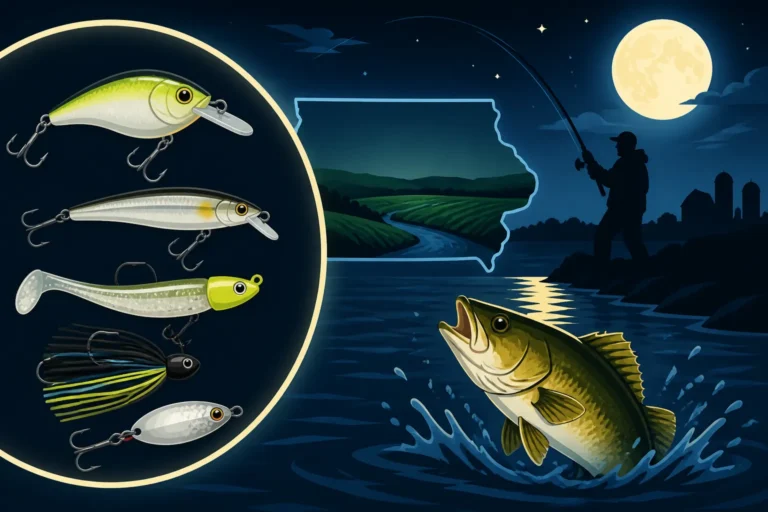
Night Fishing in Hot Weather
When summer heat makes daytime bass fishing miserable, night fishing can be a game-changer. After the sun sets, the water surface cools, and bass often move out of their deep daytime haunts into shallower water to feed under the cover of darkness. This offers a completely different experience and can be incredibly productive.
Warm, stable summer nights, especially those with some cloud cover, are ideal. Focus on shallow flats, weed edges, and even docks that hold baitfish. Topwater lures that make a lot of noise, like a Jitterbug or a buzzbait, can be excellent. Large dark-colored spinnerbaits or black jigs and worms are also very effective, as their silhouette is easily seen against the night sky or from below. Just make sure to bring a reliable headlamp and understand the Best Lures for Night Fishing to ensure safety and success.
Remember, the weather is constantly changing, and so is bass behavior. The best anglers are those who can read the conditions and adapt their strategy on the fly, transforming a potentially tough day into a memorable one.
Disclaimer
This article is for general informational purposes only and does not constitute professional advice. Laws, prices and regulations vary by location and change over time. Consult a qualified professional for guidance on your specific situation.