How Cold Iowa Gets During Ice Fishing Season
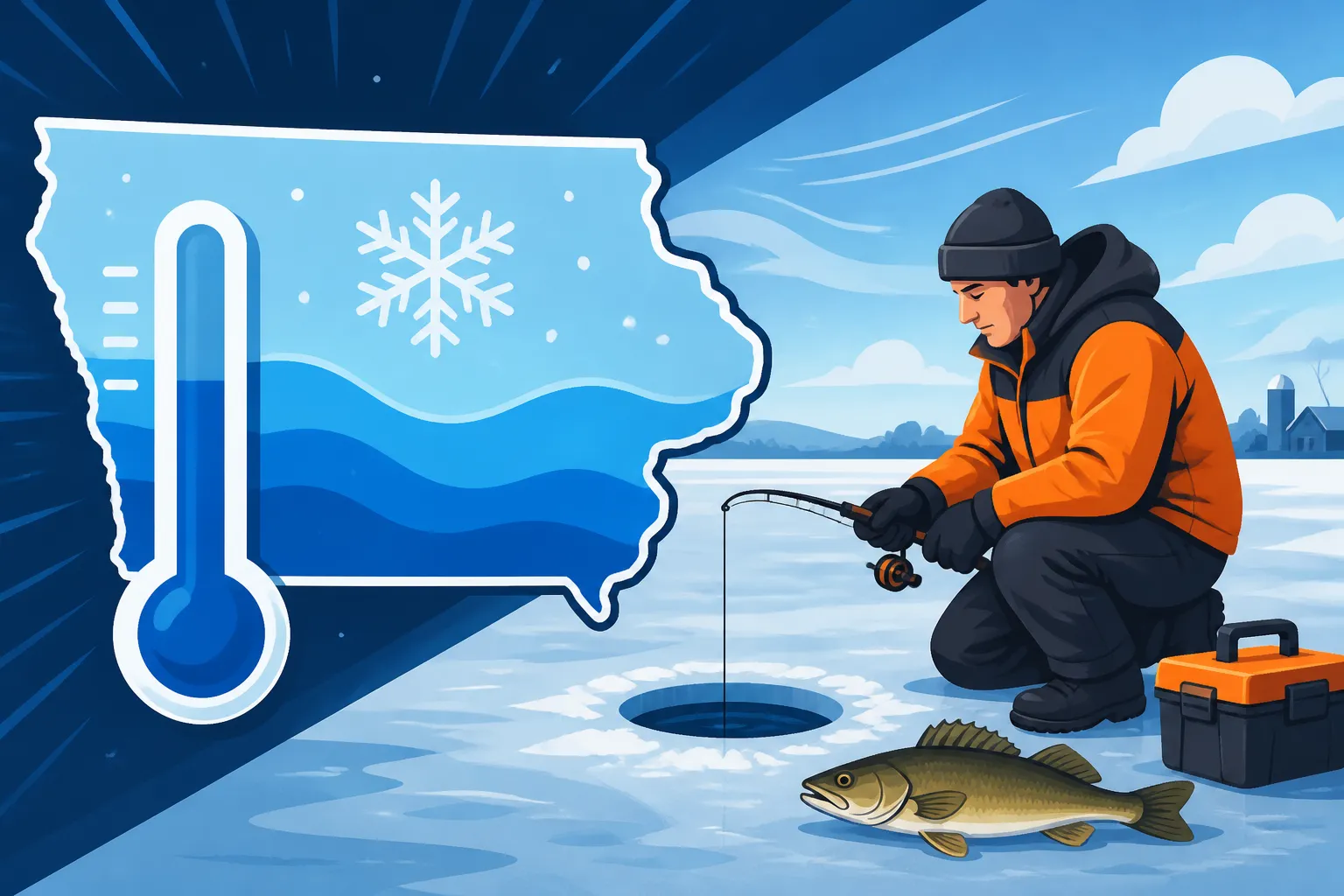
The Iowa winter can be truly breathtaking, but for those of us who love chasing fish through the ice, it often brings a shiver to the thought: exactly how cold does it get out there? It’s a valid concern, because while a mild winter day might feel invigorating, a truly bitter cold snap can be not just uncomfortable, but genuinely dangerous if you’re not prepared. This guide will walk you through the realities of Iowa’s ice fishing temperatures, helping you understand what to expect and, more importantly, how to stay warm, safe, and still reel in some catches during the chilliest months.
Understanding Iowa's Winter Climate for Ice Fishing
Iowa winters are characterized by significant cold, and while we might dream of those bluebird days with minimal wind, the reality often involves bracing for some seriously low temperatures. Knowing what to expect is the first step in preparing for a successful and enjoyable hardwater season.
Average Winter Temperatures in Iowa
When we talk about average winter temperatures in Iowa, we're generally looking at figures that hover around freezing or well below it from December through February. December often sees daily highs struggling to get much above the low 30s Fahrenheit, with nights consistently dropping into the teens. As we move into January, widely considered the coldest month, those averages dip even further. Daytime highs might only reach the low to mid-20s, and nighttime lows can easily plunge into single digits or even below zero. February usually mirrors January's cold, though by the end of the month, we often start to see hints of a slight warm-up, offering a glimpse of spring.
For an ice angler, these averages are just a starting point. It's not uncommon to experience prolonged cold snaps where temperatures remain below zero for several days, especially in northern Iowa. These periods are fantastic for building thick, solid ice, but they demand respect and serious preparation when you're out on the lake.
Factors Influencing Daily Ice Fishing Temperatures
The thermometer reading in your truck or on your phone is only part of the story when you're on the ice. Several factors can dramatically influence how cold it feels and how your body reacts to the elements.
First and foremost, there's the wind chill. This is a critical factor in Iowa. A calm, 10-degree day can feel quite comfortable, even pleasant, especially if the sun is out. But add a 15-20 mph wind to that same 10 degrees, and the wind chill can make it feel like -10 or colder in a hurry. Exposed skin becomes vulnerable to frostbite much faster, and your body works harder to maintain its core temperature. This is why a good windbreak, whether natural or an ice shelter, is absolutely non-negotiable for comfort and safety.
Cloud cover also plays a role. A sunny winter day, even a very cold one, can often feel warmer due to the radiant heat from the sun. On the flip side, an overcast day with the same air temperature can feel significantly colder because that direct sunlight isn't there to give you a boost. Snow cover, surprisingly, can act as an insulator, sometimes making the air just above the snow slightly warmer than areas without it, though this is a minor effect compared to wind.
Finally, the specific location you're fishing makes a difference. An open, expansive lake like one of the Iowa Great Lakes will often be windier and feel colder than a smaller, more sheltered pond or a backwater area on a river that's surrounded by trees or bluffs. Always consider these localized conditions when planning your trip.
The Impact of Extreme Cold on Ice Fishing
When temperatures plummet to extreme lows, it's not just about bundling up; the cold affects your body, your gear, and even the ice itself. Being aware of these impacts is crucial for a safe and successful ice fishing experience.
Danger of Hypothermia and Frostbite
This is no joke. Iowa's extreme cold can quickly lead to serious health risks like hypothermia and frostbite. Hypothermia occurs when your body loses heat faster than it can produce it, causing a dangerously low core body temperature. Early symptoms include shivering, confusion, slurred speech, and clumsiness. If not addressed, it can lead to unconsciousness and even death. Frostbite, on the other hand, is the freezing of body tissue, typically affecting extremities like fingers, toes, ears, and the nose. It starts with numbness and a tingling sensation, and the affected skin may look pale, waxy, or grayish. If you suspect either, immediate action is necessary.
Prevention is key. Layering your clothing, as we'll discuss, is vital. Keeping dry is equally important, as wet clothing loses its insulating properties rapidly. Always bring extra layers, especially socks and gloves, and if you get wet, change immediately. Having a portable ice shelter with a heater can be a lifesaver on bitter days, providing a warm refuge to dry out and warm up. Staying hydrated and well-fed also helps your body regulate its temperature.
Equipment Performance in Sub-Zero Conditions
Just like us, our gear doesn't always love extreme cold. Batteries for fish finders, flashers, and even your phone will drain much faster in freezing temperatures. It's smart to keep electronics in an insulated case or close to your body heat when not in use. Some anglers even bring portable power banks or extra batteries, especially for devices like electric augers. You might find that your line becomes stiffer and more prone to tangling, and your reel might feel sluggish. Even the gas in a gas-powered auger can be harder to start or run efficiently in extreme cold.
For tips on what to bring, check out our guide on Ice Fishing Gear Basics for Beginners. Always inspect your gear before heading out in truly frigid conditions. Ensure your auger blades are sharp, your lines are fresh, and everything is in good working order, as fixing issues with numb fingers is no fun.
Ice Conditions and Safety
Prolonged periods of extreme cold are what truly build thick, safe ice. When temperatures consistently stay below zero for days or even weeks, the ice grows stronger and more reliable. However, even with thick ice, vigilance is paramount. Slush, formed by melting snow refreezing slowly, can hide weak spots or make travel difficult. Significant temperature swings, especially sudden warm-ups followed by rain, can compromise ice integrity, even if the overall thickness seems good.
It's absolutely essential to be aware of Best Ice Thickness for Safe Ice Fishing guidelines. Always check ice thickness regularly with an auger or spud bar as you venture out, especially in areas with current, near inlets or outlets, or around structures. No ice is 100% safe, and conditions can change rapidly. Always fish with a buddy, carry safety picks, and have a plan for emergencies. For more comprehensive advice on staying safe, consult our article on Ice Fishing Safety on Iowa Lakes.
Preparing for Iowa's Icy Conditions
Now that we know what to expect and the potential challenges, let's talk about how to get ready. Proper preparation is the difference between a miserable, short trip and a comfortable, productive day on the ice.
Layering Strategies for Maximum Warmth
Layering is the golden rule of cold-weather comfort, and it's particularly vital for ice fishing in Iowa. It allows you to add or shed clothing as your activity level or the temperature changes, preventing both overheating and chilling.
Start with a good base layer. This should be made of moisture-wicking material, like merino wool or synthetic fabrics (polyester, polypropylene). Cotton is a big no-no for base layers, as it absorbs sweat and then holds that cold moisture against your skin, making you feel much colder. You can find excellent base layers from brands like Minus33, Smartwool, or even generic but effective options on Amazon. The purpose of this layer is to manage sweat and provide initial insulation. For detailed advice, see our guide on Best Base Layer for Ice Fishing.
Next comes your mid-layer. This is your primary insulation layer. Fleece jackets, down vests, or heavy wool sweaters work great here. The goal is to trap warm air close to your body. You might use one thick mid-layer or several thinner ones, depending on the anticipated temperature.
Finally, your outer layer (or shell) needs to be windproof and waterproof. This layer protects you from the wind chill and any snow or slush. Look for insulated ice fishing suits, bibs, and jackets designed specifically for extreme cold. These often have high waterproof ratings and offer excellent wind protection. Popular brands in the ice fishing community include Striker Ice and Clam, which are often available through retailers or online marketplaces like Amazon.
Don't forget your extremities! A warm hat that covers your ears is critical, as a significant amount of body heat can escape from your head. Invest in high-quality, insulated gloves or mittens, and bring several pairs. For your feet, choose insulated, waterproof boots, and pair them with thick wool or synthetic socks. Many anglers swear by a liner sock under a heavier one. Our article on Best Boots for Ice Fishing has more excellent recommendations.
Essential Cold-Weather Gear
Beyond your layered clothing, certain pieces of gear are absolutely essential for comfort and safety in Iowa's cold. A portable ice shelter is probably at the top of the list for many. Even a small, one-person flip-over shelter can make a huge difference, blocking the wind and holding heat from a small propane heater. Consider options like those discussed in Best Portable Ice Shelter for One Person if you're looking for recommendations.
A small, portable propane heater is another game-changer. These are designed for safe indoor use in ice shelters and can turn a frigid morning into a comfortable fishing experience. Always ensure proper ventilation when using a heater to prevent carbon monoxide buildup.
For getting through the ice, you'll need a reliable auger. Whether it's a hand auger, a propane auger, or an electric auger, it needs to perform in the cold. Check out our guide on Best Ice Auger Types to help you choose the right one for you. Hand warmers and toe warmers are small but mighty additions to your kit, providing targeted warmth when fingers and toes start to get numb. A thermos filled with hot coffee, tea, or soup can also provide a much-needed internal warm-up.
Maintaining Body Heat and Hydration
Staying warm isn't just about what you wear; it's also about what you put into your body and how you manage your energy. High-energy snacks are crucial. Your body burns more calories trying to stay warm, so bring things like granola bars, nuts, dried fruit, and sandwiches. These provide sustained energy.
Hydration is often overlooked in cold weather, but it's just as important as in summer. While you might not feel as thirsty, your body still loses fluids through breathing and sweating. Drink plenty of water or warm beverages. Avoid excessive alcohol consumption, as it can dehydrate you and impair your judgment, which is dangerous in cold conditions.
Take breaks to move around if you're feeling stiff or cold. A quick walk around your fishing area, or even just doing some jumping jacks in your shelter, can get your blood flowing. If you're using a shelter and heater, take advantage of that warmth to periodically warm up your hands and feet. Remember, the goal is to prevent getting cold in the first place, rather than waiting until you're already shivering uncontrollably.
Regional Variations and Microclimates
Iowa is a diverse state, and while the general cold is a given, how that cold manifests can differ significantly depending on where you are. Understanding these regional nuances helps you tailor your preparations.
How Lakes vs. Rivers Affect Temperature
Large, deep lakes tend to retain heat longer into the fall, meaning they might take longer to freeze over initially. However, once frozen, they can act like giant cold sinks, amplifying the chill of the air above them, especially if they're wide open and exposed to wind. The Iowa Great Lakes, for instance, are known for their strong winds and often feel colder than inland, smaller bodies of water. For details on fishing these iconic waters, consider reading our Are the Iowa Great Lakes Good for Ice Fishing? article.
Rivers, especially those with significant current, behave differently. Flowing water takes much longer to freeze, and even when ice forms, areas of strong current will remain open or have dangerously thin ice. The air temperatures along rivers might be slightly moderated by tree cover on the banks, but the water itself can feel exceptionally cold if you're exposed, and the constantly moving water adds another layer of complexity to ice safety. You'll often find ice anglers targeting backwaters, eddies, and oxbows on rivers where current is minimal and ice can form safely.
Northeast Iowa Trout Streams vs. Southern Iowa Lakes
The geographical differences within Iowa also contribute to variations in cold. Northeast Iowa, with its rolling hills, timber, and spring-fed trout streams, often experiences colder average temperatures and sees snow cover earlier and longer than southern parts of the state. The valleys where many trout streams run can also create their own microclimates, sometimes holding colder air or being more sheltered from wind, which can paradoxically make a truly cold day feel more bearable than on an open lake.
Conversely, southern Iowa lakes might see slightly milder temperatures and sometimes a shorter ice fishing season due to less consistent cold. However, they are by no means immune to bitter cold snaps. Always assume winter conditions will be harsh regardless of location and prepare for the worst, hoping for the best. This approach ensures you're ready for whatever Iowa's winter throws at you, whether you're chasing trout in a secluded stream or targeting walleye on a larger reservoir.
Knowing When Ice Fishing Season Typically Starts in Iowa can also help you predict when these conditions are most likely to set in for your preferred fishing spots.
Average Winter Temperature Reference for Iowa Ice Fishing
To give you a clearer picture, here's a general overview of average temperatures during Iowa's prime ice fishing months. Remember, these are averages, and actual daily temperatures, especially with wind chill, can be significantly lower.
| Month | Average High (°F) | Average Low (°F) | Typical Wind Chill Impact (Feels Like) | Notes for Anglers |
|---|---|---|---|---|
| December | 30-35 | 15-20 | 10-25 | Early ice forms, often variable conditions. |
| January | 20-25 | 0-10 | -10 to 15 | Coldest month, solid ice, requires maximum gear. |
| February | 25-30 | 10-15 | 0-20 | Consistent cold, potential for late-season blips. |
| March | 40-45 | 20-25 | 20-35 | Late ice, rapidly changing conditions, caution! |
As you can see, the core of the Iowa ice fishing season in January and February often brings air temperatures well below freezing, and when the wind picks up, it can feel like truly arctic conditions. This table highlights why those layers, an ice shelter, and a heater aren't luxuries—they're necessities for staying safe and comfortable.
The cold during Iowa's ice fishing season can be intense, ranging from moderately chilly to genuinely extreme, especially when you factor in the relentless wind chill. But please don't let those numbers deter you! With the right knowledge and meticulous preparation, you can not only endure but truly thrive during the winter months on Iowa's frozen lakes and rivers. Embracing the cold is part of the adventure, and there's a unique satisfaction that comes with landing a fish through the ice on a truly crisp winter day. So bundle up, stay informed, and head out there with confidence. Happy fishing, and stay warm!
Disclaimer
This article is for general informational purposes only and does not constitute professional advice. Laws, prices and regulations vary by location and change over time. Consult a qualified professional for guidance on your specific situation.