Best Cut Bait for Channel Catfish
There's nothing quite like the thrill of a channel catfish hitting your line, especially in the rich waters of Iowa. But let's be honest, getting those whiskered warriors to bite isn't always as simple as tossing any old bait in the water. We've all been there, trying everything under the sun and still coming up short. This guide is all about getting down to business with one of the most consistently effective baits for channel catfish: cut bait. We'll dive deep into why it works, the best types to use in Iowa, how to prepare it, and exactly where to cast your line for maximum success.
Why Cut Bait is a Channel Catfish Magnet
If you've spent any time fishing for channel catfish, you know they're not exactly picky eaters, but they definitely have preferences. And when it comes to consistently drawing them in, especially the bigger ones, cut bait is often king. It’s not just about what it is, but how it appeals to their unique predatory instincts.
The Olfactory Advantage: How Catfish Hunt
Channel catfish are primarily nocturnal hunters, or at least highly active during low light conditions, and their vision isn't their strongest suit. What they lack in eyesight, they more than make up for with an incredible sense of smell and their highly sensitive lateral line. Imagine a fish that can literally "taste" and "feel" its way through the water, detecting even the faintest chemical signals. That's a channel cat.
When you use cut bait, you're essentially creating a super-powered scent dispenser. Cutting a fish into pieces exposes more surface area, allowing natural oils, blood, and other fluids to leach into the water column much faster and more widely than a whole baitfish would. This creates an irresistible scent trail that catfish can follow from a remarkable distance. Their barbels, those long whiskers around their mouth, are packed with chemoreceptors, acting like underwater noses and fingertips, guiding them directly to the source of that enticing aroma. It’s why you'll often see them patrolling the bottom, using these sensory organs to home in on a juicy piece of cut bait.
Mimicking Natural Food Sources
In the wild, channel catfish are opportunistic omnivores and scavengers. They'll eat just about anything they can get their mouths around, from insects and crustaceans to smaller fish and even dead or dying creatures. A big part of their diet, especially for larger fish, consists of easy meals. This is where cut bait shines.
When you offer a piece of cut bait, you're presenting something that smells, looks, and feels like a natural food source that's either injured, dead, or otherwise vulnerable. The strong, natural scent emulates a distressed or decaying fish, signaling an easy meal to a hungry catfish. This appeals directly to their scavenging nature and their instinct to conserve energy by targeting readily available prey. It’s less about a chase and more about a discovery, which is exactly what a smart, efficient predator like a channel cat is looking for. Think of it as leaving a pizza on the counter for a hungry teenager – it won't be long until it's discovered and devoured.
Top Cut Bait Choices for Iowa Channel Catfish
Iowa's waters are home to a thriving channel catfish population, and knowing which cut bait works best can make all the difference. While many fish species can be used, some stand out due to their oil content, toughness, and scent profile.
Shad: The Go-To Choice for Many
Without a doubt, shad, particularly gizzard shad, are one of the absolute best cut bait options for channel catfish in Iowa. Why? They are incredibly oily fish, and that oil translates directly into a potent, long-lasting scent trail in the water. That strong, fishy odor is pure perfume to a channel catfish, calling them in from afar. Shad are also common forage fish in many of Iowa's larger rivers and reservoirs, making them a natural part of the catfish diet.
You can often find shad in local bait shops, especially those near major rivers or lakes where they are abundant. If you prefer to catch your own, cast nets are usually the most effective method in shallower backwaters or eddies. Once you have them, you can use them whole if they're small, but for optimal scent dispersion, cut them into chunks or strips. For larger shad, filleting them and cutting the fillets into strips works wonderfully, ensuring that oily flesh is fully exposed. Don't forget to use the heads and tails too! Those pieces, with their bones and cartilage, create a unique presentation and release plenty of scent. Many experienced anglers swear by shad heads as a big-fish bait.
Carp: Abundant and Effective
Carp might not be everyone's favorite fish to catch, but they make excellent cut bait for channel catfish. They're incredibly tough, which means they stay on the hook well, even through strong currents or nibbling bait stealers. Like shad, carp are also quite oily, though perhaps not to the same degree as gizzard shad, providing a good scent trail. The biggest advantage of carp is their sheer abundance in virtually every Iowa waterway, from small ponds to the mighty Mississippi River. This means you can often catch your own bait right where you're fishing.
To prepare carp as cut bait, simply fillet the fish, just like you would any other. Then, cut the fillets into strips or chunks. Many anglers prefer to remove the skin, though leaving it on can help keep the bait on the hook even longer. You can also use the ribs, belly meat, and even the head section (though the head can be quite large). Remember to check the local Iowa Fishing Regulations Explained to ensure you're compliant with any rules regarding using game fish or regulated species as bait, though carp are generally unrestricted. The robust nature of carp meat makes it a fantastic choice for areas with strong currents or when you want your bait to stay put for a longer period, slowly dispersing its attractive scent.
Bluegill and Other Panfish
Smaller panfish like bluegill, sunfish, and even small crappie can make fantastic cut bait. They're often readily available, and their meat is tender enough to release scent effectively. However, it's crucial to understand the regulations here. In Iowa, it is generally legal to use legally caught panfish as bait, but there might be size limits or other restrictions depending on the specific water body. Always consult the current regulations before using any game fish as bait to avoid any issues. For instance, using panfish as bait is common practice in many areas, but ensuring you don't exceed daily bag limits or use undersized fish is paramount.
When preparing bluegill or other panfish, scaling them first is often a good idea, as it helps the skin remain intact while still allowing the flesh to release scent. You can then cut them into strips, leaving the skin on one side to hold the meat together. For smaller panfish, simply cutting them in half or into quarters can be enough. The firm texture of panfish makes them durable on the hook, and their natural presence in most Iowa waters means catfish are already accustomed to their scent. This makes them a very natural and appealing option.
Prepared Baits and Secret Ingredients
While natural cut bait from fish is often the most potent, there's a whole world of prepared baits that some anglers swear by, especially when targeting channel catfish. These usually fall into the "stink bait" category and are designed to emulate or enhance the strong, pungent odors that catfish love. Many commercial stink baits use ingredients like cheese, blood, decaying meat, or even garlic and anise to create an irresistible aroma. Some anglers even prefer to mix their own concoctions, experimenting with various oils, flavorings, and bases to create a unique bait that local catfish haven't become "wise" to.
While these prepared baits often come in doughs, pastes, or dip forms, the principle is the same: maximum scent dispersion. Sometimes, anglers will use smaller pieces of cut bait and "dip" them into a commercially prepared scent. The beauty of these options is their convenience and often their shelf stability. While they might not always outperform fresh, oily cut bait in every situation, they're a fantastic backup, or even a primary weapon, especially on days when baitfish are hard to come by. You can find a vast array of these products, as well as specialized containers and dipping tools, on platforms like Amazon, making it easy to experiment with different options and find what works best for your local waters.
| Cut Bait Type | Pros | Cons | Best Use Cases |
|---|---|---|---|
| Shad | Very oily, strong scent, natural forage | Can be fragile, harder to obtain for some | Rivers, large reservoirs, targeting trophy cats |
| Carp | Tough, stays on hook, abundant, oily | Less "fishy" scent than shad (to some), bony | Strong currents, long soaks, general catfishing |
| Bluegill | Readily available, natural forage | Regulations can vary, less oily than shad | Lakes, slower rivers, smaller catfish, calm waters |
Preparing and Presenting Your Cut Bait for Success
Getting the right cut bait is only half the battle. How you prepare and present it to those wary Iowa channel catfish can significantly impact your success rate. It's about maximizing scent and ensuring a solid hook-up when that bite finally comes.
The Art of the Cut: Maximizing Scent and Hook-Up Rates
The way you cut your bait is crucial. The goal is two-fold: expose as much of the internal flesh and blood as possible to create a strong scent trail, and ensure the bait stays on the hook while leaving enough of the hook point exposed for a clean set.
For most baitfish, a few common cuts work best. If you have a larger fish like a carp or larger shad, filleting it and then cutting the fillets into strips about 1-2 inches wide and 3-4 inches long is a good start. Leaving the skin on one side of the strip can help keep it attached to the hook. For smaller fish like bluegill or smaller shad, a simple "cross-section" cut into chunks (often called steaks) about 1-2 inches thick is highly effective. The bones and internal organs in these chunks will leach out a tremendous amount of scent. Don't discard the heads and tails either! Fish heads, especially, are packed with scent and can be fantastic for targeting bigger, more aggressive catfish. The key is to make clean cuts that expose the flesh without completely shredding the bait, which would make it fly off the hook.
Rigging Your Cut Bait for Iowa Waters
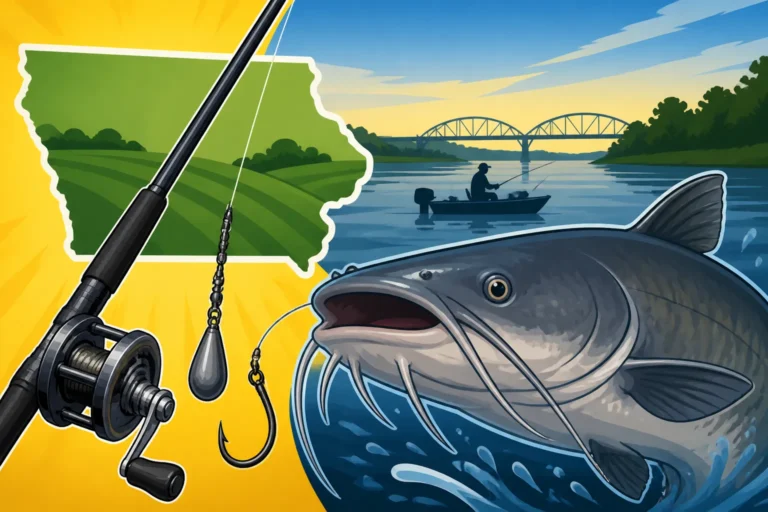
When it comes to rigging cut bait for channel catfish, simplicity often reigns supreme. The most popular and effective rig in Iowa for both rivers and lakes is a variation of the slip sinker rig, often referred to as a Carolina rig. This setup allows the catfish to pick up the bait and move off with it without immediately feeling the weight of the sinker, leading to more confident bites.
To set up a basic slip sinker rig, start by threading an egg sinker (or a no-roll sinker in current) onto your main line. The weight of the sinker will depend on the current and depth you're fishing – typically 1/2 to 2 ounces is a good range for most Iowa conditions. Below the sinker, tie on a barrel swivel. This swivel serves two purposes: it prevents the sinker from sliding down to your hook, and it helps reduce line twist. To the other end of the swivel, tie a leader line, usually 12-24 inches long, using a slightly lighter test line than your main line. Finally, tie your hook to the end of the leader.
For hooks, circle hooks are highly recommended for channel catfish. They significantly increase the chance of a hook-up in the corner of the fish's mouth, which is much safer for the fish if you plan to release it, and it reduces gut hooking. A common size for channel catfishing is a 4/0 to 8/0 circle hook. When baiting, ensure your cut bait piece is threaded onto the hook in a way that the hook point and barb are completely exposed. This is crucial for a good hook set. For serious catfishing, you'll want a sturdy rod and reel combo capable of handling powerful runs and heavy weights. Many anglers prefer a medium-heavy to heavy action rod, around 7 to 8 feet long, paired with a reliable baitcasting or spinning reel. When looking for new tackle, you can browse a wide selection of Best Rod for Catfish Fishing and appropriate line weights on online retailers such as Amazon. Using a heavy enough line, often 15-30 pound test monofilament or braided line, is also important for landing those bigger fish. Remember, while a strong line is essential, the feel and flexibility of your rod are key to detecting subtle bites and fighting the fish effectively.
Storage and Freshness: Keeping Your Bait Potent
The potency of your cut bait is directly tied to its freshness and how well its scent disperses. A piece of dried-out, old bait just won't have the same allure as a fresh, juicy cut.
The best way to store cut bait is in a cooler on ice, especially on hot Iowa summer days. This keeps the bait cool and prevents rapid decay, preserving its natural oils and blood. Many anglers will pre-cut their bait into desired sizes at home and store them in airtight containers or zip-top bags within the cooler. This not only keeps the bait fresh but also prevents its strong odor from permeating everything else in your cooler.
While fresh is always ideal, freezing cut bait can be a viable option for longer-term storage. However, be aware that freezing and thawing can sometimes make the bait a bit mushier and less durable on the hook. If you do freeze bait, vacuum-sealing it can help maintain its quality. When you're ready to fish, let it thaw naturally in a cooler. The key takeaway is that the more "potent" the scent, the better. Old, spoiled bait might seem like it would attract scavengers, but often, the most effective cut bait is one that is fresh enough to leach out those strong, natural fish oils and blood, signaling an easy, attractive meal to a passing channel catfish.
Where to Deploy Your Best Cut Bait in Iowa
Knowing what cut bait to use is fantastic, but knowing where to put it in the water is truly what separates a good day from a great one. Iowa offers a variety of water bodies, each with its own prime catfish spots.
River Hotspots for Channel Catfish
Iowa's rivers are channel catfish factories, providing excellent habitat and an abundance of food. When fishing rivers like the Mississippi River Fishing in Iowa, the Des Moines River, the Cedar River, or the Iowa River, you want to focus on areas where catfish can ambush prey or find easy meals.
- Current Seams and Eddies: Look for breaks in the current, often behind snags, wing dams, or points. Catfish will sit in these calmer areas, conserving energy while waiting for food to be swept past them in the main current. Your cut bait, placed just outside or within these seams, will drift naturally into their strike zone.
- Log Jams and Submerged Timber: These areas provide excellent cover and structure for catfish. They offer shade, protection from current, and are often magnets for baitfish. Cast your cut bait as close as safely possible to these snags. Be prepared for snags, but the reward can be huge. Many anglers have their favorite Des Moines River Catfish Spots that involve fishing near such structure.
- Deep Holes and Bends: Rivers naturally carve out deeper areas, especially on the outside bends. Catfish will often congregate in these deeper, cooler pockets, particularly during warmer months or high-pressure situations. Use your fish finder if you have one, or look for obvious topographical changes on shore.
- Wing Dams: On larger rivers like the Mississippi, wing dams are absolute channel catfish magnets. These rock structures extend from the bank into the river, creating current breaks and scour holes on the downstream side. Catfish will stack up in the slack water behind and below the wing dams. Casting cut bait into these areas can be incredibly productive, especially during the Summer Catfish Techniques on the Mississippi River.
Lake and Reservoir Strategies
Lakes and reservoirs in Iowa, such as Saylorville Reservoir or Rathbun Lake, offer a different kind of challenge and opportunity for channel catfish. While there's less current, the same principles of finding food and cover apply.
- Old Creek Channels and Ledges: Many reservoirs are created by damming rivers, leaving behind old creek beds. Catfish often use these submerged channels as highways, moving between deeper basins and shallower feeding flats. Targeting the edges or ledges of these channels can be highly effective. A good topographical map or fish finder is invaluable here.
- Humps and Points: Submerged humps (underwater hills) and points extending from the shoreline offer changes in depth and structure that attract baitfish, and in turn, catfish. Catfish will often cruise along these features, looking for food. Casting your cut bait on top of or along the sides of these structures is a solid strategy.
- Submerged Timber and Brush Piles: Just like in rivers, any submerged cover like trees, stumps, or intentionally placed brush piles (if legal) will hold catfish. These provide ambush points and protection. For example, some anglers find great success targeting Saylorville Reservoir Catfish Spots near drowned trees.
- Wind-Blown Banks: A consistent wind blowing into a particular bank can stack up baitfish and other food sources along that shoreline. This creates a buffet for catfish, drawing them into shallower water to feed. Don't overlook these areas, especially during active feeding periods.
Seasonal Considerations for Cut Bait Effectiveness
While cut bait is generally effective year-round, its potency and where you deploy it can vary with the seasons.
- Spring: As water temperatures rise, catfish become more active and move into shallower areas to feed heavily before the spawn. Cut bait fished near spawning grounds or newly flooded vegetation can be very productive.
- Summer: This is prime time for channel catfish. Warmer water increases their metabolism, making them actively forage. The strong scent of cut bait disperses rapidly in warm water, drawing in fish from far and wide. Focus on deeper areas during the heat of the day, moving shallower during dawn, dusk, and nighttime.
- Fall: As water temperatures begin to cool, catfish will undergo a feeding frenzy to bulk up for winter. They can often be found in deeper holes and channels, continuing to respond well to cut bait as they seek substantial meals.
- Winter: While less active, channel catfish can still be caught through the ice or in open water during mild winters, often from deep holes. However, their metabolism is significantly slower, so your presentation needs to be slower and more patient. Cut bait can still work, but you'll need to leave it in place longer.
It’s worth noting that Is There a Closed Season for Catfish? in Iowa? Generally, no, channel catfish are open year-round, but always check current regulations for specific daily bag and possession limits before you head out. Understanding both the behavior of the fish and the best places to apply your chosen cut bait will significantly enhance your Iowa fishing experience.
Disclaimer
This article is for general informational purposes only and does not constitute professional advice. Laws, prices and regulations vary by location and change over time. Consult a qualified professional for guidance on your specific situation.