Do You Need Waders for Iowa Trout Streams?
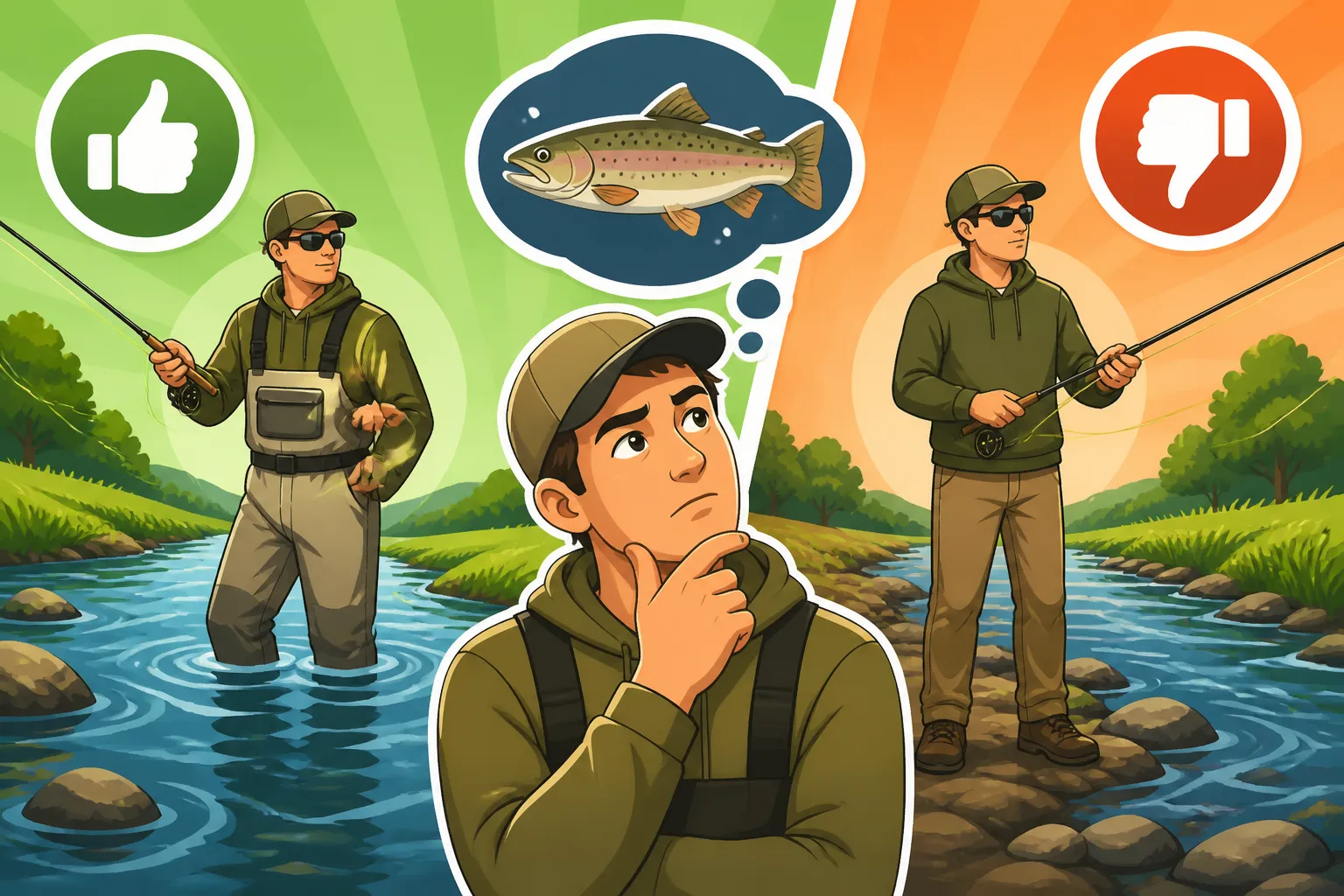
Anyone who's ever dreamed of casting a line into Iowa's pristine trout streams has probably pondered the same question: "Do I really need waders for this?" It's a valid concern, especially if you're new to the specific demands of trout fishing in our beautiful, yet often chilly, northeast Iowa waters. This guide aims to cut through the confusion, offering a deep dive into why waders are usually your best friend on the stream, when you might get away without them, and how to choose the right pair for our unique conditions.
Understanding Iowa's Trout Streams and Their Unique Challenges
Iowa isn't typically known for its mountains, but the northeast corner of our state holds a special secret: a network of coldwater streams that are perfect for trout. These aren't your average warmwater rivers; they have characteristics that make specialized gear, like waders, incredibly practical, if not essential.
The Nature of Northeast Iowa's Spring-Fed Waters
Our trout streams are largely fed by cold, underground springs. This is fantastic for the trout, as it keeps water temperatures consistently low, even during the warmer months. However, it also means that the water is always cold – often hovering in the 40s and 50s Fahrenheit, sometimes even colder in early spring or late fall. Stepping into water this cold without proper insulation can lead to discomfort, numb feet, and even hypothermia if you're not careful. It’s not just a quick dip; you’ll be in and out of this cold water for hours as you follow the stream's twists and turns.
Beyond temperature, the depth variations in these streams can be surprising. What looks like a shallow riffle might suddenly drop into a knee-deep or even waist-deep pool, especially after recent rains. The bottom composition is another factor. You'll encounter everything from smooth gravel beds to slippery, algae-covered rocks and sticky mud. Walking through these varied terrains requires stable footing, and often, the ability to wade across deeper sections to reach prime fishing lies. When you're fishing in places like French Creek or Bloody Run Creek, you'll quickly realize how dynamic these environments are.
Navigating Different Stream Types
Iowa's trout streams come in various sizes and personalities. You'll find everything from narrow, intimate brooks that you can almost jump across, to wider, more substantial creeks that require careful wading to navigate.
- Small Brooks and Tributaries: These are often overgrown, with tight casting lanes and plenty of overhanging branches. They might seem shallow, but hidden pockets and undercut banks can hold surprisingly deep water. Here, wading might be less about crossing deep channels and more about stealthily approaching fish without spooking them from the bank, which often means getting into the water.
- Larger Creeks and Rivers: Think places like the Yellow River or portions of the Maquoketa River system. These can be wider, with more consistent current and deeper runs. Wading here is often necessary to cover water effectively, reach mid-stream structure, or avoid dense bankside vegetation. The stronger currents can also present a challenge, making stable footing paramount. Obstacles like downed trees, log jams, and swift currents are common, and waders allow you to safely maneuver around or through them. This versatility is key to successfully targeting fish throughout the various segments of the stream. Knowing the typical depths and currents of these streams is part of a broader understanding of Iowa Fishing Techniques Guide.
The Benefits of Wearing Waders for Iowa Trout Fishing
Given the conditions, waders quickly go from a "maybe nice to have" to an "absolutely essential" piece of gear for most serious trout anglers in Iowa. Their advantages extend far beyond just keeping you dry.
Staying Warm and Dry in Cold Water
The primary and most obvious benefit of waders is, of course, keeping you dry. But in Iowa's cold trout streams, "dry" also means "warm." Even on a sunny spring day, standing in 45-degree water for an hour will quickly chill you to the bone without proper insulation.
- Comfort and Endurance: Waders allow you to comfortably spend extended periods in the water without freezing. This means you can focus on fishing, rather than shivering, leading to a much more enjoyable and productive experience. You won't be rushing off the stream because your legs are numb.
- Health and Safety: Prolonged exposure to cold water without protection can be dangerous, increasing the risk of hypothermia. Waders, especially paired with appropriate layering underneath, provide a critical barrier against the cold. When you're out there, especially in early spring or late fall, it's not just about comfort; it's about genuine safety. Many seasoned anglers will tell you that the ability to stay warm makes all the difference when the bite is on in brisk conditions.
- Year-Round Access: While some might brave wet wading in the peak of summer, waders truly open up the entire trout season for you. They make early spring and late fall fishing not just tolerable, but genuinely comfortable, allowing you to take advantage of prime fishing conditions throughout the year. If you're wondering how long Iowa's trout season lasts, waders will let you explore a good portion of it.
Enhancing Mobility and Access
One of the greatest joys of trout fishing is the freedom to explore. Waders are instrumental in giving you that freedom, allowing you to go where the fish are, not just where the bank allows.
- Reaching Prime Spots: Often, the best trout lies are in the middle of the stream, under an overhanging bank, or behind a specific current break that's inaccessible from shore. With waders, you can wade out into the stream, positioning yourself for the perfect cast. This is especially true for those who enjoy Fly Fishing for Trout in Iowa Streams, where proper casting angles are crucial. You'll find yourself able to approach fish from downstream, staying out of their direct line of sight, and presenting your fly or lure with precision.
- Crossing Deeper Sections: Many streams have sections that are too deep to simply walk through in boots, but not deep enough to require swimming. Waders allow you to comfortably cross these deeper pockets, expanding your fishing territory significantly. This is vital when you're moving between different pools or riffles, effectively covering more water. Trying to hop from rock to rock or bushwhack around these spots can be time-consuming, dangerous, and often puts you in a terrible position to fish.
- Protection Against Thorns and Brush: Iowa's stream banks can be rugged. Thorns, thick brush, and uneven terrain are common. Waders provide an extra layer of durable protection against scratches, scrapes, and punctures as you navigate through overgrown areas. While not their primary function, this added robustness is a welcome bonus, saving your regular clothing from wear and tear. This is particularly relevant when bushwhacking to find those more secluded spots in Trout Fishing Streams in Northeast Iowa.
Providing Extra Storage and Protection
While not their primary function, waders often come with practical features that add to their utility on the stream.
- Integrated Pockets: Many modern waders include chest pockets, often waterproof, perfect for storing small fly boxes, leader material, tippet spools, or even your phone. This keeps essential items easily accessible without needing to constantly dig through a backpack or vest. Some even feature fleece-lined handwarmer pockets – a lifesaver on chilly mornings.
- Tool Attachment Points: D-rings and loops are common on waders, providing convenient spots to attach zingers for nippers, hemostats, or a small thermometer. This organization ensures your tools are always within reach when you need them, minimizing fumbling and maximizing your time fishing.
- General Durability and Confidence: Knowing you have a robust barrier between you and the elements, and between you and potential hazards like sharp rocks or sticks, instills a sense of confidence. You can move more freely and aggressively through the water, focusing on the fishing rather than worrying about getting wet or hurting yourself. This peace of mind is invaluable for a productive and enjoyable day outdoors.
When You Might Not Need Waders (and What to Wear Instead)
While waders are often the best choice, there are specific scenarios where you might be able to get by without them, or where a different approach makes more sense.
Fair-Weather, Shallow Water Scenarios
There are times when the conditions might align to allow for what's known as "wet wading." This involves wearing quick-drying clothing and sturdy, water-friendly footwear directly in the stream.
- Peak Summer Months: In the dog days of summer, when air temperatures are soaring and stream temperatures are at their warmest, wet wading can be a refreshing option. Think late July and August. The water might still feel cool, but it won't be dangerously cold. However, even then, consider the long-term exposure.
- Specific Easy-Access Spots: If you're only planning to fish a very small, known stretch of stream that has exceptionally shallow and consistent depth, and you don't anticipate needing to cross any deeper sections, wet wading could work. This is more common in community trout ponds or very small, clear streams where you can easily see the bottom.
- Short Trips or Reconnaissance: For a quick, unplanned stop at a stream, or if you're just scouting new water and don't plan on prolonged immersion, you might opt for waterproof hiking boots and quick-dry pants rather than donning full waders. This is more about convenience for a brief encounter than a dedicated fishing session.
- Warmest Waters: Some Iowa streams are slightly warmer than others, or you might find yourself in the extreme downstream sections where cold spring input is less dominant. Even here, however, temperatures rarely get warm enough for truly comfortable wet wading for extended periods.
Alternative Footwear and Clothing
If you decide to wet wade, choosing the right gear is crucial for comfort, safety, and performance.
- Waterproof Hiking Boots with Quick-Dry Pants: For cooler wet wading days, or when you expect to be in and out of the water frequently, good waterproof hiking boots paired with synthetic quick-dry pants (not cotton!) can be a decent compromise. The boots offer protection and grip, while the pants dry relatively quickly. You'll still get wet, but less so than with shorts, and you'll have some protection against brush and sun.
- Wading Boots with Neoprene Socks/Gravel Guards: This is often the best wet wading setup. You wear your regular wading boots (the same ones you'd wear with stockingfoot waders) over thick neoprene socks. The neoprene socks provide some insulation and protect your feet from grit, while the wading boots offer excellent grip and ankle support. Paired with quick-dry shorts or pants, this is a very effective and comfortable setup for summer wet wading, especially if you also carry a pair of gravel guards to prevent pebbles from getting into your boots. If you're looking for the Best Wading Boots for Rocky Streams, you'll find plenty of options that work for both wet and dry wading.
- Sport Sandals with Toe Protection: For the absolute hottest days and very mellow, shallow streams, rugged sport sandals with closed toes (like Keens) might suffice for short periods. However, they offer minimal ankle support or protection from sharp objects, and the lack of insulation makes them unsuitable for even moderately cold water. Always exercise extreme caution when using open-style footwear in rocky or unknown stream bottoms.
Choosing the Right Waders for Iowa Conditions
If you've decided that waders are the way to go – and for Iowa trout fishing, they almost always are – selecting the right pair is the next step. There's a surprising amount of variety, and the best choice depends on when and how you plan to fish.
Types of Waders: Breathable vs. Neoprene
The two main materials for waders each have distinct advantages and disadvantages.
- Breathable Waders: These are typically made from multiple layers of synthetic fabric (like Gore-Tex or similar proprietary materials) that allow moisture vapor (sweat) to escape while preventing water from entering.
- Pros: Much more comfortable in warmer weather or during active walking, as they prevent overheating and clamminess. They are lighter, pack down smaller, and offer better freedom of movement. Ideal for Iowa's spring, summer, and fall trout fishing. Many models come with reinforced knees and seat for added durability. You can easily layer warm clothing underneath for colder conditions, making them versatile year-round. You can find excellent breathable waders on platforms like Amazon.
- Cons: Generally more expensive than neoprene. They provide less inherent insulation, so you need to layer effectively underneath in colder conditions. While durable, punctures can happen, though they are usually repairable with a patch kit.
- Neoprene Waders: Made from the same material as wetsuits, neoprene waders offer significant thermal insulation.
- Pros: Extremely warm, making them excellent for very cold water conditions, such as early spring, late fall, or even some extreme winter efforts if ice isn't present. They are often more puncture-resistant than breathable waders.
- Cons: They don't breathe at all, meaning you'll get very hot and sweaty during active walking or on warmer days, leading to discomfort. They are bulky, heavy, and restrict movement more than breathable waders. For most of Iowa's trout season, breathable waders are the more practical choice due to their versatility.
For Iowa trout streams, especially given the range of conditions from early spring to late fall, breathable waders with good layering options are generally the most versatile and recommended choice.
Key Features to Look For
Once you've decided on the material, consider these features to find the best fit for your fishing style:
- Bootfoot vs. Stockingfoot:
- Bootfoot Waders: These have boots permanently attached. They are convenient for quick on-and-off and eliminate the need for separate wading boots. However, the fit of the boot might not be perfect, and if the boot wears out, the whole wader needs replacement. They are generally heavier.
- Stockingfoot Waders: These have neoprene "socks" at the bottom, and you wear separate wading boots over them. This allows for a custom fit with your preferred wading boots, which often offer superior ankle support and traction. If the boots wear out, you only replace the boots. They are lighter and more packable. For Iowa's rocky, slippery streams, stockingfoot waders paired with quality wading boots are highly recommended for safety and comfort. This setup is crucial for confident wading, especially in swift currents.
- Pocket Placement: Look for easily accessible chest pockets, preferably waterproof, for essential gear. Fleece-lined handwarmer pockets are a huge plus for comfort on chilly days.
- Reinforced Knees and Seat: Wading can be tough on waders. Reinforced areas in high-wear spots significantly increase their lifespan.
- Wading Belt: A wading belt is non-negotiable for safety. It cinches around your waist, preventing water from rushing up into your waders if you take a spill. This can be life-saving in a strong current. Always wear it. You'll find many models on Amazon that include a wading belt or offer it as an add-on.
Essential Wader Accessories
Having the right accessories completes your wading setup.
- Wading Boots: If you go with stockingfoot waders, a good pair of wading boots is paramount. Look for excellent ankle support and aggressive soles, often felt or rubber with cleat compatibility, to handle slippery rocks. This guide on Best Wading Boots for Rocky Streams offers great insights.
- Wading Staff: This is a truly undervalued piece of safety equipment. A collapsible wading staff provides a crucial third point of contact with the stream bed, helping you maintain balance in current, probe for deep holes, and test for slippery footing. Many anglers who frequent our Iowa streams consider a wading staff as important as their rod. For more details, check out Do You Need a Wading Staff for Iowa Trout Streams?
- Layering Clothing: Never wear cotton under your waders. It absorbs moisture and loses its insulating properties when wet. Opt for synthetic or wool base layers that wick moisture and retain warmth, even if damp.
- Repair Kit: Accidents happen. A small wader repair kit with patches and Aquaseal can save a fishing trip by quickly fixing a small leak.
Practical Tips for Wading Safely and Effectively
Wading in cold, moving water requires more than just the right gear; it demands caution, awareness, and proper technique.
Safety First: Understanding Stream Hazards
Iowa's trout streams, while beautiful, can present real dangers if you're not careful.
- Currents: Even seemingly gentle currents can be surprisingly strong, especially after rainfall or in narrow chutes. Strong currents can sweep you off your feet, making it difficult to regain balance. Always be aware of the water flow and avoid areas with obviously swift, deep currents unless you are experienced and confident.
- Slippery Rocks: This is perhaps the most common hazard. Algae and moss-covered rocks are like ice. Always test your footing before putting your full weight down. Good wading boots with appropriate soles are your first line of defense.
- Deep Holes and Drop-Offs: What looks uniform on the surface can hide sudden deep holes or sharp drop-offs. Use a wading staff to probe the bottom ahead of you, especially in unfamiliar water.
- Getting Stuck: Muddy or silty bottoms can create suction, making it hard to pull your foot out. This is a common issue in some areas, particularly near slower pools or backwaters. A wading staff can help break the suction or provide leverage if you get momentarily stuck.
- Obstacles Below the Surface: Submerged logs, branches, or other debris can trip you up or snag your waders. Again, the wading staff is invaluable for identifying these unseen obstacles.
Wading Techniques and Best Practices
Developing good wading habits will make your time on the stream safer and more enjoyable.
- Shuffle Your Feet: Instead of lifting your feet high, shuffle them along the stream bed. This keeps your center of gravity low, allows you to feel for solid footing, and reduces the risk of stumbling.
- Face Upstream (or Sideways): When moving through current, face slightly upstream or turn sideways to the current. This presents a smaller profile to the water, reducing drag and making you more stable. Your wading staff should always be positioned upstream of your body.
- Use a Wading Staff: As mentioned, use your staff to probe the water ahead of you, test the depth, and find secure footing before you commit your weight. It's like having an extra leg for stability.
- Know Your Limits: Never wade into water that's too deep or currents that are too strong for your comfort level. If in doubt, find an alternative route or avoid that section altogether. It's always better to be safe than sorry.
- Move Slowly and Deliberately: Rushing through the water increases your risk of falling and also spooks fish. Take your time, move with purpose, and observe your surroundings. This applies whether you're actively fishing or just repositioning. For specific tactics, consider exploring resources on How to Nymph for Trout in Cold Water, which often involves careful wading.
- Fish with a Buddy: While not always possible, fishing with a partner adds an extra layer of safety, especially in challenging wading conditions.
Ultimately, while you could technically fish Iowa's trout streams without waders on certain rare, perfect summer days, the reality is that waders offer such significant advantages in comfort, safety, and access that they are almost always a crucial piece of gear. Investing in a good pair, combined with appropriate layering and a wading staff, will undoubtedly enhance your trout fishing experience in our beautiful state.
Disclaimer
The information provided in this guide is for general informational purposes only and does not constitute professional advice. Fishing regulations and conditions can change. Always consult the latest Iowa Department of Natural Resources (DNR) regulations before fishing and exercise caution when on or near water. Your safety is your responsibility.