Best Spots for Catfish on the Chariton River
It's incredibly frustrating, isn't it, trying to figure out where the catfish are hiding on a river you might not be intimately familiar with? You spend hours casting, moving from one bank to another, maybe even crossing the river, only to come up empty-handed. That feeling of uncertainty, wondering if you're overlooking a prime spot, can really take the joy out of a fishing trip. This guide is dedicated to revealing the best spots for catfish on the Chariton River, offering practical advice and insider tips to help you fill your stringer and enjoy a truly rewarding day on the water.
Understanding the Chariton River Catfish Scene
The Chariton River, winding through south-central Iowa and into Missouri, is a hidden gem for catfish anglers. It might not have the sheer size or fame of the Mississippi or the Des Moines River, but its more intimate nature often means less fishing pressure and some truly spectacular catfishing opportunities. Understanding the river's character is the first step to unlocking its secrets.
The Chariton's Distinctive Flow and Bottom
Unlike the vast, powerful currents of larger rivers, the Chariton often presents a more moderate flow, though this can vary significantly with rainfall and seasonal changes. Its bottom composition is typically a mix of sand, gravel, and rich, silty mud, especially in slower sections and deeper holes. This varied substrate is crucial because it supports a diverse ecosystem, which in turn provides ample food for catfish. You'll find areas with consistent current washing over gravel beds, which are ideal for smaller forage fish and insect larvae, attracting hungry channel cats. Then there are the deeper, muddier stretches where flatheads often prefer to lie in wait, especially around submerged logs and root systems. The water clarity can range from relatively clear during dry spells to quite murky after heavy rains, which often actually improves the catfishing, as it provides cover for the fish and makes them less wary. Keeping an eye on the river's water levels and clarity before your trip can give you a significant advantage.
Why Catfish Thrive in Chariton River Habitats
Catfish, particularly channel cats and flatheads, are perfectly adapted to the Chariton's environment. They're opportunistic feeders and masters of using river structure to their advantage. The abundance of natural cover, such as fallen trees, submerged logjams, undercut banks, and deep scour holes, provides ideal ambush points and resting areas. These structures break up the current, allowing catfish to conserve energy while waiting for food to drift by. The river's ecosystem is rich with their preferred diet: crayfish, mussels, smaller baitfish like shad and shiners, and a variety of aquatic insects. The Chariton's relatively undisturbed stretches also contribute to healthier fish populations, as they face fewer environmental pressures than some of Iowa's more developed waterways. If you’re looking to truly understand How to Catch Catfish in Iowa, knowing their preferred habitat is half the battle.
Top Catfish Hotspots on the Chariton River
Finding the right spot often feels like detective work, but on the Chariton, there are some tried-and-true locations that consistently hold catfish. It's all about understanding what structure and conditions attract them.
The Magnetic Pull of Deep Holes and River Bends
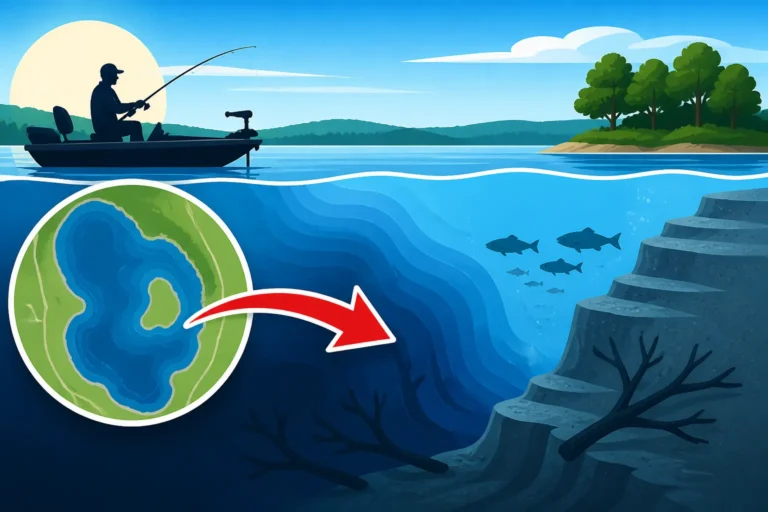
Catfish are undeniably drawn to deeper water, especially in rivers where current can be a factor. Deep holes offer stable temperatures, refuge from strong currents, and a place to settle in for a long meal. On the Chariton, these deep pockets are often found on the outside bends of the river. As the current sweeps around a bend, it scours out the riverbed, creating deeper water and often depositing nutrient-rich sediment and food sources.
To find these spots, look for areas where the bank is steep or undercut on the outside of a curve. These are prime indicators of a deep hole. Casting your bait upstream and allowing it to drift naturally into and through these deep pockets can be incredibly effective. Sometimes, simply anchoring above a bend and casting into the deeper water will yield consistent results. You might be surprised at the size of the channel cats and even flatheads that lurk in these seemingly unassuming bends. Learning How to Find Deep Holes for Catfish is a game-changer.
Hidden Gems: Logjams and Submerged Wood Structures
If there's one thing catfish absolutely adore, it's wood. Logjams, fallen trees, brush piles, and root wads create complex underwater ecosystems that provide shelter, shade, and an abundance of food. These structures break the current, creating eddies and slack water where catfish can ambush prey without expending much energy. Flathead catfish, in particular, are known for their preference for living directly within heavy wood cover.
Fishing these areas requires patience and a willingness to risk a snag or two. Use a heavy-duty rig to horse fish out quickly before they can wrap you around a submerged branch. Position your boat or cast from the bank so you can present your bait as close to the cover as possible, without getting immediately tangled. Often, the bigger fish are right in the thickest part of the cover. These areas are excellent, especially during the warmer months when catfish are more active and aggressive feeders. Always remember to retrieve any snagged lines and tackle to keep our waters clean and fish-friendly.
Confluences and Creek Mouths: Feeding Frenzy Zones
Anywhere a smaller creek or ditch flows into the Chariton River creates a natural feeding zone for catfish. These confluences bring in new food sources, such as insects, worms, and baitfish washed in by the tributary's flow. They also create distinct current seams and eddies where the waters mix, concentrating fish. The change in water temperature or clarity from the inflowing creek can also attract catfish.
Focus your efforts on the seams where the two currents meet, or in the calmer water just downstream from the confluence. These areas are often prime spots for both channel cats and flatheads, as they offer an easy meal. This is especially true after a rain, when the inflowing water carries a bounty of fresh food. If you're wondering about the overall Iowa Fishing Regulations Explained, you'll find these areas are usually open to general fishing, but always check local signage or specific regulations for any nuances.
Navigating Low-Head Dams Safely for Prime Spots
While often overlooked or even avoided by some, the areas directly below low-head dams on rivers like the Chariton can be absolute catfish magnets. The churning, oxygen-rich water below these structures creates an irresistible environment for many fish species, including catfish. The powerful current washes food over the dam, and the pools directly below become a literal buffet. Fish will congregate here in large numbers, particularly during periods of lower water flow when other parts of the river might be less productive.
However, it is absolutely critical to approach these areas with extreme caution. Low-head dams are incredibly dangerous and are often referred to as "drowning machines" due to their recirculating currents that can trap boats and people. Never get too close to the face of a dam, and always wear a life jacket. Fish from a safe distance, ideally from the bank or well downstream of the immediate hazard zone. If you choose to explore these spots, use a heavy sinker to get your bait down through the current, and be prepared for strong fights from current-loving catfish.
Mastering Seasonal Catfish Tactics on the Chariton
Catfish are around all year, but their behavior changes with the seasons. Adapting your tactics to these shifts will make you a much more successful angler on the Chariton.
Spring Awakening: Post-Winter Movements and Early Bites
As winter's chill gives way to warmer spring temperatures, the Chariton River comes alive, and so do the catfish. After a relatively dormant period in deep wintering holes, catfish begin to move, driven by rising water temperatures and the urge to feed before the spawn. You'll find them starting to venture into shallower areas, especially near creek mouths and sunny banks where the water warms up faster. This is a fantastic time for aggressive channel catfish bites.
Focus on areas where the river widens slightly or on shallower flats adjacent to deeper channels. Cut bait, like shad or sucker, and large chunks of worms are highly effective as they mimic natural food sources emerging from dormancy. Allowing your bait to drift naturally along the bottom, or slowly retrieving a weighted rig, can entice those hungry, post-winter catfish. The fish are often more spread out during this time, so covering water can be beneficial.
Summer's Bounty: Daytime R&R and Nighttime Action
Summer on the Chariton brings consistent warmth, and with it, consistent catfish action. During the heat of the day, catfish will often retreat to deeper, cooler waters or seek refuge in dense cover like logjams and undercut banks. They become more nocturnal feeders in the peak summer heat. This makes Night Fishing Techniques for Catfish particularly effective. Setting up camp for an evening and fishing through the night can lead to some of the biggest hauls.
For daytime fishing, target those deep holes, logjams, and shaded areas we discussed earlier. Use strong-smelling baits like stink bait, chicken livers, or cut bait, as their scent disperses well in warmer water. As dusk settles and into the night, catfish become much more active, moving into shallower flats and channel edges to feed aggressively. Consider a guided trip if you're exploring the Chariton for the first time; local experts often list their services on platforms like FishingBooker and can provide invaluable insights into summer patterns.
Fall Feeding Frenzy: Preparing for Winter's Chill
As autumn leaves begin to change color and the air cools, Chariton River catfish enter a crucial phase: the fall feeding frenzy. Much like other species, catfish instinctually know winter is coming and will gorge themselves to build up fat reserves. This makes fall an excellent time for targeting large, healthy catfish. They'll often be found in transition areas, moving between shallower feeding grounds and deeper wintering holes.
Look for them along the edges of deeper channels, at the mouths of larger tributaries, and around prominent underwater structures. They will still respond well to cut bait and larger live baits, as they're looking for substantial meals. The bite can be aggressive and consistent throughout the day, especially on sunny afternoons when the water warms slightly. Keep in mind that Iowa Fishing Seasons Explained will show that catfish generally have no closed season, allowing you to chase them year-round.
Essential Gear and Effective Techniques for Chariton Catfish
Having the right equipment and knowing how to use it effectively is paramount for successful catfishing on the Chariton. It’s not about having the most expensive gear, but having gear that’s up to the task.
The Right Tools: Rods, Reels, and Line for River Cats
For the robust catfish of the Chariton River, you'll want a medium-heavy to heavy-action rod, typically 7 to 9 feet in length. This gives you the leverage to cast heavy weights and, more importantly, to control and land powerful fish, especially when they dive into cover. Pair this with a sturdy baitcasting reel or a large spinning reel, capable of holding plenty of heavy line. Look for reels with a smooth, reliable drag system, as you’ll need it when a big flathead decides to run.
When it comes to line, braided line in the 30-65 lb test range is a popular choice for its incredible strength, sensitivity, and resistance to abrasion – perfect for navigating snags and sharp underwater structures. However, many anglers still prefer heavy monofilament (15-30 lb test) for its stretch, which can act as a shock absorber during violent runs, and its lower visibility. A good compromise is often a braided main line with a heavy monofilament or fluorocarbon leader, giving you the best of both worlds. For more specifics, consider checking out guides like Best Rod Setup for Catfish on the Mississippi River, which can often be adapted for the Chariton.
Bait That Catches: From Cut to Stink and Beyond
Catfish are not picky eaters, but certain baits consistently outperform others. Here's a rundown of your best options:
- Cut Bait: This is arguably the king of catfish baits. Freshly cut pieces of oily baitfish like shad, skipjack, or even pieces of carp or sucker, release a powerful scent trail that catfish can detect from a distance. The fresher, the better.
- Stink Bait/Prepared Baits: These commercially prepared baits are designed to be irresistible to channel catfish due to their strong, often pungent odors. They come in various forms, from dough balls to dips. They are particularly effective for channel cats in warmer water.
- Chicken Livers: A classic for a reason. Chicken livers are cheap, easy to find, and notoriously effective for channel catfish. They're a bit messy and can be hard to keep on the hook, but their scent is a major draw.
- Worms: Large nightcrawlers or Canadian crawlers can be incredibly effective, especially for smaller channel cats and bullheads, but larger ones will certainly hit them too. They're also great for pairing with other baits.
- Live Bait: For trophy flatheads, nothing beats live bait. Small bluegill, green sunfish, or large shiners are excellent choices. Flatheads are predatory, preferring live, struggling prey. Ensure you check Iowa Fishing Regulations Explained regarding the legality of using certain live bait species.
For more detailed information on selecting the perfect attractant, delve into our Catfish Bait Guide for Iowa Anglers.
Here’s a quick overview of seasonal strategies and baits for the Chariton:
| Season | Preferred Locations | Recommended Baits | Key Technique |
|---|---|---|---|
| Spring | Creek mouths, shallower bends, mud flats | Cut bait (shad, sucker), large worms | Bottom fishing, slow drift, stationary |
| Summer | Deep holes, logjams, undercut banks, current breaks | Stink bait, chicken livers, cut bait (fresh) | Night fishing, anchoring, tightlining |
| Fall | Deep channels, major tributary confluences | Large cut bait, live bait (for flatheads) | Anchoring, slow retrieve near structure |
| Winter | Deep, slow-moving pools, main channel holes | Live bait, large cut bait | Vertical jigging, extreme patience, minimum disturbance |
Reading the Water and Staying Safe
Becoming a successful river angler involves more than just casting a line; it's about understanding the river itself. Learn to "read" the water: identify current breaks, eddies, snags, and subtle changes in depth or bottom composition. Look for areas where the water changes color or speed. These visual cues often point to hidden structures that hold fish. Using a fish finder, even a basic portable one, can be invaluable for identifying deeper holes or submerged timber.
Safety should always be your top priority. The Chariton River, while smaller, can still have strong currents, especially after heavy rainfall. Always wear a life jacket, especially if you're in a boat or wading. Check local weather forecasts and river levels before heading out. Respect private property signs and always get permission before accessing land that isn't public. Carry essential safety gear: a first-aid kit, a whistle, plenty of water, and a fully charged phone. Remember to verify the Channel Catfish Daily Limit in Iowa and adhere to all local regulations. If you're new to fishing Iowa's rivers, consider consulting a local guide found on FishingBooker for an initial trip to learn the ropes safely and effectively.
Disclaimer
The information provided in this guide is for general informational purposes only and is not intended as legal or professional advice. Fishing regulations, conditions, and access points can change frequently. Always consult the latest Iowa Department of Natural Resources (DNR) regulations and local authorities before planning any fishing trip. Exercise caution and prioritize safety whenever on or near the water.