Best Fishing Spots Near Waterloo
It can be incredibly frustrating to live in or visit an area like Waterloo, Iowa, wanting nothing more than to drop a line, but feeling completely overwhelmed by the "where to go" question. You want to make the most of your precious fishing time, not spend it guessing or driving aimlessly. This comprehensive guide is designed to cut through that confusion, giving you the insider scoop on the very best fishing spots near Waterloo, detailing what you can expect, and how to make your trip a success.
Discovering Waterloo's Premier Fishing Lakes and Parks
Waterloo and its immediate surroundings are blessed with some fantastic publicly accessible waters that cater to a variety of anglers and fishing preferences. Whether you're chasing panfish for a family dinner or looking for a bigger fight, these lakes and park ponds offer diverse opportunities.
George Wyth State Park: An Angler's Oasis
When you talk about fishing near Waterloo, George Wyth State Park immediately comes to mind. This sprawling park, located right on the edge of the city, is a true gem with multiple lakes and ponds formed by old oxbows of the Cedar River. It's not just a park; it's a dedicated fishing destination.
The main draw here is undoubtedly George Wyth Lake itself, a large, deep water body that holds a healthy population of largemouth bass, bluegill, crappie, and channel catfish. Anglers often find success working the submerged timber and weed lines for bass and crappie, especially during the warmer months. For those early mornings or late evenings, casting near structure with a topwater frog or a Texas-rigged plastic worm can yield some exciting largemouth action. This lake is also popular for ice fishing when conditions allow, offering chances at panfish and even some respectable walleye that have found their way in. You can also learn more about specific techniques in our guide on how to Catch Walleye in Iowa.
Beyond the main lake, you'll find smaller, more secluded ponds within the park, such as Alice Wyth Lake and Brinker Lake. These smaller waters are fantastic for family outings or for targeting panfish with lighter tackle. Alice Wyth, in particular, is often stocked with trout during the spring and fall, offering a unique cold-water fishing experience right here in central Iowa. Before heading out, always check the Iowa Fishing Season Dates and Limits to ensure you're compliant with any special regulations for stocked waters. The accessibility at George Wyth is excellent, with multiple boat ramps, fishing piers, and plenty of bank access, making it welcoming for anglers of all mobility levels.
Cedar Lake: Urban Fishing Convenience
Just a stone's throw from downtown Waterloo, Cedar Lake offers another convenient and productive fishing option. This lake is a smaller, more intimate body of water, but don't let its size fool you; it's regularly stocked and managed to provide excellent fishing, especially for channel catfish and panfish.
Cedar Lake is a fantastic spot for an evening fishing session after work or a quick weekend outing with the kids. The Iowa DNR actively manages this lake, often stocking it with channel catfish, which means consistent action for anglers using cut bait, stink bait, or even a simple worm and bobber rig. Beyond catfish, you'll find bluegill and crappie thriving in its waters, often congregating around the various fishing piers and artificial habitat structures. Our guide on the Best Bait for Channel Catfish can give you some excellent tips for increasing your success here.
What makes Cedar Lake particularly appealing is its ease of access. There's ample shoreline to fish from, and multiple fishing piers extend into the lake, providing great vantage points for casting and enjoying the urban scenery. While motorboats are restricted, kayaks and canoes are perfect for exploring the quieter coves. You won't need heavy gear here; a medium-light spinning rod and some basic tackle are usually all it takes. For those new to the area, or looking for local guidance, you might even find charter services listed on platforms like FishingBooker, offering guided trips on the nearby Cedar River or larger lakes, providing expert insight into local patterns.
Navigating the Rivers Near Waterloo
While lakes offer calm, predictable fishing, the rivers near Waterloo present a dynamic and rewarding challenge for those who enjoy the current. The Cedar River, in particular, is a major waterway that flows right through the city, offering diverse opportunities from bank fishing to serious boat angling.
The Mighty Cedar River: Flowing Through Waterloo
The Cedar River is the lifeblood of Waterloo, and it’s also a fantastic fishery. This large river, which eventually feeds into the Iowa River, is home to a wide array of species, including walleye, smallmouth bass, northern pike, channel catfish, and even some muskie. Fishing the Cedar River is an entirely different experience than lake fishing; you need to understand current, structure, and riverine species behavior.
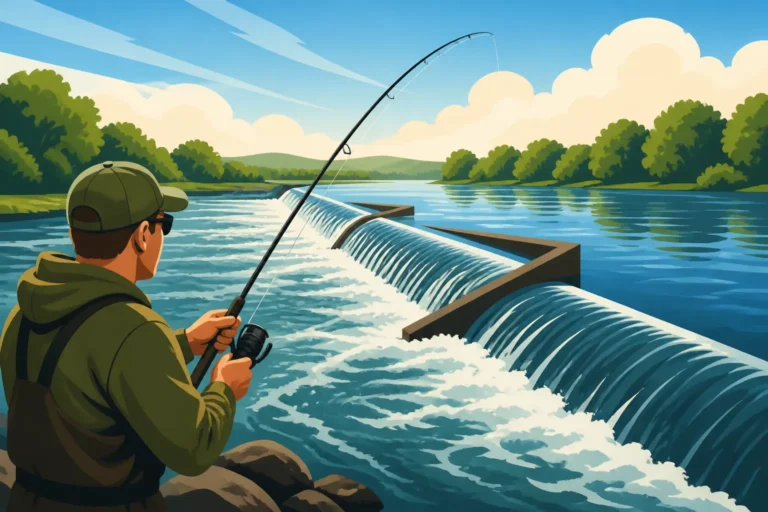
For many local anglers, the Cedar River is synonymous with robust catfish action. Flathead and channel catfish thrive in its murky depths, especially in the deeper holes and along outside bends where current washes bait. Night fishing for catfish is particularly popular during the summer months, with trotlines and set lines being common (just make sure you're familiar with Iowa's specific Catfish Daily Limit in Iowa and regulations for such methods). Beyond catfish, the Cedar River offers excellent walleye fishing, especially in the cooler months. Look for them congregating below riffles, dams, and around bridge pilings, where they ambush baitfish. Jigging with minnows or casting crankbaits are effective techniques.
Access to the Cedar River is generally good, with several public boat ramps within and just outside Waterloo. For shore anglers, numerous city parks and public lands provide bank access, though navigating the dense riverside vegetation can sometimes be a challenge. Understanding river flows and water levels is critical for safety and success; high water can make fishing difficult and dangerous. For boaters, it's a good idea to scout ramps and potential hazards, especially if you're unfamiliar with the specific stretch of river. Many anglers find success floating sections of the river in a kayak, allowing access to spots that are harder to reach from shore or larger boats. Check out our Kayak Fishing Techniques in Iowa for some helpful insights.
Wapsipinicon River: A Serene Alternative
Often simply called the "Wapsi," the Wapsipinicon River offers a quieter, more intimate river fishing experience compared to the Cedar. Flowing east of Waterloo, it’s a beautiful, winding river known for its excellent smallmouth bass and channel catfish populations, and it’s a favorite among those seeking a more tranquil setting.
The Wapsi is characterized by its riffles, pools, and rocky bottom, which create ideal habitat for smallmouth bass. These aggressive fighters love to hide behind current breaks, submerged logs, and rock piles, waiting to ambush prey. Light spinning gear with small crankbaits, jigs, or soft plastic creature baits can be incredibly effective here. Focus your efforts on areas where the current slows down, or around any visible structure. Besides smallmouth, the Wapsi is another fantastic river for channel catfish, especially in the deeper, slower pools. Anglers regularly pull respectable cats from the river using traditional bait like worms, chicken livers, or cut bait.
Access points along the Wapsipinicon are often found at county parks, bridge crossings, and a few small boat launches. It's an ideal river for canoe or kayak fishing, allowing anglers to drift silently through productive stretches, hitting multiple spots that might be inaccessible by larger boats or from shore. Shore fishing can be productive in many areas, particularly near public access points, but be prepared for some walking to find the best spots. Consider connecting with local guides through platforms like FishingBooker if you're keen to explore the Wapsipinicon's hidden gems and learn its unique fishing nuances, especially if you're targeting smallmouth bass in unfamiliar waters.
Smaller Ponds and Community Fishing Hotspots
Sometimes you don't need a grand expedition to have a great fishing day. Waterloo and its surrounding communities have several smaller ponds and urban fishing spots that are perfect for a quick trip, a family outing, or teaching a beginner the joys of angling. These often get stocked and are designed for easy access and consistent success.
Waterloo's Neighborhood Ponds
Beyond the major rivers and state parks, Waterloo itself boasts a few smaller, community-focused fishing ponds that are managed for recreational angling. These are typically easy to get to, have good bank access, and often see regular stocking.
One such spot is often found in local municipal parks, which the Iowa DNR sometimes uses for its Urban Fishing Program. These ponds are specifically designed to be accessible and provide a high chance of catching fish for younger anglers and families. They are frequently stocked with channel catfish and various panfish like bluegill and crappie. You'll often find fishing piers, paved trails, and clear banks, making them stroller and wheelchair-friendly. While these aren't trophy waters, they are fantastic for creating lasting memories and getting consistent bites. A simple bobber, a worm or corn, and a lightweight rod are all you need here. Don't forget that if you're over 16, you'll need an Iowa Fishing License Guide to fish these waters legally.
The beauty of these smaller ponds lies in their predictability and low-stress environment. They are perfect for teaching kids how to cast, identify different fish species, and practice catch-and-release. The regular stocking ensures that even beginner anglers have a good chance of success, building confidence and fostering a love for the outdoors. Plus, being so close to home means you can pop out for an hour or two without a major time commitment. These spots are also often well-maintained, providing amenities like restrooms and picnic areas, making them ideal for a full family afternoon.
Nearby Community Lakes and Impoundments
Venturing just a short drive from Waterloo can open up even more opportunities, with several smaller community lakes and impoundments that offer excellent fishing. These typically provide a slightly more "wilderness" feel than urban ponds but are still highly accessible.
For instance, lakes within the larger Black Hawk County parks system, or even smaller city impoundments in towns like Cedar Falls or Waverly, often provide quality fishing. Many of these smaller lakes are excellent for bass and panfish, with healthy populations that thrive in their calmer waters. Look for submerged vegetation, brush piles, and drop-offs to find crappie and bluegill. Largemouth bass will often be found patrolling the shallower edges early and late in the day, especially near weed lines or lily pads. Our guide on the Best Lures for Panfish can help you pick out some effective baits for these smaller waters.
These lakes are often less crowded than the larger state park lakes, offering a peaceful fishing experience. They are great for small boats, kayaks, or simply bank fishing, and many have designated fishing piers. Before you go, a quick check on the specific lake's website or the Iowa DNR fishing reports can give you up-to-date information on recent stockings, water levels, and what species are biting. Exploring these nearby spots can be a rewarding adventure, revealing new favorite honey holes just a short drive from Waterloo. For those looking to maximize their time on the water or explore a variety of nearby destinations, booking a local guide through platforms like FishingBooker can provide invaluable local knowledge and take the guesswork out of finding the hottest spots.
Essential Considerations for Fishing Near Waterloo
Knowing where to fish is just one piece of the puzzle. To truly maximize your success and ensure a safe, enjoyable experience, there are a few other critical factors to keep in mind, from understanding regulations to choosing the right gear.
Navigating Iowa Fishing Regulations
Iowa has clear regulations designed to protect its fisheries and ensure sustainable angling for everyone. Before you even pack your tackle box, it’s absolutely vital to be familiar with the current rules. These regulations cover everything from license requirements to daily bag limits and size restrictions, and they can vary by species and even by specific water body.
First and foremost, nearly all anglers aged 16 and older need a valid Iowa fishing license. There are different types of licenses available, from annual resident and non-resident options to shorter-term permits like the Iowa One-Day Fishing License, perfect for visitors or those just trying fishing out. Beyond the basic license, special endorsements like an Iowa Trout Fishing Fee and Stamp Guide are required if you plan to fish for trout in designated trout streams, which are predominantly in Northeast Iowa, but sometimes include special stockings near Waterloo. Bag limits are equally important; these dictate how many fish of a certain species you can keep per day and often include possession limits. For example, walleye might have a minimum size limit and a specific daily creel. Ignorance of the law is no excuse, and wardens regularly patrol popular fishing areas. Always carry your license and be ready to present it. You can usually find the most current regulations online on the Iowa DNR website or pick up a physical copy of the fishing regulations booklet at most license vendors.
| Fishing Spot | Primary Species | Accessibility | Best Time to Fish | Key Features |
|---|---|---|---|---|
| George Wyth State Park | Bass, Crappie, Bluegill, Catfish, Trout (seasonal) | Excellent (boat ramps, piers, shore) | Spring, Summer, Fall, Ice Fishing | Multiple lakes, stocked trout, diverse habitat. |
| Cedar Lake | Catfish, Bluegill, Crappie | Very Good (piers, shore) | Spring, Summer, Fall | Urban access, regularly stocked catfish, no motorboats. |
| Cedar River | Catfish, Walleye, Smallmouth Bass, Northern Pike | Good (boat ramps, some shore) | Year-round (species dependent) | Large river, diverse species, current fishing challenges. |
| Wapsipinicon River | Smallmouth Bass, Catfish | Moderate (kayak/canoe focus) | Spring, Summer, Fall | Scenic, smaller river, excellent smallmouth. |
| Local Park Ponds | Catfish, Bluegill, Crappie | Excellent (piers, paved trails) | Spring, Summer, Fall | Family-friendly, regularly stocked, easy access. |
Seasonal Changes and Best Practices
Iowa's fishing opportunities shift dramatically with the seasons, and understanding these patterns can significantly boost your success rate. What works in spring won't necessarily work in late summer or during the ice fishing season.
Spring, especially after the ice-out, is often an excellent time for walleye and crappie as they move into shallower waters for their spawn. This is when twitching jigs or slow-trolling crankbaits can be incredibly effective in rivers like the Cedar. As waters warm into summer, bass become more active, and topwater lures can produce thrilling strikes, particularly during low-light hours. Catfish also hit their stride in summer, feeding aggressively in the warmer river currents. Fall brings cooler temperatures, which often kickstarts another wave of activity for many species as they feed heavily before winter, making it a prime time for bass and walleye once again. When conditions are right, Ice Fishing in Iowa offers a unique winter experience, targeting panfish and walleye through the ice on many lakes. Always be mindful of changing weather conditions and dress appropriately, especially for river fishing where currents can be powerful and unpredictable. When exploring new waters, even familiar local ones, consider checking out resources like FishingBooker to find local guides who can offer up-to-the-minute reports and seasonal insights, helping you refine your techniques for the best results.
Beyond seasonal awareness, practicing responsible angling is crucial. This includes proper handling of fish, especially if you plan to release them, using appropriate tackle for the species you're targeting, and always packing out anything you pack in. Leaving no trace ensures that these fantastic fishing spots remain pristine for future generations of anglers. Whether you're a seasoned pro or just starting out, taking a moment to review the Iowa Fishing Regulations Explained will ensure you're well-prepared for a legal and enjoyable day on the water.
Disclaimer
Fishing conditions and regulations in Iowa can change. Always consult the official Iowa Department of Natural Resources (DNR) website or their current fishing regulations booklet before heading out. This guide provides general information and recommendations, but it is the angler's responsibility to adhere to all applicable laws and safety guidelines.