Best Bluegill Ponds in Iowa
Finding that perfect spot for bluegill fishing in Iowa can sometimes feel like chasing a ghost – you hear whispers of incredible catches, but actually locating those honey holes where the panfish are abundant and eager to bite is a whole different story. This guide is here to cut through the hearsay and lead you straight to some of the best bluegill ponds across the Hawkeye State, sharing invaluable tips to make your next outing a memorable one.
Why Bluegill Ponds Are So Popular in Iowa
There’s just something undeniably charming and consistently rewarding about targeting bluegill, especially in Iowa’s numerous ponds. They might not be the biggest fish in the lake, but their feisty fight and delicious table fare make them a perennial favorite for anglers of all skill levels. It's an accessible form of fishing that truly embodies the joy of the outdoors.
The Appeal of Panfishing for All Ages
Let's be honest, few things beat the pure joy of a bobber disappearing under the water. For kids, especially, bluegill fishing offers instant gratification, helping them build confidence and a love for angling. It's a fantastic entry point into the sport, teaching fundamental skills like baiting a hook, casting, and reeling in a catch. But it’s not just for beginners; seasoned anglers find immense pleasure in the challenge of consistently finding and catching these prolific panfish, often seeking out bigger "bull" bluegill that put up a surprisingly strong fight.
Beyond the thrill of the catch, panfishing creates lasting memories. Imagine a warm summer evening, a gentle breeze, and the shared laughter as family and friends gather around a productive pond. It's a low-pressure way to enjoy nature, disconnect from daily stresses, and simply relax. These small fish often bite readily, making for an active and engaging fishing experience that keeps everyone entertained, even when the bigger species are being elusive.
Understanding Bluegill Habitat Preferences
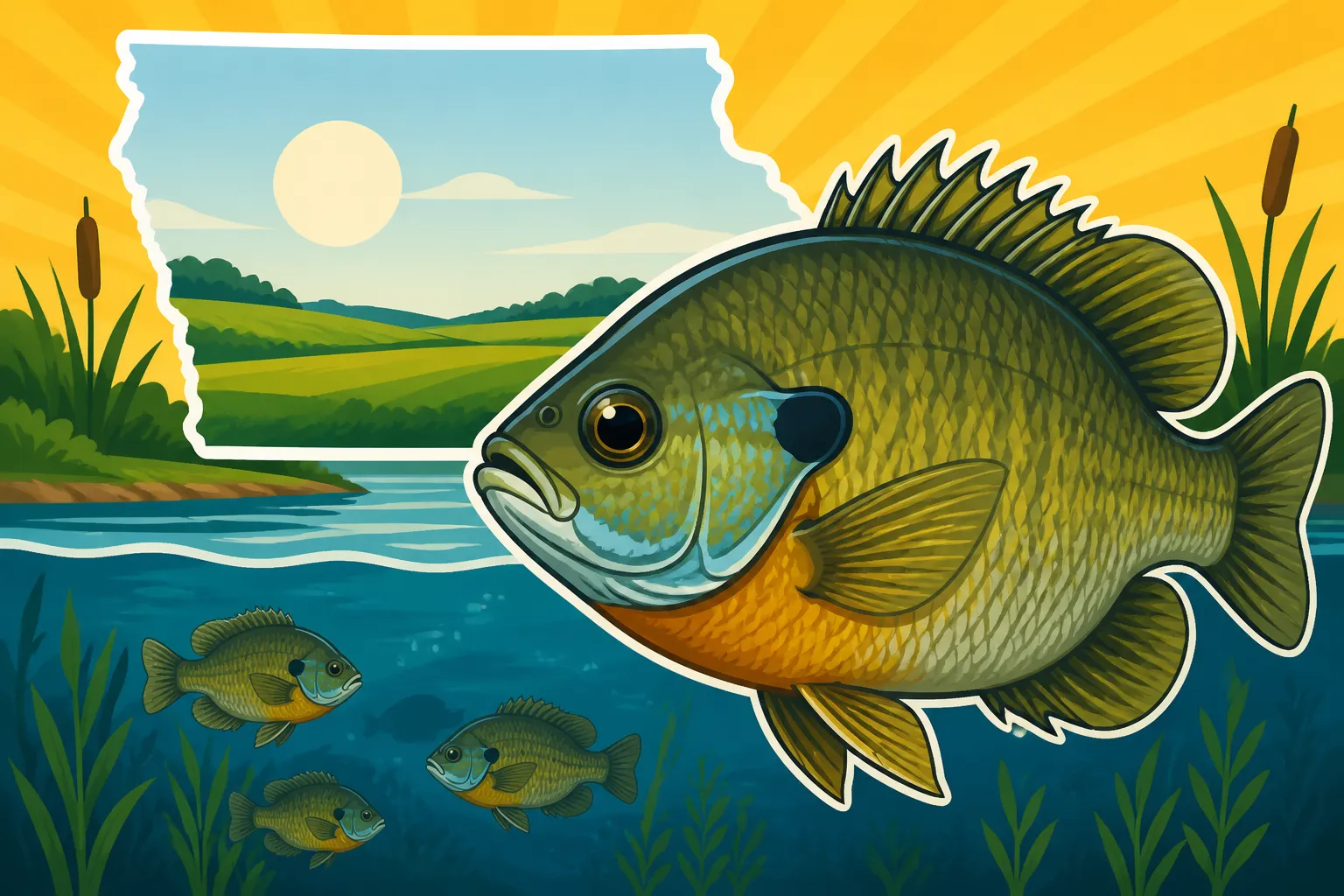
To consistently find the best bluegill ponds, it helps to think like a bluegill. These fish thrive in slow-moving or still waters with plenty of cover. Ponds, with their typically calmer environments, are ideal. They love areas with submerged aquatic vegetation like lily pads, cattails, and pond weeds, which provide both shelter from predators and a rich feeding ground for the insects and small crustaceans they munch on. Structure is also key – fallen trees, brush piles, docks, and even subtle changes in depth can hold schools of bluegill.
When you're scouting a pond, look for these tell-tale signs: shady spots near overhanging trees, areas where the bottom drops off into slightly deeper water, and sections with visible weed lines. Bluegill often spawn in shallow, sandy, or gravelly areas in late spring and early summer, creating distinctive circular "beds" that are easy to spot. During these times, they're highly concentrated and aggressively protective of their nests, making them easier to target. Deeper pockets in a pond, especially during hotter summer months or colder winter periods, can also be bluegill magnets as they seek more stable water temperatures.
Top Public Bluegill Ponds Across Iowa
Iowa is dotted with fantastic fishing opportunities, and many of its public parks and wildlife management areas boast ponds teeming with bluegill. While some of these might seem small and unassuming, they often hold some of the best panfishing action. The key is knowing which ones are regularly managed and offer good access.
Central Iowa's Hidden Gems
Central Iowa, despite its urban centers, offers a surprising number of excellent bluegill ponds. These often receive regular attention from the Iowa Department of Natural Resources (DNR), ensuring healthy fish populations. For example, some of the smaller ponds within Big Creek State Park near Polk City are fantastic. While Big Creek Lake itself is known for walleye, the surrounding ponds are often overlooked panfish havens. You'll find good shore access, and these smaller bodies of water warm up quickly in spring, getting the bluegill bite going early. Another fantastic spot is Easter Lake in Des Moines, which has several accessible fishing piers and is known for its strong panfish population, including plenty of hungry bluegill.
Further out, ponds like those at Banner Lakes at Summerset State Park in Warren County provide diverse fishing, and their smaller, managed impoundments are perfect for bluegill. Many of these ponds are part of urban fishing programs, meaning they might be stocked or have habitat improvements specifically designed to boost fishing success. Always check the Iowa DNR's weekly fishing report for updates on specific pond conditions and recent stockings. Remember, even popular spots can have quieter corners if you're willing to explore beyond the main parking areas.
Eastern Iowa's Productive Waters
Heading east, the landscape changes, but the bluegill opportunities remain abundant. Lake Macbride State Park near Iowa City is a well-known spot, and while the main lake is excellent for various species, its numerous coves and smaller adjacent ponds are prime for bluegill. Look for areas with dense aquatic vegetation or submerged timber. The fishing piers here also offer easy access to productive waters. For those seeking a bit more solitude, the smaller ponds at Pleasant Creek State Recreation Area near Cedar Rapids are another excellent choice, providing a quieter environment with good bluegill populations thriving in their weedy edges. You can often find areas with relatively clear water here, making it easier to spot schooling fish.
Don't overlook the myriad of county parks and conservation areas throughout eastern Iowa. Many boast well-maintained ponds ideal for a family fishing trip. For instance, Kent Park in Johnson County has ponds that are regularly monitored and provide excellent shore fishing opportunities for panfish. These smaller waters often benefit from less angling pressure compared to the larger reservoirs, allowing bluegill to grow to impressive sizes. A quick search on the county conservation board websites can often reveal these lesser-known, yet highly productive, locations.
Western Iowa's Understated Spots
Western Iowa’s rolling hills and river valleys also hold their share of bluegill riches. While the Missouri River border waters are known for catfish, the region's numerous smaller public ponds are perfect for panfish enthusiasts. Near Sioux City, Bacon Creek Park offers urban fishing ponds that are regularly stocked and managed, providing convenient access to good bluegill action. These ponds are particularly great for a quick afternoon trip with the family, complete with easy access and often good amenities.
Further south, Green Valley Lake State Park near Creston, while a larger lake, features plenty of shallow coves and areas with submerged structure that hold abundant bluegill. Its well-maintained facilities and clear waters make it a pleasant destination. Additionally, many smaller impoundments and community ponds in counties like Pottawattamie, Shelby, and Harrison offer surprising bluegill havens. These often fly under the radar, making them excellent choices for anglers looking for less crowded spots. A great resource for exploring specific locations, especially for those who travel, is a platform like FishingBooker, where you can often find local guides who are intimately familiar with these productive, albeit less publicized, ponds and can show you exactly where the bluegill are biting.
Key Factors for a Successful Bluegill Pond
Not all ponds are created equal when it comes to bluegill fishing. Several critical factors contribute to a pond's ability to consistently produce healthy, catchable panfish. Understanding these elements can help you discern a prime bluegill spot from a mediocre one, even before you cast a line.
Water Quality and Aquatic Vegetation
The health of a bluegill population is inextricably linked to the quality of its water. Ponds with good water clarity, appropriate oxygen levels, and stable temperatures are essential. Bluegill thrive in environments where the water isn't too murky, allowing sunlight to penetrate and support the growth of aquatic vegetation. This vegetation isn't just aesthetic; it's the backbone of the pond's ecosystem. It provides critical habitat for insects and small invertebrates, which form the primary diet of bluegill. It also offers crucial cover for young bluegill to hide from larger predators like bass and northern pike.
However, there's a delicate balance. Too much dense vegetation can make fishing difficult and can lead to oxygen depletion during hot summer nights or under heavy ice cover. The best ponds have a healthy mix of open water and varied plant life, including lily pads, rushes, and submerged grasses, creating distinct "edge" habitats that bluegill love to patrol. Look for ponds where the water looks clean and healthy, not overly stagnant or choked with algae. The presence of other small aquatic life, like frogs or dragonflies, can also be a good indicator of a thriving ecosystem.
Management and Stocking Practices
Many of Iowa's best bluegill ponds don't just happen; they're actively managed by the Iowa DNR or local conservation boards. This management can involve a variety of practices aimed at enhancing fish populations and angler success. Regular stocking of forage fish, or even bluegill themselves, can ensure a healthy food chain and robust numbers. More importantly, active habitat improvement projects, such as adding brush piles, rock structures, or planting beneficial aquatic plants, create ideal environments for bluegill to thrive, grow, and reproduce. These efforts are often detailed on the DNR website or through local conservation programs.
Furthermore, some ponds are specifically managed to produce trophy-sized bluegill. This might involve selective harvesting regulations to reduce the number of smaller fish, allowing the remaining bluegill to grow larger. When planning your fishing trip, it's always a good idea to check the specific regulations for the pond you intend to fish, as different bodies of water may have unique bag limits or size restrictions. For example, some ponds might have special rules regarding Crappie and Sunfish Limits in Iowa. Knowing these can help you contribute to the sustainability of the fishery while also maximizing your chances of catching quality fish.
Accessibility and Amenities
Let's face it, a great bluegill pond isn't just about the fish; it's also about the overall experience. Easy accessibility is a huge plus, especially for families or anglers with mobility challenges. Ponds with well-maintained walking paths, designated parking areas, and fishing piers make a day on the water much more enjoyable. Many of Iowa's state and county parks prioritize these features, making them excellent choices. Look for places with ample shoreline access, allowing you to move around and try different spots without fighting through thick brush.
Beyond simple access, amenities can greatly enhance your trip. Picnic tables, restrooms, and even playgrounds can turn a fishing excursion into a full-day family outing. Some parks even offer boat rentals for canoes or kayaks, giving you the chance to reach those less-pressured spots that shore anglers can't reach. Considering an area like Lake Macbride State Park or Green Valley Lake State Park often provides this blend of excellent fishing and comfortable amenities. Before heading out, a quick online search or a call to the local conservation office can provide details on available facilities, ensuring your chosen pond meets all your needs for a relaxing and productive day.
Gear and Techniques for Pond Bluegill
One of the great things about bluegill fishing is that you don't need a boatload of expensive gear. Simplicity is often key, making it accessible and enjoyable for everyone. However, having the right basic setup and knowing a few effective techniques can drastically improve your success.
Simple Setups for Maximum Fun
For bluegill, light tackle is not just preferred, it's essential. A lightweight spinning rod, anywhere from 5 to 6.5 feet long, paired with a small spinning reel (size 1000 or 2000) spooled with 4 to 6-pound test monofilament line, is a perfect all-around setup. This light line allows for better casting of small baits and offers a more sporting fight from even modest-sized bluegill. A small bobber, a couple of split-shot weights, and a small hook (size 8 or 10) are all you really need to get started. For kids, a cane pole or a simple push-button spincasting combo is ideal – easy to use and forgiving.
Don't forget the essentials: a small tackle box to keep your hooks, weights, and bobbers organized, a pair of needle-nose pliers for hook removal, and a stringer or small cooler to keep your catch fresh. If you’re looking to get started without breaking the bank, consider a Best Budget Spinning Combo for Panfish to kickstart your angling adventures. The beauty of bluegill fishing is its approachability; you don't need to overthink your gear to have a fantastic time.
Effective Baits and Lures
Bluegill are not particularly picky eaters, which is another reason they're such a joy to fish for. Live bait is almost always a winner. Small worms or pieces of nightcrawlers are absolute classics. Crickets, grasshoppers, and small mealworms or wax worms are also incredibly effective, especially when fished under a bobber near cover. The natural movement and scent of live bait are often irresistible to hungry bluegill.
For artificials, small jigs are your best friend. Tiny marabou jigs, tube jigs, or micro-grubs in colors like chartreuse, white, or black, tipped with a small piece of live bait or a Berkley Gulp! Alive! waxworm, can be deadly. These can be fished under a bobber, slow-reeled, or gently jigged near structure. Even small spinnerbaits, like a Beetle Spin, can entice an aggressive bluegill. If you're feeling a bit more adventurous, learning How to Catch Bluegill on a Fly Rod can add a whole new dimension to your panfishing, using tiny poppers or wet flies. Experimentation is part of the fun – sometimes bluegill will show a strong preference for a particular color or presentation on any given day.
Maximizing Your Catch and Ensuring Sustainability
Catching bluegill isn't just about putting a hook in the water; it's about understanding their behavior, respecting the environment, and employing smart angling strategies. To truly excel and ensure future generations can enjoy these fantastic fish, a thoughtful approach is key.
Reading the Water and Seasonal Patterns
Bluegill movements and feeding habits are heavily influenced by water temperature and the time of year. In spring, as water temperatures rise, bluegill move into the shallows to spawn. This is arguably the best time to catch them, as they are concentrated and aggressive. Look for their distinctive circular beds in sandy or gravelly areas in just a few feet of water. As summer progresses and waters warm, they often retreat to deeper, cooler water or seek refuge in dense shade and thick cover. Early mornings and late evenings are often the most productive times during the summer heat. This understanding of seasonal shifts is crucial for knowing Best Time to Catch Bluegill in Spring and throughout the year.
Fall sees bluegill becoming more active again as temperatures cool, feeding heavily in preparation for winter. During winter, if you're brave enough for ice fishing, bluegill will congregate in deeper holes or near the edges of weed beds, often suspending off the bottom. Learning to "read the water" – identifying changes in depth, cover, and current (even subtle ones in a pond) – will significantly increase your success. Watch for subtle disturbances on the surface, which might indicate active fish, or pay attention to what kind of bait fish are present. Utilizing a resource like FishingBooker can help you tap into local knowledge, where experienced guides can often provide real-time insights into the current bite and optimal fishing locations.
Responsible Angling and Conservation
While bluegill are plentiful, responsible angling practices are vital for maintaining healthy populations. This includes adhering to all Iowa Fishing Regulations Explained and respecting daily bag limits. Although bluegill are usually robust, practicing catch-and-release, especially for the larger "bull" bluegill, can help sustain trophy-sized fish in a pond. If you're keeping fish, only take what you plan to eat and handle them carefully to minimize stress. Always release undersized fish promptly and gently.
Beyond the fish, be mindful of the environment. Pack out everything you pack in, including discarded fishing line, which can be deadly to wildlife. Avoid disturbing nesting birds or other animals, and respect private property boundaries if fishing near residential areas. Understanding how many fishing poles you can use in Iowa is also important, as regulations might vary. By being a thoughtful steward of Iowa's beautiful ponds, we ensure that these cherished fishing spots remain vibrant and productive for years to come, securing the legacy of bluegill fishing for future generations of anglers.
Local Favorites and Community Ponds
Sometimes the best fishing isn't in a remote wilderness, but right in our own backyards. Iowa's cities and towns are often home to fantastic community ponds, managed for easy access and consistent fishing opportunities.
Urban Fishing Opportunities
Iowa's urban fisheries are a true blessing for those who live in or near cities. These ponds, often found in city parks, are usually managed intensively by the Iowa DNR and local authorities to provide high-quality angling experiences close to home. For example, the Ada Hayden Heritage Park Lake in Ames, or various ponds within Big Creek State Park near Polk City, offer convenient access, well-maintained shorelines, and often robust populations of bluegill. These spots are particularly great for a spontaneous fishing trip after work or a short outing with kids. The DNR often stocks these urban ponds, not just with bluegill, but also with other popular species to ensure a diverse fishing experience.
These urban gems are designed with accessibility in mind, frequently featuring fishing piers that extend into deeper water, providing access to fish that might otherwise be out of reach for shore anglers. They also tend to be very family-friendly, with amenities like restrooms, picnic areas, and playgrounds. Checking local park and recreation department websites or the Iowa DNR's fishing atlas can reveal specific regulations, stocking schedules, and accessibility features for ponds in your immediate area. You might be surprised to find an amazing bluegill spot just a stone's throw from your front door, making it easy to enjoy the outdoors without a long drive. If you're near the state capital, places listed in Best Fishing Spots Near Des Moines will often highlight these urban bluegill havens.
Smaller, Often Overlooked Ponds
Beyond the major urban centers and state parks, Iowa has countless smaller, often unnamed or lesser-known ponds scattered across its landscape. These can be goldmines for bluegill, precisely because they receive less fishing pressure. Think about county conservation areas that might feature a small, tucked-away pond, or even watershed dams that create quiet impoundments. These spots require a bit more exploration to find, but the reward can be worth the effort. They might lack elaborate amenities, but they offer solitude and often larger, less-pressured fish.
Access to these smaller ponds might be via grassy trails or gravel roads, and they might not have dedicated fishing piers. However, their secluded nature often means a healthier ecosystem and larger fish for the observant angler. When exploring, always be respectful of surrounding private property and ensure you have permission if there are any doubts about public access. The Iowa DNR’s online fishing atlas is an invaluable tool for locating these hidden gems, as it maps out countless public fishing opportunities, even the ones that don't get much fanfare. Don't be afraid to try a spot that isn't widely publicized; these are often where you’ll find the true bluegill treasures. For those in the Cedar Rapids area, seeking out such spots might be covered in resources like Best Family Fishing Ponds Near Cedar Rapids, pointing you toward those excellent, quieter options.
| Pond Name / Location | Key Features for Bluegill | Best Time of Year | Notable Species (besides Bluegill) | Access Type |
|---|---|---|---|---|
| Easter Lake, Des Moines | Urban, stocked, piers, structure | Spring, Early Summer, Fall | Largemouth Bass, Channel Catfish | Shore, Boat (electric) |
| Big Creek State Park Ponds (Polk City) | Managed, good cover, diverse habitat | Spring, Summer | Bass, Catfish | Shore |
| Lake Macbride (Iowa City) Coves/Ponds | Extensive shoreline, vegetation, quiet areas | Spring, Early Summer | Bass, Walleye, Crappie | Shore, Boat |
| Green Valley Lake State Park (Creston) | Clear water, coves, habitat structures | Spring, Fall | Bass, Crappie, Channel Catfish | Shore, Boat |
| Bacon Creek Park (Sioux City) | Urban, stocked, easy access | Spring, Summer | Bass, Channel Catfish | Shore |
| Ada Hayden Heritage Park Lake (Ames) | Urban, managed, diverse aquatic plants | Spring, Early Summer | Largemouth Bass, Walleye | Shore, Non-motorized boat |
Disclaimer
The information provided in this guide is for general informational purposes only and is subject to change. Fishing regulations, stocking programs, and local conditions can vary. Always consult the official Iowa Department of Natural Resources (DNR) website or their current fishing regulations booklet for the most up-to-date and accurate information before planning your fishing trip. Ensure you have the proper licenses and adhere to all local, state, and federal laws. Stay safe and fish responsibly.