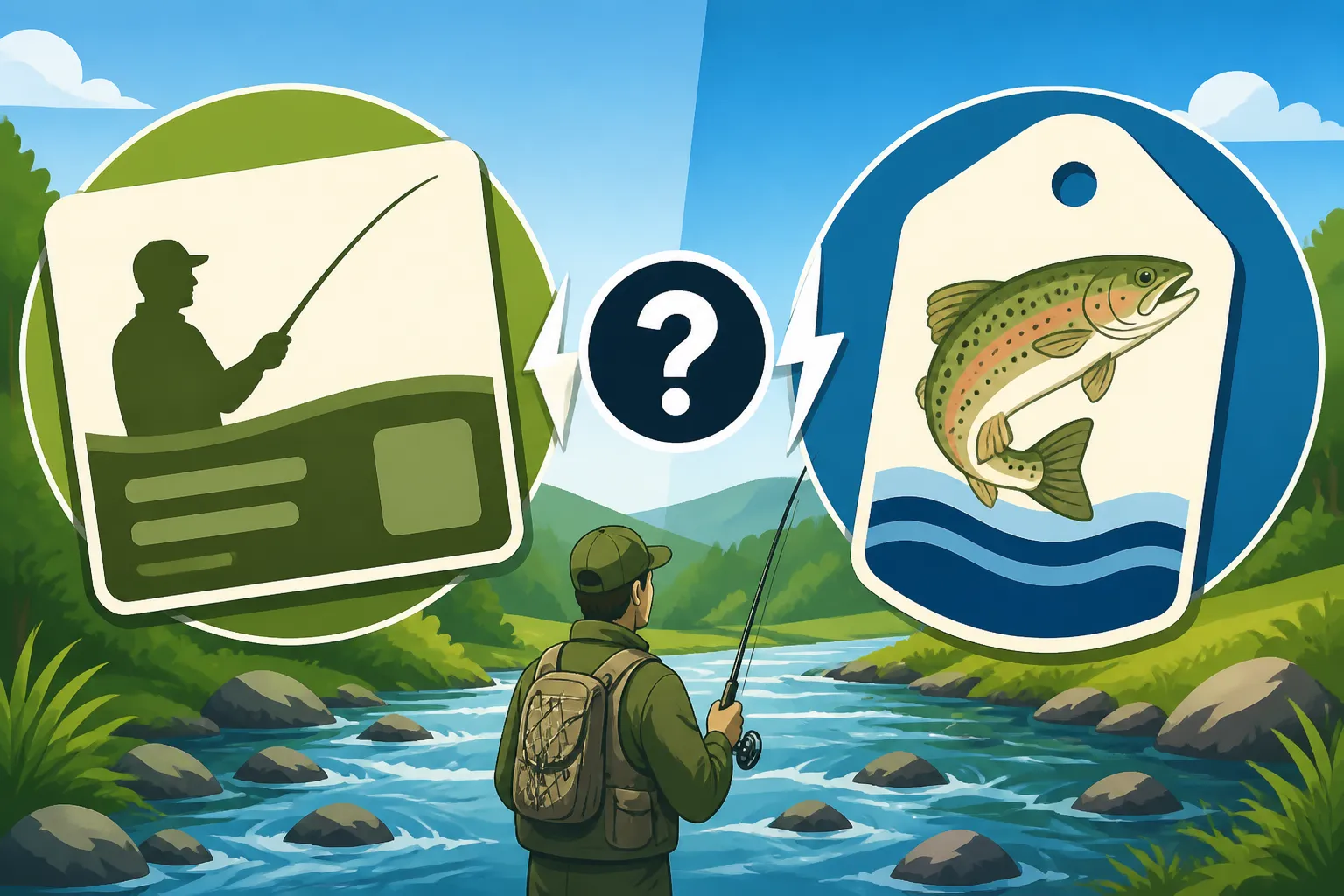
Do You Need Both a License and Trout Fee to Fish Streams?
It's incredibly frustrating when you're just trying to enjoy a peaceful day on the water, but the rules and regulations around fishing licenses and special fees feel like a tangled mess. Many anglers, especially those new to Iowa's beautiful trout streams, wonder if they really need both a standard fishing license and an additional trout fee. This guide is here to untangle that confusion, explain precisely when and why both are required, and help you stay on the right side of Iowa's fishing laws.
Understanding Iowa's Basic Fishing License Requirements
Before we even get to the trout fee, it's essential to understand the foundational requirement for nearly all fishing in Iowa: the basic fishing license. Think of it as your entry ticket to the vast majority of lakes, rivers, and ponds across the state. Without this, you're not legally permitted to cast a line for most species, no matter where you are or what you're targeting.
Who Needs a Basic Fishing License
Generally speaking, if you're 16 years of age or older and plan to fish in Iowa's public waters, you need a valid Iowa fishing license. This applies to both residents and non-residents alike, though the costs and available license types might differ. It’s a pretty standard rule across the country, designed to ensure that everyone who enjoys our natural resources contributes a little something to their upkeep. There are some specific Iowa Fishing License Exemptions, such as during the annual Iowa Free Fishing Weekend Guide, but for your everyday angling adventure, assume you'll need one. Even if you're just planning a quiet afternoon on a local pond, or dipping a line into the Mississippi River, that basic license is your first step. Families often ask, "Do Kids Need a Fishing License in Iowa?" and the answer is usually no if they're under 16, but it's always good to check the most current regulations.
Different Types of Iowa Fishing Licenses
Iowa offers a variety of fishing licenses to suit different needs and durations. The most common is the annual license, which covers a full year of fishing enjoyment. For residents, this might be an Iowa Resident Annual Fishing License, and for those visiting our great state, there's the Iowa Nonresident Annual Fishing License. But what if you're only here for a short trip or just want to try fishing for a day? That's where options like the Iowa One-Day Fishing License or the Iowa Three-Day Nonresident Fishing License come in handy. Each of these serves as your basic permission slip to fish. Without one of these fundamental licenses, any subsequent fees, like the trout fee, are moot points because you're not legally fishing to begin with. You might also find combination licenses, like the Outdoor Combo Hunting and Fishing License, which streamlines things if you enjoy both activities. You can find detailed information on these options, including specific pricing, in the Iowa Fishing License Costs guide.
The Iowa Trout Fee: A Separate Requirement
Now, let's dive into the core question: the Iowa trout fee. This is where things can get a bit confusing because it's in addition to your regular fishing license. It's not optional if you're specifically targeting or possessing trout in certain areas. Think of it less as a separate license and more as an endorsement or a special permit for a specific type of fishing.
What Exactly is the Trout Fee For
The Iowa trout fee, often referred to as a trout stamp, isn't just another way for the state to collect money. It's a crucial component of Iowa's successful trout management program. These funds directly support the Iowa Department of Natural Resources (DNR) in their efforts to stock designated trout streams and community trout ponds across the state. Without this fee, the consistent stocking of species like rainbow trout and brown trout, which many anglers travel to Northeast Iowa for, simply wouldn't be possible. The money generated helps pay for hatchery operations, transportation of fish, stream habitat improvements, and overall conservation efforts specifically aimed at sustaining our trout populations. It's about ensuring that future generations can enjoy the same fantastic trout fishing opportunities we have today. You can learn more about this in the Iowa Trout Fishing Fee and Stamp Guide.
When the Trout Fee Becomes Mandatory
Here's the definitive answer: Yes, you absolutely need both a valid Iowa fishing license and an Iowa trout fee if you are fishing in designated trout waters or possessing trout anywhere in the state.
The key phrase here is "designated trout waters." Iowa has specific streams, primarily in the picturesque driftless region of Northeast Iowa, that are managed specifically for trout. These are often cold-water streams that can naturally support trout or are heavily stocked by the DNR. If you're planning to fish in any of these, the trout fee is mandatory, regardless of whether you plan to keep a fish or not. Similarly, if you happen to catch a trout in any Iowa water and intend to keep it, you must have the trout fee.
Let's illustrate with a scenario:
- Scenario 1: You're fishing for bass in Lake Macbride, nowhere near a designated trout stream. You only need your basic Iowa fishing license.
- Scenario 2: You're heading to one of the beautiful trout streams near Decorah, like French Creek or South Bear Creek. You must have your basic Iowa fishing license and the Iowa trout fee. It doesn't matter if you're fly fishing with barbless hooks for catch-and-release or planning to take home a limit of rainbows; if you're in a designated trout water, the fee is required.
- Scenario 3: You're fishing a different river, perhaps the Upper Iowa River, not typically a designated trout stream, but you miraculously hook into a rogue trout. If you decide to keep that trout, you'd need the trout fee in addition to your regular license. However, to avoid any issues, it's always best to have the fee if there's any chance you might encounter and keep trout, especially if you're near waters where they are known to exist.
It's a small investment to support a fantastic fishery, and it ensures you're compliant with all Iowa Fishing Regulations Explained. Understanding Which Waters Require the Iowa Trout Fee is critical before you head out.
Navigating Specific Scenarios with Licenses and Fees
The rules around fishing can sometimes feel like a maze, especially with special permits like the trout fee. Let's break down some common questions that often trip up even experienced anglers to ensure you're always prepared.
Catch-and-Release vs. Keeping Trout
A common misconception among anglers is that if you only practice catch-and-release, you might be exempt from the trout fee. Unfortunately, this isn't the case in Iowa's designated trout waters. If you are fishing in an area specifically designated and managed for trout, such as the numerous streams in Northeast Iowa or the seasonal community trout ponds, the trout fee is mandatory regardless of your intent to keep fish. The act of fishing in these specific waters, not just possessing fish, triggers the requirement.
The reason for this is practical: it's incredibly difficult for law enforcement to determine an angler's intent. If you're actively casting a line in a trout stream, you're benefiting from the stocking and habitat work funded by the trout fee. Plus, even the most careful catch-and-release can sometimes result in mortality. So, to keep things clear and ensure everyone contributes to the conservation efforts, the rule applies whether you're taking home a cooler full of fish or just enjoying the thrill of the fight before releasing them. Always make sure you understand the Iowa Fishing Season Dates and Limits for trout as well, as some streams may have special regulations.
Youth Anglers and the Trout Fee
Iowa's regulations are generally quite accommodating for younger anglers, encouraging them to get out and enjoy the sport. Similar to the basic fishing license, which kids under 16 typically don't need, the trout fee also has age-based exemptions. Specifically, children under 16 years of age are NOT required to purchase an Iowa trout fee to fish in designated trout waters or possess trout. This is fantastic news for families looking to introduce their kids to the joys of trout fishing without the added expense.
However, it's important for adults fishing alongside them to remember that their own responsibilities remain unchanged. If you, as an adult, are fishing with a child under 16, you still need your basic fishing license and the trout fee if you're in designated trout waters or plan to possess trout. It's a wonderful way to foster a love for fishing in the next generation, making it accessible and enjoyable without burdensome upfront costs.
Where to Purchase Licenses and Fees
Getting your Iowa fishing license and trout fee is straightforward, thankfully, and there are several convenient options. You won't have to jump through hoops, which is a relief when you're just trying to get ready for a trip.
- Online: The quickest and often easiest way is through the Iowa DNR's official GoOutdoors Iowa website. You can purchase both your basic license and the trout fee from the comfort of your home, print them out instantly, or even keep a digital copy on your phone. This option is super convenient, especially if you suddenly decide on a last-minute fishing trip. Learn more about How to Buy a Fishing License on the GoOutdoors Iowa App.
- Authorized Vendors: Many sporting goods stores, bait shops, county recorders' offices, and some larger retailers across Iowa are authorized license vendors. Places like Amazon also offer a wide selection of fishing gear, from tackle boxes to waders, that you might need for your trout adventure. While you can't buy your license on Amazon, it's a great place to stock up on essentials like fly patterns or special trout lures before heading to a physical vendor for your actual permit.
- DNR Offices: You can also purchase licenses and fees directly from Iowa DNR offices. This might be a good option if you have specific questions or need assistance, though for most people, the online or vendor options are more accessible.
When you purchase your license, whether online or in person, make sure you explicitly request the "trout fee" or "trout stamp" in addition to your basic fishing license if you intend to fish for trout in those specific waters. And remember, the trout fee, like the basic license, needs to be renewed annually. A quick check of When the Trout Fee Needs to Be Renewed can save you from a potential headache.
Consequences of Non-Compliance
Nobody wants to get into trouble while enjoying a relaxing day outdoors. Understanding the requirements and ensuring you're compliant is not just about avoiding penalties; it's about respecting the system that supports Iowa's excellent fishing opportunities. The state's regulations are in place for a reason, primarily to manage fish populations and fund conservation efforts.
Penalties for Fishing Without Proper Documentation
If you are caught fishing without a valid Iowa fishing license, or without the required trout fee in designated trout waters or while possessing trout, you could face significant penalties. These aren't just minor slaps on the wrist; they can be costly and can even lead to more serious legal issues.
Typically, the penalties involve fines, which can range from hundreds to thousands of dollars depending on the severity of the offense and whether it's a first-time violation or a repeat offense. For example, the Fine Amount for Fishing Without a License in Iowa can be substantial. In some cases, you might also face confiscation of your fishing gear, your catch, and potentially even suspension of future fishing privileges. Imagine having your favorite rod and reel taken away, or being barred from fishing for a season or longer – it’s a tough lesson to learn, and one that's easily avoidable by simply purchasing the necessary documents.
Conservation officers are out there doing an important job, ensuring everyone plays by the rules so our fisheries remain healthy. They're not there to ruin your day, but to enforce regulations that benefit all anglers. They are well-versed in Iowa Fishing Rules for Out-of-State Anglers and local regulations, so ignorance of the law is generally not considered a valid excuse.
Reporting Violations and Maintaining Integrity
While it's not a pleasant thought, part of maintaining the integrity of Iowa's fishing resources is ensuring that everyone follows the rules. If you witness someone fishing without a license, exceeding bag limits, or violating other regulations, there are channels to report such activities. The Iowa DNR relies on observant citizens to help them enforce the rules and protect our natural heritage.
Reporting a violation helps protect the fish populations and ensures that those who contribute to the conservation efforts (by purchasing licenses and fees) aren't unfairly disadvantaged by those who don't. You can typically report violations through the Iowa DNR's dedicated TIP (Turn In Poachers) hotline or online portal. While it might feel uncomfortable to report someone, remember that it's for the greater good of the resource and the angling community. It helps ensure that the beautiful fish, like those we pursue in our trout streams with gear often purchased from Amazon or local tackle shops, continue to thrive for years to come.
Ultimately, the small cost of an Iowa fishing license and trout fee is a minimal investment for the immense pleasure and relaxation that fishing provides, and it’s an investment that directly supports the health and future of Iowa’s aquatic ecosystems.
Disclaimer
Please remember that fishing regulations can change. While every effort has been made to provide accurate and up-to-date information, it is always your responsibility to consult the most current Iowa Department of Natural Resources (DNR) fishing regulations before heading out. This guide is for informational purposes only and should not be considered legal advice.