Best Drone for Scouting Fishing Spots
It's incredibly frustrating when you hit your favorite fishing spot, or even a new one you've heard whispers about, only to spend hours casting without a single bite. You know the fish are somewhere out there, but finding those elusive hotspots, especially in murky waters or hidden backwaters, feels like searching for a needle in a haystack. This guide is here to introduce you to a modern solution for that age-old problem: using drones to scout Iowa's diverse fishing environments, helping you uncover those secret honey holes and improve your angling success.
Why Anglers Are Turning to Drones for Fishing
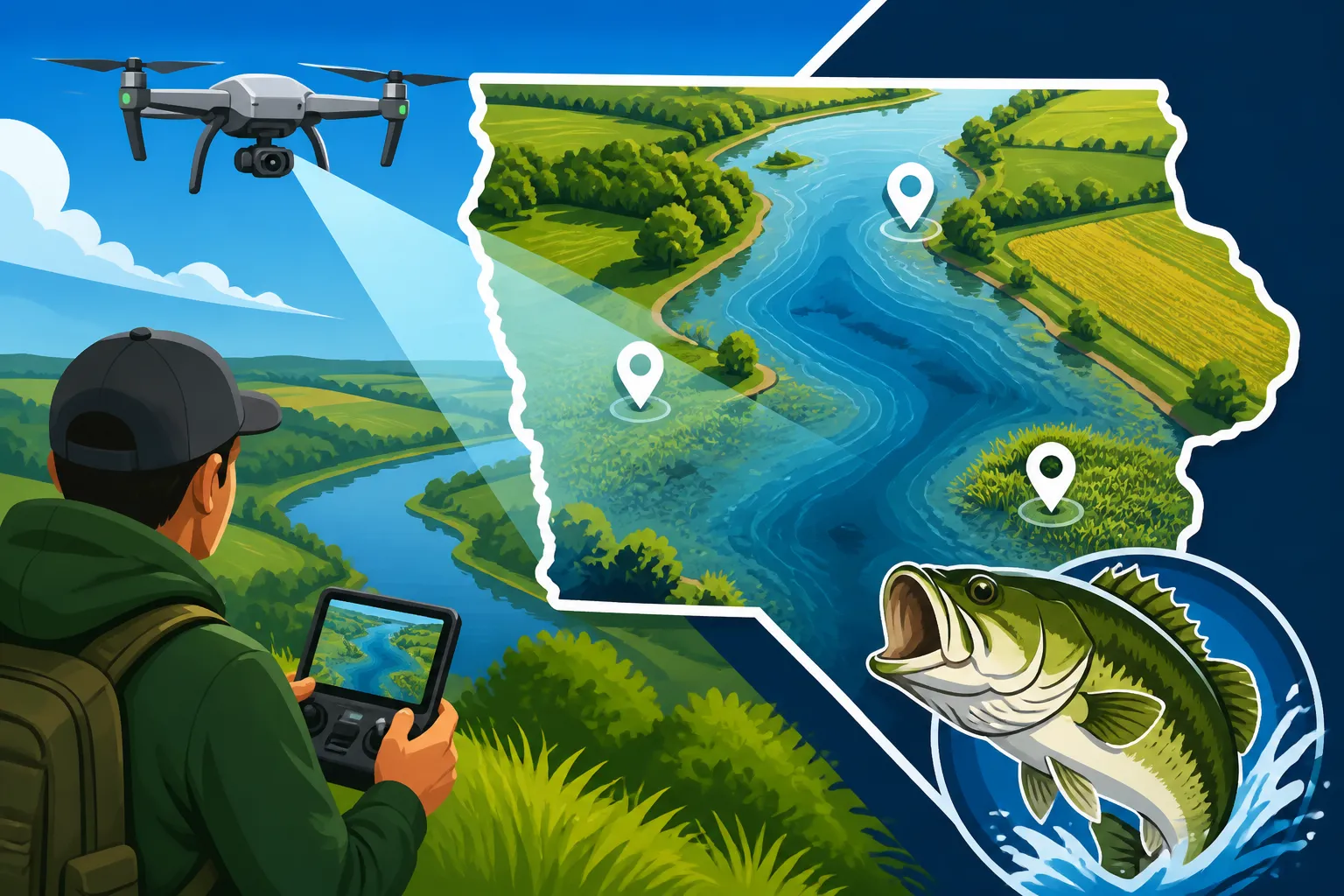
For generations, anglers have relied on local knowledge, depth finders, and sheer persistence to locate fish. While those methods still hold immense value, drones are now offering a bird's-eye view, literally, that can revolutionize how you approach a new lake or river. It’s like having an elevated vantage point that can quickly reveal what lies beneath the surface or around that bend you can’t quite reach from shore.
Gaining an Unprecedented Perspective
Think about it: how many times have you wondered what the bottom structure looks like beyond your casting range, or what kind of cover those lily pads are hiding? A drone equipped with a quality camera can show you. You can fly it over vast stretches of water, observing transitions in depth, identifying submerged timber, rock piles, weed beds, and even subtle changes in water color that indicate different bottom compositions. This aerial reconnaissance saves you precious time and fuel, guiding you directly to promising areas rather than aimlessly exploring.
Imagine being able to survey a large portion of Saylorville Reservoir or the Mississippi River backwaters in minutes, pinpointing exact locations that would take hours by boat. You can spot the deep channels, the gradual slopes leading to shallow flats, and areas where currents create eddies – all prime real estate for various fish species. This is particularly valuable for species like walleye, which often relate closely to specific underwater contours and structures.
Identifying Fish-Holding Structure and Cover
Fish are creatures of habit, and those habits are almost always tied to structure and cover. Drones excel at revealing these critical elements. From above, you can clearly see the edges of weed lines, fallen trees that have created brush piles, subtle sandbars, and even changes in sediment that indicate current breaks. These are the places where baitfish congregate and, consequently, where predatory fish like bass, walleye, and crappie lie in wait.
For instance, when fishing for largemouth bass in smaller lakes or farm ponds, identifying dense submerged vegetation or fallen trees near drop-offs is crucial. A drone can easily fly over, giving you a clear picture of these hidden havens. Similarly, if you're targeting crappie, you might spot brush piles or submerged Christmas trees that have been intentionally placed, which would be nearly impossible to find without a side-scan sonar or a drone. This allows for a much more strategic approach to your fishing day, rather than just casting blindly.
Observing Fish Activity and Spawning Beds
While it's often tricky, in clear water conditions, a drone can sometimes allow you to directly observe fish activity. This might include spotting schools of baitfish, which is a sure sign that bigger predators are nearby, or even identifying larger individual fish cruising certain areas. During spawning seasons, particularly for species that build visible nests like bass and panfish, a drone can help you locate these critical shallow water areas without disturbing the fish.
However, a word of caution: while tempting, direct observation of fish can also be a double-edged sword. Repeated drone flights over a specific spot or directly above fish can spook them, making them less likely to bite. The key is to use the drone for general scouting and identification of potential areas, and then approach those spots cautiously with your fishing gear. Think of it as a reconnaissance tool, not a remote-control fishing buddy.
What to Look For in a Drone for Scouting Iowa Waters
Choosing the right drone for fishing isn't about getting the most expensive model; it's about selecting one with features that directly contribute to your angling success and stand up to the rigors of outdoor use. Since you'll be flying over water, and potentially in less-than-ideal conditions, certain specifications become paramount.
Camera Quality for Underwater Visibility
This is arguably the most critical feature for a fishing drone. You need a camera that can provide clear, high-resolution video and photos, even when peering through the water column. Look for drones with 4K video capabilities and a high megapixel count for still images. Equally important is good low-light performance and color accuracy, as you'll often be scouting in varying light conditions or over water with natural tints.
Consider the gimbal stabilization as well. A shaky camera feed makes it incredibly difficult to discern subtle underwater structures or quickly identify schools of fish. A 3-axis gimbal provides the smoothest footage, ensuring that your scouting efforts aren't hampered by choppy video. While you won't be seeing through opaque, muddy river water, a good camera can make a world of difference in moderately clear lakes like those in the Iowa Great Lakes region, helping you find those deep weed lines or rocky transitions.
Battery Life and Range for Extensive Coverage
When you're out on the water, you don't want your drone's battery to die just as you're pinpointing a promising spot. Longer battery life, typically measured in flight time, is crucial for covering larger areas without constant interruptions for battery swaps. Look for drones that offer at least 20-30 minutes of flight time per battery. Carrying multiple spare batteries is also highly recommended to maximize your scouting sessions.
The drone's transmission range is equally important. You need to be able to fly your drone a good distance from your boat or shore access point to survey vast stretches of water. A range of at least 1-2 miles is ideal for most serious anglers. However, always remember to keep your drone within your visual line of sight, as required by regulations, regardless of its technical range. If you're exploring Best Fishing Spots in Iowa, having the range to survey different sections of a large lake or river without relocating your boat can save significant time.
| Feature | Importance for Anglers | Why It Matters |
|---|---|---|
| Camera Quality | High (4K video, good low-light, 3-axis gimbal) | Clear views of underwater structure, weeds, and potential fish activity. Reduces blur. |
| Battery Life | High (20-30+ minutes per battery) | Extended scouting time over large areas, fewer interruptions for battery changes. |
| Transmission Range | High (1-2+ miles) | Ability to cover vast water bodies from a single launch point (while maintaining visual line of sight). |
| GPS & Return-to-Home | High | Precise positioning, stability in wind, and automatic return if signal is lost or battery is low – crucial over water. |
| Water Resistance | Medium to High (splash proof desirable) | Protection against accidental splashes or light rain. Prevents damage from dew or spray when launching. |
| Portability | Medium to High (foldable, lightweight) | Easy transport to remote fishing spots and less space taken up in your boat or vehicle. |
| Durability | Medium | Ability to withstand minor bumps and scrapes during transport or in windy conditions. |
GPS, Stability, and Water Resistance for Peace of Mind
Flying a drone over water adds an extra layer of anxiety. Strong winds, unforeseen gusts, and the ever-present threat of a splashdown make stability and navigational aids incredibly important. Drones with robust GPS systems offer superior stability, allowing them to hold their position even in breezy conditions, which is essential for getting clear shots of underwater features. A "return-to-home" function, which automatically brings the drone back to its launch point if the signal is lost or the battery runs low, is a lifesaver when flying over large bodies of water.
While fully waterproof drones are still a niche, many consumer-grade drones offer some level of splash resistance, meaning they can withstand a bit of mist or light rain without immediate failure. This isn't just about crashes; it's about the spray from your boat, humidity, or dew when setting up. Considering the unpredictable nature of Iowa weather, even basic water resistance can offer significant peace of mind. When browsing options on Amazon or visiting a Bass Pro Shops for drones, inquire specifically about their water resistance ratings.
Navigating Regulations: Drone Use and Fishing in Iowa
Before you launch your new drone over your favorite fishing hole, it's absolutely vital to understand the rules and regulations that govern both drone operation and fishing in Iowa. Ignoring these rules can lead to significant fines, confiscation of your equipment, or even legal trouble. Responsible drone use is non-negotiable.
Federal Aviation Administration (FAA) Rules for Recreational Drones
First and foremost, any drone weighing 0.55 pounds (250 grams) or more needs to be registered with the FAA. This is a simple online process, and it's mandatory for almost all modern camera drones. You also need to mark your drone with your registration number. Always fly within your visual line of sight, meaning you must be able to see your drone with your own eyes, not just through the camera screen. Flying at night is generally restricted for recreational users unless specific anti-collision lighting is used. Drones must be flown below 400 feet above ground level, and never near airports or restricted airspace.
It's also important to understand that you cannot fly your drone in a manner that endangers people or property. While scouting a remote fishing spot might seem harmless, flying directly over active boaters, swimmers, or private property without permission could be seen as reckless. Always prioritize safety and respect others' privacy. Familiarizing yourself with these basic FAA guidelines is the first step in becoming a responsible drone pilot.
Iowa Department of Natural Resources (DNR) and Local Regulations
Beyond federal rules, individual states and local entities can impose their own restrictions, particularly concerning natural resources and public lands. The Iowa DNR, for instance, has specific rules regarding the use of drones over state parks, preserves, and certain conservation areas. While general scouting might be permitted, using a drone to harass wildlife or directly aid in hunting and fishing in a way deemed unethical or illegal is strictly prohibited. For example, some jurisdictions might consider using a drone to spot fish and then immediately cast to them as an unfair advantage.
Always check the local regulations for the specific body of water you plan to fish. A county park might have different rules than a state park, or a federally managed reservoir. Before heading to spots like Fishing the Iowa Great Lakes or a specific trout stream in Northeast Iowa, it's prudent to check the Iowa DNR website or contact local authorities for clarity on drone use. Ignorance of the law is never an excuse, and a quick phone call or website visit can save you a lot of grief. Remember, the goal is to enhance your fishing experience, not to break the rules.
Ethical Considerations and Respect for Other Anglers
Even where legal, there are strong ethical considerations to ponder when using a drone for fishing. The noise of a drone, however faint, can disturb wildlife and other anglers seeking peace and quiet. Flying a drone too close to other boats or shorelines can be intrusive and disrespectful. Part of the joy of fishing is the tranquility and the challenge of the hunt. Using technology should enhance, not detract from, that experience for everyone.
Consider the impact on the fish themselves. While scouting from afar is generally fine, buzzing directly over a schooling of fish or a spawning bed could stress them, causing them to scatter or abandon their nests. This not only defeats your purpose but can also negatively impact fish populations. Be a good steward of the environment and a respectful member of the angling community. A drone is a tool for scouting, not for directly "driving" fish into your net or over your lines. Your Iowa Fishing Regulations Explained booklet often touches on ethical behavior, even if it doesn't mention drones specifically.
Making the Most of Your Drone Scouting Efforts
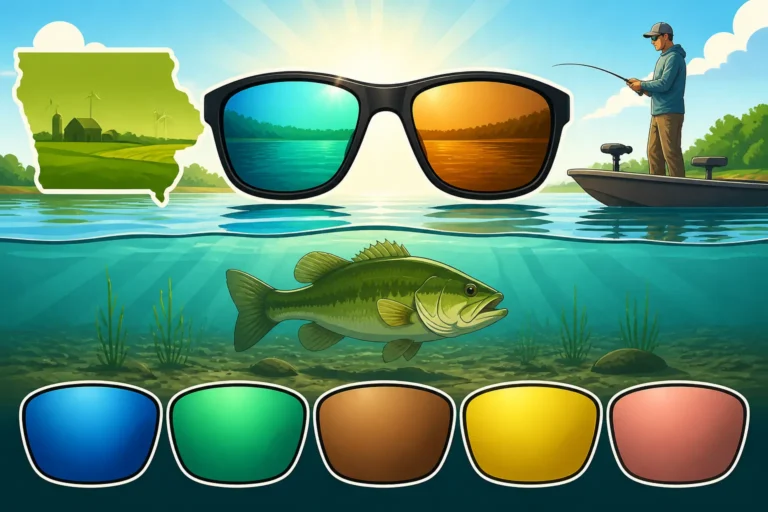
Having a drone is one thing; using it effectively to improve your fishing is another. It takes practice, keen observation, and an understanding of what to look for from an aerial perspective. Think of your drone as a mobile, high-tech pair of polarized sunglasses that can see beyond the horizon.
What to Look For: Structure, Depth, and Water Clarity
When you're flying your drone, don't just randomly point the camera. Have a plan. Focus on identifying transitions in the environment. These are the key areas:
- Structure: Look for submerged timber (fallen trees, brush piles), rock beds, points, humps, and ledges. Fish use these for cover, ambush points, and temperature regulation.
- Depth Changes: Observe how the bottom contours change. Sharp drop-offs, gradual slopes, and deep holes are all important. Walleye, for example, often relate to the deepest part of a channel or a sharp breakline.
- Water Clarity Transitions: Notice areas where clearer water meets murkier water, or where currents create distinct seams. These can indicate temperature changes, baitfish concentrations, or excellent ambush points for predators.
- Vegetation: Identify different types of weeds, their density, and their edges. Fish often hold along the edges of weed beds, or in pockets within them. For crappie, finding dense submerged vegetation or brush piles can be a game-changer.
- Current: On rivers like the Des Moines River or the Mississippi, observe how the current flows around obstacles like wing dams or fallen trees. Eddies and slack water areas behind these features are prime spots.
Reviewing your drone's recorded footage after your scouting mission can be incredibly helpful. You can pause, zoom in, and mark waypoints on a map to revisit later. This is where your phone or tablet connected to the drone comes in handy, allowing for real-time analysis and saving those crucial coordinates.
Integrating Drone Data with Traditional Fishing Knowledge
A drone is a powerful tool, but it's not a magic bullet. The most successful anglers will integrate their drone's insights with their existing fishing knowledge and other tools. For example, once your drone identifies a promising rock pile or submerged timber, you can then use your boat's fish finder to get a more detailed picture of that specific structure, confirm depths, and look for actual fish arches. Think of the drone as the wide-area scout, and your fish finder as the close-quarters investigator.
Consider the time of year and the target species. A brush pile found in spring might be teeming with pre-spawn crappie, while in summer, a deeper rock hump might hold walleye. Your drone helps you find the location, but your understanding of Iowa Fishing Seasons Explained and fish behavior dictates how and when you fish that spot. For instance, knowing Iowa Walleye Season Opening Day patterns can help you interpret what you see on the drone footage in a relevant way.
Practical Tips for Responsible and Effective Drone Use
- Pre-Flight Checklist: Always check your drone's battery levels (drone and controller), propeller condition, and GPS signal before launch.
- Weather Awareness: Avoid flying in high winds, heavy rain, or extreme cold, which can affect drone performance and safety.
- Maintain Visual Line of Sight: Always keep your drone within your direct view. If you can't see it, bring it closer.
- Respect Privacy: Be mindful of other anglers, boaters, and private property. Do not fly directly over people or their homes.
- Practice in Open Areas First: Get comfortable flying your drone in a wide-open field before taking it over water.
- Mark Waypoints: If your drone or controller app allows, mark promising spots directly on a map as you scout. This saves you from having to guess later.
- Invest in a Good Case: Protect your investment. A sturdy, waterproof case will keep your drone safe during transport to your favorite fishing spots. You can find excellent options for cases and other drone accessories at Bass Pro Shops or by browsing through categories on Amazon.
By combining modern drone technology with responsible practices and traditional fishing wisdom, you can unlock a new level of success on Iowa's waters. It's an exciting time to be an angler, with tools that were once unimaginable now at our fingertips, ready to help us find those hidden gems.
Disclaimer
This article is for general informational purposes only and does not constitute professional advice. Laws, prices and regulations vary by location and change over time. Consult a qualified professional for guidance on your specific situation.