Can You Catch Catfish From a Kayak on Iowa Rivers?
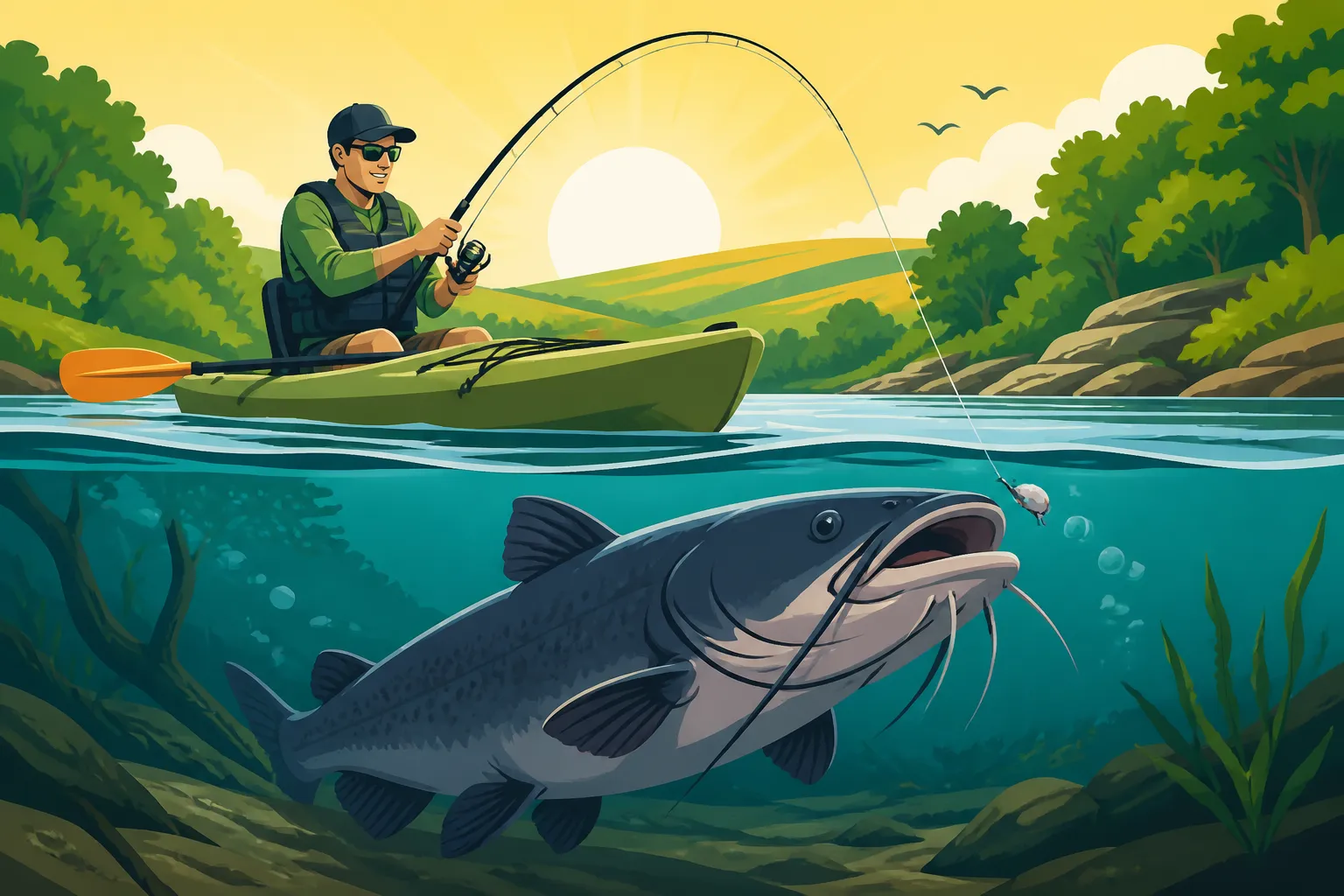
Oh, the age-old question for many Iowa anglers: can you really get out on those winding rivers in a kayak and tangle with some whiskered giants? Absolutely, and let me tell you, it's one of the most exciting and intimate ways to chase catfish in our beautiful state. If you've been feeling constrained by shorelines or big boats, this guide is here to dive deep into how a kayak can unlock a whole new world of catfishing adventures on Iowa's diverse river systems.
The Undeniable Appeal of Kayak Catfishing on Iowa Rivers
For years, many of us have been bound to the bank or large motorized boats when chasing channel cats, flatheads, and blues. But the rise of kayak fishing has opened up incredible new possibilities, especially on the rivers here in Iowa. There's something truly special about paddling silently through winding channels, getting into spots larger boats can't reach, and feeling that powerful tug of a big catfish on the end of your line, all from the intimate vantage point of your kayak. It’s an experience that truly connects you with the water and the fight.
Accessing Unpressured Waters
One of the biggest frustrations for many river anglers is the competition for prime spots. Whether it's the Des Moines, Iowa, or Mississippi River, those easy-to-reach access points can get crowded quickly. Kayaks completely change this dynamic. With a kayak, you can launch from smaller, less-used ramps, access points, or even carry-in locations that are inaccessible to bigger boats. This means you can often find yourself fishing waters that see far less pressure, which can translate to more aggressive fish and better catches. Think about those hidden backwaters, skinny channels, or snags in the middle of a wide river that bigger boats simply can't navigate. These are often catfish havens.
The Stealth Factor
Catfish, especially the bigger, older ones, can be surprisingly wary. The loud rumble of a gas motor or the constant splashing from a larger vessel can certainly spook them. Kayaks, however, offer unparalleled stealth. You glide silently across the water, barely disturbing the fish below. This quiet approach allows you to sneak up on prime catfish holding areas – deep holes, undercut banks, and submerged logjams – without alerting your quarry. It's not just about the motor noise; even the lower profile of a kayak can be less intimidating to fish than a towering boat.
The Thrill of the Fight
There's no denying it: fighting a powerful river catfish from a kayak is an adrenaline rush like no other. When a big flathead slams your bait, you're not just reeling in a fish; you're feeling every head shake and tail kick directly through your paddle and the hull of your boat. It’s an incredibly raw and immersive experience. You become part of the fight in a way that’s hard to replicate from a stable, large boat. While it requires a bit more skill and control, the reward of landing a trophy cat from your kayak is immense. Just be prepared for your kayak to be towed around a bit – it's all part of the fun!
Setting Up Your Kayak for Iowa River Catfish Success
Transforming a recreational kayak into a catfish-catching machine for Iowa's rivers requires a bit of thoughtful rigging. It's not just about throwing your rod in and going; safety, stability, and efficiency are key. Having the right gear, properly stowed and accessible, will make your trip both enjoyable and productive. From your paddle to your anchor, every piece plays a role in your success.
Choosing the Right Kayak
Not all kayaks are created equal for river catfishing. You'll want something stable, durable, and with enough storage for your gear.
Consider these factors:
- Stability: Iowa rivers can have currents, eddies, and submerged hazards. A stable sit-on-top (SOT) kayak is generally preferred over a sit-in for ease of movement, accessibility to gear, and self-rescue in case of a capsize. Look for wider models, possibly even pedal-driven kayaks, which free up your hands for fishing.
- Length: Shorter kayaks (10-12 feet) are generally more maneuverable in tighter river bends and faster currents, which can be an advantage when navigating smaller Iowa rivers. Longer kayaks (13+ feet) track better in open water and offer more storage, ideal for larger rivers like the Mississippi or longer trips.
- Durability: River fishing often means bumping into rocks, logs, and dragging your kayak over shallow spots. Choose a kayak made from sturdy polyethylene plastic that can withstand some abuse.
Many anglers find success with models from brands known for their fishing kayaks, which often come pre-rigged with rod holders and storage. When researching your options, consider reading reviews and watching videos on Best Kayak for Iowa River Fishing.
Essential Safety Gear
Safety is paramount, especially when navigating river currents. Never skimp on these items:
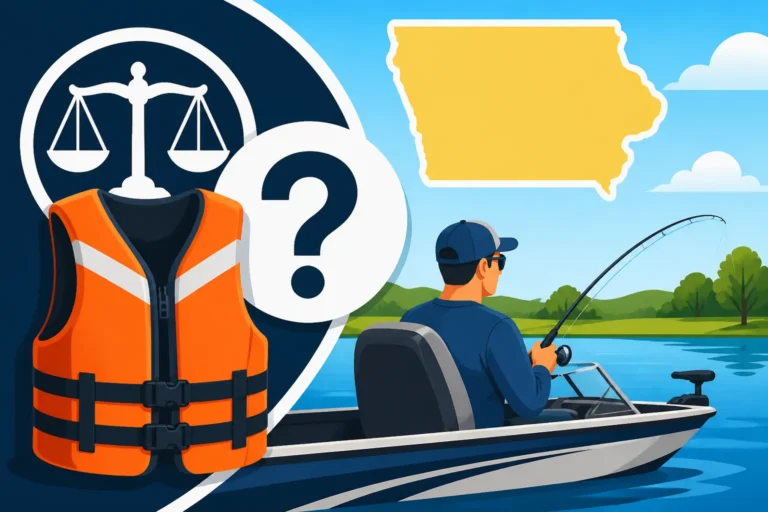
- Personal Flotation Device (PFD): Wear it at all times. It's not just a good idea; it's often legally required. Choose a comfortable fishing-specific PFD with pockets for small tackle. This is non-negotiable on any Iowa waterway. You can find excellent options at Bass Pro Shops or online.
- Whistle: To signal for help.
- Knife/Line Cutter: To quickly cut lines in case of an entanglement.
- Light: If fishing at dawn, dusk, or night, a 360-degree white light is a must for visibility.
- First-Aid Kit: For minor cuts, scrapes, or hook injuries.
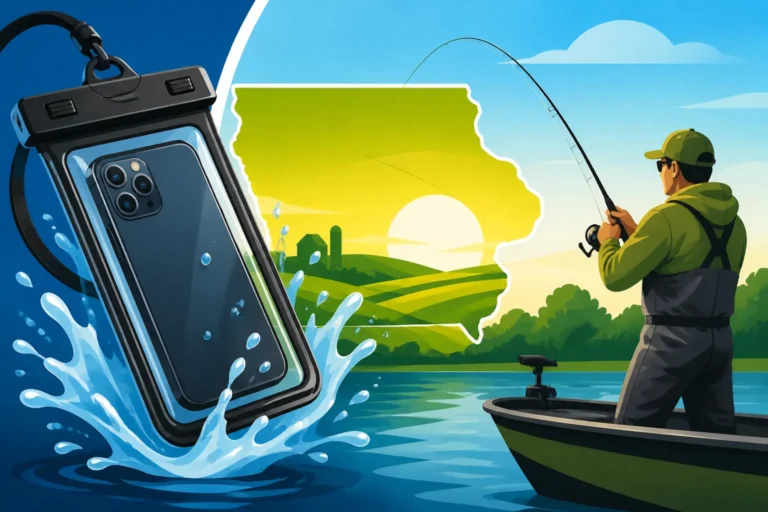
- Communication Device: A fully charged cell phone in a waterproof bag, or a VHF radio for larger rivers.
- Water/Snacks: Stay hydrated and energized, especially during long days on the water.
Remember to always consult Required Safety Equipment for Iowa Boats to ensure you meet all state requirements.
Rigging for Efficiency
A well-rigged kayak makes your fishing experience much smoother.
- Rod Holders: You'll want at least two, preferably three. One for your main fishing rod, and others for a second rod or for storing your main rod while paddling or handling a fish. Adjustable rod holders that can pivot are extremely useful.
- Anchor System: A small grapnel anchor (1.5-3 lbs) with a cleat and at least 50 feet of anchor rope is crucial for holding your position in current or wind. A trolley system that allows you to deploy your anchor from the bow or stern is a game-changer for precise positioning. Learn more about How to Anchor a Kayak in Current.
- Paddle Leash: Don't let your paddle float away in the current! A simple leash keeps it tethered to your kayak.
- Storage: Waterproof dry bags are essential for keeping electronics, extra clothes, and personal items safe and dry. Bungee cords and milk crates can help secure tackle boxes and bait buckets.
- Landing Net: A sturdy, rubberized landing net with a long handle is a lifesaver for big catfish. The rubberized mesh protects the fish's slime coat and prevents hooks from tangling. Check out options for Best Landing Net Size for Catfish.
Catfishing Strategies from Your Kayak on Iowa Rivers
Once you have your kayak properly equipped, it's time to talk strategy. Catfish in Iowa rivers can be found in a variety of habitats, and your kayak's maneuverability allows you to effectively target many of them. Whether you're chasing the aggressive channel cats or the elusive flatheads, having a plan will increase your chances of success.
Reading the River
Before you even wet a line, understanding river dynamics is crucial. Catfish, especially flatheads and channel cats, are ambush predators that use current breaks and structure to their advantage.
- Current Seams: Look for areas where fast water meets slow water, like behind wing dams, large rocks, or logjams. These "seams" are where catfish often lie in wait for food to be swept by.
- Deep Holes: Rivers naturally scour out deeper sections, often found on the outside bends of turns or downstream of major obstacles. These are prime resting and feeding areas, especially during the day or in colder water.
- Submerged Structure: Woody debris, fallen trees, rock piles, and bridge pilings all provide cover and current breaks for catfish. Your kayak's ability to navigate closer to these hazards gives you an edge.
- Tributary Mouths: Where smaller creeks or streams enter a larger river, they often create current breaks and deposit food, attracting catfish.
- Undercut Banks: Overhanging banks with deeper water underneath offer excellent cover for flatheads.
Being able to paddle into these spots silently and position yourself accurately is where the kayak truly shines.
Bait and Presentation
Catfish are opportunistic feeders, but having the right bait can make a huge difference.
- Live Bait for Flatheads: For trophy flatheads, nothing beats live bait. Green sunfish, bluegill, or even large shiners are excellent choices. Use a stout circle hook (4/0 to 8/0) to prevent gut-hooking and ensure a solid hookset. Present your live bait near heavy cover like logjams or deep holes.
- Cut Bait for Channel Cats: Channel catfish are suckers for smelly cut bait. Shad, skipjack, or even pieces of carp or perch work wonderfully. Chicken liver and stink baits are also highly effective, especially when fishing current seams or deeper channels.
- Worms and Prepared Baits: While not as selective for larger fish, worms and commercial prepared baits can be great for catching numbers of smaller channel cats.
A comprehensive Catfish Bait Guide for Iowa Anglers will provide even more detail on your options. Remember to bring a cooler to keep your bait fresh, especially live bait in warmer weather.
Fishing Techniques from a Kayak
Your kayak opens up several effective catfishing techniques:
- Anchoring on Structure: This is a classic method. Paddle upstream of your chosen spot (a logjam, current seam, or deep hole), deploy your anchor, and let the current carry your bait naturally into the strike zone. You might need to adjust your anchor position several times to find the sweet spot. With your kayak, you can get incredibly precise with your bait placement.
- Drifting: On wider rivers like the Mississippi, or even larger sections of the Iowa River, controlled drifting can be very effective, especially for channel catfish. Deploy a drift sock or sea anchor to slow your drift, allowing your bait to present naturally along river bends or flats. This allows you to cover a lot of water. For more on this, check out Drift Fishing the Mississippi River.
- Fan Casting: When anchored, don't just cast in one direction. Fan cast your baits to cover a wider area, probing different depths and current speeds around your kayak. This helps you locate where the fish are holding.
- Vertical Jigging (less common but possible): While more typical for walleye, sometimes a jig tipped with a piece of cut bait or a large grub can be worked vertically in deep holes or around structure to entice active catfish.
For your rod and reel setup, you'll want something robust. A medium-heavy to heavy action rod (7-9 feet) paired with a baitcasting or large spinning reel spooled with 20-50 lb test braided line or heavy monofilament is ideal. This gives you the power to pull big fish out of heavy cover. You can learn more about suitable options in Catfish Gear Guide for Iowa Rivers. Many anglers find great deals on reliable gear at online retailers like Amazon or specialized tackle shops.
Navigating Iowa Rivers Safely and Responsibly
Iowa's rivers are beautiful, but they can also be unpredictable. Safe navigation is key to a successful and enjoyable kayak catfishing trip. Being prepared for varying conditions and understanding river etiquette will keep you and your fellow anglers safe.
Understanding River Hazards
Rivers are dynamic environments, and conditions can change rapidly. Always be aware of potential dangers:
- Current: Even seemingly calm stretches can have strong currents, especially after heavy rains. Always assess the current before launching and understand how it will affect your paddling and fishing.
- Snags and Strainers: Submerged trees, logjams, and debris can create dangerous "strainers" where water flows through but boats can get pinned. Always avoid these. Look upstream constantly for hazards.
- Shallow Water/Rocks: Many Iowa rivers have rocky bottoms and shallow areas. Be prepared to scrape your hull or get out and walk your kayak in very shallow sections. Wearing appropriate footwear is important.
- Dams and Low-Head Dams: These are extremely dangerous and must be portaged well upstream of the dam. Never attempt to paddle over or near a low-head dam. Always know the location of dams on your chosen stretch of river.
- Boat Traffic: On larger rivers like the Mississippi, be aware of barges, large fishing boats, and recreational vessels. Stay clear of their paths and always assume they may not see you.
Best Practices for River Kayak Fishing
Beyond safety gear, practicing smart habits will make your trips better:
- Check Water Levels and Weather: Before every trip, check river levels (via USGS gauges or DNR websites) and the weather forecast. High, fast water is generally not ideal for kayak catfishing and can be dangerous.
- Tell Someone Your Plan: Always let a friend or family member know where you're going, your estimated return time, and your float plan.
- Paddle Against Current First: If you plan on floating a stretch of river, paddle upstream first so that when you're tired, the current can assist you back to your launch point.
- Proper Entry and Exit: Learn how to safely enter and exit your kayak from various river banks – sometimes it's muddy, rocky, or has a strong current.
- Respect Private Property: Be mindful of land ownership when putting in or taking out, and when accessing shorelines. Obtain permission if necessary. For more on this, look into License Rules for Fishing on Private Property.
Kayak catfishing on Iowa rivers is an incredibly rewarding pursuit that offers solitude, access to fantastic fishing, and an unforgettable fight. With the right gear, a bit of knowledge, and a healthy respect for the river, you'll be well on your way to catching some impressive whiskers from your paddle craft. Get out there and enjoy those Iowa waters!
Disclaimer
This article is for general informational purposes only and does not constitute professional advice. Laws, prices and regulations vary by location and change over time. Consult a qualified professional for guidance on your specific situation.