Is a Jon Boat Good for River Fishing?
Let's talk about Jon boats for river fishing here in Iowa. Many folks who love to hit our rivers, whether it's the winding Des Moines, the expansive Mississippi, or the smaller, more intimate Cedar River, often grapple with the question of what boat is best. You want something that can handle the unpredictable nature of river currents, shallow spots, and occasional debris, all while getting you to those prime fishing holes. The classic Jon boat often comes up in conversation, and for good reason – but is it truly the right fit for your Iowa river adventures? This guide will dive deep into what makes a Jon boat tick, its undeniable strengths for river fishing, and where it might fall short, helping you decide if it's your next perfect fishing companion.
Understanding the Jon Boat: What Makes It Unique?
When you first look at a Jon boat, you might notice its distinctive, somewhat boxy appearance. It’s not sleek like a bass boat or robust like an offshore craft. Instead, it's built for a very specific purpose, and understanding its fundamental design is key to knowing why it excels in certain environments – like many of Iowa's rivers.
Basic Design and Construction: Flat Bottom, Aluminum Toughness
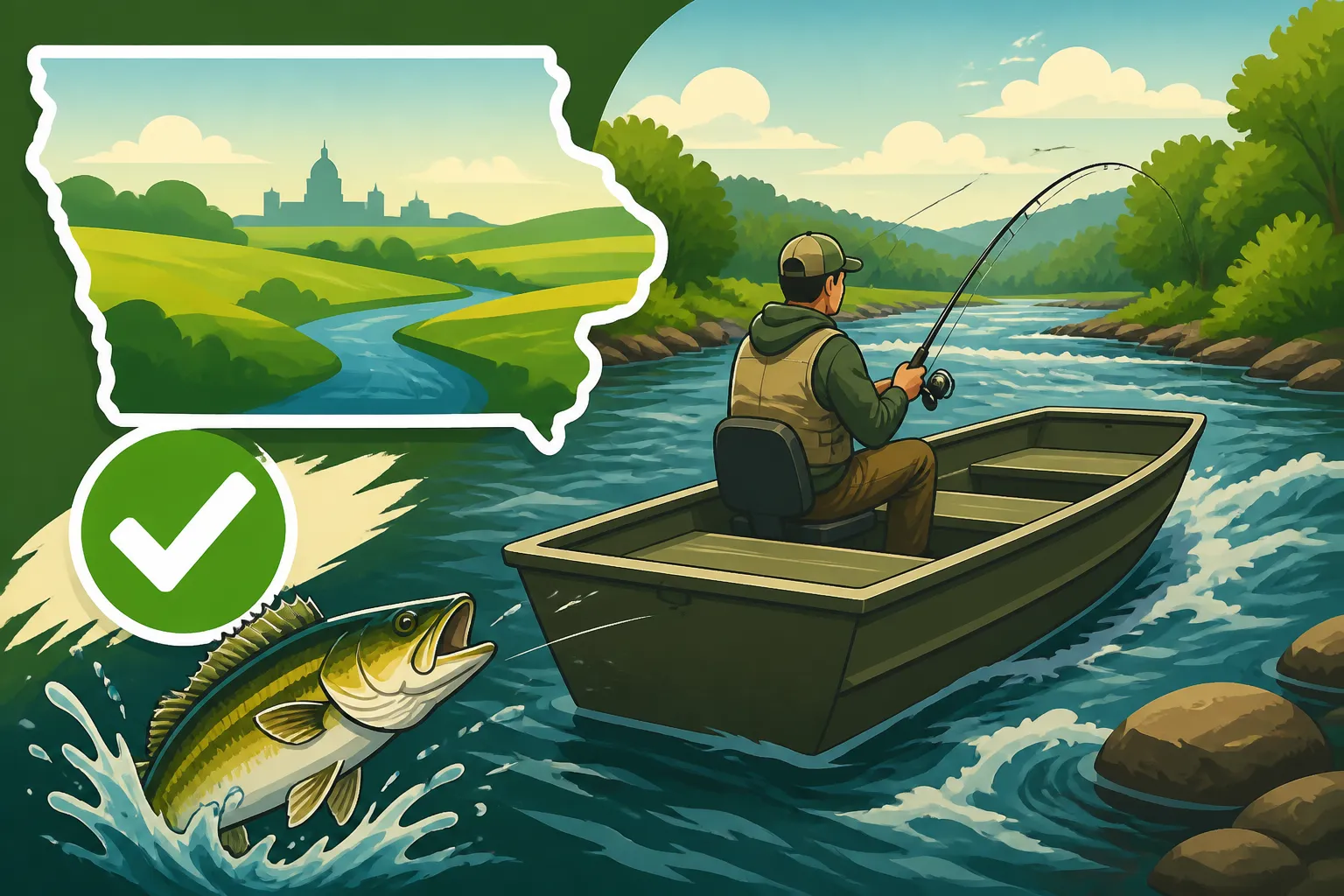
At its core, a Jon boat is defined by its flat bottom and typically squared-off bow and stern. This isn't just an aesthetic choice; it's a functional one. The flat bottom allows the boat to sit very high in the water, giving it an incredibly shallow draft. What does this mean for you? It means you can often glide over areas where V-hull boats would scrape or get stuck. Imagine navigating a feeder creek off the main river or getting into a quiet backwater slough – a Jon boat can often get you there.
Most Jon boats are constructed from aluminum, a material chosen for its fantastic strength-to-weight ratio and resistance to corrosion. Rivers can be tough on boats. You're dealing with sandbars, submerged logs, rocks, and the occasional piece of floating debris. A durable aluminum hull can take a bump or a scrape that might cause significant damage to a fiberglass boat. This toughness makes them a favorite for those who value practicality and longevity, especially when the fishing takes you to less-than-pristine waters.
Advantages for Shallow Water and Obstacles
The shallow draft we just talked about is a game-changer for river fishing. Iowa's rivers, particularly during drier periods or in upstream sections, can become quite shallow. A Jon boat allows you to access these areas where fish might be holding without risking getting grounded. Think about those hidden pockets of water behind islands or inside sloughs that never see much fishing pressure because they're simply too shallow for most boats. A Jon boat can be your ticket to unlocking those secret spots.
Beyond just shallow water, the flat bottom also offers excellent stability when at rest. This is a huge benefit for anglers who like to stand and cast, or for those who bring multiple people and gear aboard. While it might feel a bit 'tippy' initially when moving in choppy water (which we'll cover later), its stability for casting and working lines is a real plus. Plus, the open design often means ample space for gear, tackle boxes, and even a cooler, allowing you to bring everything you need for a full day on the water.
Common Sizes and Power Options
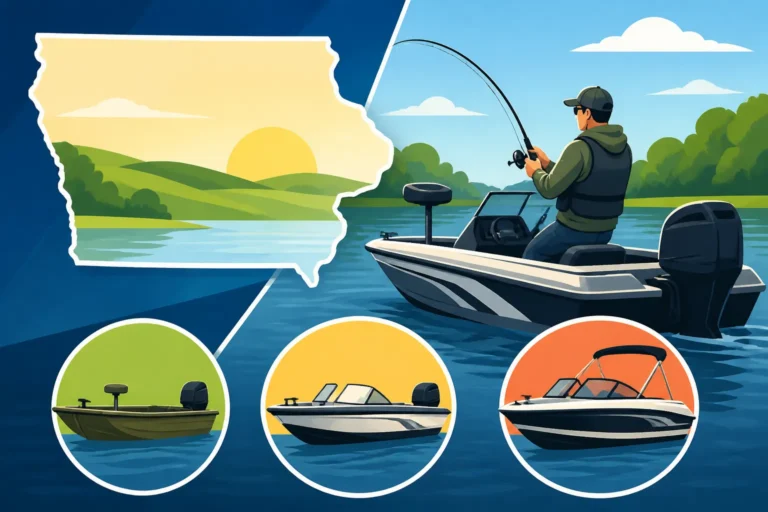
Jon boats come in a variety of sizes, generally ranging from small 10-foot models all the way up to 20 feet or more. The size you choose will largely depend on the specific rivers you plan to fish and how many people you typically bring along. A smaller 10-12 foot Jon boat might be perfect for solo anglers or two people on narrower, shallower streams, often powered by a small outboard or even just a powerful electric trolling motor. For larger rivers like the Mississippi, or if you want to cover more ground, a 16-20 foot model with a larger outboard engine (usually up to 50 HP or even more, depending on the boat's rating) would be more appropriate.
It's crucial to match the boat's size and rated horsepower to your intended use. Overpowering a Jon boat can be dangerous, while underpowering it can make navigating strong currents a frustrating experience. Always check the manufacturer's plate for the maximum horsepower rating and adhere to it strictly. Many Iowa anglers will run a primary gas outboard for propulsion and a separate electric Trolling Motor for Small Iowa Lakes or rivers for quiet maneuverability and precise boat control when actively fishing.
Why Jon Boats Shine on Iowa Rivers
For many Iowa anglers, the love affair with Jon boats isn't just about affordability; it's about their undeniable performance in the specific conditions our rivers present. They simply excel where other boat types might struggle or be impractical.
Navigating Shallows and Backwaters
This is where the Jon boat truly earns its stripes. Imagine launching into the upper reaches of the Des Moines River where the water is low, or exploring the backwater channels of the Mississippi River near Dubuque. These areas are often inaccessible to boats with deeper V-hulls. Your Jon boat, with its minimal draft, can sneak into these quiet zones, taking you to pristine fishing grounds for bass, crappie, and even walleye that seldom see a lure.
You can often glide over submerged sandbars or skim across flats that are only a foot or so deep, reaching isolated pockets where fish feel safe and unpressured. This capability opens up a whole new world of fishing possibilities, especially for those who enjoy exploring or targeting species that prefer shallower cover. It’s like having a secret key to parts of the river that most anglers can only dream about. Being able to access these spots means less competition and often, better fishing experiences. For specific insights into popular river systems, check out Mississippi River Pool 10 Fishing or Des Moines River Catfish Spots.
Durability Against River Obstacles
Iowa rivers are beautiful, but they're not always perfectly clear waterways. You’ll encounter submerged logs, rock beds, shifting sandbars, and all sorts of natural (and sometimes unnatural) debris. Running a fiberglass boat into one of these unseen hazards can be a heart-stopping, wallet-emptying experience. Aluminum, the primary material for Jon boats, is incredibly resilient.
While you should always be cautious and navigate safely, a Jon boat can often take a bump or a scrape that would put a significant ding in other boat types. The flexible nature of aluminum means it can flex and absorb impact better, often resulting in minor dents rather than punctures or cracks. This durability gives you peace of mind, allowing you to focus on the fishing rather than constantly worrying about every bump and scrape. This makes them a fantastic choice for those who are hard on their gear or frequently venture into rugged, unexplored river sections.
Versatility for Different Fishing Styles
Don't let the simple design fool you; Jon boats are incredibly versatile. Their open, flat interior space is a blank canvas for customization, allowing you to adapt the boat to almost any Iowa Fishing Techniques Guide you prefer.
- Bank/Shoreline Fishing: The flat deck provides a stable platform for standing and casting along river banks for bass or pike. You can easily add pedestal seats for comfort.
- Catfishing: With ample room for multiple rod holders, a cooler for bait, and a large landing net, Jon boats are excellent for setting up trotlines (where legal) or drift fishing for Channel Catfish Fishing in Iowa in deeper holes.
- Crappie/Panfish: Their ability to get into shallow backwaters makes them perfect for targeting crappie or bluegill around submerged brush and fallen timber. You can easily set up multiple lines or vertical jig.
- Walleye: While often associated with lakes, many Iowa rivers hold excellent walleye populations. A Jon boat can be rigged for trolling small crankbaits or jigging eddies, especially with a good fish finder.
You can easily add rod storage, a livewell, and even simple electronics to enhance your experience. Manufacturers like Bass Pro Shops offer a wide range of accessories specifically designed for Jon boat customization, from elevated casting decks to storage solutions.
Ease of Transport and Launching
Let's be real, sometimes getting on the water can be half the battle. Many river access points in Iowa aren't fancy concrete ramps. They might be gravel, dirt, or just a cleared bank. This is where the Jon boat's lighter weight and simpler trailer requirements become a huge advantage.
You don't need a heavy-duty truck to tow most Jon boats, and they're much easier to maneuver in tight spots or down unpaved tracks. Launching can often be done with minimal effort, sometimes even by hand-rolling a smaller boat into the water. This ease of transport means you're more likely to explore new, less-frequented stretches of river, rather than sticking to the well-trodden paths. It saves time, effort, and wear and tear on your vehicle, leaving you more energy for the actual fishing.
The Downsides and Considerations for River Anglers
While Jon boats are fantastic for many Iowa river fishing scenarios, they aren't without their limitations. It's important to be realistic about these drawbacks so you can make an informed decision and prepare accordingly.
Rough Water Performance
This is arguably the biggest Achilles' heel of the Jon boat. That flat bottom that makes it so amazing in shallow water also makes it incredibly susceptible to rough water. If you find yourself on a large, open stretch of the Mississippi River, or a wide lake-like section of a reservoir on a windy day, a Jon boat can provide a very jarring, wet, and uncomfortable ride.
The flat hull will pound hard against waves, splashing water up and over the bow, and making for a slower, less stable ride. This isn't just about comfort; it can be a safety concern in truly rough conditions. If your primary fishing involves large bodies of water that frequently experience chop, or if you need to cross vast expanses of open water, a Jon boat might not be the safest or most enjoyable choice. Always keep an eye on the weather forecast and understand the conditions of the particular river stretch you're on.
Comfort and Amenities
Compared to more specialized fishing boats, Jon boats are typically Spartan when it comes to comfort and amenities. They are workhorses, not luxury cruisers. You'll often find basic bench seating (if any), limited built-in storage, and no fancy consoles or plush carpeting.
If you're accustomed to comfortable, swiveling seats, a dry storage compartment for all your electronics, or a padded casting deck, you might find a stock Jon boat lacking. While you can customize them with aftermarket seats, flooring, and storage boxes, these additions add cost and weight. For long days on the water, especially in colder or hotter weather, the lack of creature comforts can become noticeable. You might need to bring your own portable cooler, tackle bags, and wear appropriate Best Cold Weather Clothing for Ice Fishing or rain gear to compensate.
Speed and Power Limitations
While Jon boats can be equipped with powerful outboard motors, their flat-bottomed hull design isn't built for speed. They tend to "push" water rather than "cut" through it like a V-hull, which means they require more horsepower to achieve the same speeds and can be less fuel-efficient at higher speeds.
If you frequently need to cover vast distances on a large river or want to get to your fishing spot in a hurry, a Jon boat might feel sluggish. In strong river currents, especially upstream, you might find yourself needing a larger motor than expected just to maintain a reasonable pace. This isn't a deal-breaker for everyone, as many river anglers prioritize slow, methodical fishing over speed. However, it's a critical consideration if your fishing style or preferred locations demand rapid transit. For instance, traveling significant distances on the Mississippi River can be a long haul in a Jon boat, particularly if you're navigating against a strong current.
Outfitting Your Jon Boat for Iowa River Success
Once you've decided a Jon boat is the right choice for your Iowa river adventures, the next step is to make it truly yours. The beauty of a Jon boat is its versatility, allowing you to outfit it specifically for your fishing needs and the unique challenges of our local waterways.
Essential Accessories for River Use
Turning a basic Jon boat into a river-ready fishing machine means adding some key accessories. These aren't just luxuries; many are vital for safety, efficiency, and enhancing your fishing experience.
- Trolling Motor: For precise boat control while casting or holding position against a current, a good bow-mount or transom-mount electric trolling motor is indispensable. Brands like Minn Kota or MotorGuide offer powerful models that can significantly improve your fishing success. You can find a wide selection of these, along with mounting brackets, on Amazon or at your local Bass Pro Shops.
- Anchoring System: Rivers require robust anchoring. You'll need a heavy anchor (often a mushroom or river anchor) and plenty of rope to hold your position in current. A shallow water anchor system (like a Power-Pole or Talon) can also be a game-changer for quickly holding position in shallower water without deploying a traditional anchor.
- Life Jackets: Safety first, always! Ensure you have enough Coast Guard-approved Best Life Jackets for Iowa Boaters for everyone on board, and wear them, especially in swift currents or cold water.
- Navigation Lights: If you plan on being on the water before sunrise or after sunset, proper navigation lights are a must, as per Iowa Boat Registration Requirements.
- Rod Holders: Installing swivel or fixed rod holders allows you to set multiple lines, especially useful for catfishing or trolling.
- Paddles/Oars: Even with a motor, having a set of sturdy paddles or oars is crucial for backup in case of engine trouble.
Powering Your Jon Boat
Choosing the right motor for your Jon boat is just as important as the boat itself. You'll typically be looking at gasoline outboards for primary propulsion, often paired with an electric trolling motor.
- Gas Outboards: For most Iowa river fishing, a 9.9 HP to 50 HP outboard will be common, depending on the size of your boat and the power rating. Consider a four-stroke engine for better fuel efficiency and quieter operation, especially on smaller waters. You'll want enough power to safely navigate upstream against currents and get back to the ramp in a timely manner.
- Electric Trolling Motors: As mentioned, these are fantastic for silent approach to fishing spots, holding position, and maneuvering precisely. Many come with GPS features for spot-locking, which can be invaluable when fishing specific structure in a current. Think about battery life – you'll want enough juice to last your entire fishing trip.
When selecting your motor, always consult your boat's capacity plate to ensure you don't exceed the maximum horsepower. Matching your motor to the river conditions is also key; a strong current on a big river will require more power than a calm, small stream.
Customization and Modifications
The real fun of owning a Jon boat often comes in making it your own. There's a huge aftermarket for Jon boat accessories, and many anglers love to get creative with DIY projects.
- Flooring and Decks: Many anglers add a marine-grade plywood or aluminum floor, sometimes covered with marine carpet or a non-skid mat. This creates a flatter, more stable surface and can also allow for adding elevated casting decks in the bow or stern.
- Seating: Swivel pedestal seats can be installed to replace or supplement bench seating, offering much-needed comfort for long hours.
- Storage Solutions: Adding watertight storage compartments, either built-in or with portable boxes, helps keep your gear dry and organized. You might find innovative storage solutions for tackle and gear on sites like Amazon.
- Electronics: Installing a Best Fish Finder for Iowa River Fishing can drastically improve your success, helping you locate structure, depth changes, and fish. Wiring for lights, aerators, and charging ports can also be added.
Remember, any modifications should be done carefully to maintain the boat's structural integrity and not exceed its weight capacity. Planning out your modifications beforehand can save you headaches down the road.
Jon Boat Comparison for River Fishing
To help solidify the Jon boat's place in the river fishing world, let's look at a quick comparison with another common aluminum boat type often seen on Iowa rivers: the Modified V-Hull.
| Feature | Jon Boat | Modified V-Hull Aluminum Boat |
|---|---|---|
| Bottom Shape | Flat | Slightly V-shaped (often 8-15 degrees deadrise) |
| Draft | Very Shallow | Slightly Deeper |
| Stability (at rest) | Excellent | Very Good |
| Stability (moving in chop) | Poor (pounds, splashes) | Good (cuts through waves more smoothly) |
| Best For | Very shallow water, backwaters, small rivers | Medium to large rivers, larger lakes, some chop |
| Durability | Excellent (resilient to impacts) | Excellent (still aluminum, but V-shape can be stronger) |
| Speed/Efficiency | Moderate (pushes water, less efficient at speed) | Better (cuts water, more efficient at speed) |
| Comfort | Basic (can be customized) | Generally slightly more comfortable ride |
| Cost | Typically Lower | Slightly Higher |
Ultimately, for the dedicated Iowa river angler who prioritizes shallow water access, durability against unseen hazards, and versatility for varied fishing techniques, a Jon boat can be an absolutely fantastic choice. Just be mindful of its limitations in rough water and outfit it wisely, and you'll find yourself unlocking fishing opportunities that other boaters simply can't reach. It's truly a workhorse for the working angler, and with the right setup, it can be the perfect vessel for exploring the rich fishing tapestry of Iowa's rivers. Don't forget to check the Iowa Fishing Season Dates and Limits before you head out!
Disclaimer
This article is for general informational purposes only and does not constitute professional advice. Laws, prices and regulations vary by location and change over time. Consult a qualified professional for guidance on your specific situation.