Best Pound Test Line for Catfish Fishing on Iowa Rivers
There's nothing quite like the heart-stopping thud of a big catfish taking your bait in an Iowa river, followed by that relentless, powerful tug. But all too often, that excitement turns into crushing disappointment when your line snaps, leaving you with a broken heart and an empty hook. We've all been there, wondering if we had the right gear, especially the right fishing line, to handle those powerful river fighters and the challenging environments they call home.
Choosing the best pound test line for catfish fishing on Iowa rivers isn't just about throwing on the heaviest line you can find; it’s a nuanced decision that significantly impacts your success and enjoyment. This comprehensive guide is here to break down everything you need to know, from understanding line ratings to selecting the perfect type and strength for different Iowa river scenarios, ensuring your next encounter with a river monster ends with a triumphant catch, not a sad snap.
What Exactly is Pound Test and Why Does it Matter for Iowa Catfish?
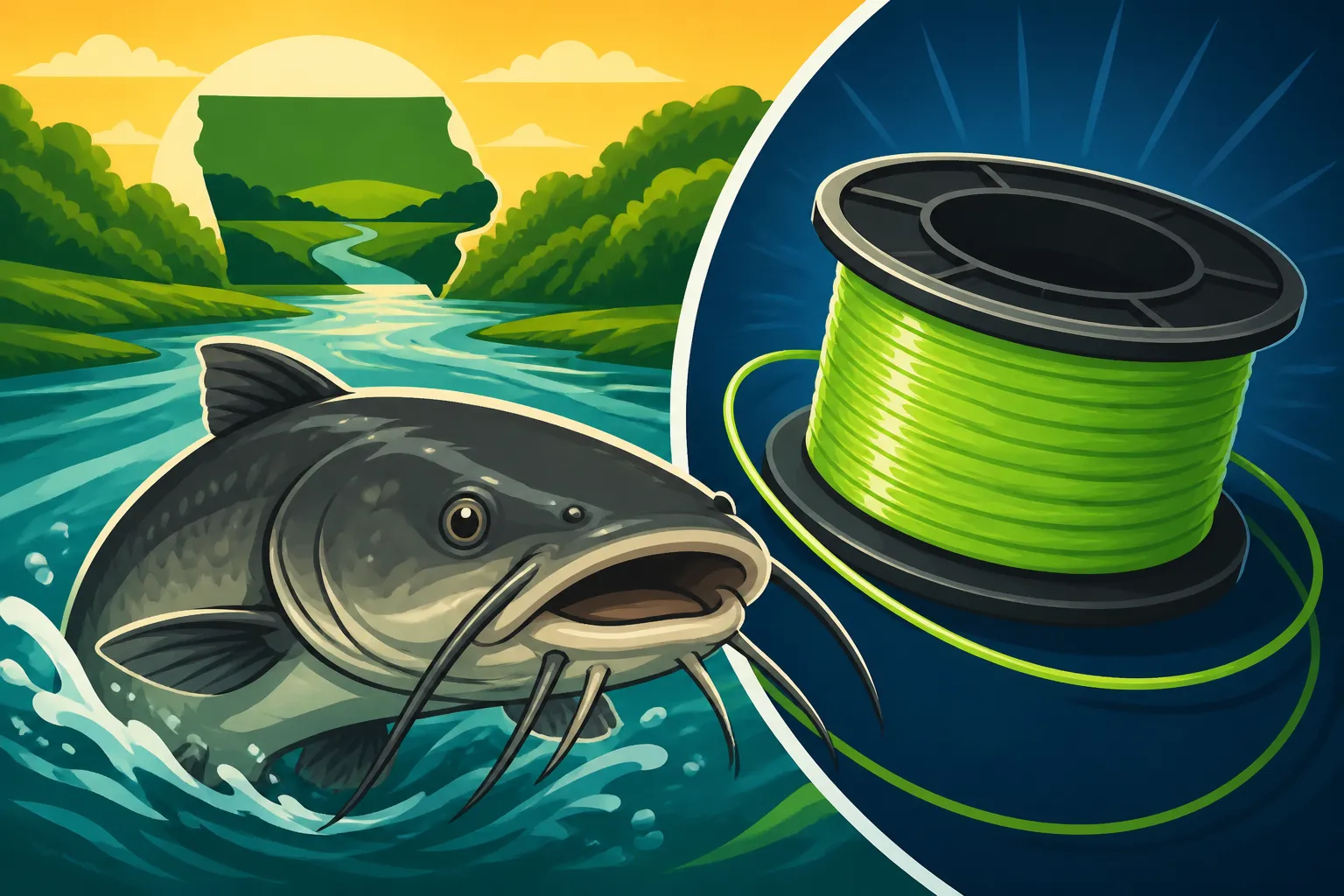
When you look at a spool of fishing line, one of the most prominent numbers you'll see is its "pound test." This isn't just a random figure; it's a critical indicator of the line's strength and, ultimately, its suitability for the fish you're targeting and the conditions you're fishing in. For Iowa river catfishing, understanding this number can make all the difference between landing that trophy flathead or watching it swim away with your favorite rig.
Understanding Line Strength and Diameter
"Pound test" refers to the amount of force, measured in pounds, that a fishing line can withstand before breaking. So, a 20-pound test line is theoretically designed to break at around 20 pounds of direct pull. However, this is a simplified view. Real-world conditions, knots, nicks, and abrasions can all reduce this effective breaking strength. It's more of a guideline, a benchmark for comparing lines. The diameter of the line often correlates with its pound test – generally, a higher pound test means a thicker line. This thicker diameter can affect how much line you can fit on your reel, how easily it casts, and how visible it is in the water.
For catfish in Iowa rivers, where powerful currents are common and fish can grow to impressive sizes, this strength is paramount. Imagine hooking into a 30-pound flathead in the swift current of the Mississippi River; that fish isn't just pulling with its own weight, it's leveraging the river's flow, putting immense pressure on your line. A line that's too light simply won't stand a chance. Moreover, a thicker, stronger line offers more resistance to the inevitable snags and rough spots you'll encounter in river bottoms, which are often littered with rocks, timber, and other debris that can abrade or cut lighter lines.
The Battle Between Line and River Environment
Iowa's rivers present unique challenges for fishing line that still-water environments often don't. From the smaller, snag-laden streams to the mighty currents of the Mississippi and Missouri rivers, your line is constantly under duress. River currents add significant drag, making a hooked fish feel much heavier and more powerful than it might in a lake. This sustained pressure requires a line that not only has high breaking strength but also good knot strength and excellent abrasion resistance.
Think about a common scenario: you cast your bait near a submerged log jam, a prime catfish hideout on the Des Moines River. A big flathead takes it, and immediately tries to bury itself back into that structure. If your line can't withstand the initial surge and the friction against the rough wood, it's game over. Low-stretch lines become advantageous here, allowing you to feel the subtle bites and maintain better control over the fish, helping you to steer it away from danger. This combination of strong fish, powerful current, and unforgiving structure makes choosing the correct pound test and line type non-negotiable for successful catfishing in Iowa.
Key Factors Influencing Your Line Choice for Iowa River Catfish
When you're standing on the bank of an Iowa river, looking out at the murky water, trying to decide what line to spool up with, there are a few critical considerations beyond just the "pound test" number. It’s about matching your gear to the specific challenges and rewards that Iowa's diverse waterways and formidable catfish species present.
Targeting Specific Catfish Species and Sizes
Iowa is home to several catfish species, each with its own average size and fighting style. The "best" pound test will vary greatly depending on whether you're chasing a feisty channel cat or a monstrous flathead.
- Channel Catfish: These are the most common catfish across Iowa's rivers and smaller streams. While they can put up a surprisingly strong fight, especially on light tackle, they typically range from a few pounds up to the mid-teens, with larger ones being less common. For most channel cat fishing in average river conditions, a line in the 15-25 pound test range is usually sufficient. This gives you enough power to handle them while still allowing for good casting distance and a sporting fight. If you're targeting them in areas with less snags or clearer water, you might even drop down to 12-15 pound test for a bit more finesse. Remember to always check Channel Catfish Daily Limit in Iowa before heading out.
- Flathead Catfish: These beasts are a whole different ballgame. Flatheads are renowned for their incredible power and their tendency to head straight for the nastiest cover once hooked. They can easily reach 30, 40, or even 50+ pounds in Iowa's major rivers. For these giants, you absolutely need to bump up your line strength significantly. A 30-50 pound test braided line, or a heavy monofilament in the 25-40 pound test range, is often necessary to turn their heads and pull them out of heavy timber or rock piles. Losing a trophy flathead to an under-gunned line is a lesson learned the hard way.
- Blue Catfish: While less prevalent than channels and flatheads, blue catfish are found in the larger river systems like the Mississippi and Missouri. These fish can grow even larger than flatheads, often exceeding 70 pounds, and possess immense power. If you're specifically targeting trophy blues on the Mississippi River Pool 9 Fishing stretches, you'll want to go with the heaviest line your reel can handle. Think 50-80 pound test braided line, often paired with a heavy leader, to stand a chance against these true river leviathans.
River Conditions and Structure
The characteristics of the river you're fishing are just as important as the size of the fish. Iowa's rivers range from meandering, relatively clear stretches to broad, powerful waterways with significant snags and current.
- Smaller Rivers and Streams: Rivers like portions of the Maquoketa, Wapsipinicon, or even the upper reaches of the Iowa River often have less intense currents than their larger counterparts. However, they can still be incredibly snaggy, with fallen trees, submerged logs, and rocky bottoms. For these areas, a 20-30 pound test monofilament or braid often strikes a good balance. The slightly lighter line offers better casting for smaller baits, but still provides enough backbone to pull fish from cover.
- Medium-to-Large Rivers: The Des Moines, Cedar, or Skunk rivers in their wider, deeper sections, and certainly the Missouri River, feature stronger currents and more extensive underwater structure. Here, the risk of break-offs due to abrasion or sheer force increases dramatically. You'll want to step up to 30-50 pound test braided line or a heavier monofilament. The extra strength helps you contend with stronger currents and retrieve your rig from hang-ups more often.
- The Mississippi River: This mighty waterway is in a league of its own. Powerful currents, massive log jams, rock piles, wing dams, and barge traffic all contribute to an extremely abrasive and demanding environment. If you're fishing the Mississippi for any significant catfish, especially flatheads and blues, 40-80 pound test braided line is almost a necessity. The thinner diameter of braid at higher pound tests means you can spool more line, and its incredible abrasion resistance is crucial when your line is constantly rubbing against submerged obstacles. On certain areas with severe snags, some experienced anglers might even push past 80-pound test for specialized techniques.
Your Preferred Fishing Method
How you fish for catfish will also dictate your line choice. Different techniques place different demands on your line.
- Bank Fishing and Casting: If you're casting from shore, you need a line that casts well. Monofilament (15-30 lb) is generally forgiving and easy to cast, while braided line (20-50 lb) offers superior distance and sensitivity. You'll often be casting into or near cover, so good abrasion resistance is key.
- Boat Fishing (Anchored or Drifting): From a boat, you might have more control over steering a fish away from snags. However, you're still battling current. Depending on whether you're anchored or drifting, and what kind of structure you're targeting, similar line strengths to bank fishing apply, but you might lean heavier if you're directly over snag-infested areas.
- Trotlines and Jug Lines: These passive fishing methods are all about raw holding power and extreme abrasion resistance, not casting distance. The main lines for trotlines and jug lines are typically much heavier than rod and reel setups, often 80-200 pound test braided or nylon cord. The leader lines (snoods) running from the main line to the hooks are also stout, usually 50-100 pound test monofilament or heavy-duty leader material, to withstand fish thrashing and rubbing against logs. For more details on these techniques, check out Trotline Fishing Rules and Tips in Iowa.
Diving Into the Best Pound Test Options for Iowa River Catfishing
Alright, let's get down to the brass tacks: what specific pound test lines should you be looking at for different catfishing scenarios in Iowa's rivers? This isn't just about one magical number; it's about building a versatile setup that can handle common situations and target species effectively.
General Purpose Lines for Channel Cats
For most recreational anglers heading out to catch channel catfish on smaller to medium-sized Iowa rivers—think the Raccoon River, or less intense stretches of the Cedar River—a versatile line choice around 15-25 pound test is usually ideal.
- 15-20 lb Monofilament: This is a fantastic starting point. Monofilament in this range offers a good balance of strength, castability, and affordability. It has a bit of stretch, which acts as a shock absorber when a channel cat makes a sudden run, preventing hooks from tearing out. It's also relatively easy to tie knots with and is quite forgiving for beginners. Many anglers will find suitable options at local bait shops or big retailers like Bass Pro Shops. This range is perfect for targeting channels with cut bait, worms, or stink baits, and handling fish up to 10-15 pounds without too much worry, provided you're not in excessively heavy cover.
- 20-30 lb Braided Line: If you prefer the sensitivity and strength-to-diameter ratio of braid, this range is excellent for channel cats. A 20-pound braid is significantly stronger than 20-pound mono, giving you more leverage and abrasion resistance in snags, but with a thinner diameter for better casting distance. The lack of stretch means you'll feel every tap and bite. Just remember to pair it with a 15-20 lb monofilament or fluorocarbon leader (2-4 feet long) for knot protection and stealth, as braid can be quite visible in clearer water.
Heavy-Duty Lines for Flatheads and Big Blues
When you're serious about battling the true giants of Iowa's big rivers—the flatheads and blue catfish that lurk in the Mississippi, Missouri, or deep holes of the Des Moines—you absolutely need to beef up your line. This is where high-test braid really shines.
- 40-65 lb Braided Line: This is your sweet spot for serious flathead and blue cat fishing. A 50-pound test braid, for example, has the diameter of roughly 12-15 pound monofilament, meaning you can spool a lot of incredibly strong line onto your reel. This strength allows you to truly lean into a big fish, pulling it away from snags and turning its head when it tries to dive into cover. The lack of stretch gives you maximum hook-setting power and incredible feel for subtle bites in strong current. For the biggest monsters on the Mississippi, some anglers even jump up to 80 lb braid for ultimate stopping power, especially when fishing near heavy wing dams or deep log jams.
- 30-40 lb Monofilament: While braid is often preferred for heavy catfishing, some anglers still prefer the cushioning stretch and knot-friendliness of heavy mono. This range of mono will give you significant power, though its larger diameter means less line on your spool and potentially reduced casting distance compared to braid. It's a solid choice for those who value shock absorption and a slightly more forgiving fight, especially if using Best Rod for Catfish Fishing designed for heavy mono. If you opt for mono this heavy, ensure it has good abrasion resistance.
Specialized Rigs: Trotlines and Jug Lines
These passive fishing methods are a different beast entirely when it comes to line selection. They are designed to sit in the water for extended periods, enduring currents, debris, and the thrashing of multiple large fish. Durability and raw strength are paramount.
- Main Line (Trotlines/Jug Lines): For the main line that spans the river or connects multiple jug lines, you're not concerned with casting, but rather with extreme breaking strength and resistance to cuts and abrasion. Heavy-duty cord or line in the 80-200 pound test range is common. This could be specialized nylon trotline cord, heavy tarred trotline string, or even commercial-grade braided rope. The goal is to ensure the entire setup remains anchored and intact, even with several big cats hooked simultaneously. You can find these specialized lines at dedicated fishing suppliers or online through platforms like Amazon.
- Staging/Snoods (Leaders for Hooks): The lines that attach the hooks to the main trotline or jug line are called stagings or snoods. These need to be strong enough to withstand the direct pull and thrashing of a hooked fish, as well as the inevitable rubbing against snags. Typically, 50-100 pound test heavy-duty monofilament or robust braided leader material is used for these. The stiffness of heavy mono can help reduce tangles, while braid offers superior strength and abrasion resistance. Ensure your knots on these are impeccably tied, as they are often the point of failure.
The Different Types of Fishing Line and Their Catfish Suitability
Choosing the right pound test is crucial, but so is understanding the different types of fishing line available. Each has its own characteristics that make it more or less suitable for specific catfishing scenarios on Iowa's rivers. Let's break down the main contenders: monofilament, braided, and fluorocarbon.
Monofilament: The Classic Workhorse
Monofilament line, or "mono," has been a staple in fishing for decades, and for good reason. It's made from a single strand of nylon, offering a balanced performance profile that many anglers still swear by for catfishing.
- Pros:
- Stretch: Mono has a good amount of stretch (around 20-25%). This acts as a shock absorber, cushioning sudden strikes and runs, which can prevent hooks from tearing out of a fish's mouth, especially when using Best Hook Size for Channel Catfish. It also forgives minor mistakes in drag setting or rod handling.
- Affordability: Generally, mono is the least expensive option per yard, making it a budget-friendly choice for spooling multiple reels or using heavy line.
- Knot Strength: It's relatively easy to tie strong, reliable knots with monofilament.
- Abrasion Resistance (Good, but not best): While not as cut-resistant as braid, quality monofilament has decent abrasion resistance, especially thicker lines, which helps against minor rubs on rocks or logs.
- Cons:
- Memory: Mono can develop "line memory," causing it to coil off the spool, especially if left on a reel for a long time. This can lead to tangles and reduce casting distance.
- UV Degradation: It's susceptible to damage from UV light and heat, meaning it degrades over time and needs to be replaced more frequently than other line types.
- Diameter: For a given pound test, mono is thicker than braid, meaning you fit less line on your reel and it offers more resistance in strong currents.
- Less Sensitive: The stretch in mono means less direct feel of subtle bites or bottom structure, which can be a disadvantage in some river situations.
When to Use Mono for Catfish: Monofilament is an excellent choice for general channel cat fishing, especially when using circle hooks where the stretch helps ensure the hook sets properly without yanking. It's also great for situations where you want a bit more shock absorption, or if you're fishing in relatively open areas without excessive snags.
Braided Line: Power and Sensitivity
Braided line is constructed from multiple strands of synthetic fibers (like Spectra or Dyneema) woven together. It has revolutionized many forms of fishing, and catfishing is no exception.
- Pros:
- Zero Stretch: This is braid's biggest advantage. The lack of stretch means incredible sensitivity – you'll feel every bump, tick, and subtle bite, even in strong current or at long distances. It also provides powerful, direct hook sets, crucial when learning How to Set the Hook on a Big Catfish.
- Incredible Strength-to-Diameter Ratio: Braid is significantly thinner than monofilament for the same pound test. This means you can spool much heavier line onto your reel, get longer casts, and it cuts through current better.
- Superior Abrasion Resistance: The woven construction makes braid very tough against sharp edges, rocks, and wood. It's often much more resistant to cutting and fraying than mono.
- Durability: Braid is very durable and resistant to UV degradation, meaning it lasts much longer on your reel, sometimes for several seasons.
- Cons:
- Visibility: Braid is highly visible in the water, which can be an issue in clearer river sections, sometimes necessitating a monofilament or fluorocarbon leader.
- Cost: It's generally more expensive upfront than monofilament.
- Knots: Tying effective knots with braid can be tricky, and not all knots hold well. Specific braid-friendly knots are required.
- Digging In: On spinning reels, braid can sometimes "dig in" on itself on the spool under heavy pressure, leading to casting issues.
- Can Be Hard on Rods: The lack of stretch can put more stress on rod components and drag systems, so ensure your rod and reel are up to the task.
When to Use Braid for Catfish: Braided line is the top choice for targeting large flatheads and blue catfish in heavy cover or strong currents, particularly on the Mississippi and Missouri rivers. Its strength, sensitivity, and abrasion resistance give you the best chance of landing trophy fish in challenging environments. It's also great for feeling lighter bites with Best Cut Bait for Channel Catfish. Always use a leader (mono or fluorocarbon) with braid for improved knot strength and to make your bait presentation more subtle.
Fluorocarbon: The Stealthy Option
Fluorocarbon line is also a single-strand line, but it's made from a different polymer than monofilament. It's primarily known for its low visibility underwater.
- Pros:
- Near Invisibility: Fluorocarbon has a refractive index very close to water, making it virtually invisible underwater. This is its biggest selling point for wary fish.
- Abrasion Resistance: It's very dense and generally has excellent abrasion resistance, often superior to monofilament.
- Sensitivity: Fluorocarbon has less stretch than monofilament (around 10-15%), providing better sensitivity than mono, though not as much as braid.
- Cons:
- Stiffness: It can be quite stiff, especially in higher pound tests, which can lead to line memory and reduce casting distance if used as a main line.
- Cost: Fluorocarbon is the most expensive of the three line types.
- Knot Strength: Knot strength can be a concern if not tied correctly, and certain knots can weaken it significantly. It also requires careful tightening of knots.
- Sinking Rate: It sinks faster than mono, which can be a pro or con depending on your technique.
When to Use Fluorocarbon for Catfish: While some anglers use fluorocarbon as a main line for specific situations, it truly excels as a leader material. When paired with braided main line, a fluorocarbon leader (2-4 feet) provides the invisibility to fool wary catfish, the abrasion resistance to protect against snags, and still maintains the sensitivity of your braid. This is especially useful in clearer river sections or when fish are pressured.
Here’s a quick comparison table to summarize the key differences:
| Feature | Monofilament | Braided Line | Fluorocarbon |
|---|---|---|---|
| Stretch | High (20-25%) | Virtually Zero | Low (10-15%) |
| Sensitivity | Low | High | Medium-High |
| Visibility | Moderate | High | Very Low (Near Invisible) |
| Abrasion Res. | Good | Excellent | Excellent |
| Knot Strength | Very Good, Easy to Tie | Good (with specific knots) | Good (requires specific knots & care) |
| Cost | Low | High | Highest |
| Diameter | Thick | Thin (for given pound test) | Moderate |
| Best Use | General catfishing, shock absorption, main line | Heavy cover, strong current, sensitivity, main line | Leaders, clear water, abrasion resistance |
Essential Tips for Choosing and Maintaining Your Catfish Line
Selecting the right pound test and line type is a fantastic start, but there's more to line management than just the initial choice. Proper care and application can significantly extend the life of your line and prevent heartbreaking break-offs, especially when battling robust Iowa river catfish.
Don't Go Overboard, But Don't Skimp
There’s a common temptation to just spool up with the heaviest line you can possibly buy, thinking "more strength is always better." While it's true you need strong line for river cats, going too heavy can actually hinder your fishing experience. Extremely heavy line can be stiff, difficult to cast, reduce sensitivity, and even limit the amount of line you can fit on your reel. Conversely, skimping on pound test to try and gain "sportiness" or castability will almost certainly lead to lost fish, especially with the powerful flatheads and blue cats of Iowa.
The goal is to find that sweet spot: the heaviest line you can comfortably and effectively fish with, given your target species, river conditions, and fishing method. For example, if you're regularly fishing for channel cats in a clean stretch of the Iowa River, 20-pound mono is probably perfect. But if you're heading to a snag-infested backwater of the Mississippi after a monster flathead, don't hesitate to spool up with 65-pound braid. Always err on the side of slightly heavier rather than too light when catfishing in rivers.
Inspect Your Line Regularly
Fishing line, especially in abrasive river environments, takes a beating. Before and after every fishing trip, and even periodically throughout a longer fishing session, take a moment to inspect your line. Run your fingers slowly down the last several feet of your line, feeling for any nicks, abrasions, frays, or rough spots. These weak points are potential break-off locations, and they're often invisible to the naked eye.
If you feel any damage, cut off that section of line and re-tie your rig. It's a small investment of time that can save you from losing a trophy fish or an expensive bait setup. Pay particular attention to the first few feet of line near your hook, as this is where most contact with snags and fish mouths occurs. This practice is even more crucial when fishing around specific structure where you've learned How to Read Water for Structure Fishing.
Knot It Right: The Weakest Link
A fishing line is only as strong as its weakest point, and that weakest point is almost always the knot. A poorly tied knot can reduce the effective breaking strength of your line by 50% or more. This is particularly true with braided line and fluorocarbon, which can be more challenging to knot correctly than monofilament.
Learn and practice a few strong, reliable knots for each type of line you use. For monofilament, the Palomar knot, improved clinch knot, or Uni knot are excellent choices. For braided line, the Palomar knot is often recommended, as is the Uni knot or a Fisherman's knot. When tying braid to a monofilament or fluorocarbon leader, practice the FG knot, Alberto knot, or Uni-to-Uni knot. Always wet your knot with saliva before tightening it down – this lubricates the line, prevents friction heat buildup, and allows the knot to seat properly, maximizing its strength. Take your time, cinch it down firmly, and trim tags close.
Consider Backing and Leaders
Don't overlook the strategic use of backing and leaders, especially with braided line.
- Backing: Braided line is expensive, and for many reels, you don't need to fill the entire spool with it. You can save money by spooling a cheaper monofilament line onto your reel first (as "backing") and then tying on a sufficient amount of braided line (100-150 yards is often plenty for catfishing, unless you're targeting truly giant fish in extremely deep water where they can make long runs). This also prevents braid from slipping on the spool.
- Leaders: As discussed, leaders are almost mandatory when using braided main line for catfishing. A 2-4 foot leader of monofilament (20-40 lb test) or fluorocarbon (20-50 lb test) serves several purposes:
- Abrasion Resistance: It provides a sacrificial section of line that can take the abuse from snags and fish teeth, protecting your more expensive braided main line. This is key when you've managed to How to Find Deep Holes for Catfish where the biggest cats lurk amongst the debris.
- Visibility: It makes your presentation more subtle, as braid can be very visible underwater, potentially spooking wary catfish in clearer conditions.
- Knot Strength: It allows you to use stronger, more reliable knots at the hook, as tying directly to braid can sometimes be problematic.
- Break-Off Management: If you do get irretrievably snagged, the leader might break before your main line, saving most of your valuable braid.
By carefully considering your pound test, line type, and employing smart line management strategies, you'll be much better equipped to handle whatever Iowa's rivers and their powerful catfish throw your way. Good luck out there!
Disclaimer
This article is for general informational purposes only and does not constitute professional advice. Laws, prices and regulations vary by location and change over time. Consult a qualified professional for guidance on your specific situation.