What Fish Are Illegal to Release in Iowa
It's easy to get caught up in the thrill of the catch when you're out on the water, whether you're casting lines on a serene farm pond or navigating the mighty Mississippi. Most of the time, our natural instinct is to carefully release fish we don't plan to keep, ensuring they can grow bigger for another day and helping to maintain healthy populations. However, there are some critical exceptions to this rule in Iowa that every angler needs to know. Releasing certain fish can actually be detrimental to our precious aquatic ecosystems and can even land you in hot water legally. This guide will clarify exactly which fish are illegal to release in Iowa, helping you protect our waters and avoid unintended consequences.
Understanding Iowa's Approach to Invasive Species
Iowa's waters, from the vast expanses of the Great Lakes region to the winding rivers and numerous smaller lakes, are incredibly diverse. This biodiversity is something we all cherish, and it's something the Iowa Department of Natural Resources (DNR) works tirelessly to protect. The biggest threat to our native fish populations and aquatic habitats often comes from invasive species – those plants or animals that are not native to an area and cause harm when introduced.
Why Certain Fish Cannot Be Released
The core reason certain fish cannot be released back into Iowa's waters boils down to preventing the spread and establishment of invasive species. These non-native fish are often ecological bullies. They can outcompete native fish for food, habitat, and spawning grounds, pushing them out and severely disrupting the natural balance. Imagine a new, aggressive neighbor moving into your close-knit community and suddenly taking over all the resources, leaving nothing for the longtime residents. That's essentially what happens when an invasive fish species takes hold.
Beyond direct competition, invasive species can also introduce diseases or parasites that native fish have no natural immunity to, devastate aquatic vegetation that other species rely on for shelter and food, or even physically alter the environment. For example, some carp species can stir up sediment, reducing water clarity and making it harder for sight-feeding fish to hunt. It's a domino effect that can lead to irreversible changes in our lakes and rivers, impacting everything from the smallest insects to the top predators. That's why the state takes a firm stance on not allowing the release of these problematic species. It's a proactive measure to safeguard the health and future of our fishing opportunities.
The Role of Anglers in Preventing Spreads
As anglers, we're often the first line of defense against invasive species. We're out on the water, we see what's biting, and we notice changes. This means we also carry a significant responsibility to be part of the solution, not unknowingly part of the problem. Preventing the spread means being vigilant and understanding the rules. It's not enough to just know what a walleye or a bass looks like; we also need to be able to identify the species that pose a threat.
This responsibility extends beyond just identifying and not releasing prohibited fish. It also involves careful attention to how we move our gear and boats between different water bodies. Simple actions like cleaning, draining, and drying your boat, trailer, and all fishing equipment after each trip can prevent the transport of microscopic larvae, eggs, or plant fragments from one lake or river to another. It's a small effort that makes a huge difference in protecting Iowa's diverse aquatic ecosystems. Think of it like taking off your muddy boots before walking into someone else's clean house – you're respecting their space and preventing a mess. Your awareness and actions are paramount in keeping our natural waters pristine for generations of anglers to come.
Identifying and Handling Iowa's Prohibited Release Species
When you're out fishing, it's crucial to know which species you absolutely cannot put back in the water if you catch them. These are the fish that pose the most significant threat to Iowa's native aquatic environments. Understanding how to identify them and what to do if you reel one in is a vital part of being a responsible angler.
The Persistent Threat of Asian Carp
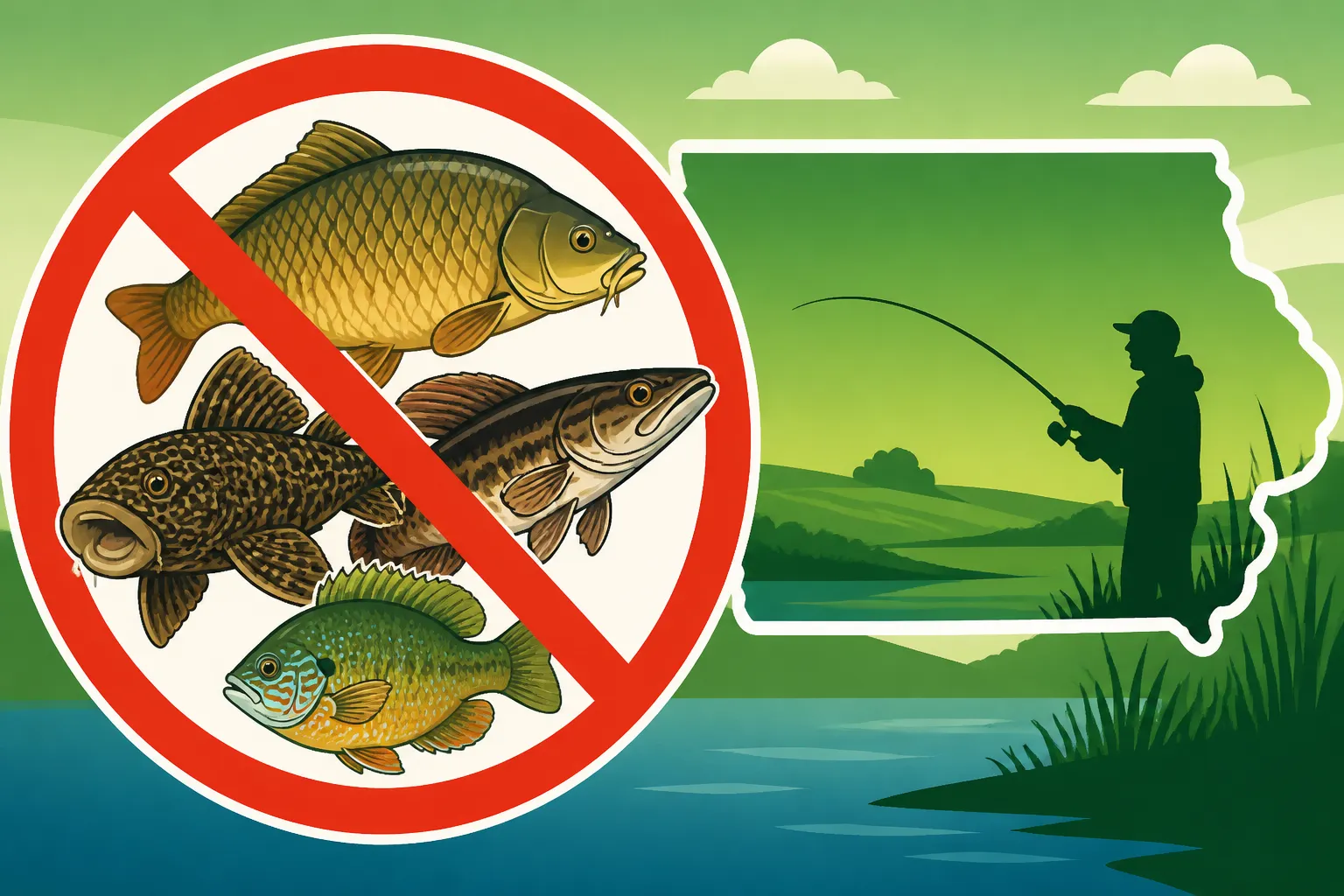
Perhaps the most notorious group of fish you'll encounter that are illegal to release in Iowa are the various species of Asian Carp. This includes Bighead Carp, Silver Carp, and Grass Carp. These fish were originally introduced to control aquatic vegetation and plankton in aquaculture facilities, but they have since escaped and established populations in many major river systems, including the Mississippi River.
Why they are a problem:
- Bighead and Silver Carp: These filter feeders devour vast quantities of plankton, which is the base of the food chain for many native fish, especially larval and juvenile sportfish like walleye and crappie. By consuming this critical resource, they directly compete with and starve out our native species. Silver Carp are particularly infamous for their tendency to leap out of the water when startled by boat noise, posing a genuine physical danger to boaters and anglers. Imagine cruising along, enjoying the scenery, only to have a 20-pound fish rocket out of the water and potentially hit you or a passenger!
- Grass Carp: While not plankton feeders, Grass Carp are voracious eaters of aquatic vegetation. While this might sound good for controlling nuisance weeds, they don't discriminate. They can decimate beneficial native plants that provide vital habitat, food, and spawning grounds for many other fish, waterfowl, and invertebrates. This dramatic alteration of habitat can have cascading negative effects throughout the ecosystem.
What to do if you catch one: If you catch a Bighead, Silver, or Grass Carp in Iowa, the rule is clear: do not return it to the water. It is illegal to release them. The best course of action is to harvest the fish. Some anglers find them to be good eating, though they can be bony. If you don't plan to eat it, dispose of it properly in the trash or by burying it, ensuring it doesn't end up back in any body of water, live or dead. You can learn more about identifying these tricky fish in our detailed guide: Asian Carp Identification and Rules.
Other Invasive Fish to Watch Out For
While Asian Carp get a lot of attention, there are other invasive species that anglers should be aware of, even if they are less common or less widespread in Iowa. Species like the Ruffe and Round Goby are concerns, particularly in systems connected to the Great Lakes. These fish are also highly adaptable and can quickly outcompete native species for food and habitat.
- Ruffe: These small, spiny fish have a high reproductive rate and can quickly establish dense populations. They compete with native perch and other species for food and can even prey on the eggs of other fish. Their sharp spines also make them unpalatable to many predators.
- Round Goby: Another small, aggressive bottom-dwelling fish, the Round Goby, can outcompete native darters and sculpins, and they are also known to eat the eggs of sportfish like bass and walleye. They're resilient and can tolerate poor water quality, allowing them to thrive in areas where native fish struggle.
The general principle for any fish that appears clearly non-native, unusually aggressive, or simply "out of place" is to err on the side of caution. If you suspect you've caught an invasive species not on the common list of game fish, it's best not to release it. Instead, take a clear photo, try to identify it using resources like the DNR's Iowa Fish Species Guide or even the GoOutdoors Iowa app, and report your sighting to the DNR. It's better to be safe than sorry when it comes to protecting our waters. You can often find compact, waterproof field guides on sites like Amazon that are perfect for quick identification on the boat or shore.
Understanding the "Why" Behind the Ban
It’s easy to feel a pang of guilt when you catch a fish and know you can’t release it, especially if it looks healthy. However, understanding the profound ecological reasons behind these bans can help alleviate that feeling and reinforce the importance of your actions. The "why" is often more complex than just simple competition for food.
Invasive species, like the Asian Carp, can have a truly transformative impact on entire aquatic ecosystems. Beyond outcompeting native fish, they can alter water quality by disturbing sediments, leading to murkier water that reduces sunlight penetration and harms aquatic plants. They can also introduce novel pathogens or parasites into a water body. Our native fish might have no natural defenses against these new threats, leading to widespread disease and declines in populations. Furthermore, some invasive species can hybridize with native fish, diluting the genetic integrity of our natural populations. It's not just about one fish eating another's food; it's about fundamentally altering the very fabric of an ecosystem in ways that are incredibly difficult, if not impossible, to reverse. By not releasing these species, you're not just following a rule; you're actively participating in the long-term conservation of Iowa's precious aquatic resources.
General Best Practices for Responsible Anglers
Being a responsible angler goes beyond just knowing the regulations; it's about adopting practices that protect our environment and ensure sustainable fishing for everyone. It's a mindset that prioritizes the health of the ecosystem over individual convenience.
Proper Identification is Key
You might be thinking, "How am I supposed to know every single fish species?" And that's a fair point! No one expects you to be a marine biologist, but having a basic understanding of common native and invasive species is invaluable. The DNR provides excellent resources, including their annual fishing regulations booklet and online guides. These resources often include color photos and distinguishing characteristics to help you tell the difference between similar-looking fish. For example, knowing the subtle differences between a walleye and a sauger, or a white crappie and a black crappie, can be important for adhering to specific bag and length limits.
If you catch a fish and you're truly unsure if it's an invasive species that shouldn't be released, don't just guess. Take a picture from several angles, noting any distinct markings, fin sizes, or mouth shapes. Then, consult your resources. A good waterproof Iowa Fishing Regulations Explained guide or a field guide (often available on Amazon) can be a lifesaver on the water. When in doubt about an invasive species, the safest bet is often not to release it until you can positively identify it, and if it's confirmed invasive, then dispose of it properly. It's always better to take a moment for identification than to accidentally contribute to an ecological problem.
Preventing Accidental Spread and Respecting Regulations
Our actions on the water have ripple effects. A seemingly innocent mistake can have significant consequences for Iowa's aquatic environments. This is particularly true when it comes to preventing the accidental spread of invasive species, whether fish, plants, or microscopic organisms.
The "Clean, Drain, Dry" protocol isn't just a suggestion; it's a critical preventative measure.
- Clean: Remove all visible aquatic plants, animals, and mud from your boat, trailer, waders, and fishing gear before leaving a water access. This includes propellors, anchors, fishing lines, and nets. You might even find some handy brushes or tools on Amazon to make this easier.
- Drain: Pull the drain plug from your boat, and drain all water from the motor, livewell, bilge, and bait buckets before leaving the ramp. Never transport water from one body of water to another.
- Dry: Allow all equipment to thoroughly dry for at least 5 days before using it in a different water body. If drying isn't possible, consider a high-pressure wash or hot water rinse.
Another crucial aspect of prevention is never transporting live fish from one water body to another, unless they are legally obtained baitfish being used in the same body of water from which they were caught or purchased, and only if they are not prohibited species. This means if you catch panfish in Lake A and think they'd make great bait for catfish in Lake B, think again! That's a huge no-no. It's also vital to stay updated on Iowa Fishing Regulations Explained because rules can change. What was permissible last year might not be this year, especially if new invasive threats emerge. Always check the latest regulations before heading out.
Reporting Suspected Invasive Species
You are the eyes and ears on the water, and your observations are incredibly valuable to conservation efforts. If you catch a fish that you believe to be an invasive species not native to Iowa, or if you spot an unfamiliar aquatic plant or animal, please report it! The Iowa DNR relies on public participation to monitor and manage these threats effectively.
How to report:
- Don't Release It: If it's a suspected invasive fish, do not put it back in the water.
- Take Photos: Get clear, well-lit photos from multiple angles, especially showing any distinctive features, fins, and mouth. Place a ruler or a familiar object next to it for scale if possible.
- Note Location: Record the exact location (GPS coordinates if you have them, or a detailed description of the area) and date of your sighting.
- Contact the DNR: Reach out to the Iowa DNR through their website or by phone. They have dedicated staff who can help identify the species and advise on the next steps. Your report helps them understand the distribution and potential spread of these problematic organisms, allowing them to implement targeted management strategies. This is how we collectively work to preserve our beloved fishing spots like Fishing the Iowa Great Lakes or Fishing Rathbun Lake in Iowa.
The Legal Ramifications of Releasing Prohibited Species
While our primary goal as anglers is to enjoy the outdoors and respect nature, it’s also important to understand the legal framework that protects Iowa’s aquatic resources. Releasing a prohibited species isn't just an ecological faux pas; it carries real legal consequences.
Potential Penalties for Violations
The Iowa DNR takes the spread of invasive species very seriously, and for good reason. Violations of these regulations can result in significant penalties. While I can't give you exact dollar amounts (as these things change and vary by the severity of the offense), you can generally expect to face fines. These fines can be substantial and are designed to deter actions that threaten the state's natural resources. Beyond financial penalties, you could also face other repercussions, such as the confiscation of your fishing gear, loss of your fishing license privileges for a period, or even, in severe cases, criminal charges.
It's a common misconception that ignorance of the law is a valid excuse. Unfortunately, when it comes to fishing regulations, it almost never is. As an angler, you are expected to know and adhere to all state laws and regulations. That's why being diligent about checking the latest Iowa Fishing Regulations Explained and being able to identify common invasive species is so important. Getting caught releasing a prohibited fish, or even transporting live fish illegally, can turn a fun day on the water into a very expensive and unpleasant experience. Just as there are penalties for What Happens If You Fish Without a License in Iowa, there are also serious consequences for undermining the health of our fisheries through the spread of invasives.
Protecting Iowa's Aquatic Future
Ultimately, the laws and regulations concerning the release of prohibited fish species are in place for the long-term health and sustainability of Iowa's aquatic ecosystems. Every time an angler makes the responsible choice not to release an Asian Carp, or meticulously cleans their boat to prevent the spread of zebra mussels, they are contributing directly to the future of fishing in our state.
Imagine a future where our lakes and rivers are overrun by invasive species, where native populations dwindle, and the joy of catching a native Walleye Fishing in Iowa or a feisty Largemouth Bass Fishing in Iowa becomes a rare occurrence. That's the dire scenario these regulations aim to prevent. Our shared responsibility extends to protecting the very places we love to fish. By understanding and adhering to these rules, we're not just avoiding penalties; we're actively safeguarding the beauty, diversity, and abundant fishing opportunities that make Iowa such a special place for anglers. Let's all do our part to ensure our waters remain vibrant and healthy for generations to come.
Disclaimer
This article is for general informational purposes only and does not constitute professional advice. Laws, prices and regulations vary by location and change over time. Consult a qualified professional for guidance on your specific situation.