Minimum Age to Drive a Motorboat in Iowa
It's a common scenario: your child, full of excitement and a budding passion for the outdoors, gazes longingly at the helm of your motorboat, dreaming of taking control. As parents and guardians, we want to encourage that enthusiasm, but the rules and regulations around who can actually operate a boat can feel like a confusing maze. This guide is here to untangle the specifics of Iowa's laws regarding the minimum age for driving a motorboat, ensuring both safety and legal compliance on our beautiful waterways.
Understanding the Core Requirement: Age and Education
When it comes to allowing younger family members to take the wheel of a motorboat in Iowa, there are very specific age and education requirements that aren't just suggestions – they're the law. It's not enough to just "feel" like your child is responsible enough; the state has laid out clear guidelines to protect everyone on the water.
The 12-Year-Old Threshold for Operation
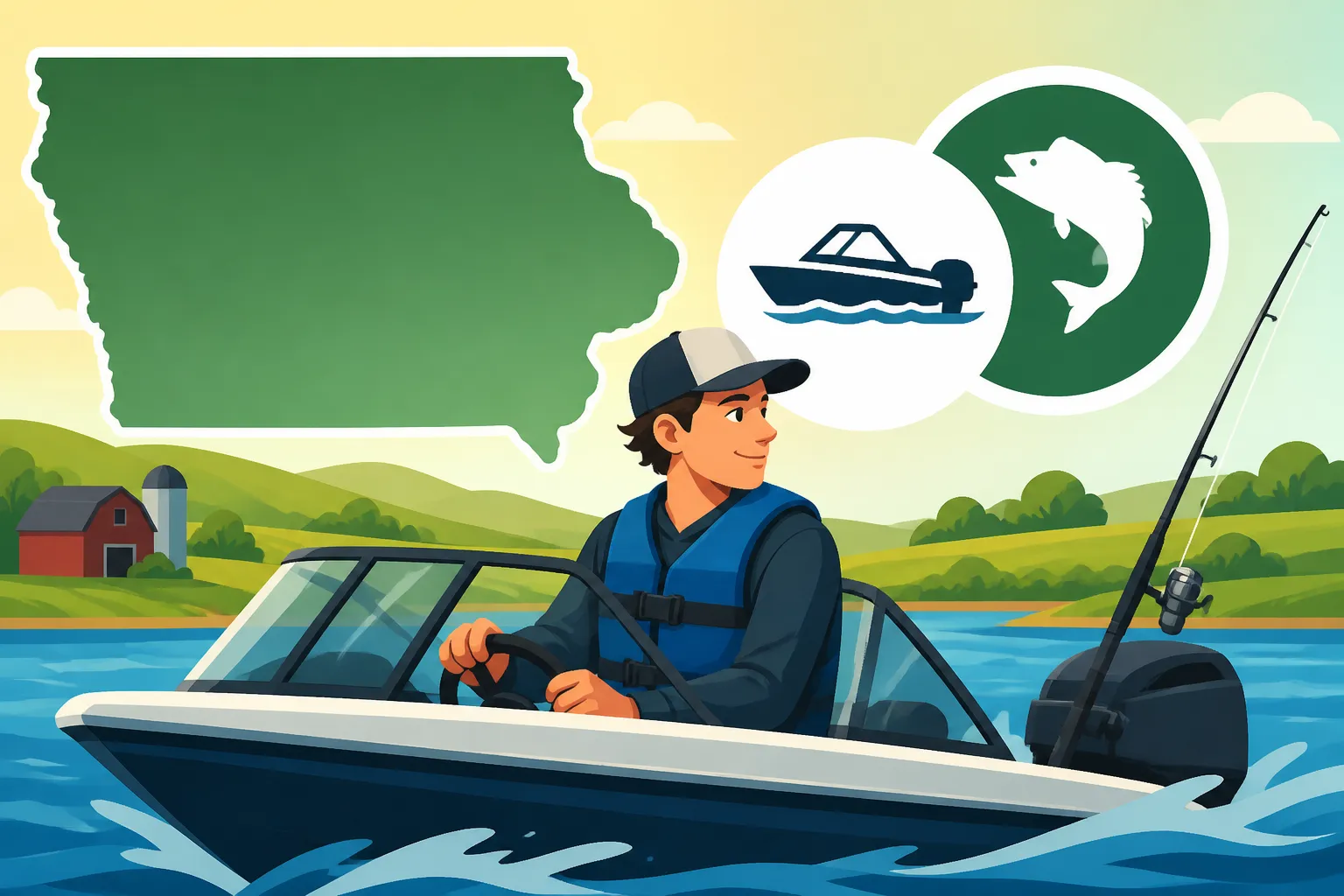
In Iowa, the fundamental rule is that no person under 12 years of age can operate a motorboat, unless they are under the direct supervision of a responsible person who is at least 18 years old and is actually aboard the vessel. This means if your child is 11, they can steer or handle the throttle, but you, as the supervising adult, must be right there, present on the boat, and capable of immediately taking over control if needed. This isn't a "shout instructions from the shore" kind of supervision; it's hands-on, direct oversight to ensure safety.
However, the age requirement is only one part of the equation, and it gets a bit more involved if we're talking about someone truly operating a boat independently. This distinction is crucial for parents who want their kids to experience the joy of driving a boat responsibly. Without direct adult supervision, a child under 12 simply cannot operate a motorboat. This rule is designed to prevent accidents and ensure that anyone at the controls has at least a basic level of judgment and physical capability.
The Boater Education Certificate Mandate
Beyond the age restriction, Iowa also has a significant boater education requirement that often catches people by surprise. If a person wants to operate a motorboat alone (meaning without direct supervision from an adult 18 years or older on board), and they were born after January 1, 1972, they must possess a valid boater education certificate.
This certificate isn't just a piece of paper; it signifies that the operator has undergone specific training in safe boating practices, navigation rules, and emergency procedures. For many parents, this means that even if their child is over 12, but still relatively young (say, 13 or 14), they will need to complete an approved boater education course to legally operate a motorboat without you sitting right next to them. This rule applies to all motorboats, including those propelled by electric motors that might otherwise seem less impactful than a gasoline engine. It ensures a baseline of knowledge that goes beyond just knowing how to start the engine and steer. You can find more information about these crucial certifications in our guide on Boater Education Requirements for Young Anglers.
Navigating the Boater Education Process
So, your aspiring young captain is over 12, but was born after January 1, 1972, and wants to drive the boat on their own? It's time to tackle the boater education requirement. This isn't an insurmountable task, and thankfully, Iowa offers several convenient ways to get it done. The goal of these courses is to foster responsible boating habits, which is something every parent can get behind.
Approved Courses and What They Cover
The Iowa Department of Natural Resources (DNR) approves various boater education courses, ensuring they meet state standards. These courses typically cover a wide array of topics essential for safe boating, including:
- Rules of the Road: Understanding navigation rules, right-of-way, and aids to navigation (like buoys and markers). This is vital for preventing collisions and ensuring smooth traffic on the water, especially on busy lakes like West Okoboji Lake or the Mississippi River.
- Boat Safety Equipment: What mandatory safety gear you need on board, such as life jackets, fire extinguishers, and sound-producing devices. Knowing these requirements is critical, and a well-stocked boat can be life-saving.
- Boating Under the Influence (BUI): The dangers and legal consequences of operating a boat while impaired.
- Emergency Procedures: How to handle common emergencies like capsizing, man overboard, fire, or running aground.
- Environmental Responsibility: Protecting Iowa's aquatic environments, including preventing the spread of aquatic invasive species.
These courses are designed to be comprehensive, ensuring that operators are not just familiar with the basics but also understand the nuances of safe operation on various types of water bodies found across Iowa. Many online boater education providers offer courses that are accepted in Iowa, and you can often find study guides or practice tests, sometimes even bundled with resources on Amazon, to help solidify their knowledge.
How to Get Certified: Online vs. In-Person
Getting that coveted boater education certificate is a straightforward process, with options to suit different learning styles and schedules:
- Online Courses: This is often the most popular choice for families. Websites like Boat-Ed.com or BoatingSafety.com offer Iowa-approved courses that can be completed at your own pace. Your child can work through the modules, take practice quizzes, and then sit for the final exam from the comfort of your home. It's a fantastic way to learn without the pressure of a classroom, making it accessible for kids with busy schedules. Once they pass the exam, they'll receive their official certificate.
- In-Person Classes: For those who prefer a more traditional classroom setting or learn better with direct instruction, the Iowa DNR or local organizations sometimes offer in-person boater education courses. These can be a great way for kids to ask questions directly, interact with instructors, and learn alongside peers. Check the Iowa DNR website for scheduled classes in your area.
No matter which method you choose, the end result is the same: a certified operator who understands the responsibilities that come with driving a motorboat. Remember, carrying proof of this certificate while operating a boat is as important as having your Iowa Fishing License Guide with you when angling.
Who Needs What: A Quick Reference Guide
To make it even clearer, here’s a breakdown of what different age groups need to consider when operating a motorboat in Iowa. This table summarizes the key takeaways from Iowa’s boating laws.
| Operator's Age | Boater Education Certificate Needed? (if born after 1/1/1972) | Supervision Required? | Notes |
|---|---|---|---|
| Under 12 years old | No (cannot operate independently) | YES: Must be under direct supervision of an 18+ year old on board. | Cannot operate a motorboat alone, even with a certificate. The supervising adult must be capable of immediately taking control. This is a critical safety measure. |
| 12-17 years old | YES | NO (if certified), YES (if not certified) | If born after 1/1/1972, must have a boater education certificate to operate without direct supervision. If they don't have the certificate, they fall under the same supervision rules as those under 12. |
| 18 years old or older | YES (if born after 1/1/1972) | NO | Still requires a boater education certificate if born after January 1, 1972. This requirement applies to adults as well, showing Iowa's commitment to widespread boating safety knowledge. If born before 1/1/1972, no boater education certificate is required. |
This table helps illustrate that the rules are comprehensive and designed to ensure that anyone, regardless of age, who operates a motorboat independently has a foundational understanding of safety. For a broader look at aquatic vessel regulations, you might also want to consult our guide on Iowa Boat Registration Requirements.
Exemptions and Nuances of Supervision
While the rules seem clear-cut, there are always those specific situations that leave you scratching your head. What about kayaks with tiny motors? Or what exactly does "direct supervision" truly entail? These nuances are important to understand to avoid inadvertently breaking a regulation.
Small Craft and Motorization Definitions
Sometimes, the line between a non-motorized vessel and a motorboat can feel a bit blurry, especially with the rise of small electric motors. Iowa's regulations generally define a "motorboat" as any vessel propelled by machinery, regardless of the horsepower. This means that if your canoe, kayak, or small jon boat has even a small electric trolling motor attached and in use, it often falls under the motorboat category for operator requirements.
However, there are some exemptions for very small craft or those without mechanical propulsion, which might not require registration or necessarily trigger all the operator requirements if no motor is involved. For instance, a traditional canoe or kayak being paddled by a child, without any motor, wouldn't require a boater education certificate. But the moment you clip on a small electric motor, even for short distances, the rules shift. It's always best to err on the side of caution and assume that any mechanical propulsion could bring the vessel under motorboat regulations. Our guide on Boat Registration Exemptions for Small Craft provides more clarity on what kind of boats need to be registered, which indirectly impacts operator requirements.
Deeper Dive into "Direct Supervision"
The term "direct supervision" isn't left to interpretation; it has a very specific meaning in Iowa boating law. It means the supervising person (who must be at least 18 years old and legally allowed to operate the motorboat themselves) must be:
- On board the vessel: Not on the shore, not on another boat, but physically present on the same boat as the younger operator.
- Within arm's reach: Close enough to physically take control of the steering or throttle immediately if the situation demands it. This isn't just about being in the same boat; it's about being able to act instantly.
- Actively monitoring: The supervisor isn't just a passenger; they are actively paying attention to the vessel's operation, the surrounding water, and other boat traffic. They are responsible for the safe operation of the vessel.
Consider a scenario: your 10-year-old is steering your fishing boat across Saylorville Reservoir. You are sitting next to them, your hand hovering near the throttle, and you're watching for other boats and hazards. This is direct supervision. Now imagine your 10-year-old is in the front of a pontoon boat, and you're enjoying a conversation with friends at the back of the boat, not paying close attention. That's not direct supervision, and it could lead to trouble, both legally and safely. The intent is to have an experienced, responsible adult ready to intervene at a moment's notice to prevent accidents or unsafe operation.
Prioritizing Safety and Compliance on Iowa's Waters
The goal of all these regulations isn't to hinder enjoyment, but to ensure that everyone can experience Iowa's beautiful lakes and rivers safely. Compliance isn't just about avoiding fines; it's about fostering a culture of responsible boating and protecting lives.
Beyond the License: Essential Safety Gear
Even with a boater education certificate, operating a motorboat comes with inherent risks. That's why having the proper Boat Safety Equipment for Iowa Waters is non-negotiable. It's not just the law; it's common sense. Before you or your young angler head out, always ensure your vessel is equipped with:
- Life Jackets: One Coast Guard-approved life jacket for every person on board, readily accessible. Children 12 years of age and younger must wear a U.S. Coast Guard approved life jacket at all times while on any vessel on Iowa waters, unless the vessel is moored or docked. This is a crucial distinction from just having them available.
- Fire Extinguisher: For boats with enclosed fuel compartments or permanently installed fuel tanks.
- Sound-Producing Device: A whistle or horn to signal intentions or alert others.
- Visual Distress Signals: For night operation.
You can find a great range of Coast Guard-approved life jackets in various sizes on Amazon, ensuring everyone from the smallest child to the largest adult is properly fitted and protected. Essential safety equipment, from fire extinguishers to sound-producing devices, is also readily available on Amazon, making it easy to comply with regulations.
Consequences of Non-Compliance
Ignoring Iowa's boating regulations, particularly those concerning age and education, can lead to serious consequences. Enforcement officers, like those from the Iowa DNR, regularly patrol popular fishing spots such as Rathbun Lake, Clear Lake, and the Iowa Great Lakes, checking for compliance.
- Fines and Penalties: Operating a motorboat without the required certificate or supervision can result in fines. These aren't just minor inconveniences; they can be substantial and can put a damper on any planned outing.
- Safety Risks: More importantly, allowing an uncertified or unsupervised minor to operate a motorboat significantly increases the risk of accidents. Without proper training, a young operator might not know how to react in an emergency, navigate tricky waters, or recognize dangerous situations. This isn't just a risk to your family; it's a risk to other boaters and anglers enjoying the water. Our article on Iowa Fishing Regulations Explained covers a broader range of compliance details.
Ultimately, ensuring your child meets the minimum age and education requirements for driving a motorboat in Iowa is a step towards empowering them with skills and responsibility, all while keeping them and others safe on the water. It’s an investment in their future as responsible outdoor enthusiasts. Having a basic boat safety kit, including a first-aid kit and perhaps a simple repair kit, which you can easily put together with items from Amazon, is always a smart move. Always check the current Required Safety Equipment for Iowa Boats before launching, and remember that Best Life Jackets for Iowa Boaters are the ones that fit properly and are worn.
Disclaimer
The information provided in this guide is intended for general informational purposes only and does not constitute legal advice. While we strive to provide accurate and up-to-date information, boating laws and regulations can change. Always consult the official Iowa Department of Natural Resources (DNR) website or contact them directly for the most current and authoritative rules and regulations regarding motorboat operation and safety in Iowa.