Smallmouth Bass Habitat on the Mississippi River
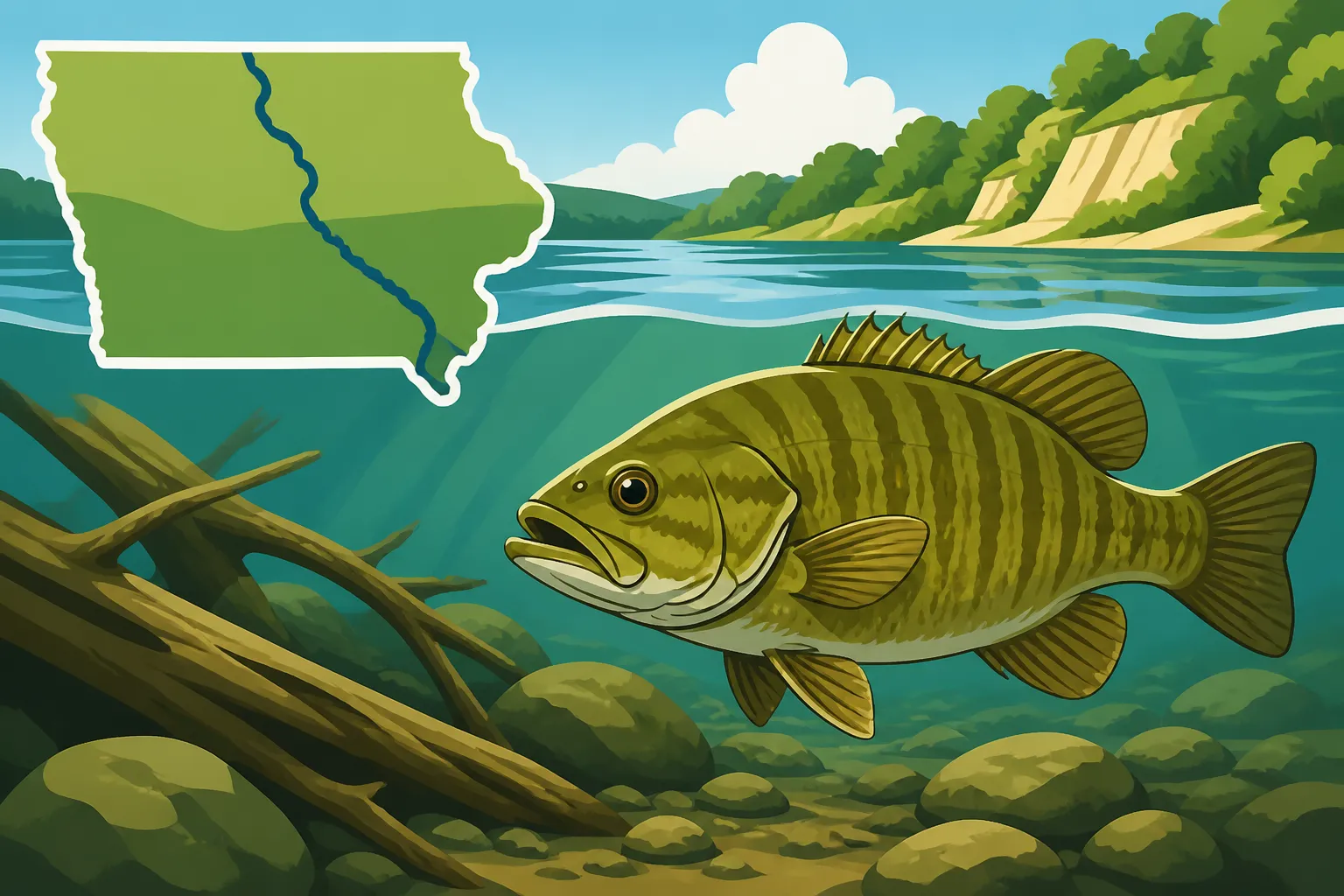
For anglers casting their lines into the mighty Mississippi River in Iowa, one of the most exciting, yet sometimes elusive, targets is the smallmouth bass. These feisty fish offer incredible sport, but finding them in such a vast and dynamic waterway can feel like searching for a needle in a haystack. This comprehensive guide will peel back the layers of the Mississippi's diverse ecosystem, detailing the specific habitats and environmental factors that attract and hold smallmouth bass, helping you dramatically improve your chances of a successful outing.
Understanding Smallmouth Bass Preferences in the Mississippi's Current
Smallmouth bass are quintessential river fish, utterly at home in moving water. Unlike their largemouth cousins who prefer slack water and heavy cover, smallmouth thrive where there's current, structure, and a good food source. The Mississippi River, with its complex network of main channels, backwaters, and tributaries, offers a smorgasbord of potential smallmouth havens, but understanding their specific current preferences is paramount to finding them.
Current Breaks and Eddies
One of the golden rules for locating smallmouth bass in any river system, especially one as powerful as the Mississippi, is to look for current breaks and eddies. These are the sweet spots where the main force of the river's flow is disrupted, creating calmer pockets of water. Smallmouth are opportunistic predators; they want to conserve energy while waiting for an easy meal to be swept past them in the current. A current break acts like a natural ambush point, allowing them to hold in relatively calm water and dart out into the faster current to snatch passing baitfish or crayfish.
Think about a prominent rock or a fallen tree on the upstream side of a bend. The current slams into it, then sweeps around, creating a pocket of slower water behind it. This is a classic eddy, and smallmouth will often stack up in these areas, especially during periods of strong flow. Similarly, the downstream side of islands or points where the current lessens can be incredibly productive. These areas aren't just about reducing effort; they concentrate food. Baitfish, insects, and other morsels get caught in these calmer zones, creating a natural buffet for hungry smallmouth. Finding these subtle changes in current flow requires keen observation and sometimes, a good depth finder to see what's happening beneath the surface.
Rocky Substrates and Riprap
If there's one thing smallmouth bass love more than current, it's rocks. Their scientific name, Micropterus dolomieu, even alludes to their preference for rocky, dolomitic limestone bottoms. On the Mississippi River, this translates to an undeniable attraction to areas with rocky substrates, gravel beds, and man-made riprap. These hard bottoms provide everything a smallmouth could want: excellent ambush cover, crucial spawning habitat, and a rich source of their favorite foods, like crayfish.
Riprap, which is essentially rock or concrete used to stabilize shorelines, bridge abutments, and wing dams, is a smallmouth magnet. The irregular contours of these rocks create countless hiding spots, crevices, and ledges. They break up the current, offer shade, and provide a home for crayfish, which are a primary food source for smallmouth. You'll often find smallmouth holding tight to the rocks, particularly on the deeper side of the riprap where it transitions to a softer bottom. How to Catch Smallmouth Bass Near Rocky Structure goes into more detail about how to fish these areas effectively. When you're drifting or motoring along the Mississippi, keep a sharp eye out for these rocky banks and structures, as they are almost always worth investigating for smallmouth action.
Deeper Pools and Drop-offs
While smallmouth bass appreciate current and rocks, they also need access to deeper water, especially as seasons change or when seeking refuge from intense sunlight or boat traffic. The Mississippi River is riddled with natural and man-made deeper pools and abrupt drop-offs that are critical habitat for these fish. These areas offer thermal refuge, stability, and a reliable ambush point when fish are not actively feeding in shallower, faster water.
Drop-offs, in particular, are phenomenal smallmouth spots. These can be sharp changes in depth where a flat transitions quickly into a deeper channel, or submerged ledges and humps. Smallmouth will often stage on the lip of a drop-off, looking out into the deeper water or up into the shallower feeding zones, ready to intercept prey. These deeper pools can be found in the main channel, but also in tributary mouths, around bridge pilings, and on the deeper side of wing dams. Using your boat's electronics to scan for these depth changes is incredibly important, as is understanding the river's bathymetry. Often, the best deeper spots will also have some form of rock or timber structure associated with them, combining several prime habitat elements into one enticing location.
Key Mississippi River Structures That Hold Smallmouth
The Mississippi River isn't just a big ditch; it's a complex, dynamic system with countless features, both natural and artificial, that create prime smallmouth bass habitat. Knowing which structures to target and why they're important is a huge part of unlocking consistent success.
Wing Dams and Riparian Zones
Wing dams are perhaps the most iconic and productive man-made structures for smallmouth bass on the Mississippi River. These rock or timber structures extend from the bank into the river channel, designed to constrict current, maintain channel depth, and control sedimentation. For smallmouth, they are absolute goldmines. The upstream side of a wing dam creates a current seam and often a scour hole right at its leading edge, while the downstream side offers a vast eddy of calmer water. Both sides are productive, depending on the current speed, water level, and time of day.
The top of the wing dam, if it’s submerged, often holds fish as well, particularly on shallower dams. The rock itself provides cover, and the concentrated current funnels baitfish directly past the holding smallmouth. Many experienced anglers dedicate entire outings to fishing a series of wing dams. Additionally, the broader riparian zones – the banks and shoreline areas – adjacent to these dams or other natural features can also hold fish, especially where there's bank stabilization (riprap, as mentioned) or overhanging vegetation providing shade and cover. When fishing wing dams, pay attention to the depth of the water over the dam, the current speed, and how far out into the channel the dam extends. Smallmouth can be found anywhere from the very base near the bank to the tip out in the main current. You can often pick up valuable insights into these spots by looking at detailed river maps, often available on platforms like Amazon.
Main Channel Borders and Feeder Creeks
The main channel of the Mississippi River, while intimidating in its vastness, is far from barren when it comes to smallmouth. Specifically, the borders of the main channel, where the fast-moving current meets slower water or structure, are prime real estate. These edges often feature submerged rock piles, natural ledges, and deeper breaks that funnel baitfish and provide excellent ambush points. Smallmouth use the deeper, faster water of the main channel as a highway for travel, but they'll pull off into these border areas to feed and rest.
Feeder creeks and tributary mouths are another critical component of smallmouth habitat, especially during certain times of the year. These smaller waterways often introduce cooler, clearer water into the main river, creating a temperature differential that attracts baitfish and, consequently, smallmouth. During spring, smallmouth will often move into these creeks to spawn, and throughout the year, they serve as crucial foraging grounds. The confluence where a creek meets the Mississippi is always worth exploring, especially on the upstream and downstream edges of the incoming current. Look for distinct current seams, submerged timber, and rocky transitions where the creek meets the larger river. Mississippi River Pool 9 Fishing and Mississippi River Pool 10 Fishing are great resources to delve into specific areas along the river that exemplify these habitat types.
Submerged Timber and Brush Piles
While smallmouth prefer rocky areas, they are not averse to timber, especially if it's substantial and offers diverse cover in the right current. Submerged logs, laydowns, and brush piles, particularly those found along the main channel borders or in deeper eddies, can be excellent holding spots. These pieces of wood provide shade, break up the current, and create micro-habitats for insects and baitfish. The complexity of a good brush pile or a massive log jam offers multiple ambush points for smallmouth to hide and wait for prey.
Locating these submerged timber structures can be challenging, as they might not always be visible from the surface. This is where modern electronics, like side imaging sonar, truly shine. You can scan wide swaths of the river bottom and pinpoint these hidden gems. Smallmouth holding in timber tend to be very tight to the cover, so precise casting and lure presentation are key. While they might not be as numerous in timber as largemouth, the smallmouth you find in these areas are often larger and more aggressive, having established prime territory. Always approach timber carefully to avoid snags, but don't shy away from fishing it thoroughly; the rewards can be well worth the effort.
Seasonal Movements and Habitat Shifts
Just like us, smallmouth bass don't stay in one spot all year round. Their habitat preferences on the Mississippi River shift dramatically with the changing seasons, primarily driven by water temperature, current, and the availability of food. Understanding these seasonal movements is key to consistently finding fish.
Spring Migration and Spawning Areas
Ah, spring! As the ice retreats and water temperatures begin to climb into the 50s Fahrenheit, smallmouth bass on the Mississippi River start to shake off their winter lethargy and embark on their spring migration. Their primary objective during this period is to move from their deep wintering holes into shallower, warmer waters to feed aggressively and eventually spawn. This pre-spawn period is often one of the best times to target them. Look for smallmouth moving into protected bays, backwater sloughs, and the mouths of feeder creeks that warm up faster than the main river. These areas offer both warmer water and a rich food source as other species become active.
Once water temperatures reach the mid-60s, smallmouth will begin to spawn. They typically seek out shallow, firm bottom areas with gravel, small rocks, or sand. These spawning beds are often found in relatively protected areas, away from the strongest currents, but still with some gentle flow. Think about the calmer side of islands, shallower flats near channel swings, or even specific pockets along riprap banks. During the spawn, male smallmouth will guard their nests aggressively. While fishing during the spawn can be tempting, many anglers choose to give the fish a break to ensure successful reproduction. After spawning, the males will continue to guard the fry for a short period before resuming their feeding patterns.
Summer Deep Water and Shade
When the brutal Iowa summer sun beats down and water temperatures soar into the 70s and 80s, smallmouth bass on the Mississippi adapt by seeking refuge in deeper, cooler water and areas with ample shade. The main river channel and its immediate borders become particularly important during this time. Look for them holding on the deeper sides of wing dams, along channel breaks, or suspended over submerged structure in the main river. Any feature that provides a noticeable depth change or current break will hold summer smallmouth.
Shade is another critical factor. Bridge pilings, barges, large overhanging trees, and even boat docks can concentrate fish during the brightest parts of the day. The cooler water and reduced light intensity offer a welcome reprieve from the heat. Smallmouth will also use the dense shade created by submerged timber and deep-set brush piles. Targeting these shaded areas, especially during midday, can be incredibly productive. As the day progresses into evening, smallmouth might move shallower again to feed, but during peak summer heat, their preference for deeper, cooler, and shadier haunts is pronounced. This is also when fishing during early mornings or late evenings can be particularly effective. Best Time to Catch Smallmouth Bass on the Mississippi River offers insights into these seasonal shifts.
Fall Foraging and Wintering Holes
As autumn colors paint the riverbanks and water temperatures begin to drop, smallmouth bass enter a crucial phase of intense feeding, often referred to as the "fall bite." This is when they gorge themselves in preparation for the lean winter months. They become incredibly active, often chasing baitfish in open water or along the edges of structure. During fall, smallmouth can be found almost anywhere that offers a good food source, but they tend to concentrate in areas where baitfish are abundant, such as the mouths of creeks, large flats adjacent to deep water, and around wing dams. They might move between shallower feeding flats and deeper holding areas throughout the day as temperatures fluctuate.
As winter truly sets in and water temperatures plummet into the 30s and low 40s, smallmouth bass will retreat to their deep wintering holes. These are typically the deepest, most stable parts of the river, often in the main channel or deep scour holes below dams or in large bends. They will school up tightly in these areas, conserving energy, and becoming much less active. While they can still be caught, the bite is often slow and requires a more subtle presentation. Locating these specific deep pockets with a good fish finder is essential for successful winter smallmouth fishing. During this time, the fish are often lethargic, so a slow, precise presentation with minimal movement is often the most effective approach.
Locating Prime Smallmouth Habitat with Modern Tools
In today's angling world, technology can be a tremendous asset in deciphering the complexities of the Mississippi River and pinpointing those elusive smallmouth bass. While intuition and experience are invaluable, modern tools can significantly cut down on search time and put you directly over the fish.
Using Sonar and Mapping to Identify Structure
Gone are the days of guessing what's beneath the surface. Today's sonar units are incredibly sophisticated, offering crystal-clear views of underwater structure, depth changes, and even the fish themselves. For smallmouth bass on the Mississippi, a good fish finder with traditional 2D sonar, Down Imaging, and especially Side Imaging capabilities is almost essential. Side Imaging allows you to scan wide areas to either side of your boat, revealing submerged rock piles, timber, and the subtle contours of wing dams that you might otherwise miss. You can literally "see" a school of smallmouth holding on the edge of a channel break or tucked into a brush pile.
Pairing your sonar with detailed mapping software is equally crucial. Most modern fish finders come pre-loaded with comprehensive lake and river maps, but dedicated mapping chips or apps can provide even greater detail, showing depth contours, navigational markers, and known structures. By overlaying your sonar returns onto these maps, you can identify patterns, mark productive spots, and navigate safely in unfamiliar waters. Before you even launch your boat, studying these maps can give you a significant advantage, helping you identify potential smallmouth hotspots based on depth changes, current breaks, and known structural elements. Many anglers get their mapping chips and fish finders from popular outdoor retailers, and accessories can often be found on Amazon.
Importance of Water Temperature and Clarity
While not strictly "tools" in the mechanical sense, understanding and measuring water temperature and clarity are two of the most vital pieces of information an angler can have when targeting smallmouth bass. Water temperature dictates fish metabolism, activity levels, and movements, especially relating to spawning and seasonal shifts. Smallmouth are cold-blooded, meaning their body temperature mirrors that of the water. They have preferred temperature ranges for feeding, spawning, and simply holding. A good thermometer on your fish finder or a simple handheld unit can tell you if you're in the "strike zone" temperature-wise.
Water clarity also plays a massive role in smallmouth behavior and your lure selection. The Mississippi River can range from crystal clear in certain backwaters to chocolate milk after heavy rains. In clear water, smallmouth rely heavily on sight, and they can be spooked easily. Longer casts, fluorocarbon lines, and natural-colored baits often work best. In murky water, fish rely more on lateral lines and scent. Louder, more vibrant lures, or those with strong vibrations, can be more effective. Understanding current Iowa Fishing Regulations on the Mississippi River Border also includes considerations for environmental factors that may impact fishing, such as water conditions. Always pay attention to how clear or murky the water is, and adjust your approach accordingly. Sometimes, just moving to a different pool or a protected backwater can make all the difference if the main river is too stained.
Identifying Forage and Baitfish Presence
Smallmouth bass are predators, and like any predator, they are going to be where their food is. Identifying the presence of forage – whether it's baitfish like shad, shiners, or smaller panfish, or invertebrates like crayfish – is a huge indicator of smallmouth presence. Your sonar can often show you schools of baitfish, sometimes even distinguishing between different types. When you see dense clouds of bait, especially near structure or current breaks, you can be reasonably confident that smallmouth are likely lurking nearby.
Observing surface activity is another excellent way to locate forage. Keep an eye out for flickering minnows, splashes from baitfish jumping, or even subtle disturbances caused by schooling bait. Birds diving or feeding on minnows can also be a dead giveaway. Beyond baitfish, remember the smallmouth's love for crayfish. Turning over rocks in shallow areas can reveal their presence, and many smallmouth lures are designed to imitate crayfish patterns. If you're consistently catching baitfish in a particular area, it's a strong sign that smallmouth are probably not far behind. Focus your efforts on these high-activity zones, and you're far more likely to hook into some hard-fighting Mississippi River smallmouth.
| Habitat Feature | Description | Smallmouth Benefit | Ideal Season |
|---|---|---|---|
| Wing Dams | Rock or timber structures extending into channel, creating current breaks. | Ambush points, concentrated baitfish, varied current. | Spring, Summer, Fall |
| Riprap & Rock Piles | Stabilized shorelines, bridge abutments, natural rock formations. | Shelter, spawning grounds, crayfish habitat, current breaks. | All seasons (deeper in summer/winter) |
| Current Seams/Eddies | Areas where fast current meets slower water, often behind obstructions. | Energy conservation, ambush points for passing food. | All seasons, especially high flow |
| Feeder Creek Mouths | Confluence of smaller streams with the main river. | Warmer water (spring), cooler water (summer), spawning, concentrated baitfish. | Spring, Fall (pre-spawn, post-spawn, fall foraging) |
| Main Channel Borders | Edges of the primary navigation channel with depth changes. | Travel corridors, deep water access, ambush points on ledges. | Summer (deep), Winter (holding), Fall (foraging) |
| Submerged Timber | Fallen trees, log jams, brush piles. | Shade, current breaks, ambush cover, invertebrate habitat. | Summer (shade), Spring/Fall (foraging) |
| Deep Pools/Drop-offs | Significant depth changes, scour holes, ledges. | Thermal refuge, wintering holes, ambush points, stable environment. | Summer (refuge), Winter (holding), Fall (staging) |
Disclaimer
This article is for general informational purposes only and does not constitute professional advice. Laws, prices and regulations vary by location and change over time. Consult a qualified professional for guidance on your specific situation.