Best Time to Catch Bluegill in Spring
There's nothing quite like the arrival of spring in Iowa to ignite that itch to get out on the water. For many of us, that means chasing the feisty and ever-popular bluegill. But if you've ever spent a beautiful spring day fishing for panfish only to come home empty-handed, you know the frustration – it's not always as simple as dropping a worm in the water. This guide is all about helping you crack the code on spring bluegill, focusing on the absolute best times and tactics to ensure your cooler fills up and your angling spirit soars.
Understanding Bluegill Behavior in Spring
Bluegill are creatures of comfort, and their entire spring routine revolves around one thing: spawning. This isn't a single event, though; it's a progression, and understanding each phase is key to knowing when and where to find them. Missing this behavioral shift is often why anglers struggle, casting in deep water when the fish are shallow, or vice versa.
The Pre-Spawn Rush: Early Spring Bluegill
As Iowa's lakes and ponds shed their icy grip and water temperatures begin to climb into the upper 40s and low 50s, bluegill start to stir. This is the pre-spawn period, and it's a fantastic time to catch some of the biggest bluegill of the year. They haven't started building nests yet, but their metabolism is picking up, and they're feeding aggressively to build energy for the upcoming spawn. Think of it as a feeding frenzy before the big event.
During this early spring phase, bluegill are typically found deeper than you might expect, often congregating in transition areas. Look for them around the first significant breaklines, especially those close to potential spawning flats or protected coves that will warm up quickly. Submerged weed beds that are just starting to show growth, brush piles, or old docks in slightly deeper water (say, 8 to 15 feet) can hold impressive numbers. They're not spread out randomly; they're grouped up, waiting for the water to warm further. Your bait choice here can be critical – something that mimics a slow-moving insect or a small minnow will often get their attention.
The Spawning Frenzy: Peak Spring Bluegill Action
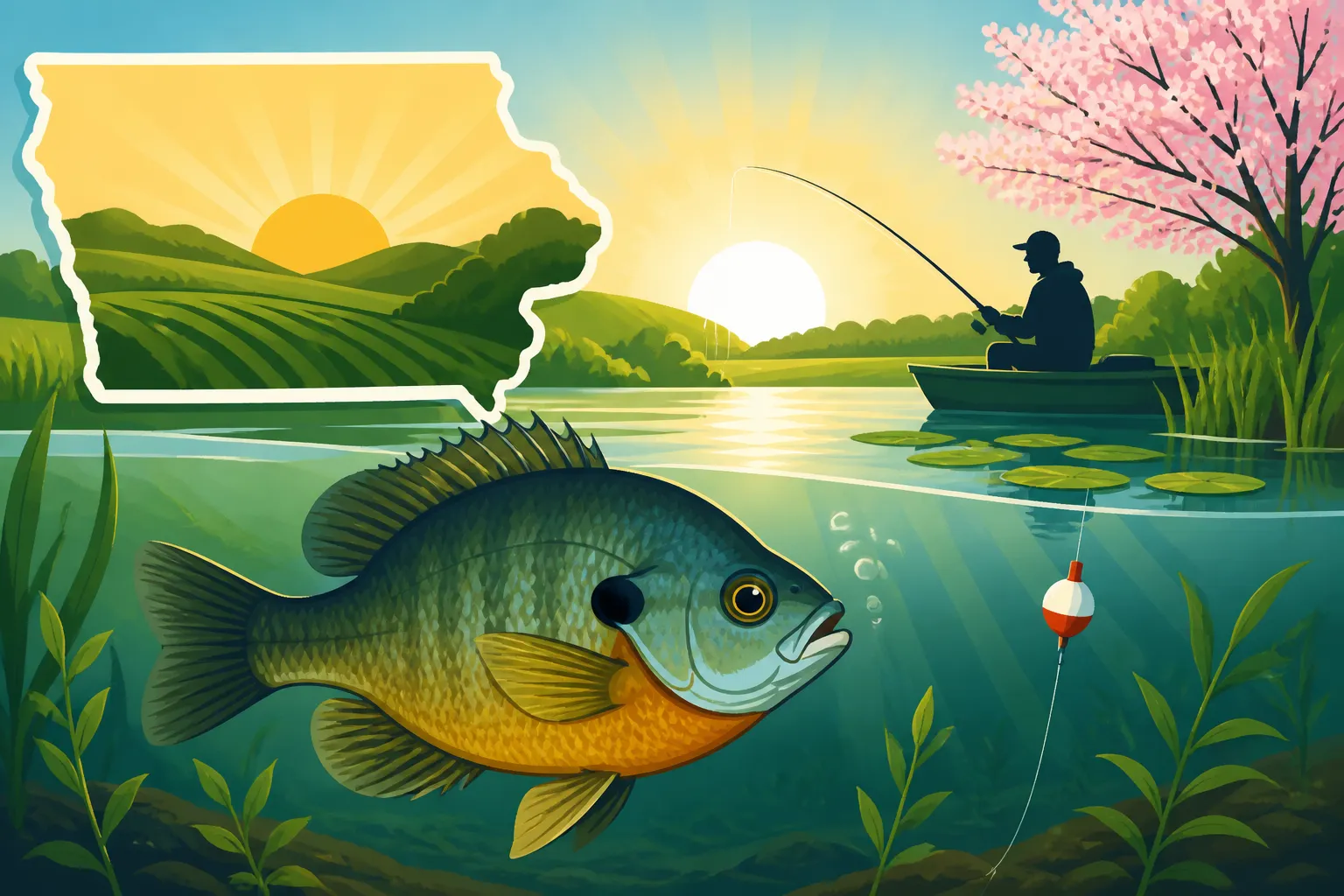
This is what most anglers dream about when they think of spring bluegill: the spawning frenzy! When water temperatures reach a consistent 68-72 degrees Fahrenheit, typically from late May through June in many Iowa waters, bluegill move into the shallows to create their characteristic "dinner plate" shaped beds. These nests are often found in colonies, sometimes hundreds of them, in firm-bottomed areas like sand, gravel, or even hard clay. They love sunny, protected bays and flats that are just a few feet deep.
Spotting these spawning beds is one of the easiest ways to locate bluegill during this peak period. Look for light-colored circular depressions on the bottom in clear water. Sometimes, you'll see the males actively fanning their fins over the beds, guarding eggs or fry. During this time, bluegill can be incredibly aggressive, striking at anything that comes near their nests. This is when even novice anglers can have incredible success, as the fish are concentrated and highly protective. Remember to check local regulations for Crappie and Sunfish Limits in Iowa and consider practicing catch-and-release, especially for the larger males, to help maintain healthy populations.
Post-Spawn Recovery: Late Spring Transitions
Once the main spawn is over, usually by early to mid-July depending on the specific lake and conditions, bluegill enter their post-spawn phase. This can be a trickier time for anglers because the fish are often tired from their reproductive efforts and tend to disperse. They won't be as concentrated on the beds, and their feeding patterns can become more sporadic. However, this doesn't mean they're impossible to catch; you just need to adjust your strategy.
During post-spawn, bluegill often move slightly deeper than their spawning beds, seeking out cooler water and a bit of recovery. They might hold on the edges of weed lines, around submerged timber, or under docks and overhanging trees that provide shade and cover. They're still feeding, but perhaps not with the same aggressive abandon as during the pre-spawn or spawn. Think smaller, more subtle presentations. While many fish have dispersed, some larger females might still be found in deeper water, recuperating before resuming more active feeding. Understanding these transitions is part of the fun of Bluegill Fishing in Iowa.
Prime Times of Day for Spring Bluegill
Just like different phases of spring influence bluegill behavior, so does the time of day. While you can catch bluegill throughout the day, certain hours offer a distinct advantage, especially as the spring season progresses and temperatures fluctuate.
Morning Bites: The Early Bird Catches the Bluegill
As the sun begins to creep above the horizon in early spring, signaling the start of a new day, bluegill often become quite active. The water temperature is usually at its coolest after the overnight hours, but as the sun hits the shallows, these areas begin to warm up, attracting bluegill seeking warmth and early morning meals. This is especially true on sunny, calm days. For the angler, this means getting on the water just after sunrise can lead to excellent action.
During these morning hours, bluegill often feed closer to the surface or near the edges of cover as they take advantage of insects that have become active. The low light conditions can also make them feel more secure, encouraging them to venture out from denser cover. If you're fishing a lake with clear water, the bluegill might be less spooky in the early morning light. This is a great time to experiment with topwater presentations or very shallow-running baits, though a simple worm under a bobber can be unbeatable.
Midday Slowdown and Afternoon Pick-Up
Once the sun climbs high in the sky and midday heat sets in, especially on warmer spring days, bluegill can sometimes slow down. The intense sunlight can drive them deeper or into the densest cover, making them harder to entice. This is when you might find yourself casting endlessly with little to show for it. Don't despair, though; this "lull" doesn't last all day.
As the afternoon progresses, and the sun starts to descend, water temperatures can peak, and bluegill may become active again. Often, the late afternoon offers another feeding window, especially if there's a light breeze that creates a chop on the water, breaking up the sun's glare and making the fish feel safer. This is a good time to revisit those same areas you fished in the morning but perhaps with a slightly deeper presentation or by focusing on shaded areas created by trees, docks, or submerged structures. If the midday bite is slow, consider using small jigs or even tiny crankbaits, which you can find on sites like Amazon, to provoke a reaction strike.
Evening Magic: The Golden Hour for Bluegill
Many experienced panfish anglers will tell you that the "golden hour" leading up to sunset, and even a bit after, can be absolutely magical for spring bluegill. As the day's heat dissipates and the sun dips low, bluegill often move back into shallower feeding areas. The falling light levels create ideal conditions, making the fish feel less exposed and often triggering a strong feeding impulse before nightfall.
The evening bite can be particularly strong around weed edges, lily pad fields, and shallow flats that received good sun exposure throughout the day. The water might still hold residual warmth, and various insects are often active, providing an easy meal. This is a prime opportunity for some of the most consistent action of the day. A simple setup for this time, perhaps a How to Catch Panfish With a Bobber rig with live bait, can be incredibly effective. Sometimes, the largest bluegill of the day will come out to feed as the light fades, so don't pack up your gear too early!
Key Factors Influencing Spring Bluegill Success
While understanding bluegill behavior and prime times of day is crucial, other environmental factors play a massive role in whether your spring fishing trip is a success or a struggle. Ignoring these elements is like trying to bake a cake without knowing the oven temperature – you might get lucky, but consistency will be elusive.
Water Temperature: The Ultimate Bluegill Trigger
We've touched on it already, but water temperature cannot be stressed enough when it comes to spring bluegill. It's the primary driver of their activity and location. In early spring, when waters are in the high 40s to low 50s, bluegill will be deeper, in areas that absorb warmth more quickly, like dark bottom bays or protected coves. As temperatures rise into the mid-50s and low 60s, they'll start exploring shallower zones, still feeding but also scouting out potential spawning grounds.
The magic number for bluegill spawning activity is typically between 68 and 72 degrees Fahrenheit. Once the water hits this range, especially in shallow, sunny areas, get ready for prime spawning bed action. A simple fish thermometer is one of the most valuable pieces of equipment you can carry, easily found on Amazon. It removes the guesswork and tells you exactly what the bluegill are feeling. Knowing the water temperature helps you predict if the Spring Spawn Timing for Iowa Bluegill is happening or about to happen in your chosen spot.
Weather Patterns and Their Impact
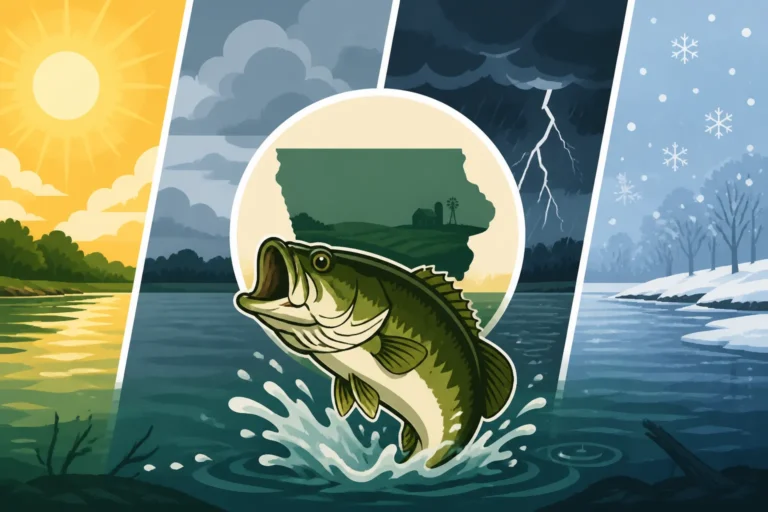
Iowa spring weather can be notoriously fickle, and these changes directly impact bluegill fishing. A stable period of warm, sunny days with light winds will generally lead to excellent fishing, as bluegill feel comfortable and active. Conversely, a sudden cold front, bringing dropping air temperatures and often strong winds, can shut down the bite almost instantly. The fish might retreat to deeper water or become lethargic, suspending near cover but unwilling to bite.
Cloudy days, especially with light rain, can sometimes improve bluegill fishing. The reduced light penetration makes the fish feel more secure in shallower water, and the rain can wash insects into the lake. However, heavy rains can muddy the water, making it harder for bluegill to see your bait and potentially scattering them. Pay attention to the forecast, not just for your comfort, but to anticipate how the fish will react. Adjust your approach – slower retrieves, brighter baits, or focusing on less affected areas – based on the conditions. You can find more information on how weather affects fish in articles like How Water Temperature Affects the Walleye Bite, which often applies to other species too.
Location, Location, Location: Finding Spring Bluegill
Even with perfect timing and weather, if you're not fishing where the bluegill are, you won't catch anything. Spring bluegill locations are highly predictable once you understand their seasonal movements. Early in spring, focus on protected northern shorelines, coves, and canal systems that warm up first. These areas act as thermal sanctuaries. Look for any emergent or submerged vegetation, brush piles, or old docks in these zones; these provide both food and cover.
Once spawning begins, the search narrows to shallow, firm-bottomed flats. These are often in 1 to 5 feet of water, sunny, and protected from strong winds or waves. Look for distinct changes in bottom composition – sandy pockets, small gravel beds – within these flats. After the spawn, bluegill tend to spread out a bit, but they won't go far. They'll often move to the edges of deeper weed lines, under overhanging trees, or into brushy areas that offer shade and continue to provide insect life. Identifying these habitat types is a skill that comes with practice, but focusing your efforts on these prime areas will dramatically increase your chances of success. Good resources like Best Spots for Bluegill at Clear Lake can give you specific local insights.
Essential Gear and Tactics for Spring Bluegill
You don't need a boatload of expensive gear to catch bluegill, but having the right tools for the job can make a significant difference in your enjoyment and success. It's about efficiency and presenting your bait effectively.
Rods, Reels, and Line for Panfish Perfection
For bluegill, lighter is definitely better. An ultralight or light-action spinning rod, typically 5 to 6 feet long, paired with a small spinning reel (size 500-1000) is the ideal setup. This light gear allows you to cast those tiny baits and lures that bluegill prefer, and it makes even a modest bluegill feel like a trophy fish. The sensitive tip of an ultralight rod will also help you detect the subtle bites that these panfish often deliver.
When it comes to line, 2-to 4-pound test monofilament or fluorocarbon is perfect. Monofilament is more forgiving and floats, which can be good for bobber fishing, while fluorocarbon is nearly invisible underwater and has less stretch, offering more sensitivity. You don't need heavy line because bluegill rarely break off. A small, quality reel from a brand you trust will make casting and retrieving a breeze. If you're just starting out, a Best Budget Spinning Combo for Panfish can get you on the water without breaking the bank.
Bait and Lure Strategies That Deliver
Bluegill are not usually picky eaters, which is one of their charms! Live bait is almost always a winner. Small worms (red wigglers or pieces of nightcrawlers), crickets, and waxworms or maggots are irresistible to bluegill. Hook them gently to ensure they stay lively. You can find a good selection of live bait at most local bait shops.
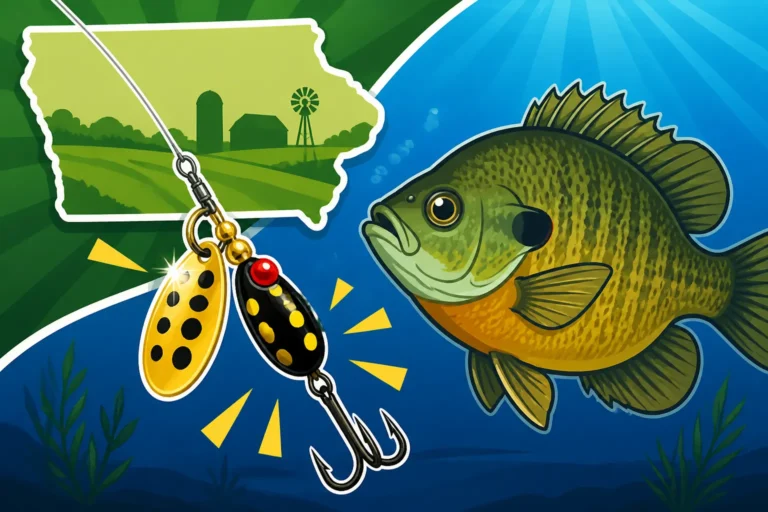
When it comes to artificials, think small. Tiny jigs, especially those in the 1/64 to 1/16 ounce range, tipped with a small plastic grub, tube, or a piece of a soft plastic worm, are incredibly effective. Colors like chartreuse, white, black, or pink often work well. Micro-spinners and small spoons can also entice aggressive bluegill. Even tiny crankbaits or flies, particularly when fly fishing, can be productive. You can browse a wide array of options for Best Lures for Panfish on Amazon, making it easy to stock your tackle box.
Presentation is Everything: Finesse Techniques
How you present your bait is just as important as what bait you use. Bluegill can be surprisingly wary, especially in clear water or during slower feeding periods. A simple slip bobber rig is a classic for a reason: it allows you to present your bait at a precise depth without spooking the fish. Adjust your bobber stop to keep your bait just above any cover or slightly off the bottom.
For jigs, a slow, steady retrieve or a subtle lift-and-drop motion is usually all it takes. Remember, bluegill have small mouths, so your hook size should be appropriate – usually a size 8 or 10 light-wire hook. Don't be afraid to experiment with retrieve speeds and pauses. Sometimes a dead-sticked bait (left perfectly still) is the most effective. If you're sight fishing for spawning bluegill, a gentle, accurate cast that lands your bait just beyond the bed and is slowly retrieved through it can trigger an immediate strike. Learning to master these finesse presentations will lead to more consistent catches and a deeper understanding of bluegill behavior.
Spring Bluegill Fishing Strategy at a Glance
To summarize the best times and general strategies for spring bluegill, here's a quick reference table:
| Spring Phase | Water Temperature Range | Typical Location | Prime Times of Day | Recommended Baits/Lures | Key Technique |
|---|---|---|---|---|---|
| Early Pre-Spawn | 48-55°F | Deeper breaklines, submerged brush, protected coves | Midday/Early Afternoon | Worms, maggots, small jigs | Slow retrieve, deeper presentation |
| Late Pre-Spawn | 55-65°F | Edges of developing weed lines, shallower structure | Morning/Late Afternoon | Worms, crickets, small jigs, micro-spinners | Erratic retrieve, searching |
| Peak Spawn | 68-72°F | Shallow flats, protected bays, visible beds | All Day (esp. morning/evening) | Worms, crickets, tiny jigs (black, chartreuse) | Sight fishing, gentle drop |
| Post-Spawn | 70°F+ | Slightly deeper weed edges, shaded cover, docks | Morning/Evening | Smaller worms, waxworms, subtle jigs | Finesse, focused on cover |
Remember, bluegill are a fantastic species for anglers of all skill levels, offering consistent action and a delicious meal. With a little knowledge of their spring habits and the right approach, you'll be enjoying the best of Iowa's panfish season.
Disclaimer
This article is for general informational purposes only and does not constitute professional advice. Laws, prices and regulations vary by location and change over time. Consult a qualified professional for guidance on your specific situation.