Spring Fishing in Iowa
Oh, that feeling of shaking off the winter blues and dreaming of open water! After months of ice fishing or just plain cabin fever, the arrival of spring in Iowa can feel like a rebirth for anglers. But let's be real, spring fishing isn't always sunshine and limits; it often presents its own unique set of challenges, from unpredictable weather to fickle fish. This guide is here to walk you through everything you need to know to confidently tackle Iowa's spring waters, helping you navigate the transitions and find success when those fish start to bite.
Understanding Iowa's Spring Transition
Spring in Iowa is a beautiful, albeit sometimes chaotic, time for fishing. It's a period of dramatic change, as frozen landscapes give way to thawing waters and the natural world awakens. For anglers, understanding these shifts is absolutely crucial for success. It's not just about throwing a line in; it's about anticipating where the fish will be and what they'll be doing.
Ice Out to Open Water
The very first sign of spring for many Iowa anglers is the "ice out." This is when the thick winter ice finally recedes from our lakes and larger reservoirs, making way for open water fishing. This isn't an overnight phenomenon; it's a gradual process that can vary greatly from year to year and even from lake to lake. Some shallow, darker-bottomed lakes like Clear Lake might shed their ice earlier than deeper, larger bodies of water like West Okoboji Lake or Spirit Lake in the Iowa Great Lakes region. When the ice first comes off, many fish are still sluggish, having been in a low-metabolic state all winter. They're often found near deeper water access points or gradually moving towards the shallower bays as the sun warms those areas.
As the ice melts, freshwater runoff from snowmelt and spring rains can significantly impact water levels and clarity, especially in river systems like the Des Moines River or the Mississippi. This influx of cold water can sometimes slow the bite, but it also flushes nutrients and baitfish, eventually stimulating activity. The key here is patience and observation. Watch the local conditions, check lake reports, and don't be afraid to scout areas that might warm up quicker, such as north-facing banks or shallow coves, as these areas often become early season feeding grounds. Remember that early season boat ramps might still be inaccessible or have debris from winter, so always check conditions before heading out.
Water Temperature's Role
If there's one factor that dictates spring fishing success more than any other, it's water temperature. Fish are cold-blooded creatures, and their activity levels, metabolism, and even their preferred locations are directly tied to the water temperature. As the sun begins to warm the shallower waters, these areas become magnets for baitfish and, consequently, for the predatory species we love to catch. A difference of just a few degrees can make a world of difference. For instance, walleye often become active in the mid-40s (Fahrenheit), while bass might not really kick into gear until the low 50s.
Fishermen often carry a portable thermometer, and it's a piece of gear I highly recommend. Knowing the temperature of different parts of a lake or river can help you pinpoint where the fish are holding. Look for thermal breaks or areas where warm inflows enter the main body of water. These warmer pockets, even just a few degrees warmer, can hold the most active fish. Shallow bays, protected coves, and areas with dark bottoms that absorb more solar radiation are prime candidates for early season warmth. Keep an eye on how water temperature affects the Walleye season and size limits for specific bodies of water, as some lakes have unique regulations based on fish health and spawning.
Spring Spawning Cycles
Spring is reproduction season for many of Iowa's most sought-after fish species, and understanding these spawning cycles is paramount. Different fish spawn at different temperatures, and this natural urge drives their movements and behaviors. Walleye, for example, are early spawners, often moving into rivers or rocky areas of lakes when water temperatures hit the mid-40s to low 50s. Crappie and bluegill will follow, typically spawning a bit later in the spring when water temperatures climb into the 60s, often congregating in shallow, brushy areas.
Knowing when a fish is likely to spawn helps you predict where they'll be and what they'll be focused on. During the pre-spawn phase, fish are often aggressively feeding to build up energy for the upcoming spawn. This can be one of the best times for trophy catches. During the actual spawn, some fish can become less interested in feeding, focusing on their nests, while others can become territorial. Post-spawn, they might be recuperating and a bit lethargic before moving back to deeper feeding grounds. Understanding these natural rhythms not only boosts your chances but also helps you practice responsible angling, minimizing disturbance to fish during their vulnerable reproductive periods.
Targeting Key Species in Spring
As the Iowa waters warm, different fish species wake up at their own pace, offering exciting opportunities for anglers. Each species has its preferred water temperature, habitat, and feeding patterns during the spring, meaning a little specialized knowledge can go a long way.
Walleye: The Spring Star
For many Iowa anglers, spring means one thing above all else: walleye. These elusive and delicious fish are truly the spring stars, offering some of the year's best fishing as they prepare for and complete their spawn. Walleye typically begin their pre-spawn movements when water temperatures are in the low to mid-40s Fahrenheit. They'll migrate from deeper wintering holes into rivers, current areas, or rocky shorelines of lakes and reservoirs to stage for spawning. Prime locations include rocky points, riprap shorelines, and below dams on rivers like the Mississippi River or Des Moines River.
During the pre-spawn, walleye are often aggressively feeding. Jigs tipped with live minnows or soft plastics, slow-rolled crankbaits, and blade baits are incredibly effective. As they move into the actual spawn (mid-40s to low 50s), they might become more focused on reproduction than feeding, but post-spawn, they'll often be found recuperating in nearby deeper water before scattering. Knowing the Iowa Walleye season opening day is crucial, as some areas might have specific dates or regulations regarding harvest during this sensitive period. Focus on fishing during low-light conditions – dawn, dusk, and even night fishing can be incredibly productive for walleye in spring.
Crappie: Panfish Paradise
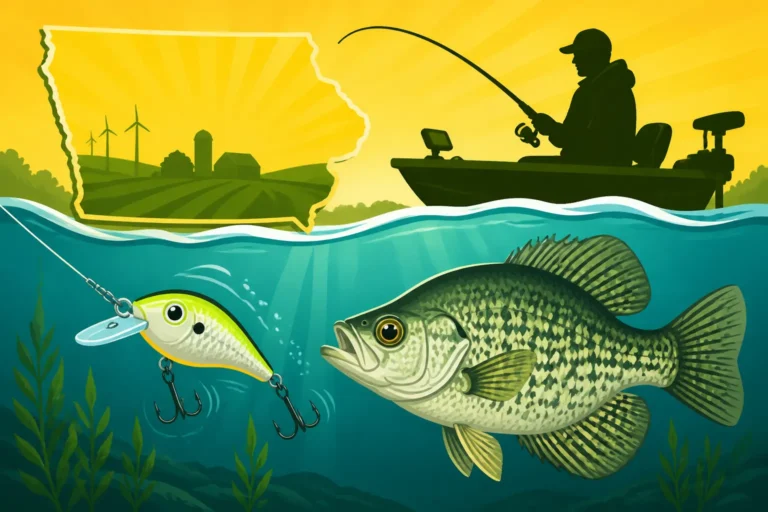
If you're looking for fast action and delicious fillets, spring crappie fishing is a true paradise in Iowa. Both black and white crappie become incredibly active as water temperatures climb into the mid-50s to low 60s Fahrenheit. They move from deeper waters into shallow, protected bays and coves with submerged cover like brush piles, downed trees, docks, and weed beds. Lakes like Rathbun Lake and Saylorville Reservoir are famous for their crappie populations, but almost any lake or larger pond with good structure can hold them.
Finding crappie in spring often means locating their preferred shallow cover. Small jigs (1/32 to 1/16 oz) tipped with tiny soft plastics, tube baits, or live minnows under a bobber are classic crappie setups. Look for brush piles near creek channels or old roadbeds. Sometimes, you'll find schools so dense they'll show up like Christmas trees on your fish finder. A crucial tip is to vary your depth until you find the active feeding zone, as crappie often suspend at a specific depth within the cover. Remember to check the Crappie and sunfish limits in Iowa before you go, as regulations can vary by water body.
Largemouth and Smallmouth Bass Awaken
As spring progresses and water temperatures hit the mid-50s and climbing, Iowa's bass species really start to wake up. Largemouth bass, commonly found in farm ponds and many of Iowa's public lakes, will move into shallow, warmer areas with plenty of cover. Think lily pads, submerged timber, weed lines, and dock pilings. Smallmouth bass, on the other hand, prefer cooler, clearer water and are often found in rocky areas of rivers (like the Cedar River or Upper Iowa River) and large lakes like those in the Iowa Great Lakes.
For largemouth, early spring often means slow presentations with jigs, spinnerbaits, or Texas-rigged soft plastics worked along cover. As the water warms towards their spawn (mid-60s), they become more aggressive, and topwater lures, crankbaits, and jerkbaits can be incredibly effective. Smallmouth bass, while sometimes caught on similar lures, often respond well to tubes, grubs, small crankbaits, and live bait like shiners or crawfish fished near rocky structure and current breaks. Identifying the Bass season and size limits is vital, especially since many anglers practice catch-and-release for these sportfish. Be mindful of their spawning beds and avoid intentionally disturbing them.
Channel Catfish: Early Season Opportunities
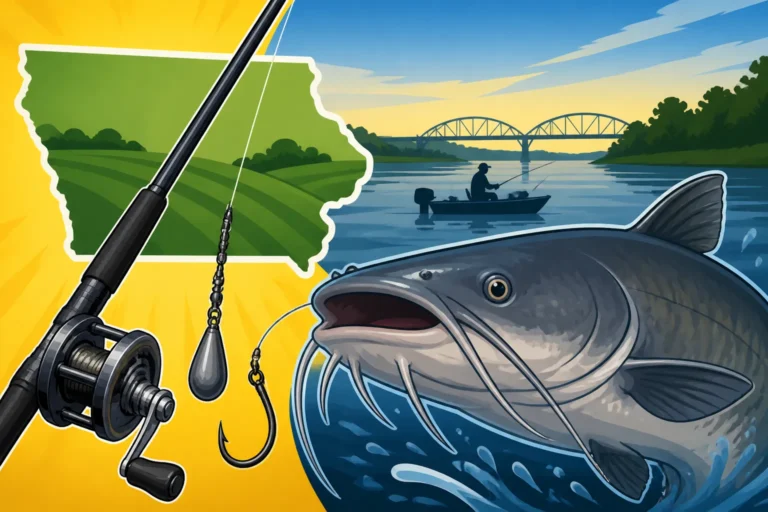
While many associate catfish with warm summer nights, channel catfish offer some surprisingly good early spring opportunities in Iowa. As ice thaws and rivers rise with snowmelt, these hardy fish begin to stir, often becoming active when water temperatures are still in the low 50s. They're looking for easy meals after a long winter and will often congregate in current breaks, deeper holes, and near the mouths of feeder creeks that are flushing in nutrients and warmer water. You can find them in virtually every major river system in Iowa, including the Iowa River, Skunk River, and the larger reservoirs.
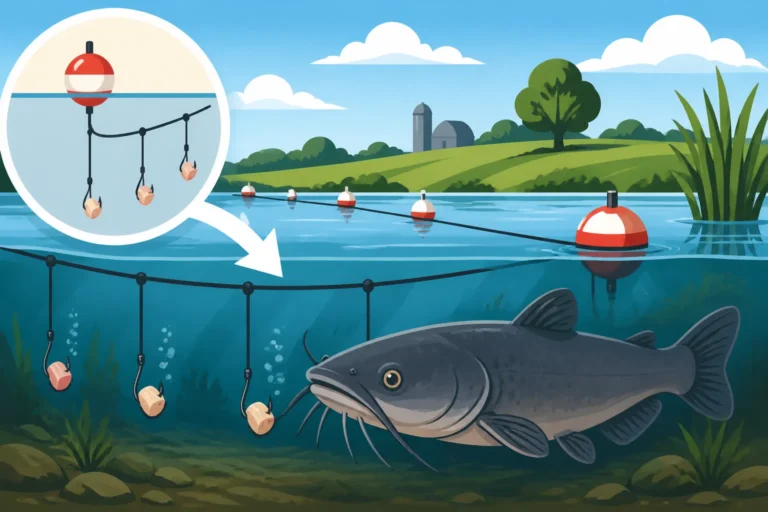
Unlike their summer patterns, early spring catfish aren't always looking for strong, smelly baits. Fresh cut bait, shad, or even large worms can be very effective. Try fishing these baits on the bottom with a simple slip-sinker rig. Look for seams where current meets slack water, or deep bends in rivers. Often, the best strategy is to anchor upcurrent from a promising spot and let your bait drift naturally into the feeding zone. While the massive flatheads might still be a bit dormant, channel catfish are eager to bite, providing consistent action. Always be sure to check the Catfish possession limits before you go, as these can vary.
Essential Spring Fishing Techniques
Spring fishing in Iowa demands a versatile approach. The rapidly changing conditions mean you need to be ready to adapt your techniques, from ultra-slow presentations to more aggressive retrieves, depending on the water temperature and fish activity.
Jigging and Slow Retrieves
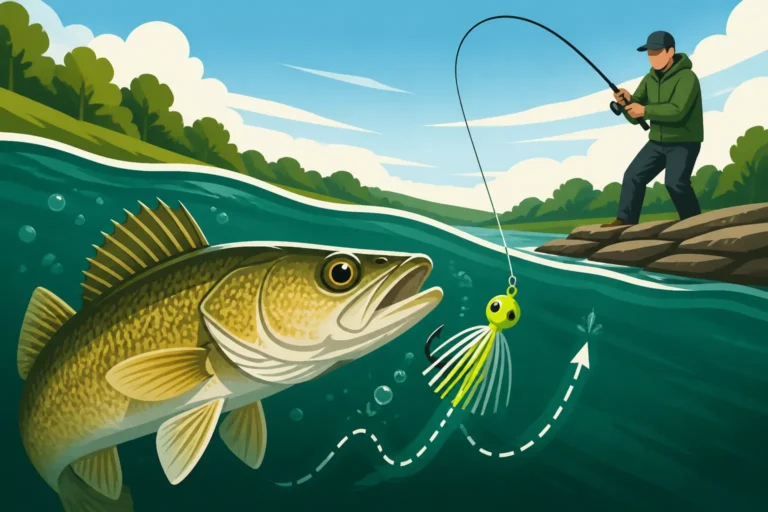
When the water is still chilly in early spring, fish metabolism is slower, meaning they're less likely to chase down a fast-moving lure. This is where jigging and slow retrieves really shine. For walleye, a 1/8 to 1/4 ounce jig head tipped with a live minnow, a soft plastic paddle tail, or a plastic grub can be deadly. The key is to barely move it, letting it sit, lightly lifting, and then letting it fall back to the bottom. Sometimes the bite is so subtle, it feels like nothing more than extra weight on your line. This technique is often effective when fishing for Walleye at Clear Lake or targeting crappie near submerged brush.
Crappie, especially in colder water, respond incredibly well to small jigs suspended under a bobber. A 1/32 or 1/16 ounce jig with a tiny tube or hair jig, allowed to slowly drift or retrieved with minuscule twitches, can elicit strikes when nothing else will. For bass, a Ned Rig, a shaky head jig, or a slow-dragged jig and pig combo can be super effective when they're still sluggish or holding tight to cover. The rule of thumb in early spring is: if you think you're fishing too slow, slow down even more. Fish aren't going to exert much energy, so bring the meal right to them.
Crankbait and Spinnerbait Tactics
As the water warms a bit more, usually into the mid-50s for walleye and bass, crankbaits and spinnerbaits become invaluable tools. These lures allow you to cover more water and mimic baitfish actively swimming. For walleye, shallow-diving crankbaits in natural colors can be trolled or cast along rocky points and flats. Focus on areas where baitfish might be congregating, such as wind-blown shorelines. A subtle wobble is often more effective than an aggressive one in cooler water.
Spinnerbaits, especially those with willow leaf blades, are excellent for covering water and fishing through sparse cover for bass. They provide flash and vibration, triggering reaction strikes. When fishing for Smallmouth Bass on the Mississippi River or in larger lakes, medium-diving crankbaits in crawfish or baitfish patterns can be productive along rocky banks and ledges. Vary your retrieve speed; sometimes a slow, steady pull is best, while other times a stop-and-go retrieve with pauses can trigger a lethargic fish. Don't be afraid to experiment with different sizes and colors, but generally, natural patterns work well in clearer water, while brighter colors might be better in stained conditions.
Live Bait Presentations
Let's face it, sometimes fish just want the real thing, especially in the cold, clear waters of spring. Live bait remains a go-to for many Iowa anglers, and for good reason: it's incredibly effective. Minnows are king for walleye and crappie. For walleye, a shiner or fathead minnow on a jig, a simple hook under a slip bobber, or trolled on a Lindy Rig can entice strikes from finicky fish. For crappie, tiny minnows fished under a small bobber near brush piles are almost irresistible.
Worms, particularly nightcrawlers, are versatile. They're excellent for catfish, bluegill, and even early-season bass. For catfish, a chunk of nightcrawler on a bottom rig is a classic. For bluegill, a small piece under a bobber can provide endless fun. Crayfish, when available, are also fantastic live bait for smallmouth bass. When using live bait, ensure it's lively and presented naturally. Keep your bait fresh and healthy; a good aerated bait bucket is essential. Remember that bait regulations can vary, so always check the Iowa Fishing Regulations Explained to ensure your live bait is legal for the waters you're fishing.
Navigating Spring Weather and Water Conditions
Spring in Iowa is a beautiful lie – one minute it's sunny and warm, the next you're dodging hailstones and battling strong winds. These rapid changes aren't just an inconvenience for anglers; they have a profound impact on fish behavior and your fishing strategy. Being prepared for anything is key to having a successful outing.
Dealing with Variable Spring Weather
One day you might be fishing in a t-shirt, the next you're bundled up in a winter jacket. This is typical Iowa spring. Cold fronts can sweep through quickly, dropping air temperatures significantly, which in turn can drop surface water temperatures. This often makes fish lethargic and pushes them deeper or into tighter cover. Conversely, a few days of warm, sunny weather can rapidly warm shallow areas, activating fish. Always check the forecast right before you head out, and then check it again!
Packing in layers is not just a suggestion; it's a necessity. A waterproof and windproof outer shell is crucial, even if it looks sunny at home. I always keep a good rain suit and extra warm layers on the boat or in my fishing backpack. A beanie, gloves, and even hand warmers can make a cold morning much more bearable. Don't let a sudden drop in temperature send you home early. Instead, adapt by slowing down your presentation, fishing deeper, or targeting protected bays where the water might be more stable. Remember to stay hydrated even on colder days, and bring warm drinks to keep your core temperature up.
Understanding Water Clarity and Flow
Spring runoff from melting snow and heavy rains often brings fluctuating water clarity and increased flow, particularly in Iowa's rivers. This can be both a blessing and a curse. Muddy water can disperse fish, making them harder to locate, and force them to rely more on their lateral lines and sense of smell than sight. However, stained water also provides cover for fish, making them feel more secure and sometimes more willing to bite during the day.
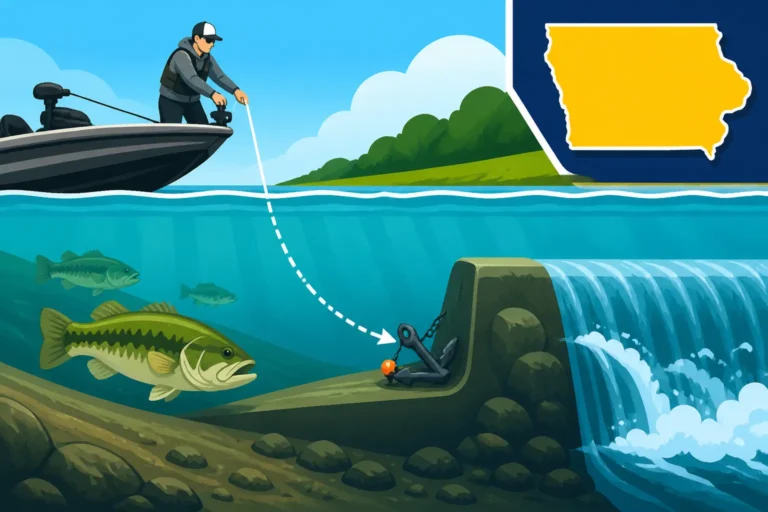
In muddy conditions, focus on using lures with strong vibrations or scents. Brighter colors like chartreuse, orange, or firetiger can also stand out better. For bait, anything smelly or oily, like cut bait for catfish, will have an advantage. In rivers, increased flow can concentrate fish in current breaks – behind wing dams (like on the Mississippi River Pool 10 Fishing areas), log jams, or slower eddies. These are prime ambush points. In clearer water, which you might find in some deeper lakes or after a period of stable weather, more natural-colored lures and finer lines are usually more effective. Pay attention to how the current affects your lure presentation; sometimes a slightly heavier jig or sinker is needed to get to the strike zone.
Reading Barometric Pressure Changes
Another often-overlooked factor in spring fishing is barometric pressure. Fish, especially predators, are sensitive to changes in atmospheric pressure. A stable, high-pressure system often corresponds with stable, good fishing. However, a rapidly falling barometer, which typically precedes a storm front, can often trigger an intense feeding frenzy as fish sense the impending change and feed aggressively. Once the storm hits and the barometer stabilizes at a low pressure, or begins to rise after a cold front, fishing can become much tougher.
Keeping an eye on a weather app that shows barometric pressure can give you an edge. If you see the pressure dropping, hit the water! This might be your best window for active bites. After a cold front moves through and the pressure is high and stable, fish often become less active and move tighter to cover or deeper. In these post-front conditions, a slow, methodical approach with subtle lures or live bait will typically outperform aggressive tactics. Understanding these subtle shifts allows you to adjust your strategy, whether it's the timing of your outing or the baits you choose, significantly increasing your chances of success.
Must-Have Spring Fishing Gear
Having the right gear for Iowa's fickle spring weather and diverse fishing opportunities is paramount. You don't need to break the bank, but a few key items will make your time on the water much more enjoyable and productive.
Rods, Reels, and Line for Spring
For most spring fishing scenarios in Iowa, versatility is key. A medium-light to medium power spinning rod, typically 6'6" to 7' long, is an excellent all-around choice. This setup is perfect for throwing light jigs for crappie, casting spinnerbaits for bass, or even working crankbaits for walleye. Match it with a 2500 or 3000 series spinning reel spooled with 6-8 lb test monofilament or fluorocarbon. Monofilament offers good knot strength and stretch for shock absorption, while fluorocarbon is nearly invisible underwater and has better sensitivity. Many anglers also opt for braided line with a fluorocarbon leader for ultimate sensitivity and casting distance. You can find a wide array of options on Amazon, from budget-friendly combos to more specialized setups.
If you're specifically targeting larger walleye in current or aggressive bass, a medium-heavy casting rod with a baitcasting reel spooled with 10-15 lb fluorocarbon or braided line offers more power and control for heavier lures and stronger fish. It’s all about matching your gear to the target species and technique. For example, if you plan on focusing heavily on trout fishing streams in Northeast Iowa, a lighter, more sensitive rod might be preferred. Always check your line for nicks and abrasions, especially after a winter of storage, as spring snags are common.
Lures and Baits for Different Species
Your tackle box should reflect the diverse opportunities of spring fishing. For walleye, jigs (1/8 to 1/4 oz) in white, black, or chartreuse are staples, often tipped with a minnow or soft plastic. Small crankbaits (diving 5-10 feet) in natural baitfish patterns (perch, shiner) or bright colors are also essential. For crappie, an assortment of 1/32 to 1/16 oz tube jigs, hair jigs, or small paddle tail plastics in colors like black and chartreuse, white, or smoke will cover most situations. Live minnows are also a must-have for crappie and walleye.
Bass anglers will want a selection of spinnerbaits (1/4 to 1/2 oz), shallow-diving crankbaits, jigs, and soft plastics (worms, creature baits, tubes) in various colors. For catfish, fresh cut bait, nightcrawlers, and stink baits are all effective. Don't forget terminal tackle: hooks (jig hooks, circle hooks, treble hooks), sinkers (bullet, egg, split shot), swivels, and bobbers (slip bobbers are incredibly versatile). Having a good selection means you can adapt to what the fish are biting on that day. Many anglers stock up on their favorite brands through online retailers like Amazon, ensuring they have a fresh supply for the season.
Layered Clothing and Safety Gear
Beyond your fishing specific gear, your personal clothing and safety equipment are arguably the most important items for spring fishing in Iowa. As mentioned, layered clothing is non-negotiable. Start with a moisture-wicking base layer, add insulating fleece or wool layers, and top it off with a waterproof and windproof jacket and pants. Good quality waterproof boots are also essential, especially for wading or dealing with muddy banks.
Safety equipment should always be a priority, particularly on cold spring waters. A properly fitted personal flotation device (PFD) or life jacket is not just recommended; it's often legally required, especially for younger anglers, and a lifesaver if you accidentally go overboard in cold water. Other essential safety items include a first-aid kit, a whistle, a charged cell phone in a waterproof case, and basic navigation tools if you're exploring new areas. If boating, ensure you have all the required safety equipment for Iowa boats, including lights, fire extinguishers, and throwable devices. Cold water shock is a real danger, so never take chances, especially when fishing alone or in remote locations.
Prime Spring Fishing Locations in Iowa
Iowa offers an incredible variety of fishing environments, and spring unlocks prime opportunities across the state. Knowing where to focus your efforts can make a huge difference in your spring fishing success.
Great Lakes and Large Reservoirs
Iowa's "Great Lakes" region, including West Okoboji Lake, East Okoboji Lake, and Spirit Lake, are iconic spring fishing destinations. After ice-out, these deep, clear lakes can offer fantastic walleye and yellow bass action on points and transitions, especially as water temperatures rise. Early crappie and perch can also be found in protected bays. Understanding the Fishing Regulations at the Iowa Great Lakes is important, as they can have unique rules. Large reservoirs like Rathbun Lake, Saylorville Reservoir, Coralville Reservoir, and Red Rock Reservoir are also prime spring spots. Rathbun is renowned for its crappie, especially in brushy coves. Saylorville and Coralville can offer excellent early season walleye and white bass runs, while Red Rock is a solid bet for catfish.
When fishing these larger bodies of water, focus on areas that warm up first: shallow, dark-bottomed bays, northern shorelines, and main lake points that absorb sunlight. Also, pay attention to current areas created by inflows or wind, as these can concentrate baitfish and predators. Boat ramps might be busy, so consider weekday trips if possible. Exploring these vast waters means covering a lot of ground, and sometimes a guided trip can help you quickly locate productive spots.
Rivers and Smaller Lakes
Iowa's extensive river systems also come alive in spring. The Mississippi River, forming Iowa's eastern border, is a world-class fishery, offering walleye, sauger, smallmouth bass, and diverse panfish. Anglers often target wing dams, current seams, and backwaters in pools like Mississippi River Pool 9 Fishing or Pool 12 Fishing below Dubuque. Smaller rivers like the Des Moines River, Cedar River, and Skunk River offer excellent opportunities for channel catfish, smallmouth bass, and even some early walleye in their lower stretches. Current breaks, deep holes, and feeder creek mouths are key targets on rivers.
Don't overlook Iowa's numerous smaller public lakes and county ponds. These often warm up faster than the larger bodies of water and can provide incredible early-season action for crappie, bluegill, and largemouth bass. Many of these lakes are regularly stocked by the Iowa DNR. Look for shallow bays with submerged vegetation, old roadbeds, or brush piles. Shore fishing access Near Des Moines and other urban centers is often excellent at these smaller lakes, making them perfect for a quick spring outing. Remember that flow and clarity can change quickly on rivers, so always check conditions before heading out.
Trout Streams in Northeast Iowa
For those who love the chill of clear, flowing water and the thrill of a hard-fighting fish, northeast Iowa's coldwater trout streams are an absolute spring gem. These picturesque streams, often nestled in stunning valleys, are home to wild brown trout and stocked rainbow trout. The Iowa DNR maintains a robust trout stocking program, ensuring good opportunities throughout the spring. Areas near Decorah, Backbone State Park, and Manchester are particularly popular. You'll want to check the Iowa Spring Trout Stocking Strategy to see which streams are being stocked and when.
Fly fishing for trout in Iowa streams is a popular and rewarding pursuit, using techniques like nymphing or dry fly fishing as insects become active. Spin anglers can also find success using small inline spinners, spoons, or live bait like worms or corn. The key to trout fishing is stealth and precision. Approach pools and runs carefully, and make accurate casts. Remember, a special Iowa Trout Fishing Fee and Stamp Guide is required to fish these waters, in addition to your regular fishing license. Always practice catch-and-release, especially for wild trout, to help preserve these precious populations.
Spring Fishing Regulations and Best Practices
Fishing in Iowa is a privilege that comes with responsibility. Understanding and adhering to regulations, and practicing ethical angling, ensures that these precious resources remain vibrant for generations to come.
Understanding Season Openers and Limits
Iowa has specific fishing seasons, size limits, and daily bag limits for various species. While many panfish and catfish are open year-round, species like walleye and bass often have specific dates when their seasons open or when certain harvest regulations apply. For instance, the Iowa Walleye season opening day might be a big event for some lakes, with specific minimum length limits and daily bag limits. Similarly, the Iowa Bass season dates can vary, and sometimes there are slot limits that require you to release fish within a certain size range.
Before every spring trip, it's your responsibility to consult the current Iowa Fishing Regulations Explained booklet or the Iowa DNR website. Regulations can change annually, and what was legal last year might be different this year. Pay close attention to county-specific or lake-specific rules, as these can differ from statewide regulations. Ignorance of the law is no excuse, and fishing without a valid license or exceeding bag limits can result in fines and other penalties. Being well-informed is the first step to being a responsible angler.
Respecting Spawning Fish
Spring is the time of year when many fish are most vulnerable due to their spawning activities. While fishing during the spawn is often legal (unless a specific closed season is in effect), it's important to approach it ethically. Fish on spawning beds are often aggressive and easy to catch, but repeatedly catching and releasing them can cause stress, deplete their energy reserves, and even lead to nest abandonment, impacting future generations.
If you encounter actively spawning fish, particularly bass on visible beds, consider moving to another area or targeting a different species. If you do catch a spawning fish, handle it gently, quickly, and release it immediately with minimal stress. Avoid disturbing nests or wading directly through spawning areas. Practicing responsible angling ensures that these fish have the best chance to successfully reproduce, contributing to healthy fish populations for years to come. It’s about more than just catching fish; it’s about being a steward of the environment.
Conservation and Ethical Angling
Beyond legal requirements, ethical angling practices are crucial for sustainable spring fishing. This includes properly handling fish you intend to release, minimizing your impact on the environment, and being respectful of other anglers and landowners. When releasing fish, wet your hands before handling to protect their protective slime coat, support their body horizontally, and revive them gently until they swim away strongly. Consider using single, barbless hooks for easier release, especially for trout or if you're practicing catch-and-release for species like muskie.
Always "pack it in, pack it out," ensuring no trash or discarded fishing line is left behind. Fishing line can be deadly to wildlife, so dispose of it properly. Be mindful of private property boundaries when accessing public waters, and always ask for permission if you're unsure. Report any suspicious activities or fishing violations to the Iowa DNR. By following these principles, you not only contribute to a healthier fishery but also set a positive example for others, ensuring that the joy of Iowa fishing can be experienced by all.
Maximizing Your Spring Fishing Success
Spring fishing in Iowa, with all its quirks and challenges, can be incredibly rewarding. To consistently find success, it's not just about luck; it's about preparation, adaptability, and a willingness to learn.
Pre-Trip Planning and Scouting
Successful spring fishing often begins long before you even cast a line. Thorough pre-trip planning can put you miles ahead. Start by researching your chosen body of water. Use resources like the Iowa Fishing Atlas Access Points online to identify public access, boat ramps, and potential fish habitat. Look for online fishing reports or local bait shop intel, as these can provide real-time updates on water temperatures, clarity, and recent catches. Pay attention to historical data for the time of year you plan to fish – when did ice-out occur last year? When did the crappie bite really turn on?
Scouting, if possible, is another game-changer. Take a drive to the lake or river you plan to fish. Look for visual cues: water color, current flows, areas with warmer-looking water (like shallow, dark-bottomed bays), and signs of baitfish activity. If you have a boat with a fish finder, use it to map out contours, submerged structure, and bait concentrations before you even start fishing. This proactive approach saves you valuable fishing time and helps you pinpoint productive areas faster. For anglers who can't get out on the water to scout, reviewing satellite imagery on tools like Google Maps can also reveal hidden coves, channels, and structure.
Adaptability on the Water
Even the best-laid plans can go awry in spring, which is why adaptability is arguably the most crucial trait for a successful angler. The weather can change in an instant, water conditions can fluctuate, and fish can be incredibly unpredictable. Don't get stuck on one technique or one spot if it's not producing. If your crankbaits aren't getting bit, switch to a slow-presentation jig. If the shallow bite dies, try moving to slightly deeper water or a different type of cover.
Pay close attention to what the fish are telling you. Are they biting aggressively, or are the bites light and subtle? Is the baitfish scattering, or are they schooled tight? Even small details like the depth of your bites, the color of your lure, or the retrieve speed can make a huge difference. Be willing to experiment with different baits, depths, and retrieval patterns until you unlock the pattern for that specific day. Sometimes, just a slight adjustment, like swapping a curly tail grub for a paddle tail on your jig, can turn a slow day into a banner one.
Post-Trip Reflection and Learning
The learning doesn't stop when you leave the water. Taking the time to reflect on your trip, whether successful or not, is invaluable for improving your skills. Ask yourself: What worked today? Why do I think it worked? What didn't work, and what might I have done differently? Did the weather play a role? Was the water temperature what I expected? Keep a fishing journal to record conditions, locations, techniques, and results. This data can become incredibly valuable over time, helping you identify patterns and make better decisions on future trips.
Discuss your experiences with other anglers, join local fishing forums, or watch online tutorials. Every trip is a learning opportunity. The more you analyze your experiences and seek out new knowledge, the better equipped you'll be to tackle the ever-changing conditions of Iowa's spring fishing seasons. This continuous cycle of planning, executing, adapting, and reflecting is what separates consistently successful anglers from those who only occasionally find luck.
Disclaimer
The information provided in this guide is for informational purposes only and should not be considered legal advice. Fishing regulations in Iowa are subject to change, and it is the sole responsibility of each angler to consult the most current Iowa Department of Natural Resources (DNR) fishing regulations before engaging in any fishing activities. Always prioritize safety and adhere to all local, state, and federal laws and guidelines.