Best Spots for Bass on Coralville Lake
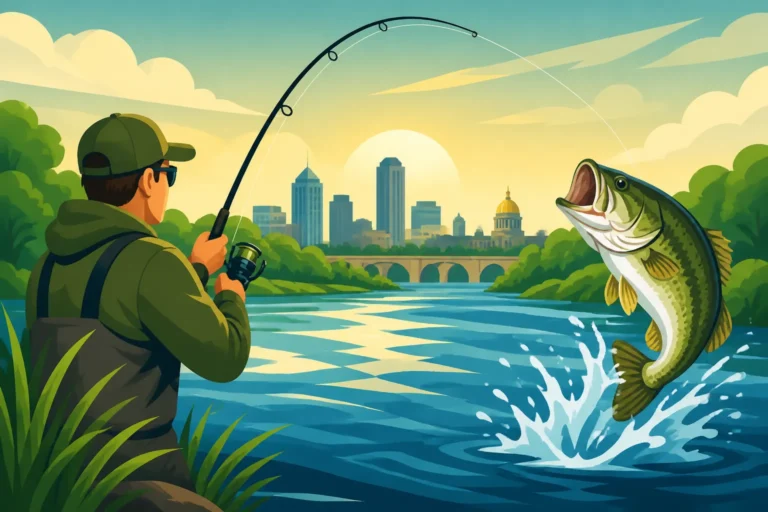
Finding those prime bass hideouts on a large, diverse body of water like Coralville Lake can feel like searching for a needle in a haystack, especially when you're just looking for that perfect spot where the largemouth or smallmouth are really biting. It’s frustrating to spend hours covering water without a nibble. This guide is designed to cut through that frustration, offering you detailed insights into the best bass fishing spots on Coralville Lake, what makes them tick, and how to approach them for a successful day on the water.
Understanding Coralville Lake's Bass Habitat
Coralville Lake, a U.S. Army Corps of Engineers flood control reservoir on the Iowa River just north of Iowa City, isn't your typical natural lake. Its fluctuating water levels and diverse underwater topography create a dynamic environment that bass absolutely love. Understanding why bass choose certain areas is key to consistently finding them, rather than just blindly casting into every cove. It's about thinking like a bass and knowing what they need at different times of the year.
The Layout and Structure of Coralville Lake
When you first look at a map of Coralville Lake, you'll notice it's long and winding, more like a flooded river valley than a round basin. This means it's packed with old river channels, submerged timber, rock piles, and points that were once hillsides. These features are goldmines for bass. Largemouth bass, known for their preference for cover, will often be found nestled in brush piles, under submerged trees, or alongside weed edges. Smallmouth bass, on the other hand, tend to prefer harder bottoms, rocky structures, and current, making the old river channels and rockier points more appealing to them.
The Iowa River itself still flows through the lake, creating subtle current breaks and deeper channels that can hold bass, especially when the water is higher. Don't underestimate the power of these old river bends and submerged creek channels; they act like highways for baitfish and predators alike. Areas where these channels intersect with other forms of structure, such as an old roadbed or timber stand, are particularly productive. The variability in depth, from shallow flats to sudden drop-offs, also creates a diverse range of conditions that can appeal to different bass at different times of the day or year.
Seasonal Bass Movements and Key Features
Just like us, bass have their routines, and these routines are heavily dictated by the seasons and water temperature. Knowing where they're likely to be during spring, summer, fall, and winter is crucial.
- Spring: As the water warms up, bass move into shallower coves and flats, especially those with northern exposure that warm faster. They're looking for spawning grounds. Think submerged bushes, deadfall, and shallow pockets with some protective cover. During this pre-spawn period, they're aggressively feeding, trying to pack on weight for the spawn. After they spawn, they’ll often hang around these areas for a bit, recovering, before moving to slightly deeper, but still cover-rich, areas. You'll want to pay close attention to the Spring Fishing in Iowa guide for more detailed tactics this time of year.
- Summer: When the scorching Iowa summer arrives, bass typically move to deeper water during the day, seeking cooler temperatures and more stable oxygen levels. They'll relate to offshore structure like humps, ledges, and deep points, or seek refuge in the shade of dense timber or docks in shallower areas during low-light conditions (dawn, dusk, cloudy days). They often follow baitfish schools into these deeper zones.
- Fall: As temperatures drop, bass start their fall feed, trying to fatten up for winter. They often move back into shallower areas, especially those near deeper water access, chasing schools of shad or other forage fish. Main lake points, creek mouths, and the backs of c coves can be excellent as baitfish move in. This is a fantastic time for aggressive topwater and reaction baits.
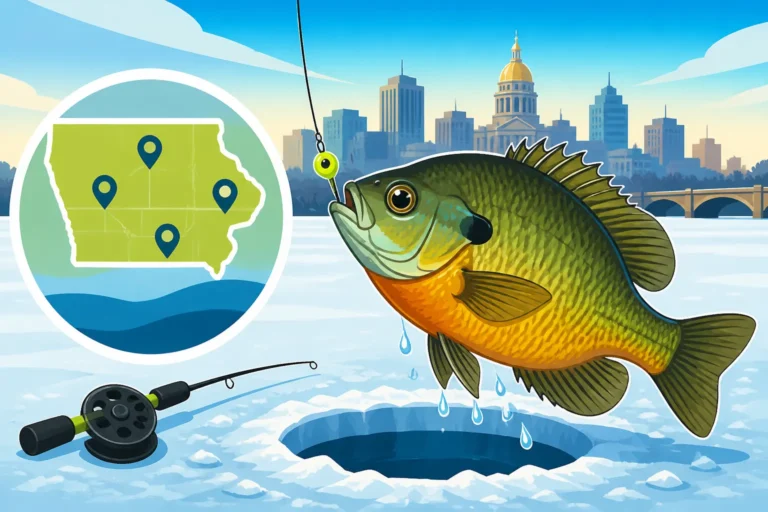
- Winter: Ice fishing for bass isn't as common on Coralville Lake due to variable ice conditions, but if safe ice forms, bass will be found in deeper holes, often near the old river channel or distinct underwater structure. They become less active, but a slow-fished jig or spoon can still entice a bite. Remember to check local ice conditions carefully, as safety is paramount.
Top Bass Fishing Hotspots on Coralville Lake
Coralville Lake offers a variety of compelling locations for bass anglers. While bass can be found almost anywhere with cover and forage, some areas consistently produce better results due to their unique structural makeup. These are the spots where you’ll typically find the most action.
The Northern Arm and River Channels
The northern arm of Coralville Lake, particularly where the Iowa River first enters the main body of water, is a fantastic area for both largemouth and smallmouth bass. The river channel itself provides deeper water and consistent flow, which smallmouth in particular tend to favor. Look for areas where the channel bends, or where smaller creek channels feed into it. These spots often have current breaks that collect baitfish, creating prime ambush points for bass.
Along the banks of this northern stretch, you'll find a mix of rocky outcrops, submerged timber, and brushy banks. These provide excellent cover for largemouth. During higher water periods, shallow, flooded timber in these upper reaches becomes incredibly productive. Pitching jigs or Texas-rigged plastics into the thickest cover can yield big results. It's also worth noting that the fluctuating water levels mean that what was a shallow flat one week could be a productive submerged hump the next. Always keep an eye on water levels and adjust your approach. Consulting a local fishing guide or checking out resources like FishingBooker can help you find someone who knows the lake's ever-changing dynamics firsthand.
Timbered Coves and Rocky Points
Coralville Lake is renowned for its abundant timber, a legacy of the flooded river valley it once was. Many coves throughout the lake are choked with submerged trees, standing timber, and brush piles – a bass angler's dream. These timbered coves offer shelter, shade, and ambush points for largemouth bass, especially during the warmer months. Focus on the edges of these timber stands, as well as any isolated clumps of trees within a cove. Flipping and pitching techniques are absolutely essential here.
Rocky points that extend into deeper water are another major draw, particularly for smallmouth bass but also for opportunistic largemouth. These points offer quick access to deep water, providing thermal refuge and a place to intercept baitfish moving along the main lake. Look for points that have a mix of rock sizes, from gravel to larger boulders, and those that drop off sharply. Crankbaits, jerkbaits, and finesse techniques like shaky heads can be deadly when fished around these rocky structures. These areas can be especially good during the spring and fall transitions.
Marina and Causeway Areas
Man-made structures often create excellent fish habitat, and Coralville Lake's marina and causeway areas are no exception. The Coralville Dam itself, and the surrounding structures, create unique fishing opportunities. While fishing directly off the dam is often restricted, nearby areas benefit from the concentrated structure and current.
The causeways, such as the one crossing the mid-lake region (e.g., Highway 965 bridge), provide long stretches of riprap and bridge pilings that attract baitfish and, consequently, bass. These areas offer both cover and current, making them productive year-round. Crankbaits, spinnerbaits, and jigs fished parallel to the riprap or pitched around the pilings can be very effective.
The Coralville Lake Marina area also provides docks, boat slips, and other submerged man-made structures that offer abundant shade and cover. Flipping jigs or skipping soft plastics under docks are classic tactics here. The structure also creates a unique micro-habitat that can hold bass when other areas are slow. It’s always a good idea to approach these areas cautiously, as they are often busy with recreational boat traffic.
Here's a quick summary of some prime bass fishing spots:
| Area Type | Key Features | Primary Bass Species | Best Seasons | Recommended Lures/Techniques |
|---|---|---|---|---|
| Northern Arm/River | Old river channels, submerged timber, brushy banks | Largemouth, Smallmouth | Spring, Fall, Summer (early/late) | Jigs, Texas Rigs, Spinnerbaits |
| Timbered Coves | Dense submerged trees, brush piles | Largemouth | Spring, Summer, Fall | Flipping Jigs, Soft Plastics, Frogs |
| Rocky Points | Gravel to boulder bottoms, sharp drop-offs | Smallmouth, Largemouth | Spring, Fall, Summer (deep) | Crankbaits, Jerkbaits, Shaky Heads |
| Causeways/Bridges | Riprap, bridge pilings, current breaks | Largemouth, Smallmouth | Year-round | Spinnerbaits, Jigs, Crankbaits |
| Marina Areas | Docks, boat slips, man-made cover | Largemouth | Summer, Fall | Skipping Jigs, Wacky Worms, Frogs |
Essential Techniques and Tackle for Coralville Lake Bass
Having the right gear and knowing how to use it are just as important as knowing where to go. Coralville Lake's varied structure and bass species demand a versatile approach to tackle and techniques. Don't be afraid to experiment! What works one day might not work the next, especially with fluctuating water levels and changing weather patterns.
Lures and Baits for Different Conditions
The key to success on Coralville Lake is having a diverse tackle box ready for anything.
- Soft Plastics: These are arguably the most versatile baits for bass on Coralville. Texas-rigged worms, creature baits, and senkos are phenomenal for pitching into heavy cover, fishing around timber, or working slow on rocky points. Brands like Gary Yamamoto Custom Baits' Senkos or Zoom Bait Company's Trick Worms are staples. A Carolina rig can be particularly effective on deeper points or submerged humps where smallmouth are present.
- Jigs: Flipping and pitching jigs (like a Berkley PowerBait Power Jig or a Strike King Hack Attack Jig) are deadly in the timbered coves and brush piles. Pair them with a craw or creature bait trailer for added bulk and action. Football jigs are excellent for dragging on rocky bottoms and main lake points, mimicking crawfish.
- Crankbaits and Jerkbaits: For covering water quickly and targeting bass on main lake points, riprap, or ledges, crankbaits are fantastic. Square bills shine in shallower, timbered areas, while deeper diving crankbaits are essential for those summer bass holding offshore. Jerkbaits are phenomenal for smallmouth, especially in cooler water or around rocky structure, offering an erratic, wounded baitfish presentation.
- Spinnerbaits and Bladed Jigs: When bass are active and water has some stain, spinnerbaits (like a Booyah Pond Magic) are hard to beat for covering shallow to medium depths around timber and grass. Bladed jigs (e.g., Z-Man ChatterBait) offer a similar vibration and flash but with a different profile, often excelling around laydowns and deeper grass lines.
- Topwater Lures: During low-light conditions (early morning, late evening) or on cloudy days, topwater action can be explosive. Frogs are excellent over matted vegetation in shallow coves, while poppers and walking baits excel around docks, sparse cover, and main lake points. Nothing beats the thrill of a bass blowing up on a topwater lure! To learn more about selecting the right gear, check out our comprehensive Iowa Fishing Gear Guide.
Seasonal Strategies for Success
Matching your technique to the season and typical bass behavior will drastically improve your catch rates.
- Spring: During pre-spawn, focus on shallow, warming flats and pockets using spinnerbaits, bladed jigs, and shallow-diving crankbaits to locate active fish. Once the spawn hits, switch to slower presentations like weightless worms or jigs pitched into visible cover where bass are bedding. Remember, bass are protecting their nests, so a well-placed bait can trigger a strike. For specific details on bag limits and seasons, our Iowa Fishing Season Dates and Limits guide is invaluable.
- Summer: As bass move deeper, focus on offshore structure like ledges, humps, and deep points with deep-diving crankbaits, football jigs, or Carolina rigs. In the mornings and evenings, bass will often push baitfish into shallower timbered coves or under docks, making topwater frogs, jigs, and senkos effective.
- Fall: The fall feeding frenzy makes bass very aggressive. Main lake points, creek mouths, and areas with schooling baitfish are prime targets. Use lipless crankbaits, spinnerbaits, and jerkbaits to mimic fleeing baitfish. If the water cools significantly, bass will start to relate more to deep timber and rocky transitions.
- Winter: If conditions allow for ice fishing, very slow presentations are key. Vertical jigging small spoons or soft plastics near deep structure or the old river channel can tempt lethargic bass. Be mindful of Ice Fishing Safety on Iowa Lakes before venturing out.
Navigating Coralville Lake Safely and Effectively
A successful day on Coralville Lake isn't just about catching fish; it's also about having a safe and enjoyable experience. The lake's size and changing conditions mean you need to be prepared and knowledgeable about its access points and regulations.
Access Points and Boat Ramps
Coralville Lake offers several public boat ramps and access points, making it fairly easy to launch your boat or find shore fishing opportunities. Some of the most popular ramps include:
- Mehaffey Bridge Recreation Area: Located on the north side of the lake, offering good access to the northern arm and river channel areas. It's a popular spot and usually has plenty of parking.
- Sandy Beach Road Boat Ramp: Another northern access point, providing proximity to various coves and points.
- Dam Complex Area: While fishing directly off the dam is often restricted, there are access points in the vicinity that lead to shore fishing areas and offer boat ramp access to the lower lake section.
- Sugar Bottom Recreation Area: On the eastern side, this area provides access to numerous coves and timbered areas.
Always check the current water levels before heading out, as low water can impact ramp usability. The Iowa DNR's website or local bait shops are excellent resources for up-to-date information on ramp conditions. If you're planning a trip with a guide, services like FishingBooker can help you find experienced captains who know the best launch points for current conditions and target species. For a broader look at public access, our guide to the Iowa Fishing Atlas Access Points can be very helpful.
Understanding Lake Conditions and Regulations
Coralville Lake, being a flood control reservoir, can experience significant water level fluctuations. This impacts everything from fish location to navigational hazards. Always be aware of submerged stumps, rocks, and shallow areas, especially during lower water. A good quality depth finder is invaluable here for safely navigating and locating fish-holding structure.
Beyond navigation, it's crucial to be aware of all the local and state fishing regulations. Iowa has specific rules regarding catch limits, size restrictions, and fishing methods for different species. For instance, knowing the Bass Season and Size Limits for Coralville Lake is non-negotiable. Always consult the current Iowa Fishing Regulations booklet, available online or at license vendors. If you're new to boating or have younger anglers in your group, understanding Boater Education Requirements for Young Anglers is also vital for safety.
Additionally, pay attention to weather forecasts. Large bodies of water like Coralville Lake can become rough quickly with strong winds, making boating hazardous. Always carry all required safety equipment, including life jackets for everyone on board, and let someone know your float plan. Being prepared ensures a much more relaxing and successful fishing trip.
Disclaimer
Please note: Fishing conditions and regulations can change frequently. Always consult the latest Iowa Department of Natural Resources (DNR) regulations before heading out. This guide provides general information and recommendations, and while we strive for accuracy, individual results may vary. Practice safe boating and fishing at all times.