Rathbun Lake Crappie Hotspots
There's nothing quite like the thrill of chasing crappie, especially on a lake as vast and dynamic as Rathbun Lake here in Iowa. Many anglers, even seasoned ones, find themselves scratching their heads, wondering where these elusive panfish are hiding, especially when the lake is sprawling and the conditions change. This guide is dedicated to cutting through that confusion, pinpointing the best crappie hotspots on Rathbun Lake and equipping you with the knowledge to consistently fill your livewell.
Understanding Rathbun Lake's Crappie Dynamics
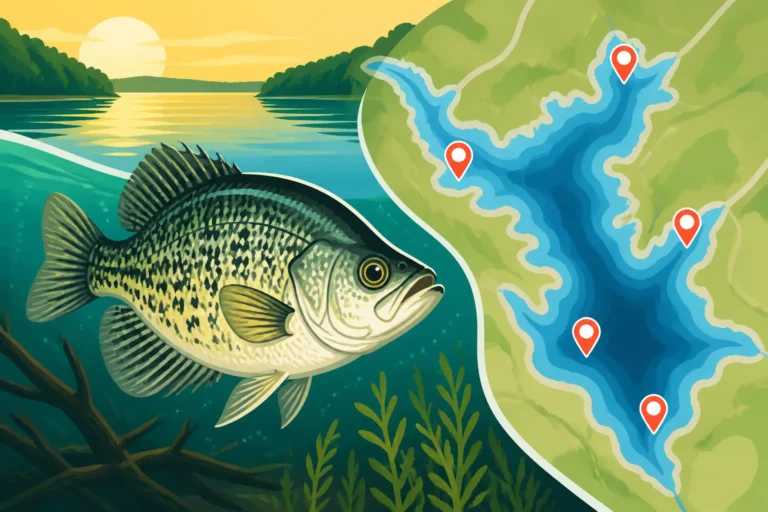
Rathbun Lake, often dubbed "Iowa's Ocean" due to its impressive size of over 11,000 acres, is a premier crappie destination. But its sheer scale can be intimidating. To truly conquer crappie fishing here, you need to understand the fish themselves, as well as the unique underwater topography and habitat that Rathbun offers. It's not just about dropping a line; it's about understanding the crappie's world.
The Crappie Species in Rathbun: Black vs. White
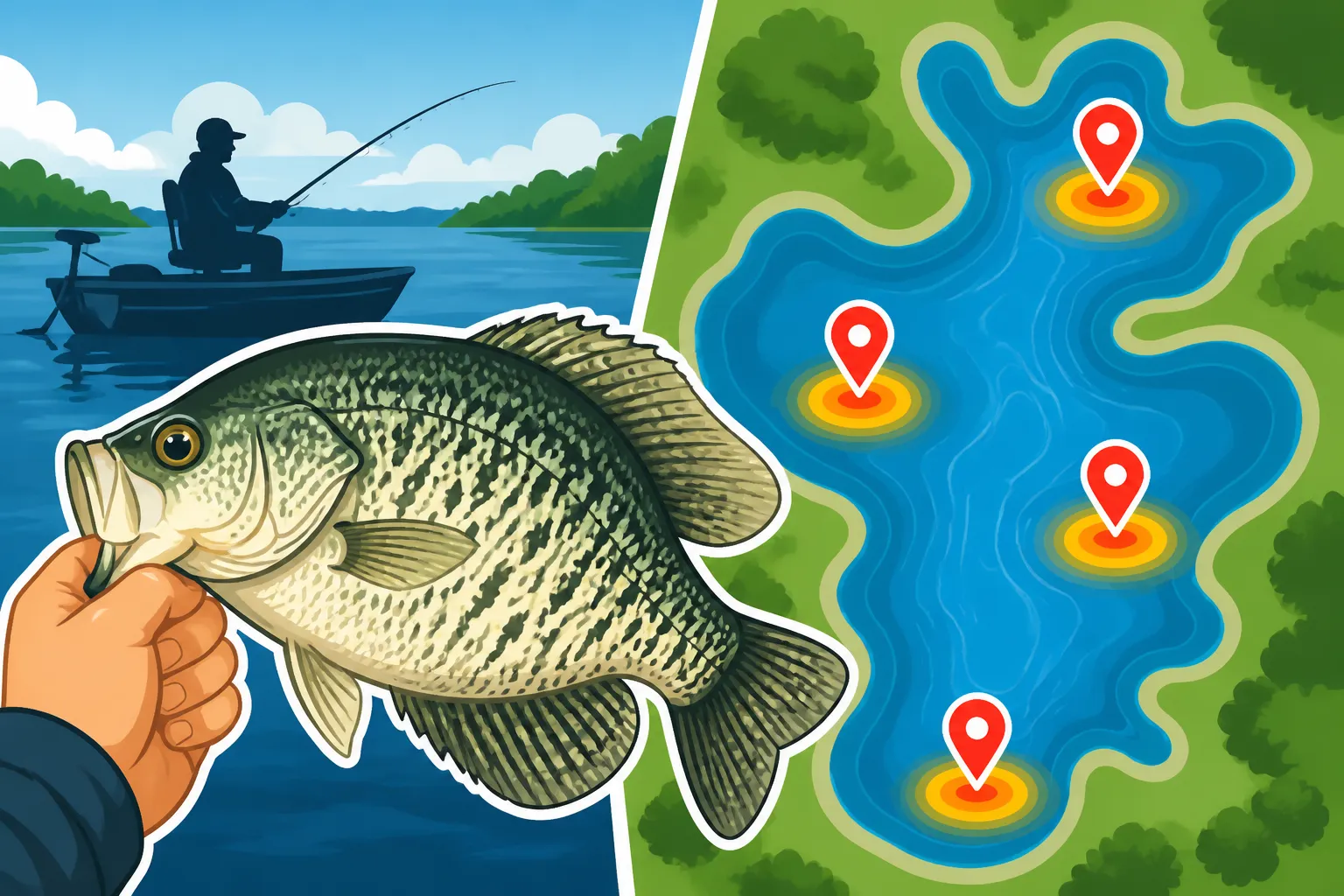
While many anglers just call them "crappie," Rathbun Lake is home to both black crappie and white crappie. Knowing the difference, and understanding their subtle habitat preferences, can give you a significant edge. They often coexist, but certain conditions or structures might favor one over the other. Black crappie tend to prefer clearer water and more complex, dense cover, such as thick brush piles or submerged timber. They'll often be found in areas with good aquatic vegetation, if present.
White crappie, on the other hand, are a bit more tolerant of murkier water and tend to school more openly, often associating with less dense cover like standing timber, creek channels, or even riprap. They're also often found in the main lake basins or along defined contour lines. While both are fantastic eating and aggressive biters, keeping an eye on water clarity and the specific type of cover can sometimes hint at which species you're more likely to encounter. Successfully targeting the two species on Rathbun Lake means adjusting your presentation and location slightly.
Here's a quick comparison to help you differentiate them:
| Feature | Black Crappie | White Crappie |
|---|---|---|
| Dorsal Fin Spines | 7-8 strong spines | 5-6 strong spines |
| Body Shape | Deeper, more "sunfish-like" | More elongated, "torpedo-like" |
| Markings | Irregular black speckles, often banded | 7-9 distinct vertical bars or stripes |
| Habitat Preference | Clearer water, dense vegetation, complex cover | More tolerant of murky water, open cover, channels |
| Mouth | Slightly smaller mouth | Slightly larger mouth |
Rathbun Lake's Structure and Its Impact on Crappie
Rathbun Lake is a flood control reservoir, which means its underwater landscape is diverse and ever-changing. The original Chariton River channel snakes through the lakebed, creating deep troughs and bends that are magnets for crappie, especially during certain times of the year. Beyond the river channel, you'll find numerous submerged roadbeds, old farm ponds, and timber lines from when the land was flooded. These features offer crucial ambush points and protection for crappie.
The lake also features extensive standing timber, especially in its upper reaches and major arms. These "crappie trees" are iconic on Rathbun and provide vertical structure that crappie absolutely adore. Understanding these structural elements – from the subtle changes in depth along a contour to the dramatic drops of the old river channel – is paramount. Crappie are structure-oriented fish, and Rathbun's underwater topography gives them plenty of places to hide, feed, and spawn. Knowing where these structures are, often with the help of good sonar or detailed contour maps, is half the battle.
Understanding Crappie Behavior and Habitat Preferences
Crappie are masters of adaptation, and their behavior changes significantly with water temperature, forage availability, and spawning cycles. In early spring, as water temperatures nudge into the upper 40s and low 50s, crappie start to move from their deeper wintering holes into shallower prespawn staging areas. They'll often hold near the mouths of creeks or on primary points leading into spawning coves, gathering strength before moving into the really shallow stuff.
During the spawn, which typically occurs when water temperatures hit the mid-60s, crappie will fan out into shallow bays, around submerged brush, and along shorelines with woody debris. After the spawn, they begin to transition to deeper, more comfortable water, often suspending over creek channels or schooling around the thermocline if one forms. In fall, they once again become aggressive feeders as they bulk up for winter, often moving shallower to ambush baitfish before retreating to deep, stable structures for the coldest months. Mastering these seasonal shifts in crappie behavior is key to consistent success on Rathbun Lake.
Top Crappie Hotspots on Rathbun Lake
Rathbun Lake is enormous, and trying to find crappie by simply cruising around can be like looking for a needle in a haystack. The trick is to focus your efforts on areas known for consistently holding fish. These hotspots aren't secrets to the seasoned locals, but they require a bit of effort to locate and understand. Each type of spot offers unique opportunities, depending on the time of year and the prevailing conditions.
Submerged Timber and Brush Piles
One of the absolute best crappie hotspots on Rathbun Lake, year-round, is submerged timber. When the lake was impounded, countless trees were left standing or fell into the water, creating an underwater forest. These trees, especially those with numerous branches and limbs, are crappie magnets. The fish use them for cover from predators, ambush points for baitfish, and shelter from strong sunlight or adverse weather conditions. You'll often find slabs suspended right in the branches or nestled tight to the trunks.
Dedicated anglers and the Iowa Department of Natural Resources have also sunk numerous artificial brush piles throughout the lake. These "crappie condos" are intentionally placed to create habitat and concentrate fish, making them prime targets. Using your sonar, look for dense Christmas tree-like structures or large piles of wood. Once you find them, fish them thoroughly, dropping jigs or live minnows right into the thickest part of the cover. Remember, crappie will often be buried deep within these structures, so a careful, vertical presentation is usually most effective. You can often find maps or GPS coordinates for some of these public brush piles through the Iowa DNR's fishing atlas.
Creek Channels and River Bends
The old Chariton River channel, along with the numerous smaller creek channels that feed into Rathbun Lake, are vital crappie highways. These channels provide deeper water access and current breaks, making them prime locations for crappie to travel, stage, and feed, especially during transitional periods like spring and fall. Crappie will often position themselves along the edges of these channels, particularly where there's a significant drop-off or an abrupt bend.
During the cooler months, crappie will often congregate in the deeper sections of these channels, while in spring, they use them as routes to move towards shallower spawning grounds. Look for areas where the channel intersects with other forms of structure, such as a submerged roadbed, a standing timber line, or even a main lake point. These intersections create ideal ambush points. Trolling crankbaits along these channel edges or vertically jigging over brush piles located within the channel bends can be incredibly productive. For more insights on where to catch crappie at Rathbun Lake, understanding these deep-water routes is key.
Main Lake Points and Deep Water Access
Main lake points are another excellent crappie hotspot, particularly when they drop off quickly into deeper water. These points act as natural funnels and staging areas, especially during the prespawn and postspawn periods. Crappie will use the deeper water nearby for refuge, then move up onto the points to feed before or after spawning. The presence of submerged brush, scattered rocks, or even riprap along these points only enhances their appeal.
When fishing main lake points, pay attention to the contour changes. Crappie might be holding anywhere from 10 to 30 feet deep, depending on the season and time of day. Sometimes they'll be suspended just off the break, other times they'll be tight to the bottom or submerged brush. These areas are also great for drift fishing with minnows or slow-trolling small crankbaits. The beauty of main lake points is their accessibility and the variety of depths and structures they offer, making them productive across multiple seasons. They're particularly good during the spring and fall when crappie are on the move and actively feeding.
Seasonal Strategies for Rathbun Crappie
Crappie on Rathbun Lake are creatures of habit, but those habits shift dramatically with the seasons. What works in April won't necessarily work in July. Understanding these seasonal patterns is crucial for consistent success and for avoiding the frustration of fishing "dead water." Each season brings its own set of challenges and, more importantly, its own unique opportunities to catch a mess of Rathbun crappie.
Spring Crappie Spawning Bonanza
Spring is arguably the most anticipated time for crappie fishing on Rathbun. As ice gives way and water temperatures begin to rise, crappie move into shallower waters to spawn. This is when they become most accessible to anglers, often concentrated in large numbers. Look for protected coves, shallow bays, and areas with submerged brush or standing timber that receive plenty of sunlight. The north-facing banks and shallow flats warm up fastest, drawing in the early prespawn fish.
The key to spring crappie is finding that magic water temperature, usually between 60-68 degrees Fahrenheit, where the spawn is in full swing. Crappie will be right in the thick of it, often in water as shallow as 1-5 feet. Small jigs (1/32 to 1/16 ounce) tipped with a soft plastic or a live minnow under a bobber are deadly. Cast around any visible cover – fallen trees, dock pilings, brush – and be patient. Sometimes, stealth is required, as boat noise can spook shallow crappie. This period offers some of the best opportunities to catch your Iowa Fishing Daily Bag Limits Guide of crappie.
Summer Deepwater Tactics
Once the spring spawn is over, and water temperatures climb into the 70s and 80s, crappie transition to deeper, cooler, and more oxygenated water. This is when they often suspend over the old creek channels, river bends, and main lake basins. Locating them requires good sonar to identify schools of fish or significant baitfish concentrations. Crappie will often relate to the thermocline, if one forms, which is a layer of water where the temperature changes rapidly.
Trolling is a highly effective summer tactic on Rathbun. Using multiple rods with small crankbaits or jigs (like those discussed in Crappie Jig Fishing Techniques) at different depths allows you to cover water and find the crappie's preferred depth. Spider rigging with multiple rods out the front of the boat, presenting live minnows or jigs at precise depths, is also a favorite among locals. Focus on the main lake points, the edges of the Chariton River channel, and deep brush piles in 15-30 feet of water. Don't be afraid to experiment with depth until you hit the strike zone.
Fall Transition and Feeding Frenzies
As autumn arrives and water temperatures begin to cool, Rathbun crappie enter a feeding frenzy, aggressively bulking up for the leaner winter months. This is another fantastic time to target them, as they often move shallower, mirroring some of their spring movements, but with an added urgency to feed. Look for crappie to be relating to baitfish schools, often pushing them up against main lake points, bluff walls, or even shallow flats near deeper water.
The fall bite can be a bit more unpredictable than spring, as fish might be scattered, but when you find them, the action can be furious. Trolling small crankbaits or casting jigs and small swimbaits around known brush piles and standing timber can be very effective. As the water cools further, crappie will begin their migration back to deeper wintering holes, often stacking up in creek channels and around the deepest standing timber. This period also presents unique opportunities to learn about Post-Spawn Crappie Patterns in Iowa, as fish adjust their feeding habits.
Essential Gear and Techniques for Rathbun Crappie
Having the right tools for the job can make a world of difference when chasing crappie on a large reservoir like Rathbun. While you don't need to break the bank, understanding what gear performs best for crappie and how to use it effectively will greatly improve your success. It's about precision and presentation, not brute strength.
Rods, Reels, and Line Choices for Crappie
For crappie fishing, light tackle is generally the name of the game. A sensitive, ultralight or light-action spinning rod, typically 5 to 7 feet long, is ideal. These rods allow you to feel the subtle bites of crappie, which can sometimes be incredibly light, especially when they're not aggressively feeding. Paired with a small spinning reel (size 500 to 1000 series) spooled with 4-6 pound test monofilament or fluorocarbon line, you'll have a balanced setup perfect for presenting small jigs and feeling every twitch.
Some anglers prefer braided line for its sensitivity and lack of stretch, especially when fishing deeper water or in heavy cover. If you go with braid, consider a 6-10 pound test, and always tie on a fluorocarbon leader (4-6 lb test) for invisibility. The low stretch of braid helps with hooksets, while the leader maintains stealth. Longer rods, like 8-10 foot "spider rigging" rods, are also popular for those who prefer to present multiple baits vertically from the boat, covering a broader area simultaneously. Choosing the right setup is a crucial part of your overall Iowa Fishing Gear Guide.
Baits, Lures, and Jigging Strategies
Crappie are not particularly picky, but they do have preferences, and presentation matters. Live minnows are a classic crappie bait and often the most reliable, especially when fished under a bobber or vertically jigged. Keep them lively! Small soft plastic jigs, usually 1-2 inches long, in various colors are also incredibly effective. Popular colors on Rathbun include chartreuse, white, black and chartreuse, and sometimes shades of blue or pink. Experiment with different colors until you find what the fish are hitting.
Jigging techniques vary. Vertical jigging is excellent when crappie are tightly schooled around brush piles or standing timber. Drop your jig or minnow straight down, just above or in the cover, and impart a subtle lifting and dropping motion. For crappie suspended in open water or along channel edges, a slow retrieve with a soft plastic grub or small spoon can be deadly. Trolling small crankbaits or Road Runner-style jigs is another potent strategy, allowing you to cover vast areas and find active fish. Don't forget to check out more specialized tips in Trolling for Crappie in Iowa.
Electronics and Their Role in Finding Crappie
On a lake the size of Rathbun, electronics are not just a luxury; they're almost a necessity for efficient crappie fishing. A good fish finder with down imaging and side imaging capabilities can be an absolute game-changer. These tools allow you to literally "see" the underwater structure – the old creek channels, submerged roadbeds, and most importantly, the brush piles and schools of crappie holding within them.
Use your fish finder to locate schools of baitfish, which crappie will invariably be nearby. Look for distinct arcs or blobs on your sonar screen, especially when suspended over deeper water or tight to structure. Side imaging is particularly useful for scanning wide areas to find those hidden brush piles or standing timber that aren't directly under your boat. Once you identify a promising spot, use your GPS to mark it, allowing you to return precisely to the fish. Understanding how to interpret your electronics and actively searching for structure and fish will dramatically increase your catch rate.
Navigating and Planning Your Rathbun Crappie Trip
Successfully planning a crappie trip to Rathbun Lake goes beyond just knowing where the fish are. It involves understanding the logistics of accessing the lake, adhering to regulations, and even knowing when to seek expert guidance. A well-planned trip is a safe and productive trip.
Access Points and Boat Ramps
Rathbun Lake offers numerous public access points and boat ramps, making it relatively easy to launch your boat, kayak, or even find shore fishing opportunities. Some of the most popular ramps are located at Honey Creek State Park, Island View, and Buck Creek, but many others dot the expansive shoreline. Before heading out, it's wise to consult a local map or the Iowa DNR's website for specific ramp locations and any potential conditions (e.g., water levels can affect ramp usability, especially for larger boats).
If you're planning to stay for a few days, Honey Creek State Park offers excellent camping and lodging options, putting you right on the water. For those who prefer to fish from shore, many of the smaller parks and recreation areas around the lake provide ample bank access, often with fishing jetties or designated fishing areas. No matter your preference, ensure your boat is properly registered according to Iowa Boat Registration Requirements before launching.
Safety and Regulations on Rathbun Lake
Safety on Rathbun Lake is paramount. Given its size, weather conditions can change rapidly, and strong winds can quickly whip up dangerous waves. Always check the forecast before heading out and consider bringing essential Boat Safety Equipment for Iowa Waters. This includes life jackets for everyone on board (required by law), a whistle or horn, navigation lights (if operating after sunset), and a fire extinguisher. Tell someone your float plan and expected return time, especially if you're venturing far from the ramp.
Beyond safety, it's crucial to be aware of the specific Iowa Fishing Regulations Explained for Rathbun Lake. While the general Iowa Fishing License Guide applies, there might be specific size limits or daily bag limits for crappie that differ from other bodies of water. For example, the current Crappie Daily Limit in Iowa is generous, but always double-check. The Iowa DNR regularly updates its regulations, so a quick check of their current fishing regulations booklet or website before your trip is always a good idea. Knowing these rules helps ensure you have a legal and enjoyable outing.
Hiring a Guide or Using Resources like FishingBooker
For those new to Rathbun Lake, or even seasoned anglers looking to quickly unlock specific crappie patterns, hiring a local fishing guide can be an invaluable investment. A good guide knows the lake inside and out, has up-to-date information on where the fish are biting, and can teach you specific techniques tailored to Rathbun's unique challenges. They'll have all the gear, often a comfortable boat, and most importantly, the hard-earned knowledge of years spent on the water.
Platforms like FishingBooker make it easy to find and book experienced local guides for Rathbun Lake. You can browse profiles, read reviews from other anglers, and compare prices to find a guide that fits your needs and budget. A guide can help you locate those Rathbun Lake Crappie Hotspots more efficiently than hours of searching on your own. Even if you're experienced, a guided trip can fast-track your learning curve on new techniques or offer insights into current conditions that would take days to discover independently. Utilizing resources like FishingBooker or local bait shops can provide current fishing reports and insights, whether you're planning a trip from across the state or just across town.
Disclaimer
The information provided in this guide is for general informational purposes only. Fishing conditions, regulations, and fish behavior can change rapidly. Always consult the official Iowa Department of Natural Resources (DNR) website or their current fishing regulations booklet for the most up-to-date rules and information before engaging in any fishing activities. Ensure you have the proper licenses and adhere to all safety guidelines.