Is Bass Fishing Open Year-Round in Iowa?
It's a common question that pops into every angler's mind when they're itching to hit the water: "Can I fish for bass all year long in Iowa?" Many folks assume that if a lake isn't frozen, fishing is fair game, but the truth about bass seasons in Iowa can be a little more nuanced than you might expect. This guide is here to clear up that confusion, diving deep into the specifics of when and where you can pursue both largemouth and smallmouth bass across our beautiful state.
Understanding Iowa's Bass Fishing Seasons
The short answer to whether bass fishing is open year-round in Iowa is, for the most part, yes, but with some really important exceptions that every angler needs to know about. Generally, Iowa’s fishing regulations are designed to protect fish during critical spawning periods, ensuring healthy populations for the future. For bass, this mostly comes into play in specific areas or for particular species.
Largemouth Bass General Season Rules
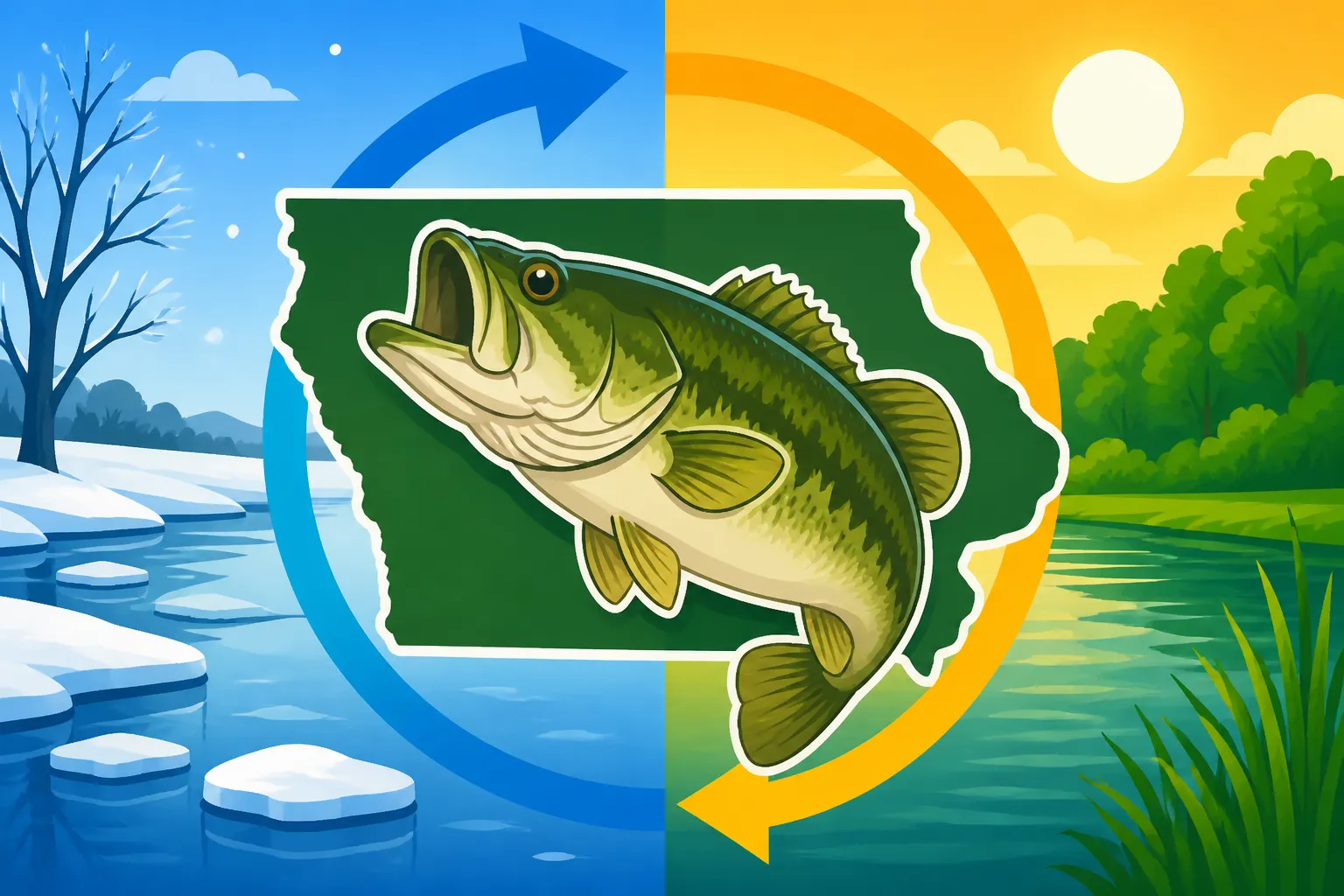
For the vast majority of Iowa's public waters – think your local farm ponds, larger reservoirs like Rathbun Lake and Saylorville Reservoir, and even many smaller community lakes – largemouth bass fishing is indeed open year-round. This means you can cast your favorite lures for these feisty fighters whenever the water isn't covered in ice, or even through the ice if conditions allow. It's a fantastic opportunity for anglers to enjoy the sport during all four seasons, adapting their techniques from topwater frog fishing in summer to jigging for bass in deeper winter haunts.
However, "open year-round" doesn't mean "no rules." Even when the season is technically open, you still need to adhere to specific length limits and daily bag limits, which we'll get into a bit later. These rules are crucial for maintaining sustainable bass populations. The year-round season reflects the Iowa Department of Natural Resources' (DNR) confidence in the overall health and resilience of largemouth bass populations in most of the state's waters, allowing for continuous angling enjoyment. You can find more detailed information on specific regulations in the comprehensive guide to Iowa Fishing Regulations Explained.
Smallmouth Bass Specific Season Details
Smallmouth bass, often found in cleaner, rockier rivers and lakes, have a slightly different story, especially when it comes to specific water bodies. While many rivers and natural lakes in Iowa do offer year-round smallmouth opportunities, there are very notable exceptions that anglers absolutely must be aware of.
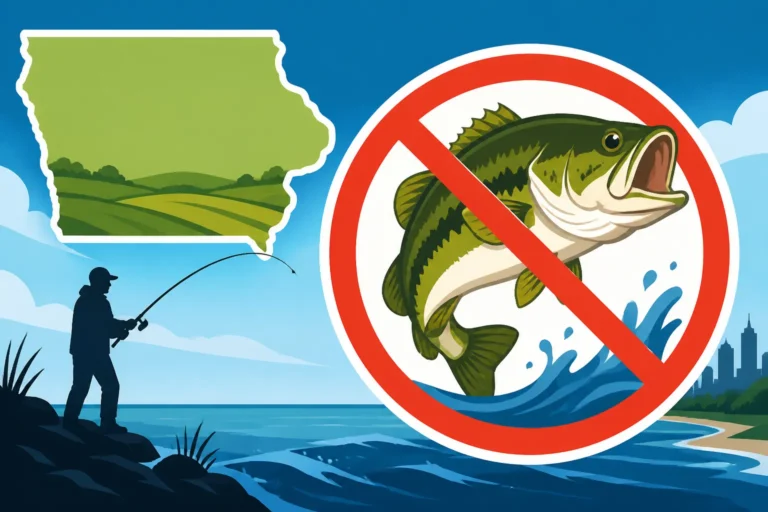
The most significant exception for smallmouth bass is in the Iowa Great Lakes region, including West Okoboji Lake, East Okoboji Lake, and Spirit Lake. These renowned fisheries, famous for their trophy smallmouth, implement a closed season to protect smallmouth bass during their crucial spawning period. Typically, this closed season runs from early spring through mid-June, ensuring that these sensitive fish can reproduce undisturbed. Fishing the Iowa Great Lakes is a dream for many, but knowing these specific dates is non-negotiable. Missing this detail could lead to a violation, even if you're just enjoying a day out.
Similarly, some specific river stretches or smaller lakes might have unique smallmouth regulations, so it's always, always best to check the current Iowa DNR fishing regulations booklet before heading out. For insights on how to target these hard-fighting fish, check out our guide on Smallmouth Bass Fishing in Iowa.
Closed Season Exceptions and Their Importance
So, while the general answer is yes, the closed season for smallmouth bass in places like the Iowa Great Lakes is a prime example of why checking the regulations is so vital. This isn't just bureaucratic red tape; it's a critical conservation measure. Smallmouth bass are particularly vulnerable during their spawn, as they construct nests and guard their eggs, making them easier targets for anglers. Closing the season during this time allows for successful reproduction, which in turn ensures that these incredible fisheries continue to thrive for future generations of anglers. These regulations are a testament to the DNR's commitment to protecting the state's natural resources and providing quality angling experiences.
Key Regulations Beyond Open Seasons
Even when the bass season is wide open, simply knowing when you can fish isn't enough. There's a whole host of other critical regulations designed to manage fish populations and ensure fair chase. Ignoring these can get you into trouble and, more importantly, can harm the very fisheries we love.
Minimum Length Limits for Bass
Iowa has specific minimum length limits for both largemouth and smallmouth bass, and these can vary significantly depending on the water body. The most common statewide regulation for largemouth bass is often a 15-inch minimum length, meaning any largemouth shorter than 15 inches must be immediately released unharmed. However, it’s not always that simple. Many lakes have special regulations. For instance, some lakes might have an 18-inch minimum length limit, or even slot limits, where you can keep fish under a certain size and over another size, but not in between.
For smallmouth bass, particularly in those prime river and lake systems, the minimum length limit is often 18 inches, especially in sensitive areas like the Iowa Great Lakes. These higher minimum lengths are designed to allow bass to reach sexual maturity and spawn at least once, contributing to the population before they can be harvested. Always consult the official regulations for the specific lake or river you plan to fish to understand the precise Bass Season and Size Limits. A measuring board is an essential piece of equipment for any bass angler, easily found on Amazon or at local tackle shops, ensuring you're always compliant.
Daily Bag Limits for Bass
Beyond size, there's also a limit to how many bass you can keep in a single day, known as the daily bag limit. This regulation helps prevent overharvesting and ensures that the fishery isn't depleted by a few individuals. For largemouth and smallmouth bass combined, a common statewide daily bag limit is 3, but just like length limits, this can change.
On some heavily fished lakes or those with special management goals, the daily bag limit might be lower. Conversely, some less-pressured waters might have slightly more liberal limits if the population can sustain it. It’s a delicate balancing act by the DNR to provide angling opportunity while protecting the resource. These limits are part of the broader Iowa Fishing Daily Bag Limits Guide, which covers all species. Always count your catch carefully and release any fish over the limit promptly and safely.
Special Regulations and Protected Areas
Iowa has numerous water bodies with unique regulations that deviate from the statewide general rules. These special regulations are often implemented for specific reasons, such as protecting a recovering fishery, managing a trophy bass lake, or addressing unique ecological conditions. For example, certain state park lakes might have catch-and-release only rules for bass, or specific slot limits different from nearby waters.
Border waters, such as the Mississippi River or the Missouri River, often operate under reciprocal agreements with neighboring states, meaning the regulations might be different or shared with Illinois, Wisconsin, Nebraska, or South Dakota. This adds another layer of complexity, making it imperative to consult the specific rules for these waters. Before planning a trip, particularly to a new fishing spot, assume nothing and confirm everything. Even within a single river system, specific pools on the Mississippi River might have distinct rules.
| Water Body Type | Largemouth Bass Season | Smallmouth Bass Season | Common Length Limit (Largemouth) | Common Length Limit (Smallmouth) | Common Daily Bag Limit (Combined) |
|---|---|---|---|---|---|
| Most Inland Lakes | Year-Round | Year-Round | 15 inches (statewide) | 18 inches (special waters) | 3 |
| Major Rivers | Year-Round | Year-Round | 15 inches (statewide) | 18 inches (special waters) | 3 |
| Iowa Great Lakes | Year-Round | Closed Season | 15 inches (statewide) | 18 inches (closed) | 3 (when open) |
| Certain State Park Lakes | Year-Round | Year-Round | Varies (check specific rules) | Varies (check specific rules) | Varies (check specific rules) |
| Mississippi River | Year-Round | Year-Round | Varies (reciprocal rules) | Varies (reciprocal rules) | 6 (reciprocal rules) |
Note: This table provides general guidance. Always refer to the current Iowa DNR Fishing Regulations for precise and up-to-date information for your chosen fishing location.
Why These Regulations Exist
It's easy to look at all the rules and feel overwhelmed, or even a little annoyed. Why can't we just fish whenever and however we want? But understanding the "why" behind these regulations makes them much easier to appreciate and adhere to. These rules aren't designed to make your life harder; they're in place to safeguard Iowa's precious aquatic resources and ensure fantastic fishing experiences for everyone, both now and in the future.
Protecting Spawning Fish
One of the most critical reasons for closed seasons and specific length limits, especially for smallmouth bass in certain areas, is to protect fish during their spawning period. When bass are spawning, they become highly vulnerable. They move into shallow waters, often creating visible nests, and become very aggressive towards anything that approaches their eggs. This protective instinct makes them relatively easy to catch. If anglers were allowed to heavily fish these areas during the spawn, it could significantly disrupt reproduction, leading to fewer fish in subsequent years.
By implementing closed seasons, like those for smallmouth bass in the Iowa Great Lakes, the DNR gives these fish the space and time they need to successfully reproduce. This ensures that new generations of bass are added to the population, maintaining healthy numbers for everyone to enjoy. It’s a long-term investment in the health of our fisheries, ensuring that future anglers have the same opportunities, if not better, than we do today. This kind of thoughtful management is key to successful Iowa Fishing Seasons Explained.
Managing Fish Populations for Long-Term Health
Beyond the immediate spawn, regulations like daily bag limits and minimum length limits are vital tools for overall fish population management. Think of it like this: if everyone kept every fish they caught, regardless of size, we'd quickly deplete the populations of larger, more mature fish, which are often the best breeders. By requiring anglers to release smaller fish, the DNR ensures that more fish have the chance to grow to a size where they can spawn multiple times.
Similarly, bag limits prevent a small number of anglers from taking an excessive number of fish, spreading the harvest more equitably among all who enjoy the sport. These regulations create a healthier age structure within the fish population, leading to a more robust and resilient fishery overall. This careful management is why Iowa can boast excellent opportunities for Largemouth Bass Fishing in Iowa and other popular species.
Balancing Angler Opportunity and Conservation
The Iowa DNR's goal isn't to restrict fishing unnecessarily. Instead, it's about finding that sweet spot between providing ample angling opportunities and ensuring the long-term sustainability of the fish populations. It’s a constant balancing act, influenced by scientific data, angler feedback, and environmental factors. For example, opening most largemouth bass waters year-round demonstrates confidence in those populations' ability to withstand continuous fishing pressure, while the specific closed seasons for smallmouth in critical areas show a targeted approach to protect more sensitive species or populations.
This approach means that Iowa can offer diverse fishing experiences, from catching panfish like crappie and bluegill year-round to targeting trophy bass with specific regulations. Every rule has a purpose rooted in science and a commitment to keeping Iowa a premier fishing destination.
Staying Informed About Iowa Fishing Regulations
With regulations that can vary by species, water body, and even time of year, it's absolutely crucial for every angler to stay informed. Relying on old memories or what a buddy told you last year isn't enough; rules can change. Getting caught fishing out of season, or keeping undersized fish, can lead to fines and loss of fishing privileges, which nobody wants.
Iowa DNR Resources
The absolute best and most reliable source for current Iowa fishing regulations is the Iowa Department of Natural Resources (DNR). Every year, the DNR publishes a comprehensive fishing regulations booklet, which is available both online and in print. This booklet details all the statewide regulations, special exceptions for specific lakes and rivers, and important information regarding licenses and permits. You can usually pick up a free physical copy at bait shops, county recorder offices, or DNR offices.
The Iowa DNR website is also a treasure trove of information, offering digital versions of the regulation booklet, news updates, and sometimes even specific advisories for particular bodies of water. Make it a habit to check their site at the beginning of each fishing season or before heading to a new fishing spot. You can even learn about purchasing your Iowa Fishing License Guide directly from the DNR.
Online Tools and Apps
In today's digital age, staying informed is easier than ever. The Iowa DNR offers the GoOutdoors Iowa app, a fantastic tool that allows you to purchase and carry your fishing license electronically, and often includes access to digital versions of the regulations. Being able to pull up the rules on your phone while you're standing on the bank can be a real lifesaver when you're unsure about a specific limit or season. For those wondering, learning How to Buy a Fishing License on the GoOutdoors Iowa App is quite straightforward.
Beyond the official app, there are numerous reputable fishing forums, websites, and social media groups dedicated to Iowa fishing. While these can be great for local tips and camaraderie, always cross-reference any regulation information you find with official DNR sources. Online resources also provide valuable insights into specific techniques, such as How to Catch Bass in Iowa for different seasons.
Local Bait Shops and Fellow Anglers
Don't underestimate the wisdom available at your local bait shop. The folks working behind the counter are often avid anglers themselves and are usually very knowledgeable about local conditions, recent catches, and, crucially, any specific regulations for the surrounding lakes and rivers. They can be an invaluable resource, especially if you're visiting a new area.
Similarly, talking to experienced anglers on the water can provide helpful insights. However, remember that ultimately, it's your responsibility to know and follow the rules. Always double-check information from informal sources with the official DNR regulations. Many experienced anglers will be happy to share what they know, but a quick glance at the official rules yourself offers true peace of mind.
Disclaimer
Please remember that fishing regulations are subject to change. While every effort has been made to provide accurate and up-to-date information in this guide, it should not be considered the sole authority. Always consult the most current official Iowa Department of Natural Resources (DNR) fishing regulations booklet or their official website before engaging in any fishing activities. Compliance with all regulations is the angler's responsibility.