Walleye Closed Season Dates at the Iowa Great Lakes
It’s a truly disheartening feeling, isn't it? You’ve been dreaming of that first big walleye bite of spring at your favorite spot on West Okoboji, only to remember that the season might be closed. Navigating Iowa’s fishing regulations, especially for a prized species like walleye in such a popular area, can feel like trying to untangle a massive knot of fishing line. But don't you worry, because this guide is here to unravel those frustrations, clearly laying out the walleye closed season dates for the Iowa Great Lakes and helping you understand exactly what that means for your fishing plans.
Understanding the Walleye Closed Season at the Iowa Great Lakes
When it comes to pursuing walleye in the beautiful waters of the Iowa Great Lakes – that's Spirit Lake, East Okoboji Lake, and West Okoboji Lake – there's a crucial period each year when angling for them is simply not allowed. This isn't just some arbitrary rule; it's a carefully considered management decision by the Iowa Department of Natural Resources (DNR) to protect these valuable fish populations. For many anglers, this closed season can feel like a long wait, but understanding its purpose helps appreciate the long-term benefits for everyone.
The Specific Dates for Walleye Fishing Closure
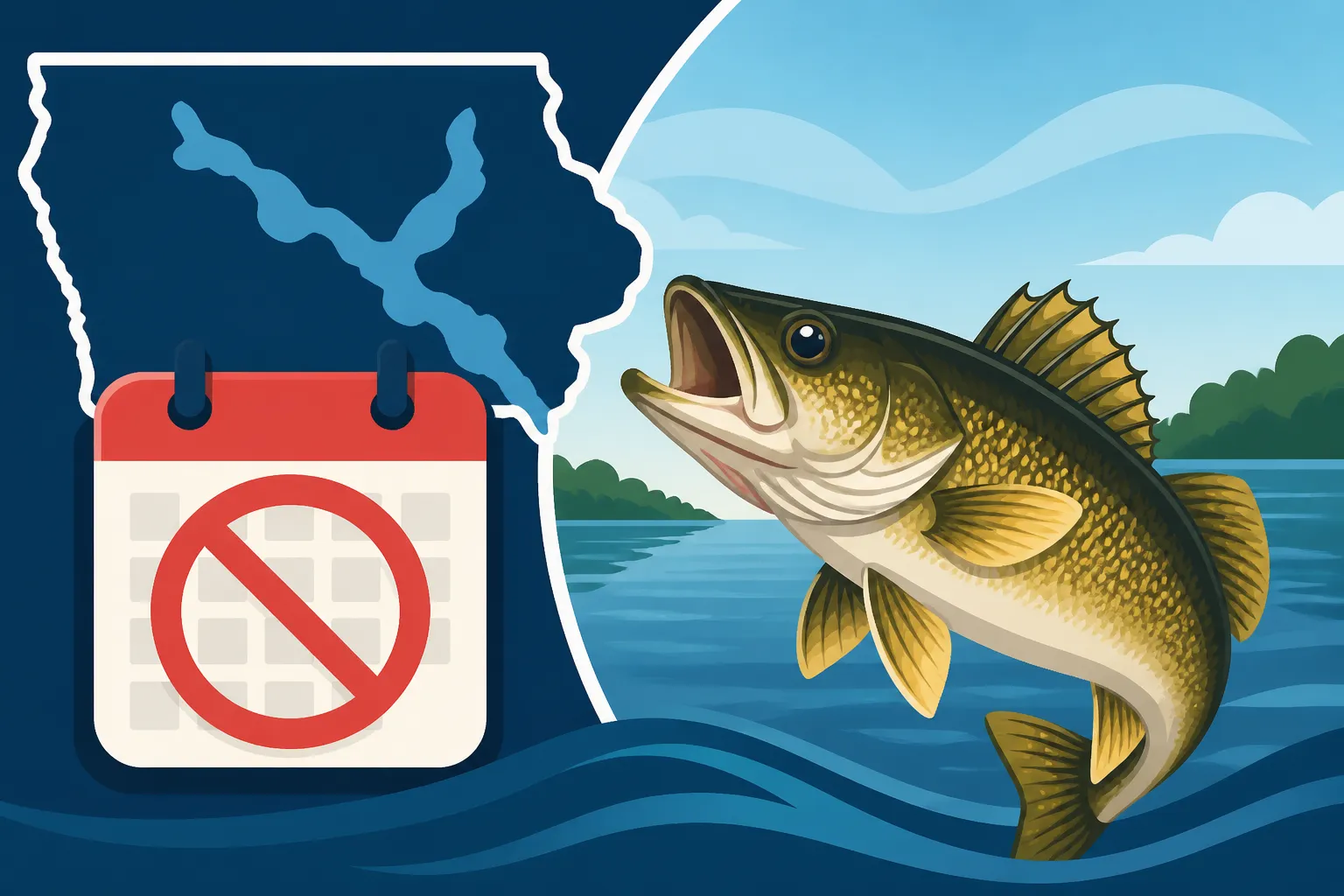
Let's get right to the heart of it: for Spirit Lake, East Okoboji Lake, and West Okoboji Lake, the walleye fishing season is closed annually from February 16th through May 1st. That means during this window, you cannot target, catch, or possess walleye from these specific bodies of water. It's a hard stop, and it's essential to respect these dates to avoid any legal trouble and, more importantly, to contribute to the health of the fishery. If you're planning a trip to the Iowa Great Lakes, especially in early spring, this is the number one thing you need to remember. These specific dates apply consistently across all three major lakes in the region, ensuring a unified approach to conservation in this interconnected system.
Why These Dates are in Place: Protecting Spawning Walleye
So, why these particular dates? It all boils down to biology. Walleye are cool-water fish, and they typically spawn in early spring as water temperatures begin to rise, usually when temperatures hit around 40 to 50 degrees Fahrenheit. In Iowa, especially in the Great Lakes region, this spawning activity generally ramps up from late February through April. During this critical period, walleye gather in shallower areas, often near rocky shorelines, reefs, or tributary mouths, to lay and fertilize their eggs. They are highly vulnerable to fishing pressure at this time.
The closed season is designed to give these walleye a much-needed break from angling disturbance. By prohibiting fishing during this intense spawning phase, the DNR ensures that the maximum number of fish can successfully reproduce, safeguarding the next generation of walleye. Think of it as giving the fish their private time to do what nature intended, without hooks and lines disrupting the process. This protection is vital for maintaining healthy, self-sustaining walleye populations in these popular lakes, which face significant fishing pressure throughout the rest of the year.
Historical Context and DNR Management
The establishment of these closed season dates isn't a new phenomenon; it's the result of decades of careful observation, research, and adaptive management by the Iowa DNR. Over the years, fishery biologists have studied walleye populations, growth rates, spawning success, and angler harvest data in the Iowa Great Lakes. They've learned what works best to keep these fisheries thriving. These regulations are not set in stone forever, but they are based on sound scientific principles and are adjusted periodically if data suggests a need for change.
The Iowa Great Lakes are particularly special because they boast some of Iowa’s most robust walleye fisheries. The DNR actively manages these lakes through habitat restoration, monitoring, and sometimes even stocking efforts. The closed season is just one piece of a much larger puzzle aimed at ensuring that you, your children, and future generations can continue to enjoy premier walleye fishing experiences in places like Spirit Lake and the Okobojis. When you adhere to the rules, you're directly supporting these ongoing conservation efforts. You can often find detailed information about species-specific regulations and conservation efforts in the annual guide, "Iowa Fishing Regulations Explained."
Navigating the Rules: What Anglers Need to Know During the Closed Season
Understanding the specific dates of the walleye closed season is just the first step. The next is knowing exactly what that means for your actions on the water. It’s not just about avoiding a ticket; it’s about upholding ethical angling practices and contributing to the health of the fishery. Ignorance of the law is never an excuse, and the Iowa DNR takes these regulations seriously to protect its valuable natural resources.
Prohibited Activities and Potential Penalties
During the walleye closed season from February 16th through May 1st in Spirit Lake, East Okoboji, and West Okoboji, any attempt to catch walleye is illegal. This means you cannot intentionally fish for them. If you're out there casting crankbaits or jigging spoons in areas known for walleye, even if you claim you're targeting something else, conservation officers will likely view it as targeting walleye. Furthermore, if you do accidentally catch a walleye, you cannot keep it; immediate and careful release is mandatory. Possession of a walleye from these lakes during the closed season is also strictly forbidden.
The consequences of violating these rules can range from a hefty fine to the suspension of your fishing license. Fines can quickly add up, and repeat offenses can lead to more severe penalties, including equipment confiscation. It’s simply not worth the risk. The DNR officers patrol these waters regularly, especially during sensitive periods like the spawning season, and they are well-versed in identifying suspicious angling behavior. Always check the official Iowa Fishing License Guide to ensure your license is current and you're aware of all applicable regulations.
Accidental Catches and Proper Release Techniques
Even when you're targeting other species during the closed walleye season, there's always a chance you might accidentally hook into a walleye. This is particularly true if you're fishing areas where walleye co-exist with other desirable fish like northern pike or crappie. If this happens, the most crucial thing is to release the fish as quickly and carefully as possible. Do not bring the fish into your boat if you can avoid it. Use long-nosed pliers or a dehooking tool to remove the hook while the fish is still in the water.
Minimize handling the fish; if you must touch it, wet your hands first to protect its slime coat, which is vital for its health and disease resistance. Avoid gripping the fish by the eye sockets or gill plates, as these are sensitive areas. Get a quick photo if you must, but prioritize getting the fish back into the water swiftly and gently, allowing it to swim away on its own power. Proper release techniques significantly increase the fish’s chances of survival and contribute to the overall success of the spawning season. This is a common ethical practice for all catch-and-release fishing, especially during sensitive periods.
Impact on Local Businesses and Guiding Services
The walleye closed season also has a ripple effect on the local economy and fishing community, particularly for guides and bait shops around the Iowa Great Lakes. For many fishing guides, walleye are a primary target species, especially during the busy spring months. When the walleye season closes, guides have to adapt their offerings, shifting their focus to other species that are open for harvest or catch-and-release. This might mean specializing in Crappie Fishing in Iowa or offering trips for northern pike, which remain open.
Local bait shops also feel the change, with a shift in demand from walleye-specific baits and tackle to gear for panfish or other game fish. However, this period can also be an opportunity. Many seasoned guides and bait shop owners are experts in multi-species fishing and can offer invaluable advice on how to successfully target other fish during the walleye closure. They understand the regulations deeply and can be a fantastic resource for any angler looking to explore alternatives. Businesses often carry a wider array of gear to cater to different seasonal demands, so you might find some great deals on panfish jigs or pike spoons on Amazon or at local shops during this time.
Exploring Other Fishing Opportunities in the Iowa Great Lakes Region
Just because walleye are off-limits for a stretch doesn't mean you have to hang up your rods and reels. The Iowa Great Lakes region, and indeed many other parts of Iowa, offers fantastic fishing for a variety of other species that are active and open during the walleye closed season. This can be a perfect time to broaden your angling horizons, try new techniques, or simply enjoy the beautiful spring scenery without the pressure of chasing walleye.
Targeting Alternative Species
During the walleye closed season, several other popular game fish are fair game and can provide incredible action.
- Panfish (Crappie, Bluegill, Perch, Yellow Bass): Spring is prime time for panfish! As water temperatures rise, crappie move into shallower bays and near structure, often staging for their own spawn. Bluegill and yellow bass also become very active. You can have fantastic days targeting these species with light tackle, small jigs, and live bait like minnows or worms. For specific techniques, explore articles like "Crappie Jig Fishing Techniques". The Iowa Great Lakes are known for their healthy panfish populations, offering plenty of opportunities.
- Northern Pike: These aggressive predators are often overlooked but offer thrilling fights, especially on West Okoboji and Spirit Lake. Pike are typically open year-round with generous limits, making them an excellent target. You can fish for them with larger spoons, crankbaits, or even dead bait under a bobber in cooler water. Check out our guide on "Northern Pike Fishing in Iowa" for more detailed strategies.
- Bass (Largemouth and Smallmouth): While their season dates can vary slightly depending on the specific lake and species, bass fishing can also be productive in spring. You might find largemouth bass moving into shallow, vegetated areas, and smallmouth bass often relate to rocky points and drop-offs. Always verify the current Bass Season and Size Limits for specific waters, as these can sometimes have special regulations, especially at the Great Lakes.
Fishing Nearby Waters with Different Regulations
If your heart is absolutely set on walleye, and you just can't wait until May 1st, there are other waters in Iowa where the walleye season might be open. The Mississippi River, for instance, often has different regulations due to its border water status and unique ecosystem. Many smaller inland rivers and reservoirs may also have continuous walleye seasons. This requires a bit of research, but it could be worth the drive if you're truly craving that walleye bite.
However, remember that regulations can change from water body to water body, so you must always confirm the specific rules for the area you plan to fish. Just because the Mississippi River is open doesn't mean Big Creek Lake is. Always consult the official Iowa DNR fishing regulations booklet or their website to verify the dates and limits for your chosen location.
Techniques and Gear for Spring Panfish and Pike
Shifting your focus to other species might require a slight adjustment to your gear and techniques, but it's nothing too drastic. For panfish, think lighter. A ultralight or light action spinning rod with 4-6 pound test line is ideal. Small jigs (1/32 to 1/16 oz) tipped with a small plastic grub, a wax worm, or a small minnow are deadly for crappie and bluegill. You might want to grab a few different color assortments from Amazon to find what they're biting on that day. For perch and yellow bass, vertical jigging small spoons or minnow baits can be incredibly effective.
For northern pike, you'll want something a bit stouter. A medium-heavy spinning or baitcasting rod with 10-20 pound test line, perhaps braided line for its strength and sensitivity, would be appropriate. Spoons (silver, gold, five of diamonds), inline spinners, and medium-sized crankbaits are all great options. Don't forget a leader! Pike have razor-sharp teeth that will easily slice through monofilament or fluorocarbon. A good quality wire or heavy fluorocarbon leader (30-50 lb test) is essential. Having the right tools, like a good pair of long-nosed pliers for hook removal, can also be found easily on Amazon to complete your tackle box setup. For general gear advice, check out our "Iowa Fishing Gear Guide."
Staying Informed: Your Best Resource for Iowa Fishing Regulations
Regulations can feel like a moving target sometimes, and nobody wants to inadvertently break a rule that could lead to a fine or, worse, harm a fishery. The key to successful and responsible angling in Iowa, especially when dealing with specific closed seasons like the walleye season at the Great Lakes, is to stay informed. Don't rely on old habits or what someone told you last year. Always go straight to the source.
Official Iowa DNR Resources
The Iowa Department of Natural Resources (DNR) is your absolute best friend when it comes to understanding fishing regulations. They work tirelessly to manage Iowa's natural resources and provide clear, accessible information to the public.
- DNR Website: The official Iowa DNR website is updated regularly and contains the most current regulations. You can find sections dedicated to Iowa Fishing Regulations Explained, specific fish species, and detailed maps. This is often the first place I check for any changes.
- Annual Fishing Regulations Booklet: Each year, the DNR publishes a comprehensive fishing regulations booklet. These are usually available online as a PDF and physically at most places where you can buy a fishing license, such as bait shops, sporting goods stores, and county recorder offices. This booklet is a must-have for every Iowa angler.
- GoOutdoorsIowa App: The official GoOutdoorsIowa app, available for both Apple and Android devices, is an incredibly convenient tool. Not only can you Buying an Iowa Fishing License on the GoOutdoors App, but it also provides direct access to the regulations, helps you locate public fishing access points, and allows you to renew your license on the go. It’s like having a DNR officer and a fishing atlas right in your pocket.
Consulting Local Bait Shops and Guides
While the official DNR resources are paramount, don't underestimate the wealth of local knowledge found at bait shops and through experienced fishing guides. These folks are on the water constantly and often have a finger on the pulse of local conditions and specific nuances of regulations.
- Bait Shops: A good local bait shop isn't just a place to buy worms; it's a community hub for anglers. The staff often knows exactly what's biting, where, and what the current regulations mean on a practical level for their specific body of water. They can give you pointers on where to go during the walleye closed season and what to target instead.
- Fishing Guides: Reputable fishing guides not only know how to find fish but also live and breathe the regulations. They make it their business to be completely up-to-date. If you're hiring a guide, they will ensure your trip adheres to all local laws. Even if you're not hiring one, many guides share valuable information through social media or local fishing forums.
Annual Regulation Changes and How to Track Them
It's a common mistake to assume that last year's regulations are identical to this year's. While many rules remain consistent, the Iowa DNR does periodically adjust regulations based on scientific data, conservation needs, and public input. These changes can affect daily bag limits, size limits, or even season dates for specific species in certain water bodies. For instance, sometimes there are special length limits for walleye in certain areas like the Fishing Regulations at the Iowa Great Lakes.
It’s always a good idea to annually review the updated regulations, especially before your first outing of the spring. The DNR typically releases the new regulations well in advance of the new fishing year. Making it a habit to check their website or grab a new regulations booklet each year is a simple step that can save you a lot of trouble and ensure you're always fishing legally and responsibly. By checking "How to Check Current Iowa Fishing Regulations Online" or visiting your local tackle shop, you'll always have the most current information at your fingertips.
Here's a quick reference table for the walleye closed season at the Iowa Great Lakes:
| Lake Name | Walleye Closed Season Dates (Annually) | Purpose of Closure | Notes |
|---|---|---|---|
| Spirit Lake | Feb 16th – May 1st | Protect Spawning Walleye | No targeting or possession during these dates |
| East Okoboji Lake | Feb 16th – May 1st | Protect Spawning Walleye | Accidental catches must be immediately released |
| West Okoboji Lake | Feb 16th – May 1st | Protect Spawning Walleye | Other species fishing is permitted, check their limits |
Disclaimer
The information provided in this guide is intended for general informational purposes only and is subject to change. While we strive to offer accurate and up-to-date details, fishing regulations in Iowa can be complex and are regularly updated by the Iowa Department of Natural Resources (DNR). Always consult the official Iowa DNR website or the most current annual Iowa Fishing Regulations booklet before engaging in any fishing activity. It is the individual angler's responsibility to know and comply with all applicable state and local fishing laws and regulations.