Best Life Jackets for Iowa Boaters
There's nothing quite like a peaceful day on Iowa's beautiful waters, whether you're casting a line on Clear Lake, navigating the mighty Mississippi, or simply cruising around Saylorville Reservoir with family. But as enjoyable as boating can be, there's a serious side to it: safety. Far too often, boaters overlook the critical role of a properly fitted and readily accessible life jacket, thinking accidents won't happen to them. This comprehensive guide is here to walk you through everything you need to know about choosing the best life jackets for your Iowa boating adventures, ensuring both legal compliance and, more importantly, your peace of mind and safety on the water.
Understanding Iowa's Life Jacket Regulations
Navigating the waters of Iowa means not only understanding the fish but also the rules that keep everyone safe. When it comes to life jackets, the Iowa Department of Natural Resources (DNR) has clear guidelines in place, and knowing them is your first step toward responsible boating. It's not just about avoiding a fine; it's about being prepared for the unexpected, because even experienced boaters can find themselves in a tough spot in a hurry.
Who Needs to Wear a Life Jacket and When
This is often where boaters get tripped up, assuming that just having life jackets on board is enough. While having them on board is crucial, the regulations often dictate who must wear them, particularly for certain age groups and vessel types. In Iowa, any child 12 years of age or younger must wear a properly fitted U.S. Coast Guard-approved life jacket when on any vessel (including canoes, kayaks, and stand-up paddleboards) at all times, unless they are below deck in an enclosed cabin or compartment. This rule is non-negotiable and designed to protect our youngest adventurers. As a parent, you know how quickly kids can move, and a slip or an unexpected wave could put them in danger in a flash.
Beyond kids, there are specific situations for adults too. If you're operating a personal watercraft (PWC), often called a jet ski, you and all passengers must wear a U.S. Coast Guard-approved life jacket while underway. The fast, exhilarating nature of PWCs means a fall into the water is a real possibility, and having immediate flotation is critical. Furthermore, anyone being towed behind a boat on skis, a tube, or a wakeboard must also wear a life jacket. For everyone else on board a vessel, while wearing a life jacket isn't always legally mandated, having one readily accessible for each person is a strict requirement. "Readily accessible" means it's not buried under gear, in a locked compartment, or still in its plastic wrapping; it should be easy to grab and put on quickly in an emergency. For more on what's required on board, check out our guide on Required Safety Equipment for Iowa Boats.
Types of Life Jackets Approved for Iowa Waters
It's not enough to just have a life jacket; it needs to be the right kind. The U.S. Coast Guard classifies life jackets into different types (I, II, III, IV, and V), each with specific characteristics and intended uses. For Iowa waters, all life jackets must be U.S. Coast Guard-approved. This means they've undergone rigorous testing to ensure they meet minimum flotation standards. You'll find a label inside each jacket indicating its type and approval status.
Think of it this way: a life jacket designed for offshore sailing in rough seas might be overkill for a calm morning on a farm pond, but a basic flotation aid certainly won't cut it in dangerous conditions. Understanding these types will help you match the right jacket to your activity and the conditions you might encounter. We'll dive deeper into each type in the next section, but for now, remember that checking for that U.S. Coast Guard approval stamp is paramount. Don't fall for generic "flotation devices" that haven't been certified – they might offer a false sense of security when you need real protection.
Penalties for Non-Compliance
Breaking boating safety rules, especially those concerning life jackets, isn't just a slap on the wrist. Iowa DNR officers patrol our waterways, and they take these regulations seriously because they're there to save lives. If you're caught without the required number of approved life jackets on board, or if children aren't wearing them when mandated, you could face fines. These aren't minor fees; they can add up, and certainly put a damper on your fishing trip.
Beyond the monetary cost, there's the administrative burden. Violations can sometimes lead to points against your boating record or even a requirement to take a boating safety course if it's a repeated offense. But let's be realistic: the biggest penalty isn't what the state can impose, it's the potential for tragedy. A life jacket that's not on board, not the right type, or not worn when it should be, offers zero protection in an emergency. It's a risk no one should ever take. Ensuring you meet all Iowa Boat Registration Requirements and safety gear mandates is part of being a responsible Iowa boater.
Different Types of Life Jackets: Finding Your Perfect Fit
When you head to a store like Bass Pro Shops or browse online on Amazon for a life jacket, you'll quickly notice there's a huge variety. This isn't just about color or style; it's about function and how each type is designed to keep you safe in different scenarios. Understanding the U.S. Coast Guard's classification system (Types I through V) is key to making an informed choice that truly fits your boating needs.
Type I: Offshore Life Jackets
These are the heavy-duty workhorses of the life jacket world. Type I life jackets, also known as offshore life jackets, are designed for rough, open, or remote waters where rescue may be delayed. They provide the most buoyancy of all types and are engineered to turn most unconscious wearers face-up in the water. This critical feature means that even if you're knocked out or incapacitated, the jacket helps position you for survival.
You'll typically see these on larger vessels venturing far from shore or in situations where extreme conditions are expected. They are bulky and might feel a bit cumbersome for active fishing, but their superior flotation and ability to self-right are unmatched. If you're planning an extensive trip on the Mississippi River or heading out on the Great Lakes of Iowa in potentially challenging weather, a Type I might be a smart choice for some of your crew, especially if you're concerned about someone being in the water for an extended period before help arrives.
Type II: Near-Shore Vests
Type II life jackets are often what most people picture when they think of a classic life vest. These are designed for calmer, inland waters where there's a good chance of quick rescue. They offer less buoyancy than Type I and may not reliably turn an unconscious person face-up in the water, though they do provide good flotation. They are generally less bulky and more comfortable than Type I, making them a popular choice for recreational boaters.
For many casual fishing trips on Iowa's smaller lakes and rivers, Type II vests are a common and compliant option. They're good for passengers who aren't actively engaged in strenuous activities like paddling or casting, providing that essential safety net without being overly restrictive. They're easy to store and often more affordable, making them a practical choice for meeting minimum requirements for all your passengers, especially on a pontoon boat or a fishing boat staying close to shore.
Type III: Flotation Aids (Perfect for Anglers!)
Now we're talking about the angler's best friend! Type III life jackets are specifically designed for continuous wear and offer excellent comfort and mobility. They provide the same minimum buoyancy as Type II vests, but the key difference is their design for activity. They allow for a much greater range of motion, which is crucial when you're casting, reeling, or paddling. Like Type II, they may not turn an unconscious wearer face-up, so it's best if you're in an area where a rescue is likely to be swift.
Many fishing-specific life jackets fall into this category. They often come equipped with features like multiple pockets for tackle, D-rings for attaching tools, and breathable mesh panels to keep you cool. If you're a kayak angler spending hours on the water, or even a bass angler standing and casting from your boat, a Type III vest is typically the most comfortable and functional choice. Brands like Bass Pro Shops often have dedicated sections for these highly functional fishing vests, knowing that comfort and utility are just as important to an angler as flotation. For an even deeper dive into specific options, you might be interested in our guide on the Best Life Jacket Type for Kayak Fishing.
Type IV: Throwable Devices
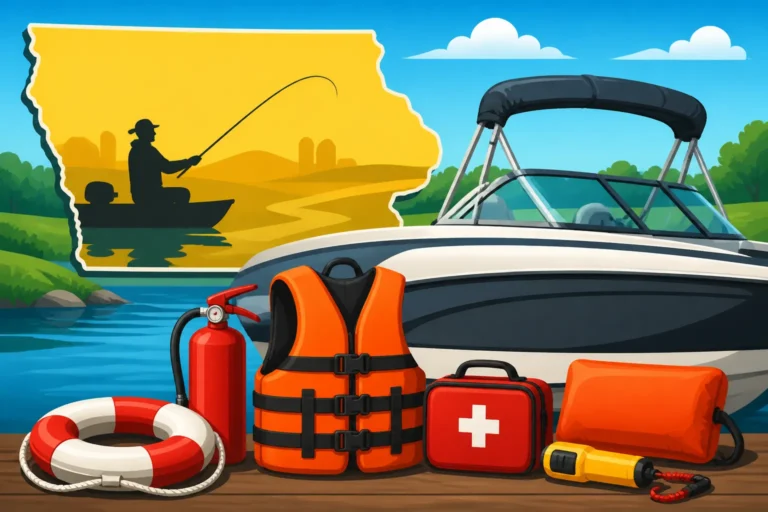
These aren't worn, but they are absolutely essential safety equipment. Type IV devices are throwable flotation aids, such as ring buoys or cushion-style devices. They are designed to be thrown to a person in the water, offering them something to grab onto until they can be rescued. Every vessel 16 feet or longer (excluding canoes, kayaks, and certain other small craft) must have at least one U.S. Coast Guard-approved Type IV throwable device on board and readily accessible.
While they don't replace wearable life jackets, they are a vital piece of the safety puzzle. Imagine someone falling overboard unexpectedly – a throwable cushion can be deployed immediately while the boat circles back. They're also handy for providing additional support to someone already wearing a life jacket but needing extra buoyancy or a point to hold onto while waiting for a ladder or assistance.
Type V: Special Use Devices
Type V life jackets are a bit of a catch-all category. These are special use devices approved for specific activities and must be worn to be counted as a U.S. Coast Guard-approved device. This category includes everything from inflatable life jackets, which are compact and comfortable until inflated (either manually or automatically), to deck suits designed for specific jobs on boats, and even cold-weather immersion suits or flotation work vests.
For anglers, inflatable Type V vests are a popular choice. They are incredibly lightweight and allow for maximum freedom of movement, making them perfect for those who find traditional foam vests too bulky. However, they come with a few caveats: they require regular inspection and re-arming (replacing the CO2 cartridge) to ensure they're ready when needed. They also aren't typically suitable for children under 16 or for non-swimmers, as they require some conscious effort to activate or rely on an automatic inflation system that needs to be maintained. If you're considering an inflatable vest, make sure you understand its specific use limitations and maintenance requirements. Many competitive anglers swear by them for comfort during long tournaments.
Here's a quick overview of the different life jacket types:
| Type | Description | Buoyancy (Minimum) | Best Use Case | Key Features |
|---|---|---|---|---|
| I | Offshore Life Jacket | 22 lbs | Rough, open, or remote waters; delayed rescue likely | High buoyancy, turns unconscious face-up, bulky |
| II | Near-Shore Vest | 15.5 lbs | Calm, inland waters; quick rescue likely | Good buoyancy, less bulky, may not self-right |
| III | Flotation Aid | 15.5 lbs | Calm waters; continuous wear, active sports | Comfort, mobility, often pockets, may not self-right |
| IV | Throwable Device | 16.5 lbs | Auxiliary to wearable PFDs, thrown to person in water | Not worn, must be readily accessible |
| V | Special Use Device | Varies | Specific activities (e.g., inflatables, work vests) | Activity-specific, must be worn for compliance |
Key Features to Look for in a Fishing Life Jacket
Choosing a life jacket isn't just about meeting regulations; it's about optimizing your experience and safety on the water. For Iowa anglers, there are specific features that can make a huge difference in comfort, convenience, and ultimately, how much you enjoy your time fishing. After all, if your life jacket is uncomfortable or gets in the way, you're less likely to wear it, defeating its entire purpose.
Comfort and Mobility (Crucial for Casting!)
This is often the number one concern for active anglers. A bulky, restrictive life jacket can quickly turn a fun day of casting into a frustrating battle against your own gear. Look for designs that prioritize freedom of movement, especially around the shoulders and arms. Many fishing-specific vests feature wider armholes, thinner foam panels in key areas, or even segmented foam to allow the jacket to flex with your body.
Adjustability is also key. Multiple adjustable straps at the shoulders, sides, and waist ensure a snug, personalized fit that won't ride up or shift when you cast or bend over. Breathable materials, like mesh backs or side panels, are a godsend on hot Iowa summer days, helping to prevent sweat buildup and making the jacket much more tolerable for extended wear. If you're constantly fighting your life jacket, you're not focusing on the fish. This is where those Type III flotation aids and Type V inflatables really shine, as they are specifically engineered for active use, making them a top choice for serious anglers browsing options from retailers like Amazon.
Storage and Pockets (Angler's Best Friend)
For fishermen, a life jacket can be more than just a safety device; it can be an extension of your tackle box. Many modern fishing life jackets come equipped with an impressive array of pockets, loops, and attachment points. Imagine having your pliers, line cutters, leader material, a small tackle box, and even your phone securely stashed right on your chest, easily accessible without fumbling through your boat bag.
Look for pockets with secure closures (zippers or Velcro) to prevent items from falling out, especially if you take an unexpected dip. D-rings or loops are perfect for attaching a zinger for your line nippers, a coiled lanyard for your fishing license, or even a small net. Some vests even integrate tool holders or plier sheaths. This kind of thoughtful design not only adds convenience but also streamlines your fishing process, keeping essential tools right where you need them. For anglers who love to wade or kayak, this integrated storage becomes even more critical, as you might not have easy access to a full tackle box.
Material and Durability
Iowa weather can be unpredictable, and your life jacket needs to stand up to sun, water, and general wear and tear. Look for durable outer shell materials, such as heavy-duty nylon or robust polyester. These materials resist snags, tears, and UV degradation, ensuring your investment lasts. The stitching should be strong and reinforced, especially at stress points like shoulder straps and attachment loops.
Consider the foam used inside the jacket. Closed-cell foam, commonly found in Type I, II, and III vests, doesn't absorb water, which is crucial for maintaining buoyancy. Check that the foam segments are well-enclosed and don't feel like they're shifting or breaking down. For inflatable Type V vests, pay attention to the quality of the bladder material and the CO2 inflation mechanism – these are the core components that provide your flotation. A well-made life jacket is a long-term safety investment, so choose one that feels robust enough to handle the rigors of your fishing adventures on Iowa's diverse waters.
Fit and Sizing Considerations
A life jacket only works if it fits properly! An ill-fitting jacket, whether too loose or too tight, can compromise its effectiveness and your comfort. When trying on a life jacket, it should feel snug but not restrictive. There shouldn't be excessive room in the armholes, and when you lift your arms above your head, the jacket should not ride up over your chin or ears. If it does, it's too big, and could easily slip off in the water.
Conversely, a jacket that's too tight will be uncomfortable and could restrict your movement, again making you less likely to wear it. Always check the manufacturer's sizing chart, which typically goes by chest measurement and sometimes weight. If you're on the border between sizes, it's often better to size down slightly to ensure a snug fit, assuming it's still comfortable. Remember that layering clothing underneath (especially in colder weather) can affect fit, so try it on with the typical attire you'd wear while boating. This is particularly important for children; they should never "grow into" a life jacket, as an oversized vest is a dangerous one. Our guide on Boater Education Requirements for Young Anglers also emphasizes the importance of correctly fitted gear for kids.
Life Jackets for Specific Iowa Boating Activities
Just as you wouldn't use a muskie rod for panfish, you wouldn't necessarily use the same life jacket for every type of Iowa boating. Different activities present unique challenges and requirements, and selecting the right life jacket can significantly enhance both your safety and your enjoyment.
Kayak and Canoe Fishing Life Jackets
Kayak and canoe fishing have exploded in popularity across Iowa, and for good reason! It offers access to quiet backwaters and smaller streams that bigger boats can't reach. However, sitting in a kayak or canoe for hours requires a very specific type of life jacket. Traditional bulky vests can ride up, creating an uncomfortable "choke point" around your chin, especially when seated. This is why many dedicated kayak fishing PFDs (Personal Flotation Devices) have thinner backs, often with mesh panels or high-back designs that sit above the seat.
Look for a Type III flotation aid with ample pockets on the chest for quick access to lures, leaders, and tools. As mentioned before, freedom of movement for paddling and casting is paramount. Some kayak-specific PFDs even feature hydration sleeves or additional attachment points for safety lights or communication devices. Since kayakers often fish in areas where self-rescue might be necessary, a PFD that allows you to easily re-enter your craft is a huge plus. The comfort and utility of a well-designed kayak fishing life jacket, available from retailers like Bass Pro Shops, can truly transform your paddling and fishing experience. And while we're on the topic, remember that even small craft like kayaks often have Do Kayaks Need to Be Registered in Iowa? to consider.
Motorboat and Pontoon Life Jackets
For those enjoying Iowa's larger lakes and reservoirs on motorboats or pontoons, the primary concern is often having enough approved life jackets for everyone on board, and ensuring they are "readily accessible." While children under 13 must wear them, adult passengers generally only need to have one available. However, encouraging everyone to wear one, especially if there are non-swimmers or during rough water conditions, is always the safest bet.
For these vessels, you'll want a mix of life jacket types. Type II vests are a common choice for general passengers due to their balance of comfort and flotation. For the operator or those actively fishing from the boat, a Type III fishing vest or even an inflatable Type V might be preferred for comfort and mobility. Don't forget the importance of a Type IV throwable device, especially on larger boats, for quick deployment to someone who unexpectedly goes overboard. Ease of donning is key here; look for vests that are simple to put on, even for someone who might be disoriented. If you're going to be operating a motorboat, be aware of the Minimum Age to Drive a Motorboat in Iowa regulations and other requirements.
Ice Fishing Flotation Suits (Safety Beyond the Season)
When the lakes freeze over in Iowa, a whole new world of fishing opens up – ice fishing! But with it comes a unique set of safety concerns, primarily falling through the ice. This is where dedicated ice fishing flotation suits or "survival suits" come into play. These are typically Type V special use devices that offer both warmth and buoyancy. They are designed to encapsulate your entire body, providing thermal protection against hypothermia and significant flotation to keep you afloat if you break through the ice.
Unlike traditional life vests, these suits are worn like regular outerwear. They're often made with waterproof and windproof outer layers, insulated for warmth, and packed with internal flotation material. Many also include features like ice picks in easily accessible pockets, knee and seat padding, and reflective trim for visibility. While they can be an investment, the peace of mind they offer for those venturing onto the ice is invaluable. They're a prime example of a life jacket designed for extreme conditions and must be worn to be effective. For comprehensive safety tips, refer to our Ice Fishing Safety on Iowa Lakes guide, and consider pairing your flotation suit with good Best Cold Weather Clothing for Ice Fishing.
Life Jackets for Kids and Pets
Our furry friends and little anglers deserve safety too! As previously mentioned, children 12 and under must wear a U.S. Coast Guard-approved life jacket at all times on a vessel. When choosing a life jacket for a child, fit is the absolute most important factor. It must be sized by weight range and chest measurement. Look for features like a grab handle on the back, a crotch strap (to prevent the jacket from riding up), and a head support collar to keep their head above water. Bright colors are also a good idea for increased visibility. Never use an adult life jacket for a child, as it won't provide adequate support.
For our canine companions, while pet life jackets aren't U.S. Coast Guard-approved in the same way human ones are, they are still highly recommended. Most pet vests provide excellent buoyancy, a sturdy grab handle for assisting your dog back into the boat, and reflective strips. Even strong swimmers can get tired, disoriented, or injured in the water, especially in current or cold conditions. Having a pet life jacket ensures their safety and makes getting them back into the boat much easier. Just ensure it fits snugly and doesn't restrict their movement.
Maintenance and Care for Your Life Jacket
A life jacket is a piece of safety equipment, and like any safety gear, it needs proper care and attention to ensure it's always ready when you need it most. Neglecting your life jackets can compromise their effectiveness, turning a potential lifesaver into a heavy, waterlogged liability.
Pre-Season Checks and Regular Inspections
Before your first boating trip of the season, and periodically throughout, it's crucial to give all your life jackets a thorough inspection. Start by checking the U.S. Coast Guard approval label – ensure it's still legible and indicates the correct type. Examine the outer shell for any rips, tears, or punctures, which can allow water to saturate the flotation material. Look closely at all straps, buckles, and zippers for signs of wear, fraying, or breakage. Make sure buckles snap securely and zippers slide smoothly.
For foam-filled vests, squeeze the foam. If it feels stiff, lumpy, or compressed, it might have lost some of its buoyancy. If it's an inflatable Type V vest, check the CO2 cartridge to ensure it hasn't been deployed and that the indicator shows it's armed and ready. Review the manufacturer's instructions for specific inspection points for inflatables, as they often require more detailed checks. Performing these simple checks can catch issues before they become emergencies. Remember, a life jacket that's damaged or degraded might not offer the protection you expect, and it might even fail to meet the "approved" status in the eyes of a DNR officer during an inspection.
Proper Cleaning and Storage
After a fun day on the water, your life jackets might be damp, salty, or a bit grimy. Proper cleaning and storage are vital for longevity. Always rinse life jackets thoroughly with fresh water after use, especially if you've been in brackish or salty conditions (like the Mississippi River border waters). This helps remove dirt, sunscreen, and salt residue that can degrade materials over time. Avoid harsh detergents or bleach, as these can strip protective coatings or damage the fabric and foam. A mild soap and water solution is usually sufficient for cleaning stubborn spots.
Once cleaned, hang life jackets in a well-ventilated area, out of direct sunlight, to air dry completely. Storing a damp life jacket can lead to mildew, which not only smells terrible but can also compromise the integrity of the materials. Once dry, store them in a cool, dry place away from extreme temperatures and direct sunlight. Sunlight's UV rays are a notorious enemy of life jacket materials, causing them to fade, stiffen, and degrade. Avoid storing them under heavy items that could compress the flotation foam, as this can permanently reduce buoyancy. Good storage practices ensure that your life jackets are always fresh, functional, and ready for your next adventure. Taking good care of all your Boat Safety Equipment for Iowa Waters is just part of responsible boating.
When to Replace Your Life Jacket
No life jacket lasts forever. Even with the best care, age, wear, and exposure to the elements will eventually take their toll. So, when is it time to retire a life jacket?
- Visible Damage: Any significant tears, rips, or punctures in the outer fabric that expose the flotation material are immediate red flags.
- Degraded Flotation: If the foam inside feels stiff, brittle, or significantly compressed and doesn't bounce back, its buoyancy has likely diminished.
- Faded/Sun-Damaged: Extensive fading or stiffening of the fabric indicates UV damage, which compromises the material's strength.
- Broken Components: Non-functioning zippers, broken buckles, or severely frayed straps mean the jacket can't be secured properly.
- Mildew/Odor: While some mildew can be cleaned, extensive mildew that has permeated the fabric or foam might indicate irreparable damage and a loss of integrity.
- Inflatables: If an inflatable vest has been deployed, it must be re-armed with a new CO2 cartridge and inspected according to the manufacturer's instructions. If it fails to inflate reliably or shows bladder damage, it needs replacement.
When in doubt, it's always better to err on the side of caution and replace a questionable life jacket. The cost of a new life jacket is a small price to pay for your safety and the safety of your loved ones. You can often find good deals on replacements through online retailers like Amazon or at your local Bass Pro Shops. Don't compromise on this vital piece of gear; an old, degraded life jacket offers a false sense of security that could have tragic consequences.
Disclaimer
This article is for general informational purposes only and does not constitute professional advice. Laws, prices and regulations vary by location and change over time. Consult a qualified professional for guidance on your specific situation.