Are Carp Good to Eat?
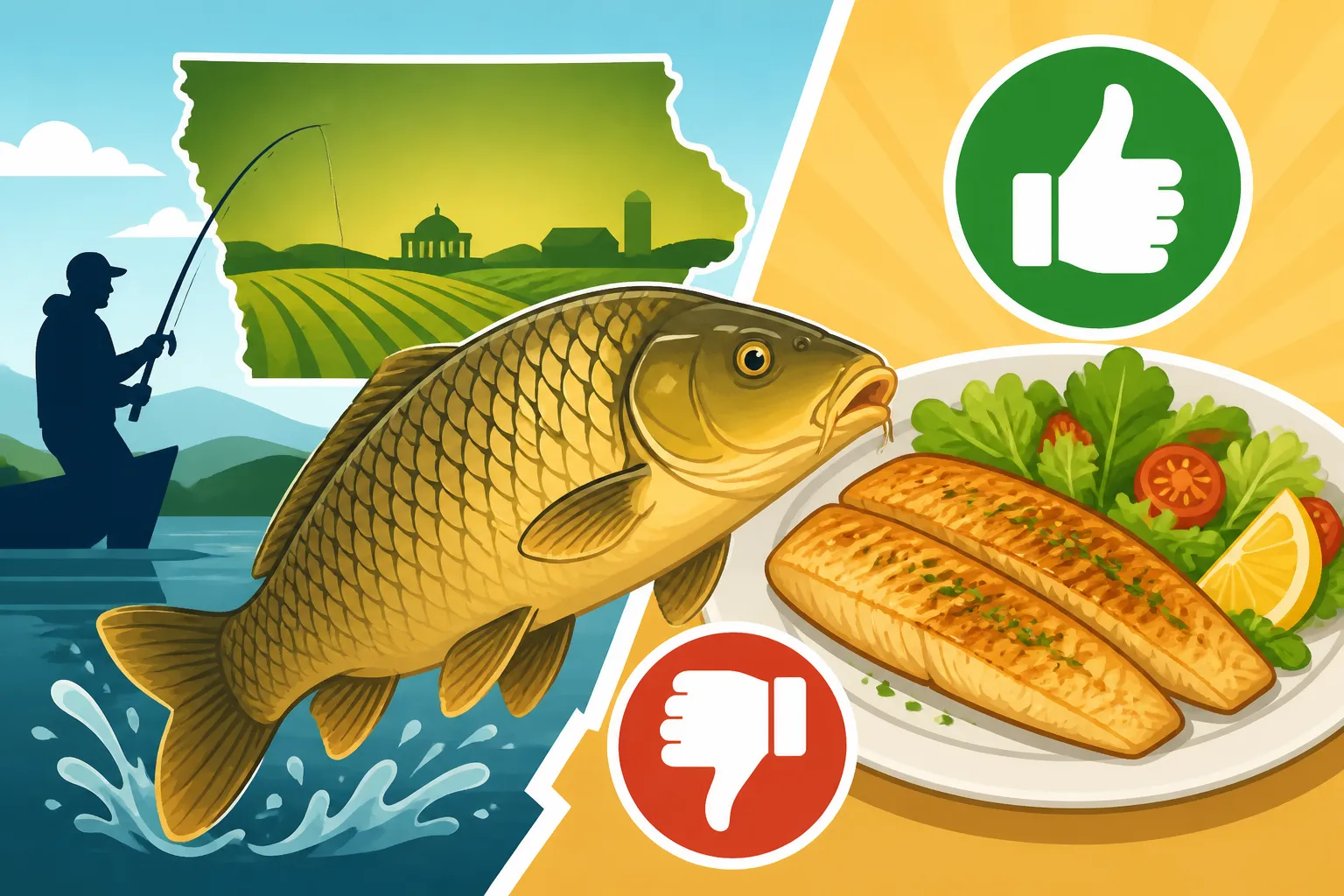
Let's be honest, carp have a bit of a PR problem in the fishing world. Many anglers in Iowa and beyond cast them aside, literally and figuratively, with a dismissive wave, convinced they're nothing more than trash fish not fit for the dinner table. This often stems from a few bad experiences or old tales. But what if I told you that with the right approach, carp can actually be a surprisingly delicious meal? This guide is here to tackle that misconception head-on, exploring whether carp are good to eat, especially for us Iowa anglers, and how to prepare them to maximize their flavor.
The Common Perception: Why Carp Get a Bad Rap
It's completely understandable why so many folks in Iowa are hesitant to try eating carp. For generations, they've been typecast, and often for reasons that, while not entirely wrong, also aren't the whole story.
Muddy Taste and Habitat
One of the biggest complaints you'll hear is that carp taste "muddy." This isn't entirely baseless. Carp are bottom feeders, known for rooting around in the sediment for their food. If a carp comes from warm, stagnant, muddy water, it absolutely can pick up an off-flavor. Think about it: if you're pulling a fish out of a shallow, silty pond in the middle of a hot August, there's a higher chance it might carry that earthy taste.
This perception is especially strong here in the Midwest, where many of our rivers and lakes can experience periods of high turbidity. It's frustrating to spend time catching a fish only to find it doesn't meet your culinary expectations. But it's also a disservice to the fish from cleaner, cooler waters that don't have this issue. It's a bit like judging all apples by one bruised one.
Bones, Bones, and More Bones
Another significant barrier for many would-be carp eaters is the sheer number of bones. Carp are notorious for having a complex skeletal structure, full of small, Y-shaped bones that can be a real nuisance to pick through. Nobody wants to spend their entire meal meticulously dissecting their plate, especially when you're looking for a relaxing dinner after a long day on the water.
This issue alone is enough to deter many, even if the flavor were perfect. The thought of constantly having to be on guard for a hidden bone can take all the enjoyment out of eating. We've all been there, trying to enjoy a meal and suddenly feeling that unwelcome crunch. It's a legitimate concern that has pushed many Iowa anglers away from keeping their carp catches for the skillet.
Dispelling the Myths: Why Carp Can Be Delicious
While the common perceptions about carp aren't entirely unfounded, they definitely don't tell the full story. With a bit of knowledge and the right techniques, carp can transform into a truly enjoyable meal.
It's All About Preparation and Water Quality
The "muddy" taste isn't an inherent quality of all carp; it's often a symptom of their environment and how they're handled. A carp caught from cool, clean, flowing water – like many sections of the Mississippi River or some deeper, spring-fed lakes in Iowa – will taste remarkably different from one caught in a warm, shallow, stagnant ditch. The water quality plays a massive role in their flavor profile.
Beyond the water, proper preparation is key. Bleeding the fish immediately after catching, skinning it, and meticulously trimming away any dark meat (especially the lateral line and belly fat) can make a world of difference. This dark meat tends to hold more of the oils and flavors that contribute to the "muddy" taste. Think of it like trimming the silver skin off a pork tenderloin – it just makes for a better end product. Taking these extra steps turns a potential culinary disappointment into a delightful surprise.
Different Species, Different Tastes
Not all "carp" are created equal when it comes to eating. When most people think of carp, they're picturing the common carp (Cyprinus carpio), which is an introduced species in Iowa. However, Iowa also deals with several species of invasive Asian carp, such as silver carp and bighead carp. These species, particularly silver carp, are often regarded as superior table fare by those who've tried them.
Silver carp, for instance, are filter feeders, meaning they consume plankton directly from the water column rather than rooting in the mud. This difference in diet often results in a much cleaner, milder-tasting flesh. While they still have a challenging bone structure, their flavor is frequently compared to cod or tilapia. Understanding these distinctions can open up a whole new world of culinary possibilities for anglers. The taste difference can be quite dramatic depending on which carp species you've landed. To learn more about identifying these species and the rules around them, check out Asian Carp Identification and Rules.
Techniques for Making Carp Palatable
So, you've decided to give carp a chance! Excellent! Now, let's talk about the specific techniques that will turn that overlooked fish into a meal you'll actually look forward to. These steps are crucial and can make all the difference.
Bleeding and Cleaning Immediately
This is perhaps the most important step for any fish you plan to eat, and it's especially true for carp. As soon as you catch a carp you intend to keep, bleed it immediately. Cut the gills or sever the artery just behind the pectoral fin. This process removes blood from the flesh, which is often a major contributor to any "gamey" or "muddy" taste. Get that fish on ice as quickly as possible afterward. The colder you keep it, the better the flavor and texture will be.
Once you're ready to clean your catch, fillet the carp as you would any other fish. The crucial next step is to remove the skin and, most importantly, the dark red lateral line and any fatty belly meat. This dark strip of meat often contains the most off-flavors. Take your time, be meticulous, and cut it out completely. Some people even soak the fillets in salted water or milk in the refrigerator for a few hours (or overnight) to draw out any remaining undesirable flavors. You can find some great fillet knives and cleaning stations on Amazon to help make this process smoother.
Scoring and Pressure Cooking for Bones
The bones are undeniably the biggest hurdle with carp. But there are ways to manage them! The most popular method for smaller carp fillets is scoring. After you've filleted and skinned the fish, lay the fillet skin-side down (or where the skin was) and make a series of parallel cuts, about 1/8 to 1/4 inch apart, all the way down to the rib bones but not through the flesh. Then, flip the fillet over and make similar cuts on the other side, perpendicular to the first set if you can. These cuts go through the tiny Y-bones, essentially segmenting them into small, chewable pieces that will soften significantly when cooked.
For larger carp, or if you prefer a different approach, pressure cooking or smoking can work wonders. High heat and pressure will soften those pesky bones to the point where they can be eaten without noticing them, much like the soft bones in canned salmon or sardines. Smoking also tenderizes the meat and infuses it with delicious smoky flavor, making the bones less of an issue. If you're looking for a good pressure cooker or smoker, you can find a wide variety of options on Amazon.
Marinating and Seasoning
Once your carp is cleaned and prepped, it's time to infuse it with flavor. Marinades are your friend here. Acidic marinades, using ingredients like vinegar, lemon juice, or even buttermilk, can further tenderize the meat and help neutralize any faint "muddy" flavors. Let the fillets soak for at least a few hours, or even overnight for a more profound effect.
When it comes to seasoning, don't be shy! Carp can stand up to bold flavors. Think garlic powder, onion powder, paprika, cayenne pepper, black pepper, and a good amount of salt. Rubs designed for BBQ or poultry can also work exceptionally well. If you're going for a more traditional Iowa fish fry, a cornmeal-based breading seasoned heavily with your favorite spices will create a delicious crispy crust that locks in moisture and flavor. Experiment with different spice blends until you find what truly tantalizes your taste buds.
Popular Carp Recipes and Serving Ideas
Now for the fun part – eating! With proper preparation, carp can be incredibly versatile in the kitchen. Here are a few popular ways Iowans (and others) enjoy their carp, turning a much-maligned fish into a centerpiece.
Smoked Carp: A Midwest Favorite
Smoking is arguably one of the most popular and effective ways to prepare carp, especially larger ones. The low, slow heat combined with flavorful wood smoke does an amazing job of transforming the texture and infusing the fish with an irresistible aroma. The bones, which are often the biggest complaint, become much softer and less noticeable after several hours in the smoker.
To prepare, you'll want to brine your carp fillets (or even whole, scaled fish if they fit your smoker) in a salty, sugary solution for several hours or overnight. This adds flavor and helps retain moisture. After brining, pat them dry to form a pellicle, which helps the smoke adhere. Then, smoke them with your favorite wood (hickory, apple, or cherry are popular choices) until the internal temperature reaches a safe level and the flesh is flaky. Smoked carp is fantastic on its own, flaked into dips, or used in sandwiches. It's a true delicacy that might just change your mind about carp entirely.
Fried Carp: Crispy and Flavorful
Just like with walleye or crappie, frying is a classic method that works wonderfully for carp, especially smaller fillets or scored larger ones. The key here is a good, seasoned breading and hot oil. The crispy exterior provides a delightful contrast to the tender, flaky meat inside.
Start by dipping your carp pieces in an egg wash or buttermilk, then dredge them generously in a seasoned cornmeal or flour mixture. Many Iowa anglers swear by a mix of cornmeal, flour, salt, pepper, and a pinch of cayenne for a little kick. Fry them in hot vegetable oil (around 350-375°F or 175-190°C) until golden brown and cooked through. Serve these crispy delights with tartar sauce, a squeeze of lemon, and classic sides like coleslaw and hushpuppies. The scoring technique mentioned earlier is particularly effective here, as the hot oil helps to crisp and soften those small bones even further.
Carp Cakes and Patties
If the thought of bones still gives you pause, even after scoring, then carp cakes or patties are your ultimate solution. This method completely bypasses the bone issue by cooking the carp first, flaking the meat off the bones, and then binding it with other ingredients. It's similar to making crab cakes or salmon patties.
You can cook the carp fillets by baking, poaching, or steaming until tender. Once cooled, carefully flake the meat away from any bones. Then, combine the flaked carp with breadcrumbs, a beaten egg, chopped onion or bell pepper, fresh herbs (like parsley or dill), and seasonings. Form them into patties and pan-fry them in a little oil until golden brown and heated through. These are fantastic on a bun, over a salad, or as an appetizer with a dipping sauce. This is an excellent way to introduce hesitant eaters to carp, as there are no surprises when it comes to bones.
| Preparation Method | Key Benefit | Bone Management | Flavor Profile | Best For |
|---|---|---|---|---|
| Bleeding/Icing | Improves flavor | N/A | Cleaner, less "muddy" | All carp |
| Skinning/Trimming | Removes strong flavors | N/A | Milder, less "fishy" | All carp |
| Scoring | Makes bones edible | Cuts through Y-bones | No direct flavor change | Fried/Baked fillets |
| Pressure Cooking | Softens bones entirely | Dissolves bones | Can be very tender | Stews, canned carp |
| Smoking | Infuses deep flavor, tenderizes | Softens bones | Rich, smoky | Larger fillets, whole carp |
| Frying | Crispy texture | Helps crisp small bones (with scoring) | Varies with breading | Fillets, smaller carp |
| Carp Cakes | Eliminates bone concern | Bones removed before serving | Versatile, rich | Any carp, especially larger ones |
Regulations and Responsible Harvest in Iowa
As responsible anglers, it's not just about what tastes good, but also about understanding the rules and our impact on the environment. When it comes to carp in Iowa, there are a few important considerations.
Iowa's Generous Carp Limits
One of the great things about carp fishing in Iowa, from a harvest perspective, is that the regulations are often very liberal. Unlike many native sport fish with strict Iowa Fishing Daily Bag Limits Guide and size restrictions, common carp and many Asian carp species typically have no daily bag or possession limits. This means you can keep as many as you reasonably intend to eat, which is fantastic if you're planning a big fish fry or want to experiment with different recipes.
This open-door policy on carp harvest reflects their abundance and, in the case of Asian carp, their invasive status. It's a clear signal from the Iowa DNR that they encourage anglers to remove these fish from our waterways. So, when you're out there, don't hesitate to keep a few carp if you're prepared to cook them up! Just always double-check the current Iowa Fishing Regulations Explained before you head out, as rules can occasionally change.
Helping the Ecosystem
Harvesting carp, especially invasive Asian carp, isn't just about putting food on your table; it's also a way to contribute positively to Iowa's aquatic ecosystems. Asian carp (silver, bighead, grass, and black carp) were introduced into the US and have since spread, outcompeting native species for food and habitat. Silver carp, in particular, are known for their spectacular jumping behavior, which can be a hazard to boaters.
By keeping the carp you catch, particularly the Asian varieties, you're helping to reduce their numbers and alleviate some of the pressure on our native fish populations. It's a win-win situation: you get a delicious meal, and you're doing your part to protect Iowa's natural resources. It’s a tangible way for anglers to make a difference beyond just catch and release.
Checking Local Advisories
While carp can be delicious, it's always smart to be aware of any local fish consumption advisories issued by the Iowa Department of Natural Resources (DNR) or local health authorities. These advisories exist for certain bodies of water where contaminants like mercury or PCBs might accumulate in fish, especially older, larger, bottom-feeding species like carp.
These advisories don't usually mean you can't eat the fish at all, but they might recommend limiting consumption, especially for vulnerable populations like pregnant women, nursing mothers, and young children. You can usually find this information on the Iowa DNR website. A quick search before your fishing trip, particularly if you're fishing in a new area or a heavily industrialized stretch of water, is always a good idea. Staying informed ensures you're enjoying your catch safely and responsibly.
Disclaimer
This article is for general informational purposes only and does not constitute professional advice. Laws, prices and regulations vary by location and change over time. Consult a qualified professional for guidance on your specific situation.