Invasive Fish Species in Iowa Waters
It can be incredibly frustrating to head out to your favorite Iowa fishing hole, only to find the waters teeming with fish that don't belong there, outcompeting the native species you love to catch. It's a silent struggle happening beneath the surface, one that threatens the delicate balance of our beloved lakes and rivers. This guide is here to shed light on the pervasive issue of invasive fish species in Iowa, help you identify them, understand their impact, and most importantly, equip you with the knowledge to do your part in protecting our cherished aquatic ecosystems.
Understanding Invasive Species and Why They Matter in Iowa
The term "invasive species" gets thrown around a lot, but what does it really mean for our Iowa waters? It's more than just a fish being in a new place; it's about the disruption these newcomers cause. Our lakes and rivers have evolved over thousands of years with specific native species that have their own roles to play in the ecosystem. When an invasive species shows up, it's like an uninvited guest crashing a delicate party, and they often cause a lot of trouble.
What Exactly Makes a Fish "Invasive"?
A fish is considered "invasive" if it's introduced to an ecosystem where it doesn't naturally occur, and it causes harm to the environment, economy, or human health. It's not just about being "non-native" or "exotic." Many non-native species are harmless, simply living alongside our native fish without issue. The crucial distinction is the harm they inflict. For a fish to truly earn that invasive label, it must demonstrate a capacity to thrive, reproduce rapidly, and then outcompete, prey upon, or spread disease to native populations. They throw a wrench into the established order, often with devastating consequences. You can learn more about this broader topic in our article What an Invasive Fish Species Is.
Consider a classic Iowa farm pond. It's a micro-ecosystem, right? The bluegill, bass, and crappie have their roles. Now imagine someone dumps a species of carp that reproduces like crazy and eats all the aquatic vegetation that those native fish rely on for food and shelter. Suddenly, the pond’s balance is tipped. That’s what we’re talking about with invasive species on a much larger scale across our state. They don't just appear out of nowhere; they are often introduced accidentally or sometimes even intentionally by folks who don't understand the long-term repercussions.
The Silent Threat to Iowa's Native Fish
The real concern for us anglers is how these invasive species affect the fish we love to target. They are incredibly disruptive. They might compete for food sources, like tiny insects or aquatic plants, leaving less for our native walleye, bass, and panfish. Some invasive species can even prey directly on the eggs or young of native fish, effectively reducing the next generation of desirable game fish. This competition and predation can lead to a decline in native fish populations, which translates directly to poorer fishing for us.
Beyond just food and predation, invasive species can also introduce diseases or parasites that our native fish have no natural immunity to. Imagine a new flu strain hitting a secluded town that's never experienced it before – that's what a new pathogen can do to a fish population. The long-term impact on Iowa's biodiversity and the health of our fisheries is significant. It changes the very character of our waterways and makes our jobs as conservation-minded anglers even more important. It’s a battle that’s often fought silently, below the surface, but its effects are felt directly in our tackle boxes and on our dinner plates.
The Most Common Invasive Fish Species in Iowa
When we talk about invasive fish in Iowa, there are a few usual suspects that often come up. These are the species that have successfully established themselves and are actively causing problems for our native aquatic life and for anglers trying to enjoy a day on the water.
Asian Carp: The River's Jumping Menace
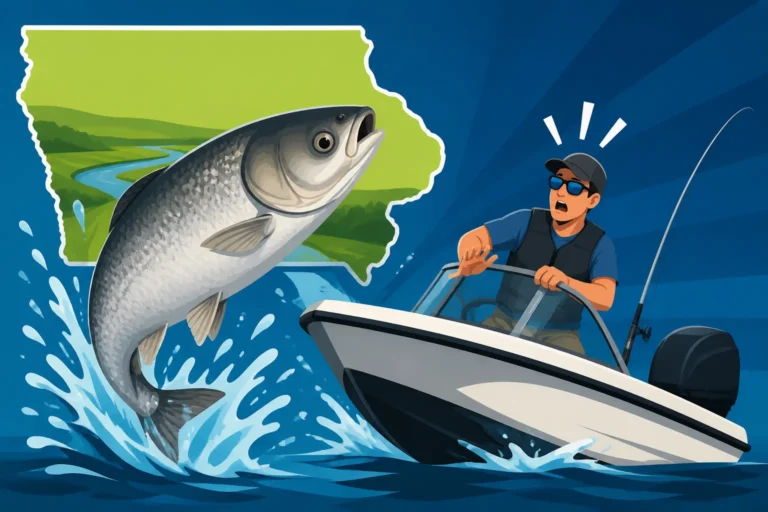
If you've spent any time fishing or boating on the Mississippi River or its major tributaries in Iowa, you've probably heard about or even seen Asian Carp. This group includes several species, primarily Bighead Carp, Silver Carp, Grass Carp, and Black Carp. The Silver Carp, in particular, are known for their spectacular (and sometimes dangerous) aerial acrobatics, jumping out of the water when startled by boat engines. They weren't always here; they were originally brought to the U.S. to control algae and parasites in aquaculture facilities and wastewater treatment plants, but they escaped into the wild during floods.
These fish are highly efficient filter feeders, meaning they consume vast quantities of plankton – the very base of the aquatic food web. Our native fish, especially the young of many species, rely on that same plankton. When Asian Carp are present in large numbers, they essentially vacuum up all the food, leaving little to no sustenance for our native species like crappie, bluegill, and even juvenile walleye and bass. This competition can drastically reduce the health and numbers of sport fish. They also grow to enormous sizes and reproduce quickly, making them incredibly successful invaders. You can find more specific information on these fish in our guide Asian Carp Identification and Rules. It’s worth noting that if you’re fishing or boating on major rivers, watching out for these jumping fish is also a safety concern, as described in Are Asian Carp Dangerous to Boaters?.
Gizzard Shad: Competition for Our Native Species
Gizzard Shad are another prevalent invasive species in many Iowa lakes and rivers, though they are often overlooked compared to the flashy Asian Carp. While native to some parts of the Mississippi River basin, they have spread and become invasive in many inland lakes and reservoirs where they weren't historically present. They are planktivores, much like the Asian Carp, meaning they feed on microscopic plants and animals in the water column.
The problem with Gizzard Shad is their prolific reproduction and their tendency to dominate the food chain, especially in nutrient-rich waters. They grow quickly, but mature Gizzard Shad become too large for most predatory sport fish to eat, creating a biomass of fish that provides little to no nutritional value for our game fish. This means a lake can be full of Gizzard Shad, but the walleye, bass, and crappie are struggling to find enough to eat because the shad are consuming all the plankton that would otherwise feed the juvenile sport fish. This leads to stunted growth and reduced populations of desirable fish. It's a classic case of quantity over quality, and it can really impact your fishing success. For more details on this species, check out Gizzard Shad Facts and Habitat.
Other Noteworthy Invaders
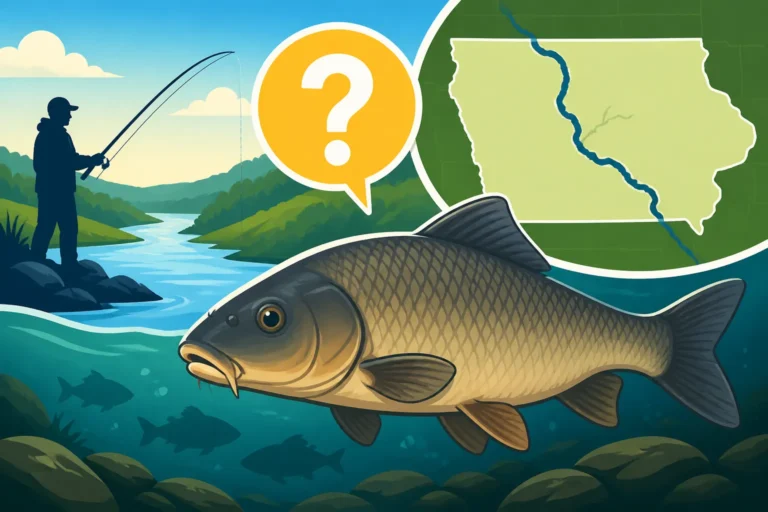
While Asian Carp and Gizzard Shad are perhaps the most widespread and impactful, Iowa’s waters contend with other non-native species that can cause localized or emerging issues. Common Carp, for instance, were introduced in the late 19th century and are now ubiquitous. While often tolerated, they can degrade water quality by stirring up bottom sediments while feeding, which increases turbidity and nutrient release, negatively impacting native vegetation and sight-feeding predators. Goldfish, often released from home aquariums, can establish wild populations and hybridize with native carp species, carrying similar disruptive traits.
Another one to be aware of, though not yet widespread as an invasive fish in all of Iowa's waters, is the presence of other species that can become problematic if introduced. Live baitfish from other watersheds, if released, can introduce species or diseases not native to a particular lake or stream. This is why strict adherence to bait regulations and the "Clean, Drain, Dry" protocol is so crucial. The point is, any species moved outside its natural range has the potential to become an invader, and we all have a part to play in preventing new introductions. Sometimes, even what seems like an innocuous release can lead to unforeseen ecological issues down the line.
| Invasive Fish Species | Primary Threat to Iowa Waters | Impact on Anglers |
|---|---|---|
| Asian Carp | Consumes vast plankton, outcompeting native juveniles; physically dangerous when jumping. | Fewer game fish due to food competition; potential for physical injury on rivers. |
| Gizzard Shad | Dominates plankton, creating large, inedible biomass for predators; stunts native growth. | Stunted game fish, lower numbers of desirable species; poor fishing success. |
| Common Carp | Degrades water quality by stirring sediment, destroying vegetation. | Reduces water clarity, harms habitat for sight-feeding fish like bass and walleye. |
| Goldfish | Can hybridize with carp, compete with native species, introduce diseases. | Similar to Common Carp, contributes to habitat degradation and competition. |
How Invasive Species Spread and What Anglers Can Do
It’s easy to feel helpless when faced with something as daunting as invasive species, but understanding how they spread is the first step toward prevention. And guess what? Anglers, boaters, and even casual visitors to our waterways play a huge role, both in the problem and in the solution.
Common Pathways for Introduction and Expansion
The spread of invasive fish species isn't usually due to some grand, coordinated effort; it's often a series of small, seemingly innocent actions. One of the biggest culprits is the unauthorized stocking or release of fish. This could be someone dumping their pet goldfish into a local pond, or worse, illegally transferring baitfish from one body of water to another, often unknowingly introducing a non-native species or a pathogen. For instance, you might use live minnows from a bait shop in a different watershed, and if those minnows escape or are released, they could introduce a species that doesn’t belong in that particular lake. The potential problems here are significant, and it’s why understanding What Fish Are Illegal to Release in Iowa is so important.
Another major pathway is through recreational boating. Invasive species, their eggs, or even microscopic larvae can hitch a ride on boats, trailers, or fishing gear that hasn’t been properly cleaned. Imagine pulling your boat out of an infested lake, driving it across the state, and then launching it into a pristine body of water without cleaning it. You could be carrying unseen invaders right into a new ecosystem. Natural events like floods can also connect waterways that are normally isolated, allowing fish to migrate into new areas where they can become invasive. This is why awareness and responsible behavior are so critical.
Your Role in Preventing the Spread: Clean, Drain, Dry
This is where you come in. The single most effective thing anglers and boaters can do to prevent the spread of aquatic invasive species is to adopt the "Clean, Drain, Dry" protocol. It's simple, but it's incredibly powerful:
- Clean: Before leaving any boat ramp or shore, remove all visible mud, plants, fish, and other organisms from your boat, trailer, fishing gear, waders, and any other equipment that came into contact with the water. A stiff brush, a towel, and a good pair of hands can make a world of difference. You might even find some helpful tools on Amazon for scrubbing down your gear!
- Drain: Completely drain all water from your boat (including the bilge, livewell, and bait buckets), motor, and any other water-holding equipment. Leave drain plugs out while traveling to ensure everything dries out properly. This is crucial for getting rid of any invisible larvae or microscopic organisms.
- Dry: Allow all equipment to thoroughly dry for at least 5 days before using it in a different body of water. If you can't wait that long, or if weather conditions make drying difficult, consider a high-pressure wash with hot water (140°F/60°C) if available, especially for hard-to-reach areas. This heat can kill off many aquatic invaders.
Adhering to these steps prevents the transfer of species that could devastate a new fishing spot. It's a small effort with a massive payoff for the health of our fisheries. Every angler has a responsibility here, and by following these simple guidelines, you’re actively contributing to conservation.
Reporting Sightings and Fishing Regulations
Beyond preventing spread, being a watchful eye on the water is another key role for anglers. If you suspect you've caught an invasive species that you don't recognize, or if you see something unusual in the water, it's important to report it. Don't release it back into the water if you believe it's invasive and not native to that particular body of water. Instead, take photos, note the location, and contact the Iowa Department of Natural Resources (DNR) through their official channels. They have biologists and experts who track these things, and your report could be vital. Our article Reporting a Fishing Violation in Iowa gives you general guidance on how to contact authorities for aquatic concerns.
It's also essential to be familiar with specific Iowa Fishing Regulations Explained, as rules often differ for invasive species. For example, some regulations might require you to not release certain invasive fish if you catch them. For Asian Carp, specifically, the general guidance is to not release them alive if caught. Knowing these specific rules helps you comply with the law and aid in control efforts. Make sure to consult the most current Iowa fishing regulations booklet or the DNR website before your trip to ensure you're up-to-date on all species-specific guidelines.
The Impact on Iowa's Ecosystems and Fishing
The presence of invasive fish species isn't just an abstract ecological problem; it has very real, tangible effects on the entire aquatic ecosystem and, by extension, on our beloved fishing experiences in Iowa. It's a domino effect that starts with one species and ripples through the entire food web.
Disrupting the Food Web and Habitat
One of the most profound impacts of invasive fish species is their ability to throw the entire food web out of whack. Imagine a lake where native species like bluegill and crappie rely on zooplankton for their survival, especially when they are young. Now introduce a highly efficient filter feeder like the Silver Carp. These carp can consume vast quantities of zooplankton, essentially outcompeting the native fish for their primary food source. This competition isn't fair because the carp grow much larger and reproduce more rapidly, leading to a significant decrease in food availability for our native sport fish.
Beyond direct competition, some invasive species can physically alter the habitat. Common Carp, for instance, are notorious for their bottom-feeding habits, which stir up sediment. This increases the turbidity (cloudiness) of the water, making it harder for sight-feeding fish like bass and walleye to hunt. It also prevents sunlight from reaching aquatic vegetation, which is crucial for native fish habitat, spawning grounds, and oxygen production. When these plants die off, shorelines erode more easily, and the entire structure of the aquatic ecosystem changes, often making it less hospitable for the fish we want to catch. The overall health of the water suffers, and it becomes a less vibrant place for all aquatic life.
Economic and Recreational Consequences for Anglers
The ecological disruption inevitably leads to economic and recreational consequences for those of us who love Iowa fishing. When native fish populations decline due to competition or habitat degradation, fishing success rates drop. Fewer fish, or smaller, less healthy fish, mean a less enjoyable experience for anglers. This can deter people from visiting certain lakes or rivers, impacting local bait shops, guides, tackle stores, and other tourism-related businesses. Imagine planning a trip to one of Iowa's great lakes, only to find the fishing isn't what it used to be, partially due to invasive species.
Beyond direct fishing, the cost of managing and controlling invasive species is substantial. State agencies spend significant resources on monitoring, research, and control programs, funds that could otherwise be used for improving native fisheries or developing new recreational opportunities. Furthermore, some invasive species, like jumping Silver Carp, can pose a physical danger to boaters and water skiers, leading to injuries and potentially increasing insurance costs or discouraging participation in water sports. Ultimately, invasive species erode the quality of our outdoor experiences and place a financial burden on both state resources and individual anglers. It's a stark reminder that what happens below the surface truly impacts our lives topside.
Management and Control Efforts in Iowa
Addressing the challenge of invasive fish species is a complex, ongoing effort that involves multiple strategies. It's not a quick fix, but rather a long-term commitment from state agencies, researchers, and, crucially, from informed anglers like us.
State Initiatives and Research
The Iowa Department of Natural Resources (DNR) plays a pivotal role in monitoring and managing invasive fish species across the state. This involves constant surveillance of waterways to detect new introductions and track the spread of established populations. Biologists conduct surveys, often using specialized netting or electrofishing techniques, to assess population sizes and distribution of invasive species. This data is critical for understanding the scope of the problem and for developing targeted management plans. The DNR also collaborates with neighboring states and federal agencies, especially concerning shared waterways like the Mississippi and Missouri Rivers, recognizing that these issues don't respect state borders.
Research is another key component. Scientists are continually exploring new and improved methods for controlling invasive species, from innovative trapping techniques to biological controls, although biological controls are used with extreme caution to avoid unintended consequences. There's also a focus on educating the public, helping anglers and boaters understand the risks and their role in prevention. These initiatives are often highlighted in the Iowa Fishing Regulations Explained guide each year, showcasing changes and priorities. It’s a continuous battle, and the more we understand the strategies, the better we can support them.
Angler Participation in Control Catch & Keep
As anglers, we have a unique opportunity to directly participate in control efforts, particularly when it comes to species like Asian Carp. The general rule for species like Asian Carp in Iowa's public waters is: if you catch it, don't release it alive. This is a direct measure to reduce their numbers. Many anglers are hesitant because they don't know what to do with these fish. However, Asian Carp are actually quite good to eat; they have flaky, white meat, though they can be bony. Learning to clean them can provide a sustainable food source while helping the environment.
Another option for these unwanted catches, if you don't want to consume them, is to use them as fertilizer in your garden (after checking local regulations, of course) or properly dispose of them in the trash. The key is to remove them from the water system. This collective effort of "catch and keep" can make a difference, especially in areas where these fish are abundant. For many other invasive species, such as Common Carp, anglers often practice catch and release, but if you're targeting them for removal, keeping them is always an option. You can find specialized gear on Amazon for cleaning fish or even robust stringers for managing your catch. This direct action by individuals, multiplied by thousands of anglers, adds up to a significant impact on invasive populations.
Disclaimer
This article is for general informational purposes only and does not constitute professional advice. Laws, prices and regulations vary by location and change over time. Consult a qualified professional for guidance on your specific situation.