Best Time to Fish Before a Cold Front
There’s nothing quite as frustrating as planning a much-anticipated fishing trip, only to have a sudden cold front roll through and completely shut down the bite. It’s a common scenario here in Iowa, where our weather can be as unpredictable as a channel catfish on the line. But what if I told you that the very anticipation of a cold front could lead to some of the most exciting fishing of your season? This guide is all about understanding why fish respond to these weather changes and how you can capitalize on that short, golden window before the front hits.
Understanding the Cold Front Phenomenon and Its Impact on Fish
When we talk about a "cold front" in Iowa, we're generally referring to a mass of colder, denser air pushing into an area of warmer air. This isn't just a simple temperature drop; it's a whole atmospheric shift that brings with it a cascade of changes that deeply affect fish behavior. It's not just about the thermometer; it's about barometric pressure, light conditions, and water dynamics. Many anglers get discouraged when they see a cold front approaching, thinking it means bad fishing, but seasoned veterans know to look for that opportune moment right before everything changes.
The Science Behind the Mood Swings: Barometric Pressure
One of the biggest, yet often unseen, factors influencing fish before a cold front is the change in barometric pressure. Think of it like this: fish have an air bladder inside them, which helps them control their buoyancy in the water column. When the barometric pressure is stable and high, fish feel comfortable and generally hold to their routine patterns. They don't have to work extra hard to maintain their depth. However, as a cold front approaches, the barometric pressure usually drops significantly. This drop in pressure can make fish uncomfortable, affecting their swim bladders and often pushing them deeper to equalize the pressure.
This initial discomfort, paradoxically, often triggers a feeding frenzy. As the pressure falls, fish sense the impending change—the tougher, colder, and potentially less favorable conditions that are about to settle in. They instinctively know that their metabolism will slow down, and feeding opportunities might become scarce for a while. So, much like us stocking up on groceries before a big snowstorm, fish go on a last-minute forage mission, trying to pack in as much food as possible before the "store" closes, so to speak. This is the crucial moment we're trying to pinpoint.
How Light and Temperature Play a Role
Beyond pressure, the changing light and temperature also contribute to the pre-front bite. Before a cold front truly settles in, you'll often notice a period of warmer, more stable weather. The sky might be partly cloudy, offering a bit of diffusion, and the air might feel somewhat heavy. This comfortable environment, combined with the falling pressure, creates ideal conditions for fish activity. The water temperature might still be stable, keeping their metabolism high. However, once the front actually arrives, skies often clear, winds pick up, and the temperature plummets, both in the air and eventually in the water.
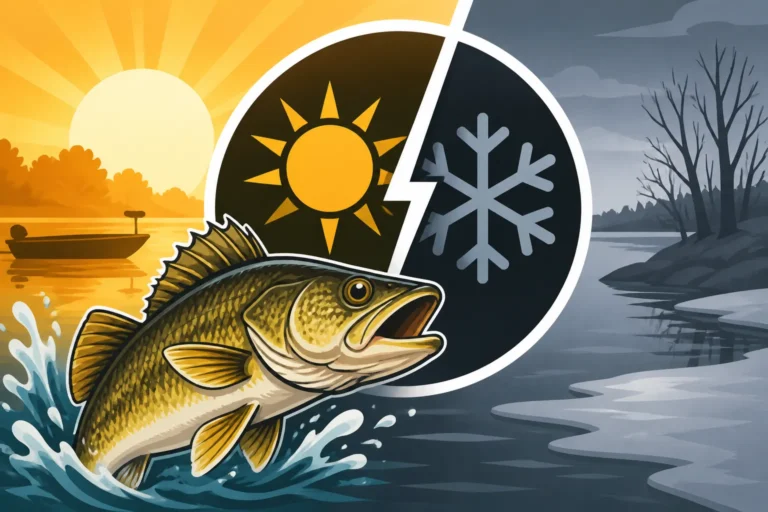
Clear, bright post-front skies can make fish feel exposed and wary, causing them to hug cover or go deeper. The sudden drop in water temperature can also shock their systems, making them lethargic and less inclined to chase bait. This is why timing is everything; you want to be out there when conditions are still good, but fish are already feeling the push to feed. Learning how to read the weather patterns, not just relying on a thermometer, is key to becoming a more successful angler.
The Golden Window: Why Fishing Before a Cold Front is Prime
For any angler worth their salt, the period just before a cold front hits can be like finding a hidden treasure map. This isn't just about an hour or two; it can be a significant window of opportunity, sometimes a full day or even two, where fish become incredibly active. It’s when their natural instincts kick into overdrive, prompting them to feed aggressively and store up energy for the lean times ahead. Ignoring this opportunity means missing out on some potentially epic fishing.
Identifying the Pre-Front Feeding Frenzy
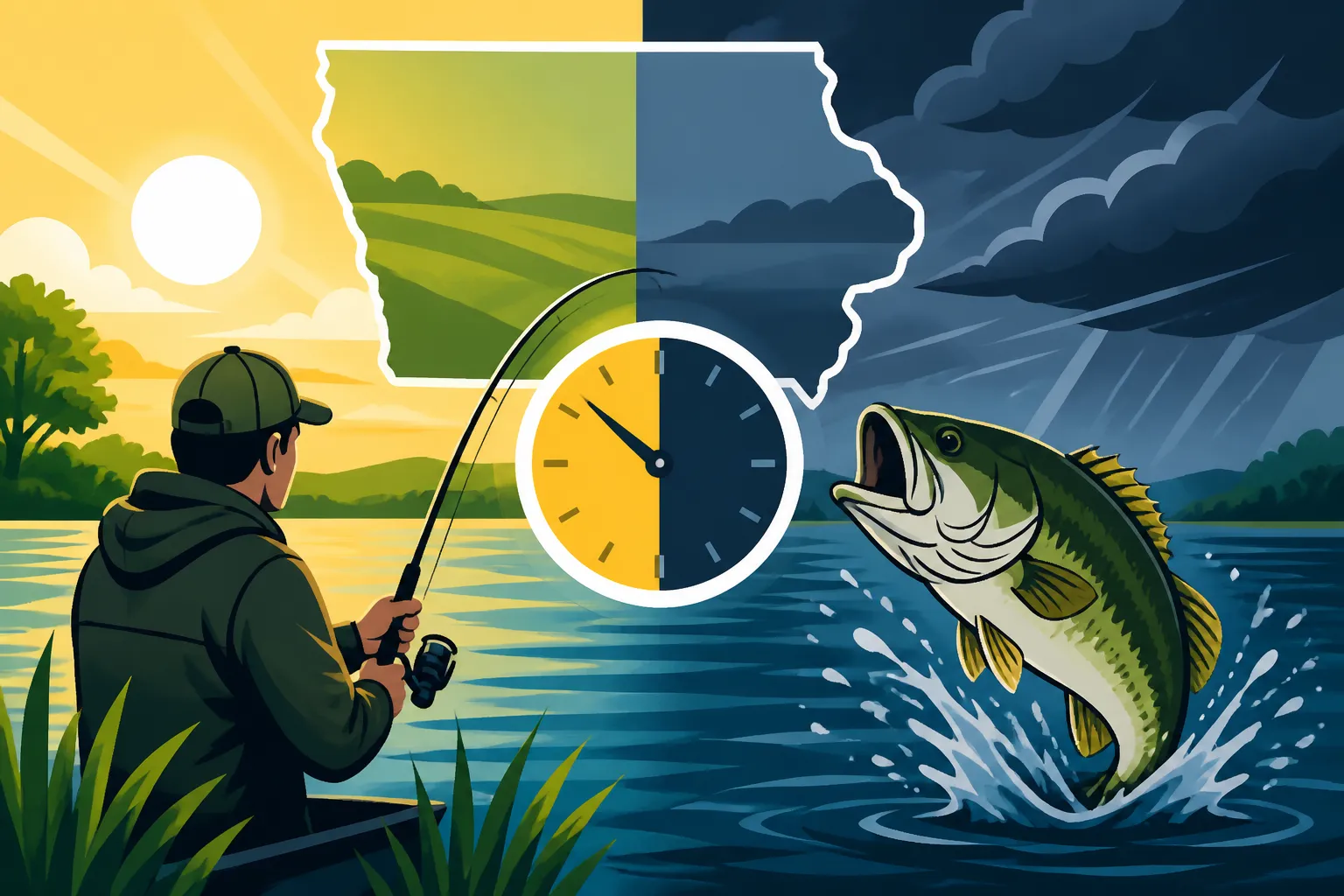
How do you know when this "golden window" is open? It often starts when the weather begins to shift from a period of stable conditions. You might notice the wind starting to pick up, perhaps a south or southwest breeze becoming stronger. Clouds might begin to build, and sometimes there's a muggy, humid feel to the air. More importantly, check your local weather forecast for impending cold fronts. The key is to look for a significant drop in temperature forecasted for the next 12-24 hours. The period just before that temperature drop, while the barometric pressure is actively falling, is your prime time.
During this feeding frenzy, fish aren't just nibbling; they're often slamming baits. You might experience a higher frequency of bites, and the fish on the other end of the line could be more aggressive fighters. This is their last hurrah, their final big meal before the metabolic slowdown, so they're often less cautious and more willing to strike at a variety of presentations. It's a fantastic time to experiment with slightly larger or more attention-grabbing lures, as they're actively looking for a substantial meal.
Timing Your Trip for Maximum Impact
Timing is absolutely critical. You want to be on the water before the front officially arrives and the temperatures start to plummet. If the forecast says a cold front will arrive overnight, that afternoon or early evening is your best bet. If it's expected in the late afternoon, aim for that morning. The window closes fairly quickly once the front passes, typically within a few hours of the pressure stabilizing at a lower point and the temperatures dropping.
Many anglers make the mistake of waiting until the day after a cold front, thinking the air will be crisp and clear. While beautiful, this is often the toughest fishing. The fish are already in their post-front funk, hunkering down and conserving energy. So, while it might not be the most comfortable day to be out with the wind blowing and clouds gathering, the potential rewards for enduring those pre-front conditions are well worth it. Be prepared for the weather to change rapidly, packing layers of clothing and rain gear, even if it looks mild when you leave the house.
Targeting Key Species: Pre-Front Strategies for Iowa Anglers
Different fish species react to cold fronts in slightly different ways, but the underlying instinct to feed aggressively before the changes remain. Understanding these nuances can help you tailor your approach, whether you're chasing walleye, bass, or catfish in Iowa's diverse waters.
Walleye and Bass: Aggressive Attacks
For popular game fish like walleye and both largemouth and smallmouth bass, the pre-front bite can be phenomenal. These predatory fish often become incredibly aggressive, moving out of their typical holding patterns to actively hunt for food.
Walleye Wisdom
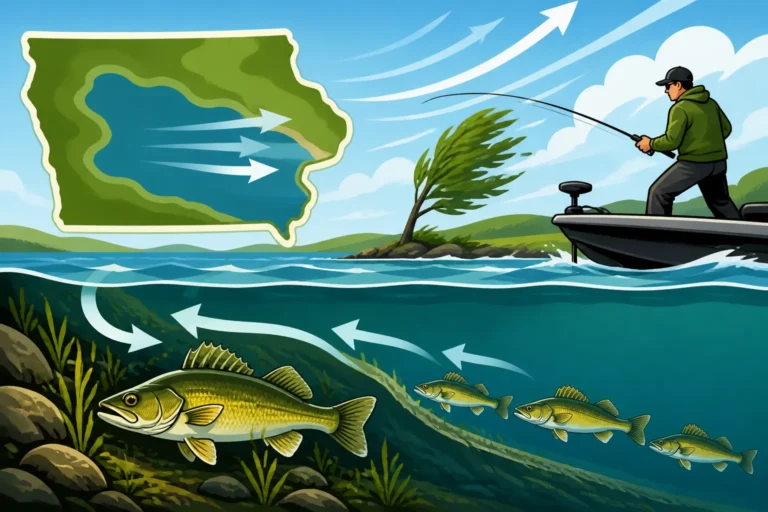
Before a cold front, walleye often move shallower or become more active in the areas they already inhabit, like humps, points, and weed edges. They're looking for an easy meal before the conditions get tough. This is a fantastic time to use faster-moving baits that cover water, like crankbaits, spinnerbaits, or even larger jigs tipped with live bait. Think about the Walleye Fishing in Iowa you’ve been dreaming of; this is when they're most likely to hit hard. On larger lakes like the Iowa Great Lakes, look for them to stage on the wind-blown side of structures, as the wind often concentrates baitfish there. For river walleye, they might push into shallower current breaks or eddy lines.
You might find that colors that typically don't work as well suddenly get bites. Don't be afraid to try something flashy or with more vibration. The goal is to trigger that aggressive, reactionary strike. Pay attention to sudden changes in your electronics; you might see schools of baitfish getting pushed around, and walleye will be right there with them. If you’re not sure how water temperature affects the walleye bite, just remember that stable, comfortable water temps combined with falling pressure often means active fish.
Bass Behavior
Both largemouth and smallmouth bass follow a similar pattern, albeit often in different habitats. For largemouth bass in Iowa's many farm ponds or vegetated lakes, they'll often move to the outer edges of weed lines or cruise shallower flats, looking to ambush bait. Topwater baits can be incredibly effective during this period, especially in low-light pre-front conditions. Think about the thrill of a big largemouth blowing up on a frog or a popper! If you're struggling to locate them, consider reading up on Bass Fishing in Iowa to refine your general techniques.
Smallmouth bass, found more commonly in rocky rivers or clear lakes, will often become more active on current breaks, rocky points, and around submerged timber. They'll readily strike crankbaits, spinnerbaits, or jigs fished aggressively. This is not the time for a subtle finesse presentation; these fish are ready to eat. Ensure your bait is moving with a good retrieve, mimicking a fleeing baitfish. Sometimes, just changing your retrieve speed can make all the difference, provoking a chasing fish into striking.
Catfish and Panfish: Last-Minute Feasts
Even species known for being a bit more sluggish or less affected by minor weather changes will often partake in the pre-front feeding.
Catfish Cues
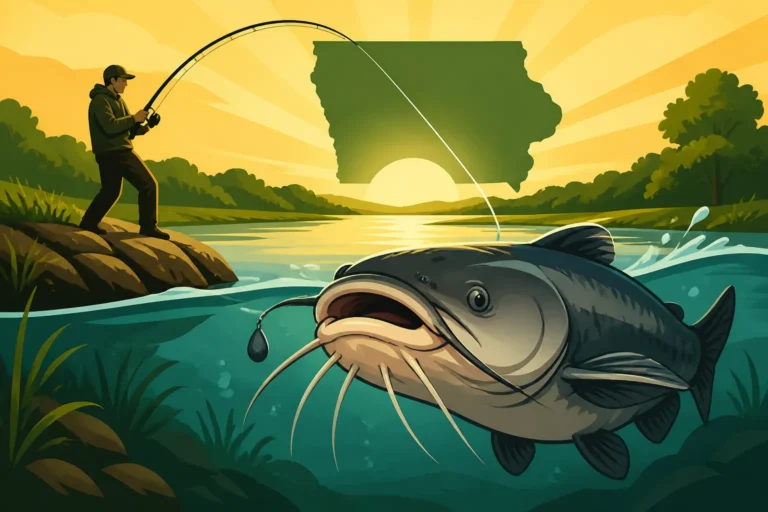
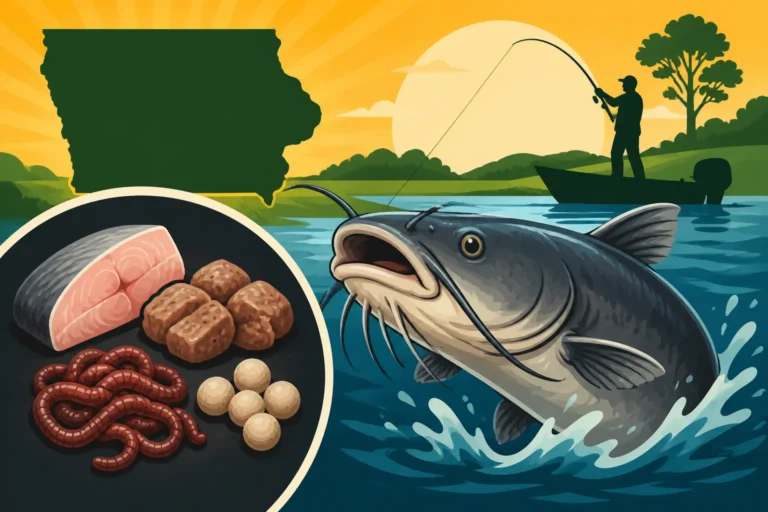
Channel catfish, the state fish of Iowa, are opportunistic feeders and will often go on a spree before a cold front. While they are usually less sensitive to barometric pressure changes than fish with more developed swim bladders, they still sense the overall shift in conditions and will gorge. Look for them in typical catfish haunts—river bends, deep holes, and around submerged cover—but expect them to be more willing to move and feed. This is a great time to use stink baits, cut bait, or even chicken livers. If you're looking for "Best Bait for Channel Catfish," the aggressive pre-front bite means they'll often hit whatever smells and tastes good.
Flathead catfish, being ambush predators, might also be more willing to move out of their log jams or undercut banks to chase a live bluegill or shad. This pre-front period could increase your chances of hooking into one of these monsters. The key is to present your bait in or near their preferred ambush points. Don’t be afraid to put out a couple of lines, perhaps one with traditional bait and another with a live offering, to see what they prefer.
Panfish Prowess
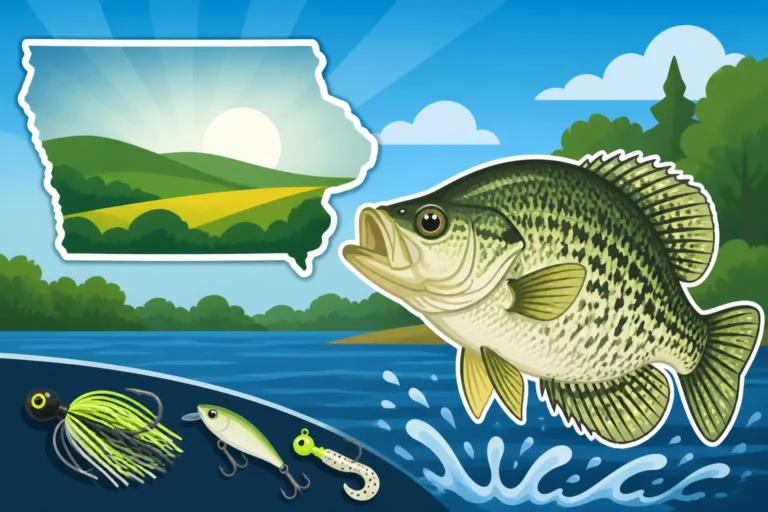
Crappie, bluegill, and other panfish species also get in on the action. Before a cold front, crappie might push shallower to feed on baitfish congregated around brush piles, submerged trees, or docks. This is a fantastic time to use small jigs, minnows, or even tiny crankbaits. If you're a fan of Crappie Fishing in Iowa, you know how exciting it can be to find a school of aggressive slabs. Similarly, bluegill and other sunfish will often become more active around weed beds and shallow cover, readily taking small worms, crickets, or tiny jigs. Try using some of the Best Lures for Panfish with a slightly faster retrieve than usual.
Their aggressive nature before the front means you might find them in larger, more active schools. Pay attention to any surface activity, as feeding panfish can create ripples or swirls that give away their location. Using a sensitive rod can help you feel those subtle bumps and bites from panfish that are still a bit wary, but generally, they will be hitting harder than usual.
Essential Gear and Tactics for Success in the Pre-Front Bite
Being prepared with the right gear and adjusting your tactics are crucial for making the most of the pre-front fishing window. It's not just about knowing when to go, but how to fish effectively when you get there.
Reading the Water and Choosing Your Location
The first step is always to "read the water." Before a cold front, fish will often move to specific areas. On lakes, look for the wind-blown side of points, coves, or main lake structure. The wind pushes baitfish, and larger game fish follow. In rivers, current breaks, eddies, and submerged cover will be prime. Don't be afraid to move around and actively search for fish. This isn't the time to sit in one spot hoping they come to you; this is the time to be proactive.
For example, if you're fishing a lake like Clear Lake or Rathbun Lake, consider areas where deeper water is easily accessible from shallow feeding flats. Fish might move into the shallows to feed aggressively, but have an escape route to deeper, more stable water when the front truly hits. Pay close attention to any changes in water clarity; sometimes, the pre-front wind can stir up certain areas, and fish might gravitate to the slightly muddier, bait-rich water.
Go-To Baits and Presentation Adjustments
Given the aggressive nature of fish before a cold front, your bait choices and presentation should reflect that. This is often a time to put away the finesse gear and bring out the power fishing tackle.
| Species | Pre-Front Bait Suggestions | Presentation Tips |
|---|---|---|
| Walleye | Crankbaits (diving/lipless), Spinnerbaits, Jigs with live minnows, Crawler Harnesses | Faster retrieves, erratic movements, covering water |
| Largemouth Bass | Topwater (frogs, poppers), Spinnerbaits, Bladed Jigs, Texas-rigged plastics | Active retrieves, target weed edges & shallow cover |
| Smallmouth Bass | Crankbaits (shad/crayfish patterns), Jigs, Tubes, Grubs | Bouncing off rocks, quick rips, focus on current breaks |
| Channel Catfish | Cut bait, Stink bait, Chicken livers, Nightcrawlers | Bottom rigs, slip sinkers, target deep holes & river bends |
| Crappie | Small Jigs (tipped with minnows/plastics), Crappie crankbaits, Bobby Garland baits | Slow troll, jigging brush piles, target submerged timber |
| Bluegill | Worms, Crickets, Small jigs, Beetle Spins | Under a bobber, slow retrieve near weed lines, focus on cover |
You'll find a wide variety of these baits available on platforms like Amazon, making it easy to stock up before your next outing. The key here is not just what you're throwing, but how you're throwing it. Increase your retrieve speed, add more jerks and pauses, and generally make your lure more enticing and urgent. Fish are often looking for a quick, substantial meal, so a bait that looks like it's trying to escape might get more attention than a sluggish presentation. This general approach can also be applied across the board by reviewing an Iowa Fishing Techniques Guide.
Dressing for Success and Safety Considerations
Since you'll be fishing during a period of changing weather, proper attire is a must. Dress in layers, as temperatures can fluctuate. A good waterproof and windproof outer layer is essential, especially if winds are picking up. Don't forget a hat, gloves, and waterproof footwear. Staying comfortable allows you to focus on fishing, not shivering. You can find excellent cold-weather fishing gear on Amazon, from insulated jackets to waterproof bibs.
Safety is also paramount. Increased winds can make boat control challenging and create choppy water, especially on larger lakes. Always wear your life jacket. If you're fishing from shore, be aware of slick banks from rain or moisture. If lightning is in the forecast, get off the water immediately. The "golden window" is fantastic, but no fish is worth risking your safety. Always let someone know where you're going and when you expect to return, especially during unpredictable weather.
Disclaimer
This article is for general informational purposes only and does not constitute professional advice. Laws, prices and regulations vary by location and change over time. Consult a qualified professional for guidance on your specific situation.