Iowa Fall Trout Stocking Strategy
When the crisp air of autumn rolls into Iowa, many anglers start thinking about putting their gear away, but for those who know the secret, it's actually one of the best times to hit the water for trout. Dealing with the uncertainty of where and when trout will be available can be frustrating, especially as the seasons change, but this comprehensive guide is here to unravel Iowa's fall trout stocking strategy, helping you pinpoint the best spots and techniques to make your autumn fishing trips a resounding success.
Understanding Iowa's Fall Trout Stocking Program
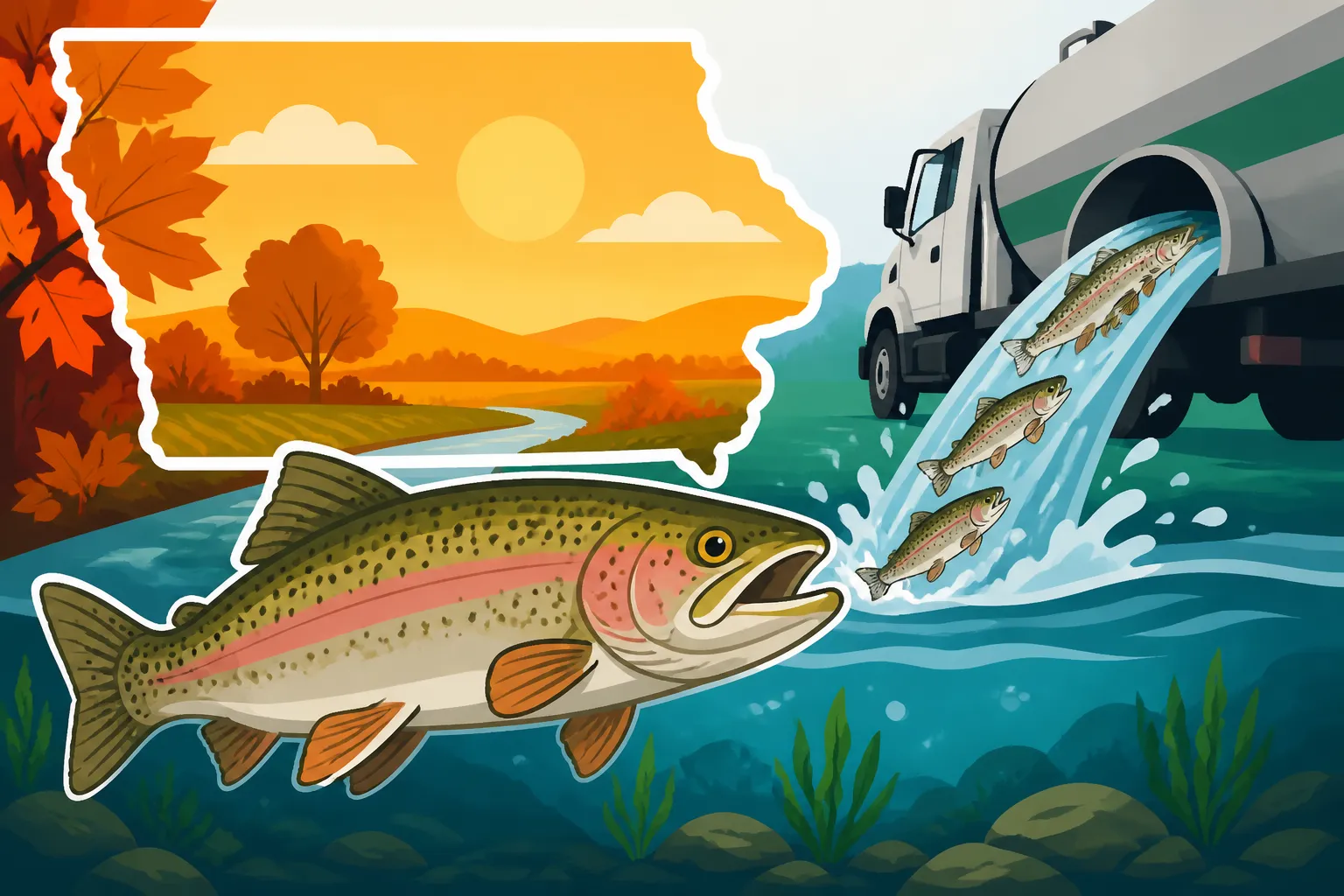
Iowa might not be the first state that comes to mind when you think of trout fishing, but our Department of Natural Resources (DNR) works tirelessly to create fantastic opportunities, especially as the weather cools. The fall trout stocking program is a crucial part of this effort, designed to extend the fishing season and provide fresh angling experiences. It’s not just about dumping fish into a stream; it’s a carefully planned operation that considers water temperatures, angler access, and the overall health of the fishery. Many of these efforts are supported by fees, which you can learn more about in our detailed Iowa Trout Fishing Fee and Stamp Guide.
The Purpose Behind Fall Stocking
The primary goal of fall trout stocking is to provide recreational fishing opportunities during a time when many other species are becoming less active or harder to catch. As summer heat fades, stream temperatures drop, creating ideal conditions for trout that might struggle in warmer water. These fish, primarily rainbow trout, are raised in state hatcheries and are typically catchable size when released. The program aims to distribute trout across various public access points, from the renowned streams in Northeast Iowa to urban community ponds, making trout fishing accessible to a wider range of anglers. It’s also an economic boost for many smaller towns in trout country, as anglers often purchase bait, tackle, and even meals locally.
Another significant purpose is to introduce trout into waters that cannot sustain a year-round wild trout population due to habitat limitations or warmer summer temperatures. By stocking in the fall, the DNR capitalizes on the cooler months, offering a "put-and-take" fishery. This means anglers can enjoy catching and keeping their limit, providing a fresh meal for the table, without impacting a naturally reproducing population. It's a fantastic way to enjoy the outdoors and bring home dinner, and it relies heavily on anglers understanding and adhering to Iowa Fishing Daily Bag Limits Guide.
How Stocking Dates and Locations are Determined
The DNR's decision-making process for fall stocking dates and locations is quite complex, relying on real-time data and historical trends. Water temperature is perhaps the most critical factor; trout thrive in cold water, generally below 65 degrees Fahrenheit. Once stream temperatures consistently drop into the optimal range, stocking operations begin. This usually means late September or early October, extending well into November or even December, depending on how quickly winter sets in. Heavy rainfall can also influence timing, as high water levels can make stocking difficult and immediately disperse newly released fish too widely.
Locations are chosen based on several criteria: public access, suitable water quality, and the ability of the water body to hold trout for a reasonable period. The DNR prioritizes streams and ponds that offer easy access for anglers, whether it's via designated public access points, state parks, or areas with good bank fishing opportunities. For those venturing into the famed trout streams of Northeast Iowa, understanding Trout Stream Regulations in Northeast Iowa is paramount, as rules can differ from those in community ponds. The DNR also aims for a geographical spread, ensuring that anglers from different parts of the state have a chance to experience fall trout fishing close to home.
Popular Fall Trout Stocking Locations
While precise stocking schedules vary year to year, certain locations are consistently part of Iowa's fall trout program. In Northeast Iowa, the heart of our trout country, streams like Bloody Run Creek, French Creek, and the Yellow River are perennial favorites. These spring-fed streams offer cold, clear water and stunning scenery, making them prime destinations for those looking for a more traditional trout fishing experience. The DNR actively stocks these waters, often several times throughout the fall.
Beyond the northeast, the DNR also uses its community trout pond program to bring fall trout fishing closer to urban centers. Ponds in places like Des Moines (Bacon Creek Park, Banner Lakes at Summerset State Park), Cedar Rapids (Prairie Park Fishery), and Waterloo (George Wyth State Park) receive regular fall stockings. These ponds are particularly popular for families and beginner anglers, as they offer convenient access and a high likelihood of success. It's worth checking the Iowa DNR's official stocking schedule online or through their Go Outdoors Iowa app for the most up-to-date information on when and where these fish are being released.
Why Fall Offers a Unique Trout Fishing Experience
Fishing for trout in the fall truly stands apart from any other season. The shift in weather, the vibrant natural beauty, and the trout's behavior combine to create an unforgettable angling adventure. It’s a period of transition, where the lingering warmth of summer gives way to the brisk promise of winter, and the fish respond accordingly.
The Impact of Cooler Water Temperatures
For rainbow trout, cooler water temperatures are like a breath of fresh air. They thrive in colder conditions, and as autumn progresses, Iowa’s streams and ponds reach their optimal temperature ranges. This makes the trout much more active and willing to feed. During the dog days of summer, trout can become lethargic and seek refuge in deep, cold pockets or springs, making them challenging to find and entice. But in the fall, they are often more spread out, cruising shallower waters and actively looking for meals.
The cooler water also means higher dissolved oxygen levels, which invigorates the trout. You’ll notice them fighting harder and displaying more energy when hooked. This increased vitality makes for a more exciting and rewarding fishing experience. Plus, the fish are less stressed by the environment, which is good for their overall health, especially if you plan on practicing catch-and-release.
Reduced Crowds and Serene Environments
One of the often-overlooked benefits of fall trout fishing in Iowa is the dramatic reduction in angler crowds. As hunting seasons kick into full swing and general tourism tapers off after the summer rush, many popular fishing spots become wonderfully quiet. You're more likely to have a stretch of stream or a community pond mostly to yourself, allowing for a peaceful and contemplative fishing experience. This solitude is a major draw for many, offering a chance to truly connect with nature without the constant disturbance of other anglers.
Beyond the quiet, the visual spectacle of fall in Iowa is simply breathtaking. The hardwood trees along stream banks erupt in a riot of reds, oranges, and yellows, reflecting beautifully on the water's surface. The crisp, clean air, the rustling leaves, and the occasional sight of migrating birds create a serene backdrop that enhances every cast. It's an opportunity to not just fish, but to immerse yourself in the natural beauty of the season.
Trout Behavior Post-Stocking in Autumn
When trout are freshly stocked, their behavior can be a bit unpredictable, but there are some general patterns to watch for. Initially, they might be disoriented and confused by their new environment. During this phase, often in the first few days post-stocking, they can be quite eager to bite as they seek out any available food source. This is why timing your trip shortly after a stocking event can be highly productive, especially in community ponds where the fish are concentrated.
As they acclimate, they'll begin to spread out and establish temporary holding patterns. In streams, they'll seek out current breaks, deeper pools, and areas with overhead cover, much like wild trout. In ponds, they’ll often school up near submerged structures, drop-offs, or around aerators if present, which provide oxygenated water. Understanding these behaviors is key to successful Trout Fishing Techniques for Iowa Streams and stillwater alike. The cooler temperatures mean they don't need to conserve energy as much as in summer, so they're often more willing to chase down a lure or bait.
Locating Fall-Stocked Trout in Iowa's Waters
Finding freshly stocked trout isn't always as simple as just showing up at a known spot. While the DNR does its best to publish information, successful anglers employ a strategy to pinpoint exactly where those fish are likely to be biting. It combines knowing the schedule, understanding trout habitat, and keenly observing the water.
Utilizing the Iowa DNR's Stocking Schedule
The single most valuable resource for locating fall-stocked trout is the Iowa DNR's official stocking schedule. They typically update this information weekly, sometimes even daily, during the peak fall season. You can usually find this on their website or within the Go Outdoors Iowa mobile app. This schedule will list the specific streams or ponds, the date of stocking, and often the number and species of trout released. Paying attention to this schedule is critical for timing your trip.
I always recommend checking the schedule a day or two before you plan to go out. Sometimes stocking events are weather-dependent and can be delayed or rescheduled. Knowing the exact date of the stocking allows you to fish the water when the trout are freshest and most actively feeding. Aiming for the day of or the day after a stocking can significantly increase your chances of success, especially if you're targeting those community ponds where fish can be caught quickly after release. Don't forget that stocking reports will also confirm which specific species, usually Rainbow Trout Fishing in Iowa, were released.
Key Holding Lies and Structure to Target
Once you know a location has been stocked, the next step is to understand where trout tend to hold. Even stocked trout, despite their hatchery upbringing, quickly revert to natural instincts. In streams, look for areas with slower currents adjacent to faster flows, like the edges of riffles, behind large rocks, or in the calmer water downstream of logjams. Deeper pools, especially those with some overhead cover from trees or undercut banks, are prime holding lies where trout feel secure. These features offer protection from predators and a place to rest while waiting for food to drift by.
In community ponds, structural elements are equally important. Look for submerged vegetation, rock piles, drop-offs, or even the shadows cast by trees or bridges. Aerators, which churn and oxygenate the water, often attract schooling trout, especially in warmer periods of the fall. The key is to think like a trout: where would you feel safe, and where would food be easily accessible? Many anglers have great success casting around docks and other man-made structures that provide cover.
Reading the Water for Active Trout
Beyond structure, "reading the water" is a skill that comes with experience but can be learned. Look for visual cues that indicate active trout. The most obvious is seeing fish jump or rise to the surface to take insects. While not as common with freshly stocked fish that are often feeding sub-surface, it's always a good sign. More subtly, watch for nervous baitfish scattering or small flashes beneath the surface, which could indicate trout feeding.
Also, pay attention to the current. Trout in streams will always face upstream, waiting for food to drift towards them. Position yourself downstream of where you expect them to be, casting upstream and allowing your bait or lure to drift naturally into their strike zone. Observe the seams where fast and slow water meet, as these are often highways for drifting insects and, consequently, hungry trout. The clearer fall waters often make it easier to spot these subtle signs.
Effective Techniques for Catching Fall Trout
Catching fall-stocked trout often requires a slightly different approach than targeting wild trout. These fish, fresh from the hatchery, might not be as wary and can be more aggressive feeders, especially in the days immediately following a stocking event. However, as they acclimate, they can become more selective.
Best Baits and Lures for Freshly Stocked Trout
When trout are first stocked, they're often opportunistic feeders, accustomed to pellet food. This makes traditional baits highly effective. PowerBait, especially in bright colors like chartreuse, orange, or rainbow, is a perennial favorite. Mold it onto a small treble hook, letting it float off the bottom with a small split shot or egg sinker. Live bait, such as red worms or corn, can also be incredibly effective, mimicking natural food sources. Minnows, either live or dead, can entice larger, more aggressive trout.
For lures, small inline spinners (Mepps, Panther Martin, Rooster Tail) in sizes #0 to #2 are deadly. Silver, gold, or brass blades with a variety of body colors work well. Small spoons, like Kastmasters or Little Cleos, in silver or gold, are also excellent choices, especially when retrieved with a stop-and-go action that mimics an injured baitfish. Ultralight jigs tipped with small plastic grubs or a piece of PowerBait can also be very productive. Always have a variety of these on hand, as trout can be finicky about color and presentation. You can find a fantastic selection of these lures and baits on platforms like Amazon, making it easy to stock your tackle box.
Presenting Your Bait Naturally
Regardless of whether you're using bait or lures, a natural presentation is key. Trout have excellent eyesight and can be spooked by unnatural movements or heavy line. When fishing with bait, use a light leader (4-6 lb test fluorocarbon is ideal) and minimal weight to allow your bait to drift freely with the current in streams, or suspend naturally in ponds. A slip bobber can be very effective in ponds, allowing you to present your bait at a precise depth without spooking fish.
When casting lures, aim for accuracy and a retrieve that mimics something alive. For spinners, a steady, slow retrieve is often best, ensuring the blade spins properly. For spoons, experiment with varying speeds and occasional pauses or jerks. In streams, cast upstream and retrieve just fast enough to keep your lure moving ahead of the current, allowing it to cover prime holding lies as it drifts downstream. Avoiding heavy splashes and maintaining a low profile on the bank can make a huge difference in your success.
Fly Fishing Strategies for Autumn Trout
Fall is an incredible time for fly fishing in Iowa, especially in the stocked streams of the northeast. While dry fly action might be less consistent than in spring or summer, nymphing and streamer fishing can be incredibly productive. For nymphing, focus on patterns that imitate aquatic insects like Caddis larvae, Mayfly nymphs, or Stonefly nymphs. Popular patterns include the Hare's Ear, Pheasant Tail, and Prince Nymph in sizes #12-18. Fish these under an indicator with split shot to get them down to where the trout are holding. Our guide on Nymphing Techniques for Iowa Trout Streams offers more detailed advice.
Streamer fishing truly shines in the fall. Trout, especially larger ones, become more aggressive and will readily chase a baitfish imitation. Woolly Buggers in black, olive, or brown, and small sculpin patterns, are excellent choices. Cast them across and slightly downstream, stripping them back in short, erratic pulls to imitate a fleeing baitfish. These techniques offer a dynamic and rewarding way to target fall trout, providing a different challenge than traditional spinning gear. You can find great fly fishing supplies on Amazon, perfect for preparing for your next trip.
Essential Gear for Your Fall Trout Expedition
Having the right gear makes all the difference for a comfortable and successful fall trout outing. The weather can be unpredictable, and the water conditions demand specific equipment. Don't let a lack of proper preparation cut your trip short.
Rods, Reels, and Line for Fall Trout
For spinning gear, an ultralight or light action spinning rod, typically 5 to 6.5 feet in length, paired with a small spinning reel (size 1000-2000) is ideal. This setup allows for light line, subtle presentations, and makes even smaller stocked trout feel like a respectable fight. Spool your reel with 4-6 pound test monofilament or fluorocarbon line. Fluorocarbon has less stretch and is more abrasion-resistant, making it a good choice for clear water and rocky stream bottoms.
Fly anglers will want a 3-5 weight fly rod, 7.5 to 9 feet long, matched with a corresponding weight-forward floating fly line. This setup is versatile enough for both nymphing and light streamer fishing in Iowa's smaller trout streams. A good quality reel with a smooth drag is essential, especially if you hook into a particularly feisty fish. Having a spare spool with different fly lines (e.g., a sinking tip line for streamers) can also be beneficial. For more specific recommendations, check out our guide on the Best Fly Rod Setup for Trout.
Wading Gear and Cold Weather Apparel
Fall weather in Iowa can swing wildly, from surprisingly warm afternoons to bitterly cold mornings. Layering is your best friend. Start with a moisture-wicking base layer, add insulating layers like fleece or wool, and top it off with a waterproof and windproof outer shell. A warm hat, gloves, and waterproof boots are non-negotiable for comfort. Nothing ruins a fishing trip faster than being cold and wet.
For stream fishing, waders are highly recommended, especially for accessing prime spots that aren't reachable from the bank. Neoprene waders offer excellent insulation for cold water, while breathable waders can be layered underneath for warmth. Pair them with sturdy wading boots that provide good ankle support and grip on slippery rocks. A wading staff is also a smart safety item, especially if you’re navigating unfamiliar stream bottoms. Our article on the Best Waders for Cold Water Trout Fishing dives deeper into selection.
Tackle Box Essentials for Fall Trout
Your tackle box for fall trout should be well-stocked but not overly cluttered. Focus on variety in small sizes. Include a selection of PowerBait (paste and nuggets), small jars of corn, and a container of lively red worms. For lures, pack an assortment of inline spinners (Mepps, Rooster Tail), small spoons (Kastmaster), and ultralight jigs. Carry a variety of small hooks (sizes 8-12), split shot in various sizes, swivels, and extra leaders (4-6 lb test fluorocarbon).
Don't forget essential tools like a small pair of needle-nose pliers or hemostats for hook removal, a pair of line clippers, and a small net, especially if you plan on catch-and-release. A small cooler with ice for keeping your catch fresh is also important. A good headlamp can be a lifesaver if you find yourself fishing into the twilight hours, which can often be the most productive time in the fall. Many of these essential items, from tackle boxes to plier sets, are readily available on Amazon.
Maximizing Your Fall Trout Fishing Success
Beyond the technical aspects of finding and catching fish, there are broader strategies and considerations that can significantly enhance your fall trout fishing experience in Iowa. It's about being prepared, responsible, and understanding the complete picture.
Understanding Trout Limits and Regulations
Before you even make your first cast, it's absolutely vital to be familiar with Iowa's fishing regulations, specifically concerning trout. The statewide daily bag limit for trout is usually 5, with a possession limit of 10. However, some streams or ponds may have special regulations, such as catch-and-release-only sections or different size restrictions. This is especially true for specific Trout Fishing Streams in Northeast Iowa that might have unique rules for wild trout management. Always consult the current Iowa Fishing Regulations Explained booklet or the DNR website for the most up-to-date rules.
Remember that a valid Iowa fishing license with a trout fee is required for anyone 16 years and older to fish for or possess trout. There are no exceptions for residents or non-residents in this regard, making it crucial to have your paperwork in order. Fishing without a license or exceeding bag limits can result in hefty fines and even loss of fishing privileges, so it's always better to be informed and compliant.
Practicing Ethical Angling and Catch-and-Release
While fall-stocked trout are often intended for harvest, many anglers also enjoy the sport of catch-and-release. If you plan to release fish, it's crucial to practice ethical angling to ensure their survival. Handle fish as little as possible, and always with wet hands to protect their slime coat, which is vital for disease prevention. Use barbless hooks or pinch down the barbs on your hooks to make removal easier and reduce harm.
When releasing a fish, gently support it in the water until it's strong enough to swim away on its own. Avoid tossing it back, as this can cause internal injuries. Keeping fish submerged as much as possible, especially during hook removal, greatly improves their chances of survival. Respecting the resource ensures that these fishing opportunities remain available for everyone for years to come.
Post-Fishing Care and Keeping Your Catch Fresh
If you're planning to keep your catch for a delicious meal, proper handling after the fish is caught is essential for maintaining quality and taste. The moment you decide to keep a trout, dispatch it quickly and humanely. A swift blow to the head or severing the gills are common methods. Then, get it on ice as soon as possible. A cooler filled with ice is indispensable for keeping your trout fresh throughout your fishing trip, especially if you're out for several hours.
Upon returning home, clean your trout promptly. This involves gutting and scaling the fish. For those new to cleaning trout, there are many excellent online tutorials that can walk you through the process step-by-step. Once cleaned, trout can be stored in the refrigerator for a day or two, or vacuum-sealed and frozen for longer storage. There's nothing quite like the taste of fresh-caught Iowa trout, and proper handling ensures you enjoy it at its very best.
Disclaimer
The information provided in this guide is for general informational purposes only and is subject to change. Anglers are responsible for consulting the most current Iowa Department of Natural Resources (DNR) fishing regulations and stocking schedules before engaging in any fishing activities. Laws and regulations can change annually, and specific water bodies may have unique rules.