Best Spots for Ice Fishing Panfish Near Des Moines
When winter sets in around Des Moines, the thought of bundling up and heading out onto the ice can be both exciting and a little daunting, especially when you're trying to pinpoint those elusive panfish hotspots. It’s tough knowing where the crappie, bluegill, and perch are biting when the ice gets thick, and driving all over creation only to find slow action is nobody's idea of fun. This guide is dedicated to helping you discover the best ice fishing spots for panfish within a reasonable drive of Des Moines, providing practical advice to make your next frosty adventure a success.
Understanding Panfish Behavior for Ice Anglers
Before we dive into specific locations, it’s really helpful to understand why panfish behave the way they do under the ice. It’s not just about drilling a hole; it’s about understanding their winter patterns, which are vastly different from spring or summer. When the water turns to ice, fish metabolism slows down, and they become less active, often congregating in specific areas where food and stable conditions are present.
Crappie Ice Fishing Dynamics
Crappie, both black and white, are notorious for schooling up in winter. This means if you find one, you're likely to find more! They tend to favor deeper water in the main lake basins during early and late ice, but can often be found suspended over deeper structure like submerged brush piles, old creek channels, or sharp drop-offs. Imagine them hanging out in the warmest, most stable water they can find, often near some kind of cover that offers protection and a place for their prey to hide. They're looking for suspended baitfish or insect larvae. Your approach to targeting them often involves a sensitive rod and small jigs, gently jigged to entice a bite. It's not about aggressive movements; it's about subtle presentations.
Bluegill and Perch Winter Habits
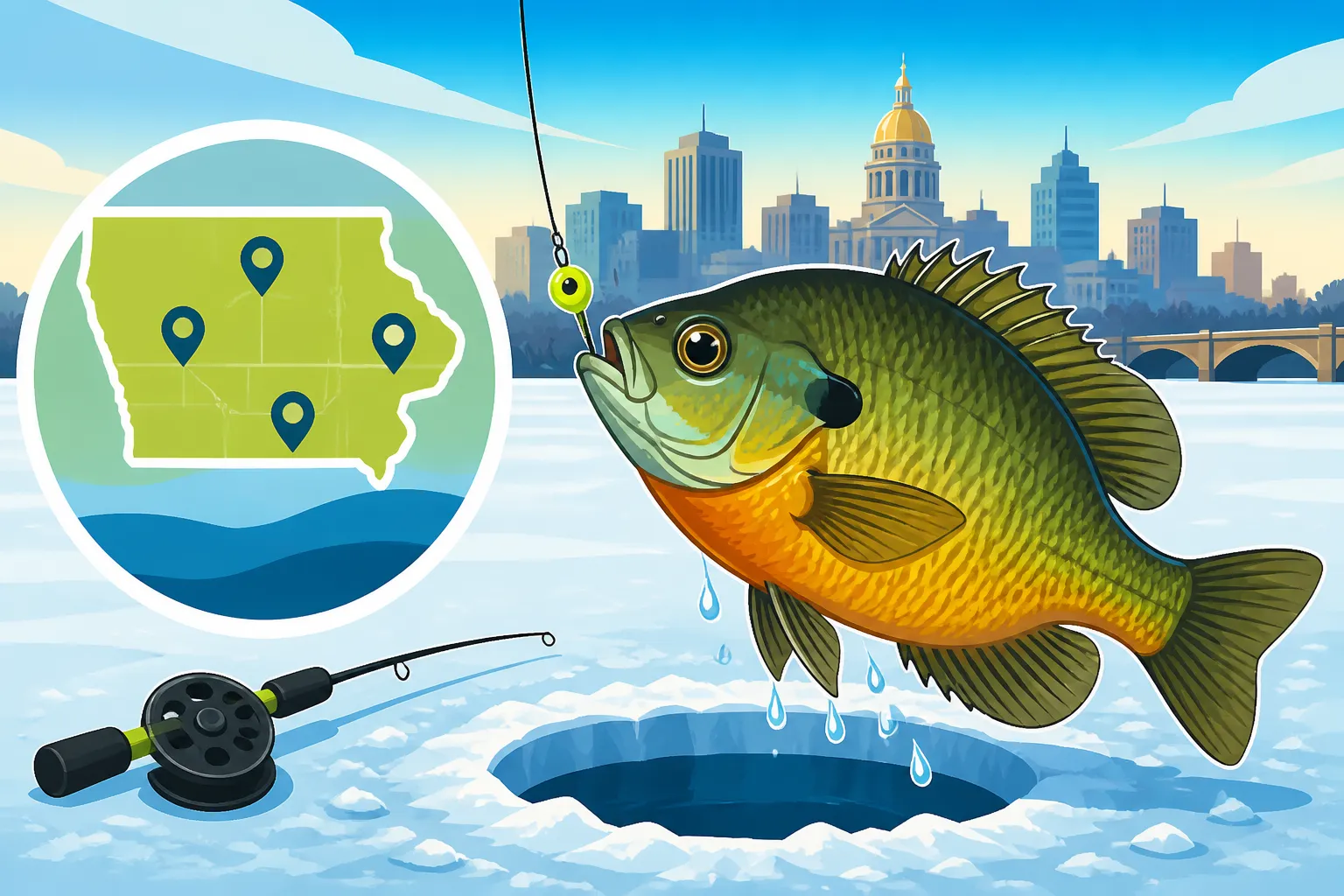
Bluegill and perch, while both panfish, have slightly different preferences. Bluegill often relate to softer bottoms, weed beds (especially green ones that still produce oxygen), and the edges of flats near deeper water. They might be shallower than crappie, especially in stained water where sunlight can penetrate more easily, stimulating whatever small organisms they feed on. Finding a healthy weed bed under the ice can be a goldmine for bluegill. Perch, on the other hand, are often more nomadic and can be found over sand or gravel bottoms in somewhat deeper, open water, often near schools of baitfish. They’re known for roaming, so if you're not getting bites, don't be afraid to move a bit. Both species respond well to tiny tungsten jigs tipped with wax worms, spikes, or even plastic micro-baits. The key with both is often staying mobile until you locate a school.
Top Ice Fishing Spots for Panfish Near Des Moines
Alright, let's get down to brass tacks: where should you actually go? Living near Des Moines, we're fortunate to have a few solid options, from quick trips to slightly longer drives that offer a bigger reward. Always remember to check ice conditions locally before you go; safety is paramount, and ice thickness can vary dramatically even on the same body of water.
Local Gems within Polk County
You don't always have to drive for hours to find good ice fishing. Polk County and its immediate surroundings offer some surprisingly productive spots for crappie, bluegill, and sometimes even a few yellow bass.
- Easter Lake (Des Moines): This urban lake is a fantastic resource right in the heart of Des Moines. For ice fishing, Easter Lake is well-known for its decent populations of crappie and bluegill. Anglers often find crappie suspended over the deeper basins, particularly around the fishing pier area or near the submerged brush piles that have been intentionally placed. Bluegill tend to hug the shallower edges, especially where there's still some remnant weed growth. Parking is easy, and access is generally good. It’s a great spot for a quick after-work trip or introducing kids to ice fishing because it’s so convenient. You might want to check for recent fishing reports or even consider booking a local guide through platforms like FishingBooker to get the absolute latest scoop on where the fish are hiding.
- Saylorville Reservoir (Johnston/Ankeny): While Saylorville is a massive flood control reservoir, its backwater areas and calmer bays can offer excellent ice fishing for panfish. Focus your efforts on the shallower, protected coves and areas that retain water after the main river levels drop. Look for submerged timber or brush. These quieter zones don't experience the same current as the main river channel, making them safer and more appealing to panfish. Specifically, areas like the Sandpiper Recreation Area or some of the smaller inlets can hold good numbers of crappie and bluegill. Finding good Saylorville Reservoir Crappie Spots often means exploring beyond the main body of water, perhaps even a short walk to more secluded areas.
Slightly Further but Worthwhile Drives
Sometimes, a little extra drive can really pay off with better action and bigger fish. These spots are still within a manageable distance for a day trip from Des Moines.
- Big Creek Lake (Polk City): Just a short drive north of Des Moines, Big Creek Lake is a local favorite, and for good reason. It boasts a healthy population of crappie, bluegill, and even some yellow bass. For crappie, anglers often target the old creek channel that winds through the lake or the numerous submerged brush piles. Bluegill can be found closer to shore, particularly in bays with a mix of soft bottom and submerged vegetation. Big Creek is a popular lake, so expect company on the ice, especially on weekends. The lake's structure and consistent stocking make it one of the most reliable options in central Iowa. When researching, don't forget that many local fishing guides, discoverable on sites like FishingBooker, spend significant time on Big Creek and can offer invaluable, up-to-the-minute insights.
- Lake Macbride (Solon – near Iowa City): A bit more of a drive east, Lake Macbride offers excellent ice fishing for a variety of panfish, including some respectable crappie and bluegill. Its deeper sections and numerous coves provide ample habitat. Anglers often find crappie suspended over the deepest parts of the lake or near brush piles and drop-offs. Bluegill are typically found in shallower bays with good cover. The lake has diverse structure, making it exciting to explore. While further, it's a destination many Iowa anglers swear by for its consistent productivity, especially for panfish.
- Clear Lake (Clear Lake): Head north on I-35 for about an hour and a half, and you'll hit Clear Lake, one of Iowa’s premier ice fishing destinations. While famous for its walleye, Clear Lake offers fantastic panfish opportunities, especially for yellow bass and good-sized perch. Look for yellow bass in large schools over deeper flats or near main lake points. Perch often relate to sandy or gravelly areas. The sheer size and productivity of Clear Lake make it a must-visit if you’re serious about your ice fishing. The local bait shops are a treasure trove of information, and many guides listed on services like FishingBooker operate here, providing tailored experiences for species like walleye, but also often knowing the local panfish hotspots.
| Lake Name | Primary Panfish Species | Distance from Des Moines (Approx.) | Key Features for Panfish |
|---|---|---|---|
| Easter Lake | Crappie, Bluegill | 5-10 miles | Urban convenience, submerged brush piles, deep basin, easy access. |
| Saylorville Reservoir | Crappie, Bluegill | 15-25 miles | Backwater coves, submerged timber, calmer protected areas. |
| Big Creek Lake | Crappie, Bluegill, Yellow Bass | 20-30 miles | Old creek channel, numerous brush piles, consistent stocking. |
| Lake Macbride | Crappie, Bluegill | 100-110 miles | Deeper sections, diverse structure, coves, healthy populations. |
| Clear Lake | Yellow Bass, Perch, Crappie | 110-120 miles | Large, productive lake, deep flats, sandy/gravelly areas, famous for schools. |
Essential Tips for Successful Panfish Ice Fishing
Finding the spot is just the beginning. To truly succeed in ice fishing for panfish, you need the right tools and knowledge. It's a game of finesse and persistence.
Gear and Bait Recommendations
Having the right gear makes a huge difference, especially when you’re dealing with finicky panfish in cold water.
- Rods and Reels: Opt for ultra-light or light action ice fishing rods, typically 24-30 inches long, paired with small, sensitive spinning reels. The sensitive tip allows you to detect those subtle bites, which are common in cold water. Spool up with light monofilament or fluorocarbon line, usually 2-4 lb test. Many anglers prefer a bright-colored monofilament for easy line watching.
- Lures and Bait: This is where the magic happens.
- Jigs: Small tungsten jigs are king. They get down quickly and come in various colors. Popular colors include chartreuse, glow-in-the-dark, pink, orange, and white. Size 10, 12, or even 14 are common.
- Live Bait: Always bring live bait! Wax worms, spikes (maggots), and eurolarvae are staples for bluegill and crappie. Thread a couple onto your jig hook.
- Plastics: Tiny soft plastics like Berkley PowerBait Micro Grubs or Custom Jigs & Spins plastics can be deadly, especially when tipped with a single spike. The scent and subtle action can be irresistible.
- Auger: You’ll need a good ice auger. Whether you prefer a hand auger, a propane-powered model like the Eskimo Stingray, or an electric auger, make sure it’s sharp and in good working order. For safety, it’s also good to have ice picks and a spud bar, especially early in the season. Consider reading up on the Best Ice Fishing Auger Types to find the right fit for you.
Reading the Ice and Safety First
Ice fishing is incredibly fun, but safety should always be your top priority. No fish is worth risking your life.
- Ice Thickness: The general rule of thumb for safe ice is at least 4 inches for individual foot travel, 5-7 inches for snowmobiles/ATVs, and 8-12 inches for cars or small trucks. However, these are just guidelines. Always verify with a spud bar or auger as you go. Ice thickness can vary dramatically, even on the same lake, due to currents, springs, or recent weather. You can find more in-depth information on Best Ice Thickness for Safe Ice Fishing.
- Ice Color and Texture: Clear, blue ice is generally the strongest. White or opaque ice, often formed from frozen slush, is much weaker. Dark ice can indicate thinner ice or simply water over ice. Cracks and pressure ridges are also areas to approach with extreme caution.
- Tell Someone: Always let someone know where you’re going and when you expect to be back. It’s a simple step that can save lives.
- Dress Warmly: Layers are your friend! Start with a good base layer, add insulating layers, and top it off with waterproof and windproof outerwear. Don’t forget a warm hat, gloves, and insulated boots. Here's a great guide on Best Cold Weather Clothing for Ice Fishing.
Maximizing Your Panfish Ice Fishing Experience
Ice fishing is more than just catching fish; it’s about enjoying the tranquility of winter and the challenge of outsmarting fish in a unique environment. A few extra considerations can really elevate your trips.
Timing and Conditions for the Best Bite
Panfish, like all fish, are influenced by environmental factors. Understanding these can improve your success rate.
- Early and Late Ice: These are often the most productive times for panfish. Early ice (first few weeks of safe ice) usually sees fish still in their fall patterns, often shallower and more aggressive. Late ice (just before thaw) can also be phenomenal as fish become more active in anticipation of the spring spawn. Mid-winter can be tougher, often requiring more finesse and deeper presentations.
- Weather Patterns: Stable weather with consistent barometric pressure often means a better bite. Sudden drops in temperature or large shifts in pressure can make fish more lethargic. Overcast days are frequently better for panfish than bright, sunny days, as the reduced light can make them more comfortable moving and feeding.
- Time of Day: For crappie, dawn and dusk are often prime times, mirroring their open-water feeding patterns. Bluegill and perch can be active throughout the day, especially if you hit a schooling period. However, always be prepared for bites to be sporadic. For general seasonal advice, check out Iowa Fishing Seasons Explained.
Navigating Regulations and Ethical Angling
Being a responsible angler means understanding and following the rules, as well as practicing good ethics on the ice.
- Iowa Fishing Regulations: Always carry your valid Iowa Fishing License Guide and be familiar with the current Iowa fishing regulations. These include daily bag limits, length limits, and general rules for each species and body of water. Regulations can change annually, so it's critical to stay informed. A good resource for understanding all the rules is the Iowa Fishing Regulations Explained guide.
- Fish ID: Make sure you can correctly identify the fish you catch. For instance, knowing the difference between a crappie species or between a perch and a sunfish is important for adhering to specific bag limits.
- Respect the Resource: Only keep what you will eat, and consider practicing catch and release for larger fish, especially if you're hitting a productive school. Proper handling ensures fish can be released unharmed. Also, be mindful of your waste; pack out everything you pack in, including any broken line or bait containers. Leave the ice cleaner than you found it.
Ice fishing for panfish near Des Moines can be incredibly rewarding, offering a peaceful escape and the thrill of a winter bite. With the right knowledge, gear, and a commitment to safety, you'll be well on your way to filling your bucket and creating lasting memories on Iowa's frozen waters.
Disclaimer
The information provided in this guide is for general informational purposes only and is subject to change. Always consult the official Iowa Department of Natural Resources (DNR) regulations and local authorities for the most current rules, conditions, and safety advisories before embarking on any fishing trip. Fishing conditions, including ice thickness, can vary significantly and rapidly, posing potential risks. Anglers assume all responsibility for their safety and adherence to all applicable laws and regulations.