Best River Access Points Near Burlington
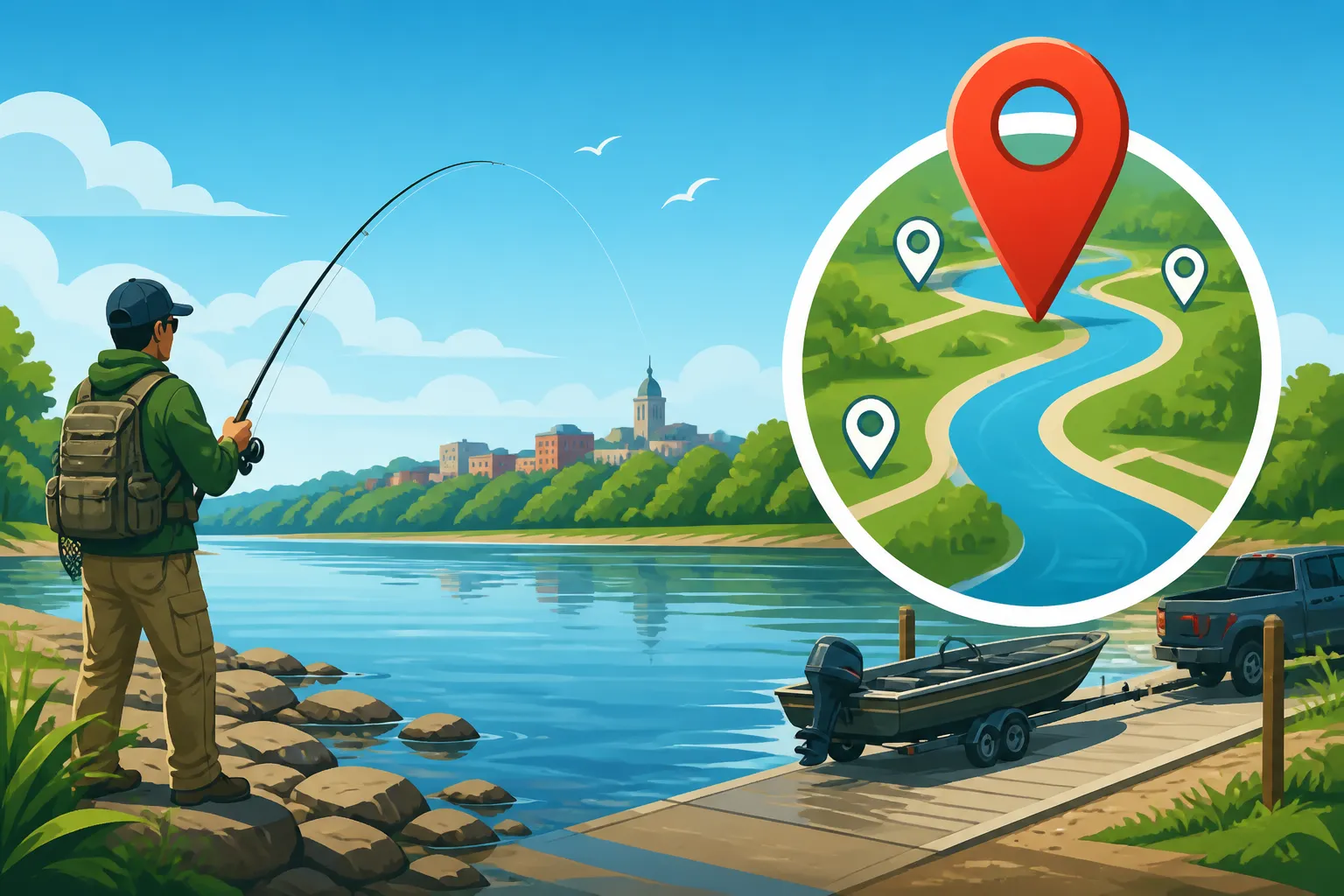
Oh, the age-old dilemma for Iowa anglers: you've got that itch to cast a line into the mighty Mississippi or its lively tributaries, but trying to figure out where to actually get to the water, especially around a bustling area like Burlington, can feel like a real treasure hunt. Public access can be elusive, confusing, or just plain overcrowded. If you've ever driven around looking for that perfect spot, only to find private property signs or blocked roads, you know the frustration. This guide is here to cut through that confusion, helping you uncover the best river access points near Burlington, Iowa, so you can spend less time searching and more time fishing.
Understanding the Mississippi River and Its Tributaries Near Burlington
Fishing the Mississippi River is an experience unlike any other in Iowa. It's a massive, ever-changing ecosystem, and understanding its dynamics, along with the smaller rivers that feed into it, is key to successful angling and finding the best spots. Burlington sits right on its banks, providing a unique gateway to this impressive waterway.
The Mighty Mississippi's Influence
Near Burlington, the Mississippi River is part of a series of managed pools, specifically Pool 19, which is renowned for its vast size and diverse fishing opportunities. This pool is one of the largest impoundments on the entire river system, stretching over 90 miles and offering incredible habitat variety. What does this mean for you, the angler? It means big water, diverse structure, and a lot of current to contend with. The main channel is deep and fast, home to species like walleye, sauger, and monster catfish. But don't overlook the myriad of backwaters, sloughs, and secondary channels that spiderweb off the main flow. These calmer areas, often dotted with submerged timber, lily pads, and rock structures, are havens for largemouth bass, crappie, and bluegill. Understanding the water levels and current is critical here. After heavy rains, the river can swell and become muddy, affecting fishing patterns. Conversely, stable or falling water can concentrate fish in predictable areas. Always check the river stage before heading out; websites like the NOAA River Forecast Center can provide invaluable real-time data for places like the Burlington gauge.
Connecting to Local Rivers and Creeks
While the Mississippi is the star, its tributaries near Burlington offer fantastic, often less crowded, alternatives. The most significant of these is the Skunk River, which flows into the Mississippi just south of Burlington. The Skunk River itself is a fantastic fishing destination, known for its strong populations of channel catfish, flathead catfish, and various panfish. Access points along the Skunk can provide a different kind of fishing experience, often with slower currents and more intimate settings than the expansive Mississippi. Further south, the Des Moines River also joins the Mississippi, although a bit farther downstream from Burlington, near Keokuk. This area, while not directly adjacent to Burlington, offers additional prime river fishing, especially for species like walleye and sauger, and is worth considering for a slightly longer drive. Even smaller, unnamed creeks and drainage ditches, when they meet the main rivers, can create eddies and current breaks that attract baitfish and, consequently, game fish. These smaller confluences are often overlooked gems, especially during periods of higher water when fish seek refuge from the strong currents of the main river.
Premier Public Access Points Around Burlington
Finding a good spot to launch your boat or simply cast from shore can make or break your fishing trip. Luckily, the Burlington area, while developed, still boasts some excellent public access points that cater to various angling preferences.
Big Hollow Recreation Area
Just a short drive northwest of Burlington, Big Hollow Recreation Area is a phenomenal multi-use park that offers some of the best fishing access in the region. While it features a beautiful 178-acre lake (Big Hollow Lake) that's great for bass and panfish, its location also provides fantastic access to the Skunk River. There are designated boat ramps, perfect for those bringing a small to medium-sized boat, canoe, or kayak to navigate the Skunk River. From these ramps, you can easily paddle or motor downstream to where the Skunk meets the Mississippi, opening up a world of fishing opportunities on the larger river system.
For shore anglers, Big Hollow offers ample bank access, particularly along the Skunk River. You'll find plenty of spots to set up a camp chair, cast out a few lines, and enjoy the peaceful surroundings. The area is well-maintained, with restrooms, picnic areas, and even camping spots, making it ideal for a full day trip or an overnight fishing adventure. You can target channel catfish and flathead catfish along the Skunk, especially in the deeper bends and around fallen timber. For those interested in exploring beyond, launching from Big Hollow and heading towards the Mississippi confluence can yield impressive catches of walleye and sauger, particularly during their seasonal runs. Remember that fishing regulations, including the Iowa Fishing Daily Bag Limits Guide, apply to all waters, so it's always smart to check before you go.
Crapo Park and the Burlington Riverfront
For those looking for convenient urban access right within Burlington, the Burlington Riverfront and the historic Crapo Park offer unique shore fishing opportunities. Crapo Park, perched dramatically above the Mississippi River, provides stunning views and several accessible spots for bank fishing. While you won't find boat ramps directly within the park, there are plenty of places to walk down to the river's edge, cast from riprap, or find a comfortable spot along the bank. This area is particularly popular for catfishing, with anglers often setting out multiple lines targeting channel catfish. It's also a great spot for families, as the park amenities are nearby, and the fish can be quite cooperative, especially for a casual afternoon outing.
The wider Burlington Riverfront area, extending north and south of Crapo Park, also features dedicated fishing piers and improved bank access. These spots are excellent for panfish like crappie and bluegill, especially during the warmer months when they move into shallower, calmer waters near structure. You might even hook into a white bass or drum. While less ideal for large boats, smaller, portable watercraft like kayaks can sometimes be launched from less formal spots along the riverfront, though it's always best to check local ordinances regarding launching points. This central location means you're never far from bait shops, restaurants, or other conveniences, making it a very accessible option for a quick fishing fix.
Skunk River Access Points
Beyond Big Hollow, there are other noteworthy public access points along the Skunk River that provide excellent fishing opportunities closer to its confluence with the Mississippi. One such spot is the Augusta Boat Ramp, located in Augusta, Iowa, a small community nestled right on the Skunk River before it empties into the Mississippi. This ramp is a popular launch point for boaters looking to explore the lower Skunk River or make their way to the Mississippi. The current here can be strong, so be prepared, but it offers a fantastic gateway to some prime fishing grounds. Anglers here often target larger catfish, especially flatheads, which thrive in the deeper holes and logjams of the Skunk.
Another option for shore anglers can be found at various county bridge crossings or undeveloped public lands along the Skunk River. These can be a bit more "off the beaten path," but with a little exploration, you can often find secluded spots that see less pressure. Just remember to always respect private property and only access points that are clearly public. These quieter stretches are fantastic for targeting crappie and sunfish in the slow-moving eddies or finding smallmouth bass near rocky areas. For those interested in the Skunk River, it's worth checking out the general guide on where the Skunk River is good for fishing, which might offer additional insights into this valuable waterway. Always be mindful of the fishing license requirements; usually, you'll need an Iowa Fishing License Guide to fish these waters.
| Access Point Name | Type of Access | Primary Target Species | Amenities & Notes |
|---|---|---|---|
| Big Hollow Recreation Area | Boat Ramp, Shore | Catfish, Bass, Panfish, Walleye | Paved ramps, restrooms, picnic, camping, lake fishing, Skunk River access. |
| Burlington Riverfront | Shore, Fishing Piers | Catfish, Panfish, White Bass, Drum | Paved walkways, benches, city amenities, easy walk-in access. |
| Crapo Park | Shore | Catfish, Panfish | Scenic views, historical park, restrooms, easy walk-in access from park. |
| Augusta Boat Ramp | Boat Ramp | Catfish, Walleye, Sauger | Paved ramp, parking, direct access to lower Skunk River and Mississippi River confluence. |
| Lock and Dam 19 Tailwater | Shore (limited), Boat | Walleye, Sauger, Catfish | Excellent fishing below dam, strong currents. Check specific access rules, sometimes restricted. |
Navigating Access Challenges and Maximizing Your Trip
Even with great access points, fishing the rivers near Burlington comes with its own set of considerations. Being prepared and understanding the nuances can significantly improve your experience.
Practical Tips for Bank Anglers and Boaters
For bank anglers, remember that river currents can be surprisingly strong, even close to shore. Always wear appropriate footwear, and be cautious, especially after heavy rains when banks might be slippery or undercut. Heavy tackle is often a good idea; stout rods, strong lines, and heavier sinkers will help you keep your bait in place in the current. A comfortable chair, a cooler with drinks and snacks, and plenty of bug spray are essential, particularly during the warmer months. Don't forget a sturdy net, especially if you're targeting big channel catfish or flathead catfish.
For boaters, safety is paramount on the Mississippi and Skunk rivers. Always wear your life jacket, and ensure your boat is equipped with all required safety equipment. The main channel can be busy with commercial traffic, including barges, which create large wakes and can be dangerous. Stay clear of navigation channels unless actively fishing, and be aware of your surroundings at all times. Understanding how to anchor above a wing dam or how to drift fish the Mississippi River effectively can greatly increase your chances of success. A good GPS and depth finder are invaluable for navigating the complex river bottom and finding productive structure like wing dams, rock piles, or submerged timber. If you're new to the area, consider hiring a local guide through platforms like FishingBooker for an initial trip to learn the ropes and hot spots safely.
Planning Your Trip and Checking Conditions
Successful river fishing, especially on a dynamic system like the Mississippi, hinges heavily on preparation. Before you even leave the house, check the weather forecast, including wind speed and direction, as high winds can make boating hazardous and casting difficult. More importantly, check the river levels. High, muddy water often means fish are dispersed or hugging cover. Falling or stable water generally provides better fishing conditions. The Iowa DNR website is an excellent resource for current fishing reports, stocking information, and changes to regulations. They often have specific updates for different pools of the Mississippi.
Also, be sure you understand the Iowa Fishing Regulations Explained, especially concerning border waters. The Mississippi River sometimes has reciprocal agreements with Illinois, but it's crucial to know where those lines are drawn and what licenses are required. Don't assume your Iowa license covers you everywhere; checking the Reciprocal Fishing Rules on the Mississippi River Border is a must to avoid legal headaches. And remember, if you're after trout, you'll also need to know Does an Iowa Fishing License Cover Trout Automatically?
What to Expect: Target Species and Best Practices
The Burlington stretch of the Mississippi River and its tributaries is a fantastic fishery, brimming with a wide variety of popular game fish. Knowing what to target and when can help you focus your efforts.
Common Catches and Seasonal Hotspots
Catfish: The absolute kings of the Mississippi River near Burlington are the catfish. Channel catfish are abundant and can be caught year-round, with summer often being the peak. They love stink baits, cut bait, worms, and even prepared dough baits. Flathead catfish are a different beast, preferring live bait (like bluegill or sunfish) and often found in deeper holes, around logjams, and near submerged structure. The Iowa Daily Bag Limits Guide specifies limits for species like the Channel Catfish Daily Limit in Iowa, so be mindful of your catch. Many anglers use heavy tackle and target them during evening or night fishing trips, especially from the bank along the Burlington Riverfront or from a boat in the Skunk River.
Walleye and Sauger: These prized game fish are highly sought after, especially in the tailwaters below Lock and Dam 19, though they can be found throughout the main channel and in deeper backwater areas. They often concentrate in areas with current breaks, around wing dams, and along channel edges. Jigging with minnows or soft plastics, trolling crankbaits, or using a retrieve-style lure are popular and effective techniques. Spring and fall are generally the best times to target them, coinciding with their migrations. Be sure to check the Walleye Season and Size Limits, as these can vary.
Bass (Largemouth and Smallmouth): While the Mississippi isn't always thought of as a primary bass fishery, both largemouth and smallmouth bass thrive here. Largemouth bass prefer the calmer backwaters, sloughs, and protected bays with plenty of submerged vegetation, laydowns, and docks. They hit spinnerbaits, crankbaits, and soft plastics. Smallmouth bass, on the other hand, love current and rocky structure. You'll find them around riprap, wing dams, and rocky points in the main channel or larger tributaries like the Skunk River. For specific regulations, consult the Bass Season and Size Limits.
Panfish (Crappie, Bluegill, Sunfish): These smaller, feisty fish are a fantastic option, especially for family outings or when other species are slow. Crappie often school up around submerged brush piles, timber, and bridge pilings in backwaters and calmer eddies. They readily bite small jigs, minnows, or plastics. Bluegill and other sunfish species are abundant in similar calm areas, particularly around emergent vegetation and docks. They're easily caught with worms, crickets, or small artificial lures under a bobber. The Crappie and Sunfish Limits in Iowa are generous, making for a great fish fry!
Respecting the Environment and Fellow Anglers
As custodians of our natural resources, it's vital to practice responsible angling. Always pack out everything you pack in, leaving no trace of your visit. Dispose of fishing line properly, as it can be incredibly harmful to wildlife. Observe all fishing regulations, including length and bag limits, which are designed to protect fish populations for future generations. If you’re fishing an area that has the possibility of crossing into Illinois, knowing if an Iowa License Works in Illinois Waters Too is essential. Be considerate of other anglers, giving them plenty of space, especially at popular access points or boat ramps. Share the resource, and everyone has a better time. Catch-and-release is a great practice, especially for larger breeding fish, but if you plan to keep fish, know how to handle and clean them properly to ensure they remain fresh.
Disclaimer
Fishing regulations and conditions can change. Always consult the official Iowa Department of Natural Resources (DNR) website or their current fishing regulations booklet before heading out. This guide is for informational purposes only and does not constitute legal advice. It is your responsibility to know and follow all applicable laws and regulations. Stay safe and have fun on the water!