Best Farm Ponds for Bass Fishing
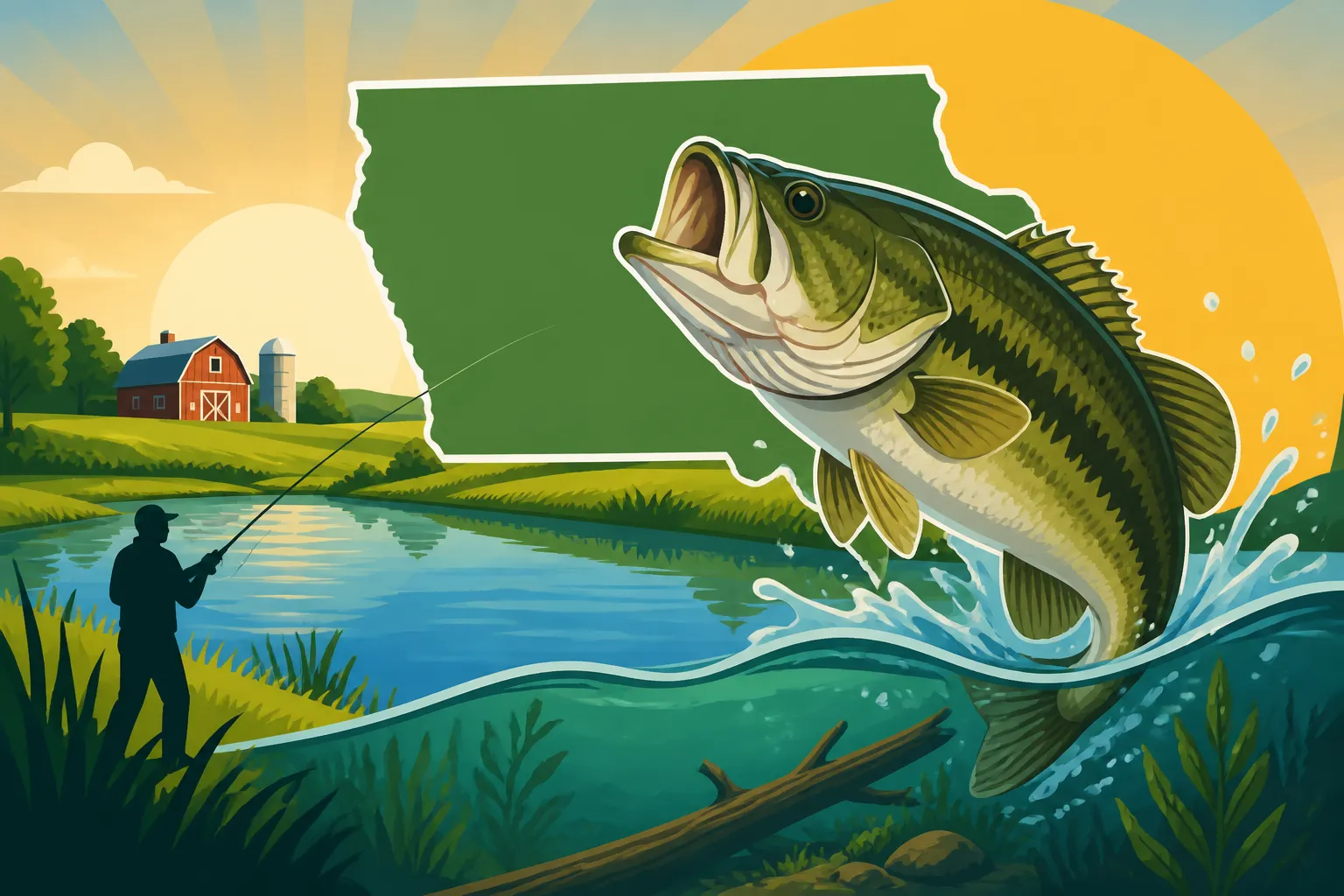
There’s a unique magic to fishing a private farm pond in Iowa. Many anglers dream of those secluded honey holes, brimming with eager bass, far from the crowds of public lakes. But the reality is, finding these hidden gems and knowing how to approach them effectively can feel like navigating a maze without a map. This guide is dedicated to helping you unlock the secrets of Iowa’s best farm ponds for bass fishing, understanding the nuances of these intimate waters, and significantly boosting your chances of landing that lunker you’ve been dreaming of.
The Allure of Iowa's Private Pond Bass Fishing
Farm ponds across Iowa hold a special place in the hearts of many anglers, and for good reason. They often offer a completely different fishing experience compared to larger public reservoirs or rivers. If you've ever felt overwhelmed by boat traffic, competitive pressure, or simply the vastness of big water, the intimate setting of a farm pond can be a true breath of fresh air. It's a chance to connect with the water, and with nature, on a much more personal level.
Why Farm Ponds Are Bass Goldmines
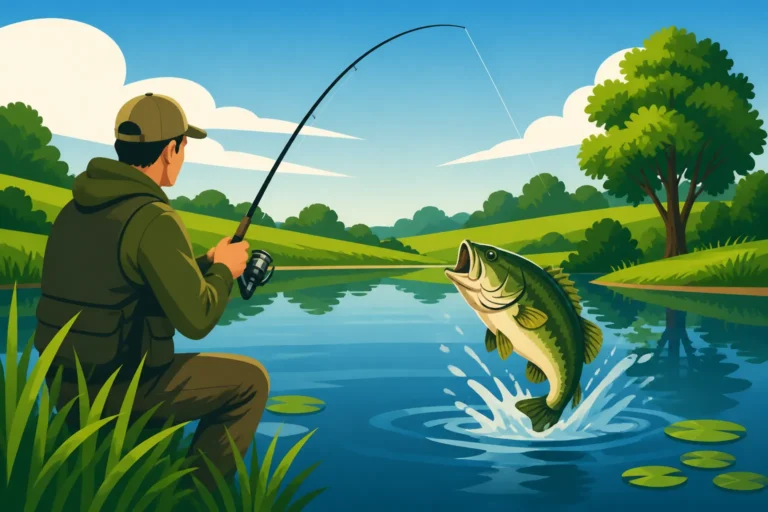
Unlike expansive lakes where bass populations can be spread out across hundreds or thousands of acres, farm ponds concentrate fish in a relatively smaller, often more predictable environment. These ponds are frequently stocked, either by the landowner or through programs by the Iowa Department of Natural Resources (DNR), ensuring a healthy population. The limited fishing pressure on many private ponds also means bass are often less wary and more aggressive than their public-water counterparts, leading to some truly explosive bites and memorable catches. This combination of concentrated fish, good management, and reduced pressure makes them incredibly productive for bass.
Furthermore, farm ponds often boast an abundance of natural forage like minnows, frogs, and various insects, providing a rich diet that helps bass grow quickly and to impressive sizes. The structure in these ponds, whether it’s cattails along the edges, submerged brush piles, old tires, or even just changes in bottom contour, tends to be easily identifiable and accessible. You're not searching for a needle in a haystack; you're often targeting specific, visible features where bass are likely to ambush prey, making your efforts much more efficient.
The Unique Challenges of Pond Fishing
While farm ponds offer incredible opportunities, they also present their own set of challenges that can frustrate even seasoned anglers. The biggest hurdle, of course, is gaining access. These are private properties, and respect for landowners is paramount. Beyond access, pond bass can sometimes be surprisingly finicky. Water clarity, temperature fluctuations, and even barometric pressure can have a profound impact on their behavior in such a confined space. It's not uncommon to fish a pond one day and have incredible success, only to return a week later under seemingly similar conditions and struggle to get a bite.
Another common frustration is the rapid growth of aquatic vegetation. While some weeds are great for cover, an overabundance can make fishing nearly impossible, snagging lures and obscuring fish. Understanding the pond's depth, bottom composition, and hidden structure without the aid of advanced electronics can also be a guessing game, requiring a different kind of detective work. However, overcoming these challenges is part of the satisfaction, and with the right approach, they are entirely manageable.
Finding and Accessing Iowa's Private Pond Fisheries
The number one question most anglers have about farm ponds is, "How do I find one to fish?" It's not like you can look up public access points. This aspect requires a blend of networking, etiquette, and a little bit of detective work. Remember, respect and courtesy are your best tools here.
Networking and Building Relationships
The most effective way to gain access to prime farm ponds is through word-of-mouth and personal connections. Talk to friends, family, co-workers, or even local bait shop owners. You'd be surprised how many people know someone with a pond. When you do get a lead, always ask for permission first, and never assume access. A simple, polite request goes a long way. When you're making that initial contact, be clear about your intentions – that you're an avid angler, you practice catch-and-release, and you'll leave the property cleaner than you found it.
Consider offering to help the landowner in some small way. Maybe you could help clear some brush, fix a fence, or even offer some of your fresh catches from other trips (if permitted by regulations). Building a relationship based on trust and mutual respect is key. Once you have access to one pond, that landowner might even be able to introduce you to other pond owners in the area. This kind of grassroots networking is truly the backbone of farm pond fishing in Iowa.
Seeking Permission and Following Etiquette
Once you've identified a potential pond, securing permission is non-negotiable. Trespassing is illegal and damages the reputation of all anglers. When approaching a landowner, choose a time when they're not busy, and always be polite and well-mannered. Introduce yourself, explain your passion for fishing, and specifically ask if you might have permission to fish their pond. Be prepared for a "no," and accept it graciously if that's the answer. If they say yes, make sure you understand any specific rules they might have – whether it's where to park, if they prefer catch and release, or if there are any areas to avoid.
Always leave the property better than you found it. Pack out all your trash, even if it's not yours. Close all gates, don't disturb livestock, and drive slowly on gravel roads. If you catch fish and the landowner allows you to keep some, consider offering a portion of your catch to them as a thank you. A small gesture of gratitude, like a thank-you note or a gift card to a local store, can go a long way in solidifying your access for future trips. Respecting Private Pond Fishing Rules in Iowa is essential not just legally, but ethically.
Essential Gear and Techniques for Iowa Pond Bass
You don't need a boatload of specialized gear to conquer a farm pond, but a thoughtful selection of equipment and a mastery of specific techniques will definitely tip the scales in your favor. Pond fishing often means getting up close and personal with your quarry, so stealth and precision are often more valuable than brute force.
Rods, Reels, and Line for Close-Quarters Combat
For most farm pond bass fishing, a medium-heavy spinning or baitcasting setup is ideal. A 6'6" to 7' medium-heavy fast-action rod offers enough backbone to pull fish out of cover while still providing sensitivity for subtle bites. Spinning gear is often preferred by beginners for its ease of use and versatility with lighter lures, while baitcasting setups offer more power and precision for heavier baits and pitching into tight spots. A good quality reel with a smooth drag system is crucial, as you'll often be fighting fish near snags.
For line, 10-15 lb fluorocarbon or monofilament is a solid all-around choice. Fluorocarbon offers low visibility and good sensitivity, while monofilament has more stretch, which can be forgiving when a bass makes a sudden run. If you're fishing extremely heavy cover, like dense lily pads or thick brush, consider bumping up to 20-30 lb braided line with a fluorocarbon leader for abrasion resistance and cutting power. Getting familiar with different lines and their uses can drastically improve your success. For more comprehensive insights, check out our Iowa Fishing Techniques Guide.
Top Lures for Pond Bass Success
When it comes to lures for farm pond bass, versatility is key. You want baits that can cover different depths and mimic various forage.
- Soft Plastics: These are arguably the most effective lures for pond bass. Senko-style worms, Texas-rigged creature baits, and wacky-rigged worms are deadly when pitched into cover or allowed to sink slowly near structure. Popular colors include green pumpkin, black, and junebug.
- Spinnerbaits: Excellent for covering water quickly and drawing reaction strikes, especially around submerged grass or timber. White, chartreuse, and white/chartreuse combinations are classic choices.
- Topwater Lures: Frogs, poppers, and walking baits are incredibly exciting to use, especially during low-light conditions or when bass are active near surface vegetation. Few things beat the thrill of a bass exploding on a topwater bait.
- Crankbaits and Squarebills: Shallow-diving crankbaits work wonders when bass are cruising along shorelines or feeding in open water pockets. Squarebill crankbaits are particularly good for deflecting off wood and rock without snagging, mimicking a fleeing baitfish.
- Jigs: Flipping and pitching jigs into heavy cover is a tried-and-true method for catching larger, more elusive bass. Black and blue, green pumpkin, and brown are staple colors.
Don't be afraid to experiment with different presentations and retrieves. Sometimes a subtle twitch is all it takes, while other times a fast, erratic retrieve will trigger a bite. Understanding How to Catch Bass in Iowa involves mastering these various lure types and their applications.
Understanding Pond Ecology for Better Bass Fishing
To consistently catch bass in farm ponds, it helps to think like a bass. This means understanding their habitat preferences, feeding patterns, and how they react to environmental changes within their confined world. Pond ecology is a fascinating subject that directly impacts your angling success.
Reading the Water: Structure and Cover
Bass are ambush predators, and they love to hide in or near structure and cover. In a farm pond, this can take many forms:
- Aquatic Vegetation: Lily pads, cattails, submerged grass beds, and pondweed provide excellent ambush points, shade, and oxygenated water. Bass will often patrol the edges or sit directly underneath dense mats.
- Woody Debris: Fallen trees, submerged logs, brush piles, and even old fence posts or tires can attract bass. These provide both cover and habitat for smaller baitfish.
- Bottom Transitions: Changes in depth, points, humps, and even areas where the bottom transitions from mud to gravel can hold bass. These subtle features might not be visible from shore but are crucial fish-holding areas.
- Man-Made Structures: Culverts, old docks, or even cattle ramps can be bass magnets, offering shade and vertical cover.
Spend time observing the pond. Look for irregularities, shaded areas, or places where natural features create distinct edges. This "reading the water" skill is paramount in pond fishing. If you're looking for more general advice, our guide on Largemouth Bass Fishing in Iowa goes into broader habitat discussions that can also apply to ponds.
Seasonal Patterns and Water Temperatures
Bass behavior in farm ponds is heavily influenced by the seasons and corresponding water temperatures.
- Spring: As water temperatures rise, bass move into shallower areas to spawn. They'll be highly active and aggressive in the pre-spawn phase, making it a prime time for big fish. Post-spawn, they might be a bit lethargic but will eventually move to slightly deeper cover as they recover. This is often the Best Time to Fish a Farm Pond.
- Summer: During the heat of summer, bass often retreat to deeper, cooler water or seek shade under thick vegetation during the day. Early mornings, late evenings, and even night fishing can be highly productive using topwater lures or slow-moving baits.
- Fall: As water temperatures cool, bass go on a feeding frenzy, bulking up for winter. They'll often be found shallower, chasing baitfish. This is another excellent time to catch aggressive bass.
- Winter: In colder months, bass become much less active, moving to the deepest parts of the pond. Fishing becomes much slower, requiring subtle presentations and patience.
Understanding these cycles helps you adjust your approach. For instance, in spring, a crankbait or spinnerbait might be best, while in summer, a Texas-rigged worm in dense cover could be the ticket. Knowing the Bass Season and Size Limits for Iowa is also crucial, although specific pond rules may sometimes differ if explicitly permitted by the landowner.
Common Challenges and How to Overcome Them in Pond Fishing
Every angler faces hurdles, and pond fishing is no exception. From dense vegetation to skittish fish, knowing how to adapt can be the difference between a frustrating day and a fantastic one. It's about problem-solving and being prepared for anything these small, dynamic ecosystems throw your way.
Dealing with Heavy Vegetation
Iowa farm ponds can quickly become choked with weeds, especially in warmer months. While some vegetation is good, too much can make fishing nearly impossible.
- Weedless Lures: This is your best friend. Texas-rigged soft plastics (worms, creature baits) with the hook point embedded in the plastic are designed to slide through dense cover without snagging. Weedless frogs and hollow-bodied topwater baits are also excellent choices for fishing over lily pads and matted vegetation.
- Power Fishing: Sometimes, the only way to get a reaction strike is to rip a bait through the cover. A heavy-duty rod and braided line can help you muscle fish and lures out of thick weeds.
- Targeting Edges: Instead of casting directly into the densest mats, focus on the edges where open water meets cover. Bass will often patrol these transition zones, waiting to ambush prey.
- Observe and Adapt: Pay attention to how the bass are using the vegetation. Are they deeper in the mat or on the fringes? Are they reacting to subtle presentations or needing something more aggressive?
Navigating thick vegetation successfully is a skill that will significantly increase your pond bass catch rates.
Managing Fishing Pressure and Skittish Bass
While farm ponds generally see less pressure than public lakes, if a pond is fished regularly, bass can become educated and wary.
- Stealth: Approach the pond quietly. Avoid stomping, loud talking, or casting a long shadow over the water. Bass are sensitive to vibrations and visual cues.
- Lighter Lines and Longer Casts: When bass are spooky, scale down your line size and make longer casts to keep your distance. Fluorocarbon line is less visible underwater, which can be an advantage.
- Subtle Presentations: Instead of aggressive power fishing, opt for more subtle techniques like weightless wacky rigs, shaky heads, or small jigs. Let the bait do the work with minimal rod action.
- Low Light Conditions: Fish early morning, late evening, or even at night. Bass tend to be more confident and less wary in low light, venturing out from cover to feed actively.
- Vary Your Lures: If bass are ignoring your usual go-to baits, switch it up. Try different colors, sizes, or lure types. Sometimes a completely different presentation can trigger a bite from otherwise hesitant fish.
Remember, patience and persistence are key when dealing with educated bass. Sometimes, the fish just aren't biting, and that's okay. It’s a part of the fishing experience!
Protecting Iowa's Pond Fisheries for Future Generations
As anglers, we have a responsibility to be good stewards of the natural resources we enjoy. This is especially true for private farm ponds, where our actions can directly impact the health of the fishery and our relationship with landowners. Responsible angling practices ensure these valuable resources remain productive for years to come.
Practicing Catch and Release Effectively
Many farm ponds, especially those managed for trophy bass, benefit greatly from a strong catch-and-release ethic. While landowners may grant permission to keep some fish, consider releasing larger bass, particularly those over 15-18 inches, as they are crucial for maintaining a healthy gene pool and reproducing. Smaller bass, if a landowner allows, can sometimes be kept for a meal, as this can help thin out overpopulated ponds and allow the remaining fish to grow larger.
When practicing catch and release, handle fish with care. Minimize their time out of water, use wet hands to protect their slime coat, and avoid squeezing them. Use appropriate tools like de-hookers or needle-nose pliers to remove hooks quickly and gently. If a fish is deeply hooked, it's often better to cut the line as close to the hook as possible rather than tearing sensitive internal organs. This mindful approach helps ensure that the fish you release have the best chance of survival.
Preventing the Spread of Aquatic Invasive Species
One of the biggest threats to Iowa's waterways, including private ponds, is the spread of aquatic invasive species (AIS). These unwanted plants and animals can outcompete native species, disrupt ecosystems, and degrade water quality. As an angler moving between different bodies of water, you play a critical role in preventing their spread.
Always follow the "Clean, Drain, Dry" protocol:
- Clean: Inspect your boat, trailer, waders, and all fishing gear for any visible plants, mud, or organisms. Remove anything you find.
- Drain: Drain all water from your boat, livewell, bait bucket, and any other water-holding compartments before leaving the ramp or pond.
- Dry: Allow all equipment to thoroughly dry for at least 5 days, if possible, before using it in another body of water.
Never move live fish or bait from one body of water to another, even if it's just from one pond to a nearby one. This is how many invasive species are introduced. Being vigilant helps protect our precious Iowa fisheries. You can learn more about general conservation efforts in our Iowa Fishing License Guide.
Planning Your Next Iowa Pond Adventure
Armed with the knowledge of how to find, fish, and protect Iowa's farm ponds, you're ready to plan your next adventure. While these private waters offer incredible opportunities, always remember that public waters are also abundant with bass and other species. If you're struggling to secure farm pond access, remember that platforms like FishingBooker can connect you with experienced guides for fantastic bass fishing experiences on larger public lakes and rivers throughout Iowa, like Rathbun Lake or the Mississippi River.
Exploring different bodies of water and refining your skills is part of the joy of fishing. Whether you're targeting a lunker in a secluded pond or searching for schools of active bass in a larger reservoir, the principles of understanding fish behavior, mastering your gear, and respecting the environment will always serve you well. Our guide to Best Tackle for Iowa Fishing offers a broader look at essential gear that can cross over from ponds to larger lakes.
Remember that fishing is about more than just the catch; it's about the experience, the tranquility of nature, and the continuous learning that each outing provides. Enjoy the hunt for those elusive farm pond bass, and may your lines be tight and your spirits high!
Disclaimer
Please note that fishing regulations, access rules, and environmental conditions can change. Always check the latest Iowa Department of Natural Resources (DNR) regulations before heading out. Respect private property and always obtain landowner permission before fishing on private ponds.