Do Teenagers Need a Boating Safety Course?
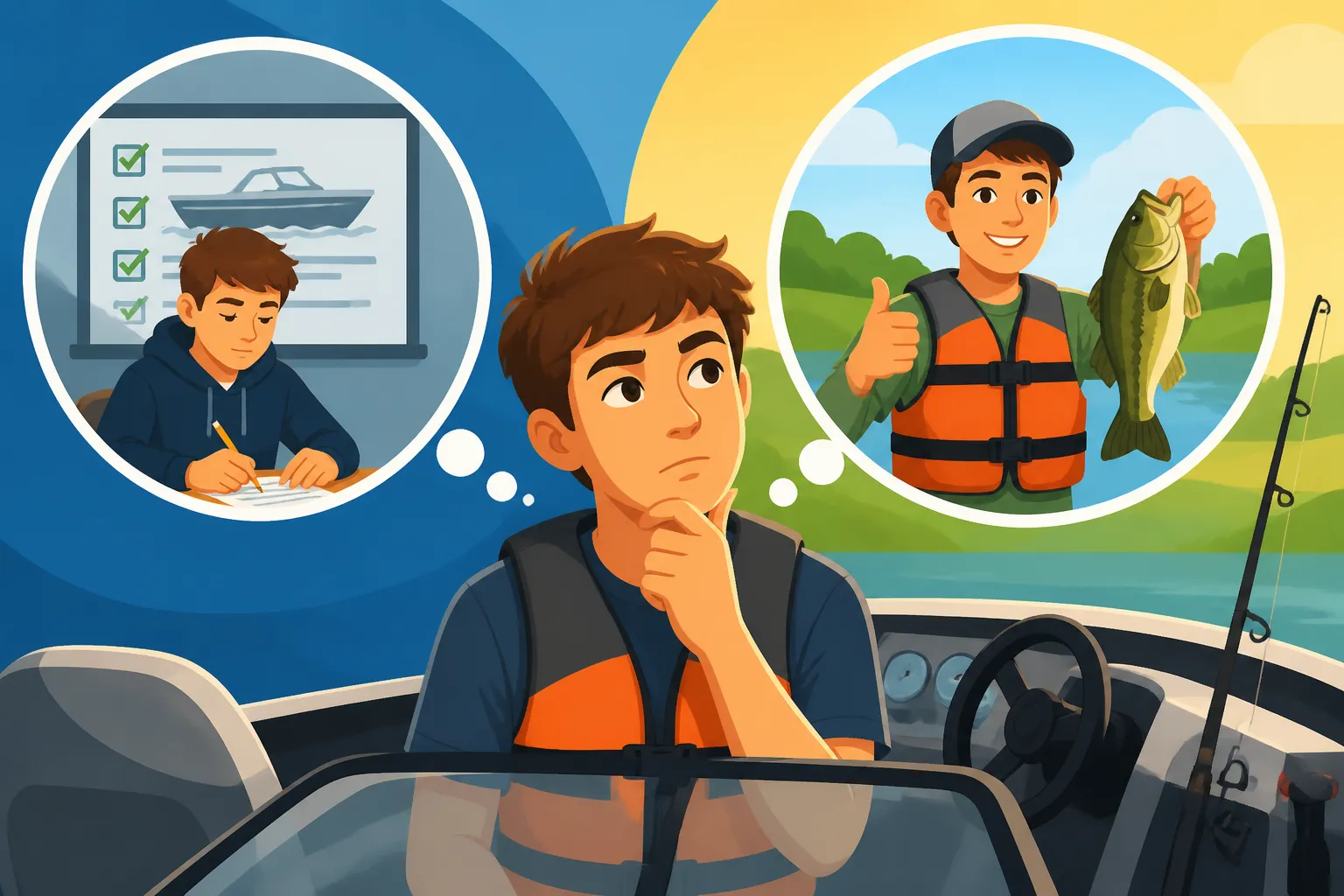
It's completely understandable to feel a bit lost when trying to figure out all the rules and regulations that come with enjoying Iowa's beautiful waterways, especially when it concerns young boat operators. As parents and guardians, we want our teenagers to have fun and experience the joy of fishing and boating, but safety is always paramount, and navigating the legal requirements can sometimes feel like a puzzle. This comprehensive guide will break down exactly when and why teenagers need a boating safety course in Iowa, how they can get certified, and why this education is so vital for everyone's safety on the water.
Iowa's Boating Safety Course Mandate for Young Operators
Let's dive right into the core of the matter: does your teenager need a boating safety course to operate a boat in Iowa? The short answer is, for many, yes! Iowa, like many states, has specific laws designed to ensure that young operators understand the fundamentals of safe boating before they take the helm. This isn't just about preventing accidents; it's about instilling a sense of responsibility and knowledge that makes everyone on the water safer and more comfortable. It can be confusing trying to understand all the specific rules, especially when you're looking for information on topics like Boater Education Requirements for Young Anglers.
Who Needs a Boating Safety Certificate?
Iowa law specifies that anyone born after January 1, 1972, who operates a motorboat or sailboat over a certain length must have a valid boating safety certificate. This specifically applies to young operators. If your teenager was born after this date and plans to operate a motorboat with an engine of 10 horsepower or more, they absolutely need to complete a state-approved boating safety course. This requirement is a cornerstone of marine safety and helps to create a more informed and cautious boating community. It ensures that even though they might be seasoned on the water with you, they've formally learned the critical rules of the road and emergency procedures. Without this certificate, they could be in violation of state law, facing fines and potential legal issues if stopped by the Iowa Department of Natural Resources (DNR) or other law enforcement.
The Specifics for Different Age Brackets
The regulations are a bit nuanced depending on the age of the young operator, which can add to the confusion. It's not a one-size-fits-all rule, so let's break it down clearly:
- Ages 12 to 17: This is the primary age group impacted by the mandatory boating safety education requirement. If a teenager in this age range wants to operate a motorboat with an engine of 10 horsepower or more, they must possess a valid boating safety certificate issued by the Iowa DNR or an approved equivalent from another state. This means if they're heading out to fish for walleye at Clear Lake or explore the quiet coves of Rathbun Lake, they need that certification in their pocket. This rule helps ensure that young, developing drivers have a baseline understanding before they are in control of a powerful vessel.
- Under 12 Years Old: For children under the age of 12, the rules are stricter. They are generally not allowed to operate a motorboat with an engine of 10 horsepower or more unless they are under direct supervision (onboard and within reach) of a person who is at least 18 years old and also possesses a valid boating safety certificate. In simpler terms, a young child cannot independently operate a significant motorboat in Iowa. This strict guideline is in place to protect very young children who might not have the physical or mental maturity to handle a boat safely, regardless of any course they might take. It's a key part of Iowa's commitment to water safety. Even for smaller craft, understanding the Minimum Age to Drive a Motorboat in Iowa is crucial.
Navigating the Boating Safety Course Options for Teenagers
Once you've established that your teenager needs to take a course, the next question is always, "How do we get this done?" Thankfully, the Iowa DNR has made the process fairly accessible, offering both online and in-person options to fit various schedules and learning preferences. The goal is to make it easy for aspiring young boaters to gain the necessary knowledge.
Online vs. In-Person Course Options
When it comes to completing a boating safety course, teenagers and their families have flexibility in how they approach it:
- Online Courses: These are a fantastic option for many busy families. Several state-approved online providers, such as BoatUS Foundation, BoaterExam.com, and America's Boating Course (provided by the U.S. Coast Guard Auxiliary and USPS), offer interactive, self-paced courses that can be completed from the comfort of your home. These courses are generally very well-structured, using a mix of text, videos, and quizzes to keep learners engaged. Your teenager can work through the material at their own pace, pausing and resuming as needed. Once they pass the final exam, they can usually print a temporary certificate immediately, with a permanent card mailed later. You can often find official study guides or supplemental materials on platforms like Amazon to aid in their online learning journey. This flexibility is particularly useful during busy school seasons or if you live far from in-person class locations.
- In-Person Classes: For those who prefer a traditional classroom setting, the Iowa DNR, along with various local organizations, often hosts in-person boating safety courses. These classes are typically taught by certified instructors and provide a hands-on learning environment, often including opportunities for questions and direct interaction. While less flexible than online options, some teenagers thrive in a structured classroom, benefiting from direct instruction and peer interaction. These courses are usually offered on specific dates and locations, so it's a good idea to check the Iowa DNR website or local community calendars well in advance. Some even include practical demonstrations, which can be invaluable for understanding concepts like proper knot tying or how to use Boat Safety Equipment for Iowa Waters.
What the Course Covers
Regardless of whether your teenager takes the course online or in a classroom, the curriculum is designed to be comprehensive, covering all the essential knowledge needed for safe boat operation. These courses aren't just about memorizing rules; they're about understanding the why behind them, fostering a mindset of safety and environmental responsibility. Here's a glimpse into what your teenager will learn:
- Navigation Rules (Rules of the Road): Just like driving a car, there are specific rules for how boats interact on the water. This includes understanding right-of-way, proper passing procedures, and signaling. Knowing these rules prevents collisions and keeps traffic flowing smoothly on popular fishing spots like the Iowa Great Lakes or busy sections of the Mississippi River.
- Aids to Navigation: Your teenager will learn to identify buoys, markers, and lights that guide boats and indicate safe channels, hazards, and speed limits. This knowledge is crucial for safely navigating unfamiliar waters and avoiding dangerous areas.
- Boating Safety Equipment: The course covers all required and recommended safety gear, such as life jackets, fire extinguishers, sound-producing devices, and visual distress signals. They'll learn how to properly use and maintain this equipment, which can be a lifesaver in an emergency. Many of these essential items, like personal flotation devices (PFDs) for everyone on board, can be easily purchased from retailers like Amazon.
- Operating and Trailering: From pre-departure checks and fueling procedures to launching and retrieving a boat, the course walks through all aspects of boat operation. It also often includes tips on safely trailering a boat to and from different launch sites, such as public boat ramps on the Iowa Great Lakes.
- Emergency Procedures: What do you do if someone falls overboard? What if the engine fails? What if there's a storm? The course provides critical information on handling various emergencies, including basic first aid and communication techniques.
- Environmental Responsibilities: Boating safety also extends to protecting our natural resources. Teenagers learn about preventing pollution, avoiding damage to sensitive habitats, and understanding the impact of their boating activities on wildlife and other users of the waterways. This includes respecting catch limits and understanding Iowa Fishing Season Dates and Limits.
The Lifelong Benefits of Boating Education for Young Anglers
While the immediate motivation for taking a boating safety course might be legal compliance, the benefits stretch far beyond just checking a box. For young anglers and boaters, this education provides a foundation for a lifetime of safe, enjoyable, and responsible experiences on Iowa's abundant waters. It cultivates skills and awareness that serve them well in many aspects of life.
Enhancing Safety on Iowa's Waters
The most apparent and vital benefit is the significant enhancement of safety. Armed with knowledge about navigation, equipment, and emergency protocols, teenagers are far better prepared to handle unforeseen situations that can arise on the water. Iowa's lakes and rivers can present diverse challenges, from sudden weather changes to unexpected mechanical failures. A certified young operator is more likely to:
- Prevent Accidents: Understanding right-of-way, maintaining a safe speed, and being aware of surroundings drastically reduces the risk of collisions with other boats, swimmers, or obstacles. They learn to anticipate potential hazards and react appropriately, rather than being caught off guard.
- Respond to Emergencies Effectively: In a crisis, panic can set in. A trained teenager will know how to use VHF radios, signal for help, apply basic first aid, and perform critical tasks like deploying anchors or managing a fire. This preparedness can make all the difference when seconds count.
- Protect Themselves and Others: The course emphasizes the importance of wearing life jackets, especially for youth and inexperienced swimmers. They learn about the dangers of carbon monoxide poisoning from boat engines and the risks of consuming alcohol or drugs while boating. This knowledge isn't just for them; it extends to the safety of everyone on board. It's about personal accountability and looking out for your passengers, whether they're family or friends joining you for a day of fishing.
Developing Responsible Boating Habits
Beyond just knowing the rules, a boating safety course helps instill a deep sense of responsibility. This isn't just about following laws; it's about becoming a thoughtful and considerate member of the boating community and a steward of Iowa's natural environment.
- Respect for the Environment: Courses teach the importance of clean boating practices, such as proper waste disposal, preventing fuel spills, and understanding how boat wakes can affect shorelines and other users. This is crucial for maintaining the health of our rivers and lakes for future generations of anglers.
- Courtesy on the Water: They learn about respecting other boaters, anglers, and property owners. This includes maintaining safe distances, observing "no wake" zones near docks or swimming areas, and being mindful of noise levels. It fosters a community spirit rather than a competitive one.
- Confidence and Competence: Completing the course and earning a certificate gives teenagers a sense of accomplishment and genuine confidence in their abilities. This isn't false bravado, but a well-earned self-assurance that comes from solid training. This competence makes them not just safer operators, but also more capable and reliable partners on any fishing or boating excursion. They'll be more prepared for anything from navigating the Mississippi River Pool 10 Fishing spots to knowing when to properly handle their catch according to Iowa Fishing Daily Bag Limits Guide.
| Age Group | Engine HP 10+ Requirement | Supervision Requirement (18+ w/ cert) |
|---|---|---|
| Under 12 | MUST be under direct supervision of 18+ certified adult | Yes, mandatory |
| 12 to 17 | MUST possess a valid Boating Safety Certificate to operate | No, if certified |
| 18 and Over | No Boating Safety Certificate required by law | No |
Note: This table summarizes general requirements. Always refer to the latest Iowa DNR regulations for full details.
Understanding Exemptions and Consequences of Non-Compliance
While the general rule is clear for teenagers operating motorboats, there are a few specific situations where the boating safety certificate might not be required. It’s important to understand these nuances, as well as the potential repercussions if the rules are not followed. Navigating these details can be tricky, so it's good to be fully informed.
Who is Exempt from the Boating Education Requirement?
Not every boater needs a certificate, even if they were born after the specified date. Here are the primary exemptions that might apply, although some are less likely to involve teenagers:
- Operators Born Before January 1, 1972: If your teenager somehow falls into this category (unlikely, but technically an exemption for other adults), they are not required to have the certificate. The law is specifically targeted at younger generations.
- Operators on Private Waters: If the boat is being operated exclusively on a private lake or pond that is not navigable by the public, the state boating safety education requirement typically does not apply. This might be relevant for teenagers fishing on a family farm pond for bass, as discussed in License Rules for Fishing on Private Property. However, even in such cases, safety knowledge is always recommended.
- Operators Accompanied by a Certified Adult: This is the most common exemption that might apply to a teenager who hasn't completed their course yet. If the teenager is operating a boat under the direct supervision of an adult (at least 18 years old) who does possess a valid boating safety certificate, they are generally exempt from the requirement themselves. "Direct supervision" usually means the adult is physically present on the boat, within reach, and capable of taking immediate control of the vessel. This allows for supervised learning and experience before a teenager obtains their own certification.
- Operators of Boats Less Than 10 Horsepower: If the motorboat has an engine less than 10 horsepower, the safety certificate is not required for operators, regardless of age. This often includes smaller fishing boats or utility boats used with low-power outboards.
- Non-Residents with Equivalent Certification: If your teenager is visiting Iowa from another state and has a boating safety certificate issued by their home state that is approved by the National Association of State Boating Law Administrators (NASBLA), it is generally recognized in Iowa. This means out-of-state anglers won't need to take a new course just to fish in Iowa waters for a vacation.
Penalties for Non-Compliance
Operating a motorboat without the required safety certificate when one is mandated can lead to some unwelcome consequences. It’s not just a minor oversight; it's a violation of Iowa law, and the Iowa DNR takes boating safety very seriously.
- Fines and Citations: The most immediate consequence for a teenager caught operating without the necessary certification is a citation and a fine. While the exact amount can vary, it's certainly an expense that no one wants to incur. These fines are designed to be a deterrent and encourage compliance with safety regulations.
- Mandatory Education: In some cases, especially for a first offense, the teenager might be required to complete an approved boating safety course within a specific timeframe as part of their penalty. This means they'll have to take the course anyway, often under a deadline, which adds stress to the situation.
- Safety Risks: Beyond legal penalties, the biggest "consequence" is the heightened risk of accidents. An uneducated operator is more prone to making critical mistakes, potentially leading to injuries, property damage, or even fatalities. The rules are there for a reason – to prevent these tragic outcomes. A good example of this is understanding Iowa Boat Registration Requirements and how safety protocols around properly registered and maintained vessels keep everyone safe.
In summary, ensuring your teenager completes a boating safety course if required isn't just about avoiding a ticket; it's about investing in their safety, competence, and ability to enjoy Iowa's fantastic fishing and boating opportunities responsibly for years to come.
Disclaimer
Please note that boating regulations can change. While every effort has been made to provide accurate and up-to-date information, it is always recommended to consult the official Iowa Department of Natural Resources (DNR) website or their current boating regulations booklet for the most precise and timely legal requirements. This article is intended for informational purposes only and should not be considered legal advice.