Best Boots for Ice Fishing
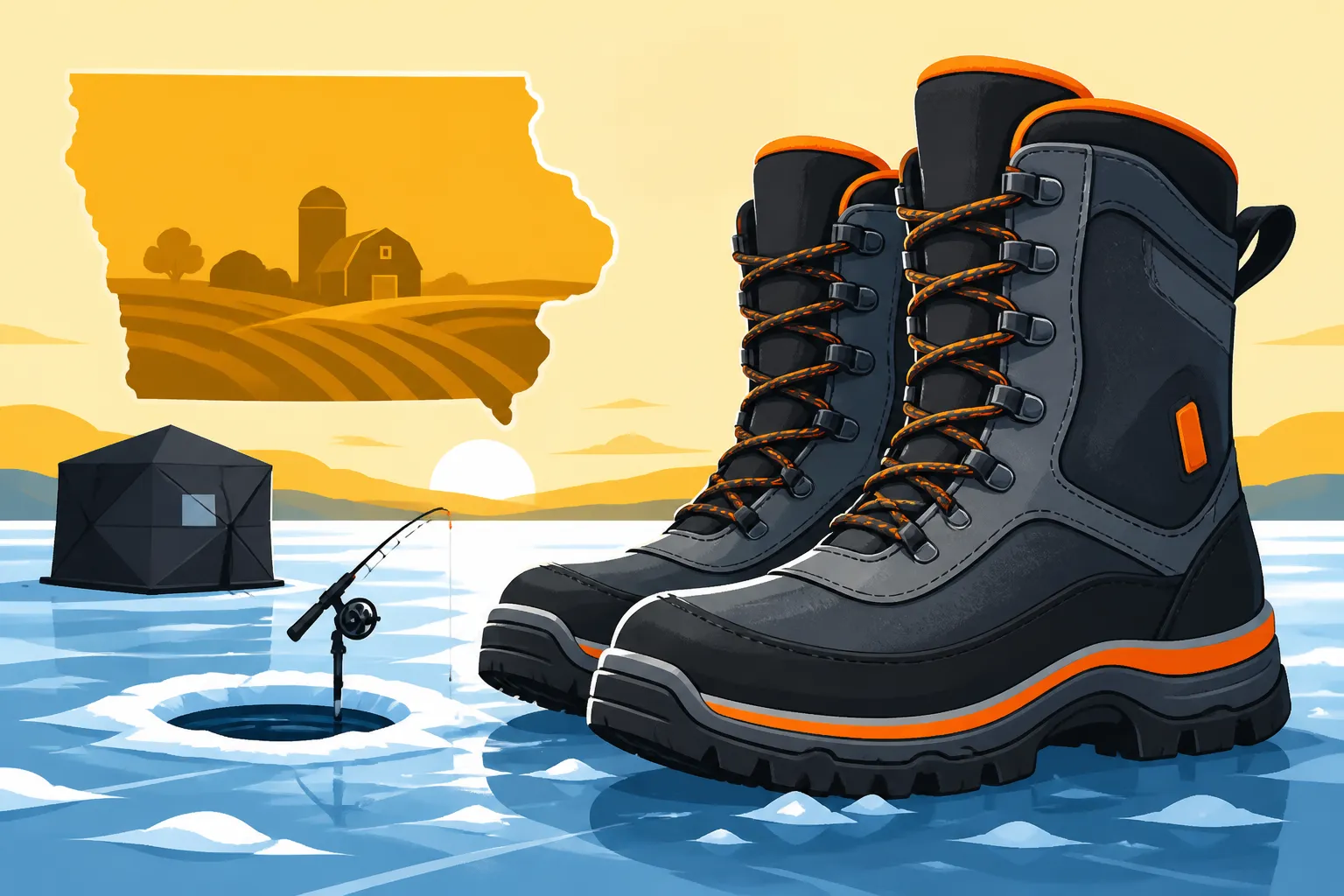
There's nothing quite like the biting cold that creeps into your toes when you're out on the ice, patiently waiting for a bite. We've all been there: that slow, creeping chill that starts at your extremities and eventually makes the rest of your body feel downright miserable. But here in Iowa, where winter fishing is a cherished tradition, cold feet shouldn't cut your day short. This guide is all about helping you find the absolute best boots for ice fishing, ensuring your feet stay warm, dry, and comfortable no matter how long you're out on the frozen waters.
Why Your Feet Matter: The Iowa Ice Fishing Challenge
When you're out on a frozen lake like Clear Lake or West Okoboji, battling the elements for that prized walleye or panfish, your feet are your foundation. They bear the brunt of the cold, the snow, and the inevitable slush. Ignoring their comfort and protection isn't just unpleasant; it can actually be a safety hazard.
The Misery of Cold Feet
Let's be real: cold feet can ruin an otherwise perfect day on the ice. It starts subtly, a slight chill, but quickly escalates into a deep, painful ache that reverberates through your entire body. When your feet get too cold, your blood vessels constrict, reducing blood flow to your extremities, which in turn makes them even colder. This isn't just about discomfort; prolonged exposure to extreme cold can lead to frostnip or even frostbite, particularly in the harsh, windy conditions we often experience in Iowa. You’re not just trying to catch fish; you’re trying to enjoy the experience, and that’s impossible when you’re constantly wiggling your toes, trying to coax some warmth back into them. Think about those frigid mornings on Spirit Lake when the wind is just whipping across the ice – inadequate footwear makes every minute feel like an hour.
Beyond Comfort: Safety Considerations
Beyond the sheer misery, your choice of ice fishing boots also plays a critical role in your safety. Picture yourself walking across a slippery, snow-covered lake. Good traction is paramount to prevent slips and falls that could lead to injuries, from sprained ankles to more serious tumbles on uneven ice. Moreover, waterproof protection isn't just for keeping your feet dry from melting snow; it's essential if you encounter slush pockets or, heaven forbid, step near an open hole. A boot that lets in water compromises insulation instantly, turning a chilly foot into a dangerously cold one, increasing the risk of hypothermia. When you consider the importance of Ice Fishing Safety on Iowa Lakes, proper footwear is a non-negotiable part of your gear.
Key Features of Superior Ice Fishing Boots
Choosing the right ice fishing boots means understanding the critical features that make them effective. It's not just about finding the warmest pair; it's about a combination of factors that deliver all-around protection and performance.
Unpacking Insulation Ratings
The heart of any good ice fishing boot is its insulation. This is typically measured in grams, and it indicates how much insulating material is packed into the boot. More grams generally mean more warmth, but it's also a balance with bulk and flexibility.
-
Understanding Gram Ratings:
- 200-400 Grams: These are on the lighter side. They might be okay for early or late-season ice fishing when temperatures hover around freezing, or if you're very active and generating a lot of body heat. For most stationary Iowa ice fishing, this usually isn't enough.
- 600-1000 Grams: This is often the sweet spot for many Iowa anglers. Boots in this range offer substantial warmth for typical winter days without being overly bulky. They're great for average cold temperatures and moderate activity levels.
- 1200-2000+ Grams: When the mercury truly plummets, and the wind chill makes it feel like the Arctic tundra, these are the boots you want. If you're planning on sitting still for hours in sub-zero temperatures, or if you naturally run cold, opting for maximum insulation is a wise choice. Many serious anglers consider 1200g or more a minimum for consistent Iowa ice fishing.
-
Materials Matter: Beyond the gram rating, the type of insulation also makes a difference. Common materials include Thinsulate, Zylex, and proprietary blends. Each has its own properties regarding warmth-to-weight ratio and ability to retain warmth when compressed. For instance, Thinsulate is well-regarded for its ability to provide warmth without excessive bulk.
The Waterproofing Imperative
Wet feet get cold feet, period. It doesn't matter how many grams of insulation your boots have; if water gets in, you're in for a miserable time. Effective waterproofing is non-negotiable for ice fishing.
-
Construction for Dryness: Look for boots that are either fully rubberized or have a robust waterproof membrane, like Gore-Tex or similar proprietary technologies, that extends well up the shaft. Seam-sealed construction is key. Any weak point where water can seep in—like stitching or unsealed seams—will eventually fail. Some boots feature removable liners, which can be great for drying out thoroughly after a long day, but the outer shell still needs to be impenetrable.
-
Beyond the Surface: It’s not just about splash protection. When you’re walking through deep snow or slush, water pressure can force moisture through less-than-perfect seals. Consider boots with a taller shaft height to prevent snow and slush from getting in over the top, especially if you're trekking through deeper drifts or post-holing. This also offers better ankle support, which is a bonus on uneven ice surfaces.
Traction and Support: Staying Upright and Comfortable
The ice beneath your feet is inherently treacherous. Your boots need to provide reliable grip and support to keep you safe and minimize fatigue.
-
Outsole Design: Look for rugged rubber outsoles with aggressive, multi-directional lug patterns. These deep treads are designed to bite into snow, ice, and slush, providing stability. Some boots even have specialized compounds that remain flexible in extremely cold temperatures, which can improve grip. While no boot is a substitute for ice cleats on slick, bare ice, a good outsole is your first line of defense.
-
Ankle and Arch Support: Spending hours standing, walking, and setting up gear on uneven surfaces can take a toll on your feet and ankles. Boots with good ankle support help prevent twists and sprains. Adequate arch support is also crucial for overall foot comfort and reducing fatigue, especially if you have a long walk to your favorite spot on Lake Rathbun or a similar large body of water.
Here's a quick look at how different insulation levels stack up for Iowa ice fishing:
| Insulation Level (Grams) | Typical Iowa Conditions | Activity Level | Pros | Cons | Best For |
|---|---|---|---|---|---|
| 200-400g | Mild winter (30s F) | High | Lightweight, less bulky | Insufficient for deep cold | Early/late season, very active anglers |
| 600-1000g | Moderate winter (10-25s F) | Moderate | Good balance of warmth and mobility | May be cold in extreme conditions | Most common Iowa winter days, general use |
| 1200g+ | Harsh winter (0-10s F & below) | Low/Stationary | Maximum warmth, superior protection | Heavier, bulkier, less agile | Extreme cold, stationary fishing, anglers who run cold |
Choosing the Right Boot for Your Fishing Style
Your personal ice fishing style in Iowa plays a significant role in determining the ideal boots for you. Are you a mobile "run-and-gun" angler, or do you prefer to set up a shelter and stay put?
For the Stationary Angler
If your idea of a perfect ice fishing day involves setting up a portable or permanent Best Ice Shelter for Iowa Winters and staying in one spot, perhaps drilling a few holes within its confines, then maximum warmth should be your priority. You won't be generating much body heat through movement, so your boots need to do the heavy lifting.
- High Insulation is Key: Look for boots with 1200 grams of insulation or more. Brands often highlight these as "extreme cold weather" boots, and for good reason. They are designed to keep your feet toasty even when the outside temperature is well below zero. Don't shy away from bulkier options here, as mobility isn't as much of a concern.
- Comfort and Fit: Since you'll be sitting or standing for long periods, comfort is paramount. Ensure there's enough room for thick wool socks without being too loose. Consider boots with removable liners, which can be taken out at the end of the day to dry completely, ready for your next outing. You can find excellent options at outdoor retailers like Bass Pro Shops, where you can try them on and feel the difference.
For the Mobile Ice Hopper
If you're the type of angler who's constantly drilling new holes, checking different spots, and covering a lot of ice, then a balance of warmth, weight, and flexibility will serve you best.
- Balanced Insulation: Boots in the 600-1000 gram range are often ideal. They offer plenty of warmth for most Iowa winter days, but they're lighter and less cumbersome, allowing for easier movement across the ice. You'll be generating some body heat with your activity, so you might not need the absolute highest insulation rating.
- Agility and Traction: Look for boots that provide excellent ankle support and a flexible sole. A lighter boot means less fatigue when you're trekking across large expanses of ice at Saylorville Reservoir or Red Rock. Aggressive tread patterns are even more crucial for you, as you'll be navigating varied snow and ice conditions frequently. When you're constantly on the move, you want gear that facilitates, not hinders, your efforts. You might want to check out reviews on sites like Amazon to see what other active anglers are recommending for mobility.
Sizing and Fit: A Crucial Detail
Getting the size right is often overlooked but it's one of the most important aspects. A boot that's too tight will restrict circulation, making your feet colder, while a boot that's too loose can cause blisters and reduce insulation effectiveness.
- Try Them On with Your Socks: Always try on ice fishing boots with the actual socks you plan to wear, whether that's thick wool or a layering system. You should have enough room to comfortably wiggle your toes. This small air pocket acts as an additional layer of insulation.
- Consider Foot Swelling: Your feet can swell slightly throughout the day. If you're buying online, perhaps consider going up a half-size if you're between sizes, especially if you plan on wearing very thick socks or multiple layers. It's better to have a little extra room than boots that pinch. Remember, a tight boot means cold feet.
Maintaining Your Investment
Just like your fishing rods and reels, your ice fishing boots need a little love and care to ensure they last for many seasons of cold-weather angling. Proper maintenance helps preserve their warmth, waterproofing, and overall lifespan.
Post-Trip Care Essentials
After a long day battling the elements on an Iowa lake, your boots might be covered in snow, slush, and maybe even a little fish slime. Giving them a quick clean and proper drying is crucial.
- Clean and Dry: As soon as you get home, wipe down the exterior of your boots with a damp cloth to remove any salt, dirt, or slush. If your boots have removable liners, take them out immediately. This allows both the liner and the inside of the boot shell to dry thoroughly. Never place your boots directly on a heat source like a radiator or fireplace, as extreme heat can damage materials, especially rubber and waterproof membranes, leading to cracking or loss of waterproof integrity. Instead, let them air dry in a warm, well-ventilated area. Using a boot dryer can significantly speed up this process and prevent mildew growth, which can lead to unpleasant odors and material breakdown.
- Check for Wear and Tear: While cleaning, take a moment to inspect your boots for any signs of damage. Look for cracks in rubber, tears in the fabric, or separation of seams. Addressing small issues early, like applying a waterproof sealant to a minor scuff, can prevent them from becoming major problems that compromise the boot's effectiveness.
Storage for the Off-Season
When the ice thaws and the open water calls, your ice fishing boots will go into hibernation until next winter. Proper storage ensures they're ready to go when the cold returns.
- Clean and Dry Before Storing: Before packing them away, make absolutely sure your boots are completely dry, both inside and out. Any residual moisture can lead to mold, mildew, and deterioration of materials over the warmer months.
- Cool, Dry Place: Store your boots in a cool, dry place, away from direct sunlight and extreme temperature fluctuations. A closet, garage shelf, or storage tote works well. Avoid storing them in plastic bags that can trap moisture or prevent airflow. If your boots are made of rubber, you might consider applying a rubber conditioner to prevent drying and cracking. This small step can extend the life of your boots significantly, ensuring they're as comfortable and protective for next season's Ice Fishing in Iowa.
Investing in a quality pair of ice fishing boots is an investment in your comfort, safety, and enjoyment of Iowa's winter fishing scene. With the right pair, you can focus on the fishing, not your freezing toes.
Disclaimer
This article is for general informational purposes only and does not constitute professional advice. Laws, prices and regulations vary by location and change over time. Consult a qualified professional for guidance on your specific situation.