When Iowa Walleye Season Closes
It can be incredibly frustrating to plan a perfect walleye fishing trip, only to realize the season might be closed in your favorite spot! Many anglers scratch their heads trying to figure out if Iowa's walleye season ever really closes, or if it's always open. This guide is here to untangle those rules, clarify the specific closure dates for certain waters, and help you understand the nuances of Iowa's walleye regulations so you're always fishing legally and effectively.
Understanding Iowa's Walleye Season Rules
Unlike some states where a blanket closure exists for specific species, Iowa's walleye season operates a little differently. For the vast majority of public waters across the state, including many rivers and reservoirs, walleye fishing is actually open year-round. That's right, you can chase those elusive 'eyes practically any day of the year in most places! However, there are some very important exceptions that every angler needs to be aware of, particularly if you're venturing to Iowa's renowned natural lakes.
The continuous open season simplifies things for many, but it also means you need to be extra vigilant about checking specific regulations for the water body you intend to fish. It's not just about when you can fish, but also what you can keep. Always make sure to consult the most current Iowa Fishing Regulations Explained, as rules can occasionally shift. This flexibility in most areas is a huge boon for anglers, allowing for early spring bites, hot summer action, and even ice fishing for walleye, but those specific exceptions are what often trip people up.
Specific Closure Dates for the Iowa Great Lakes
When people ask "When Iowa Walleye Season Closes," they are most often thinking about the Iowa Great Lakes region. These natural lakes – specifically Big Spirit Lake, West Okoboji Lake, and East Okoboji Lake – have unique walleye regulations designed to protect their spawning populations and ensure sustainable fishing for years to come. These lakes are truly special, offering some of the best fishing experiences in the state, but they demand a bit more attention to detail regarding season dates.
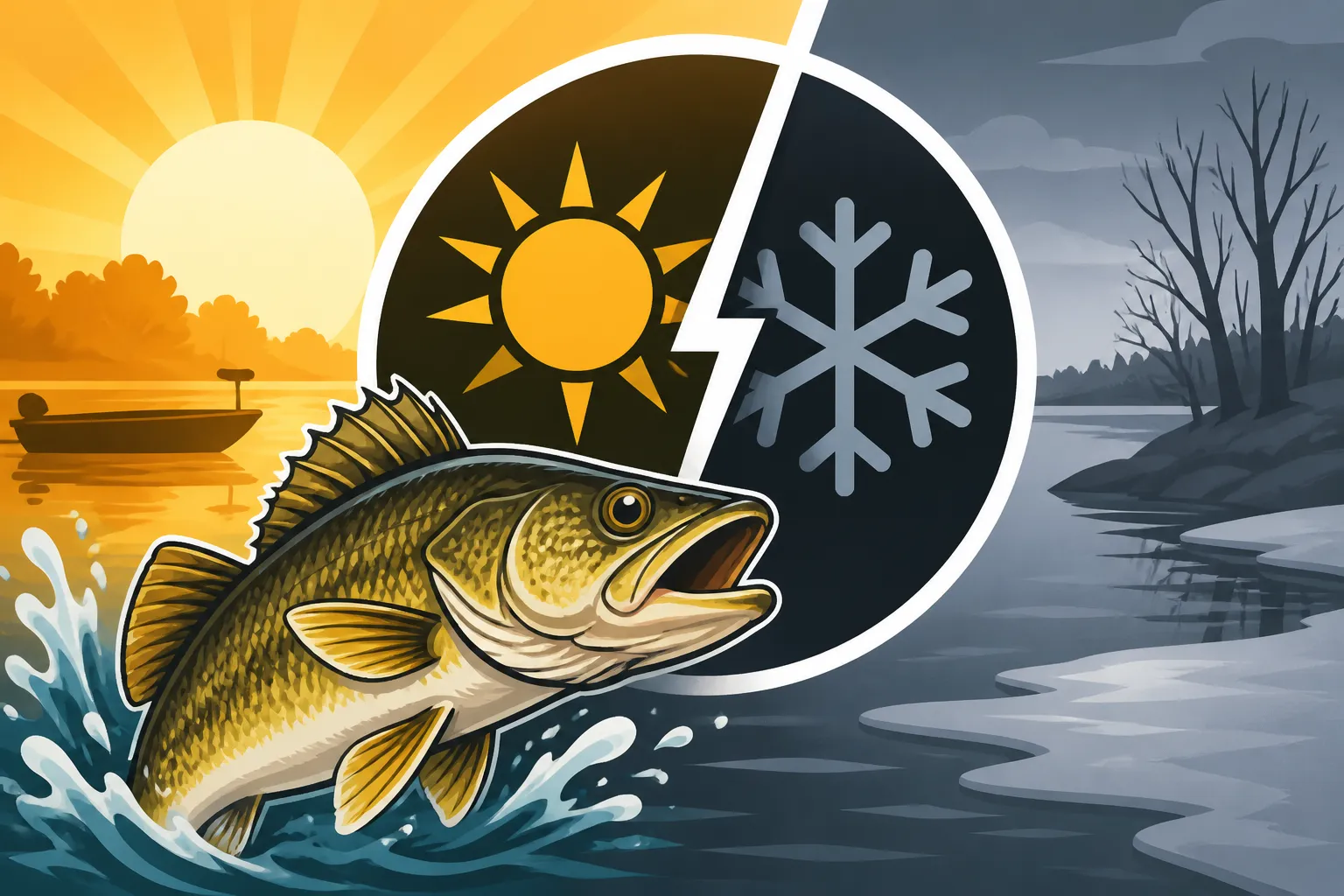
For Big Spirit Lake, West Okoboji Lake, and East Okoboji Lake, the walleye season closes annually on February 14th. It then reopens on May 4th. This closure period, from mid-February to early May, is strategically put in place during the critical spawning period for walleye in these lakes. The Iowa Department of Natural Resources (DNR) wants to give these fish the best chance to reproduce without disturbance, which ultimately benefits the fishery for everyone in the long run. Planning your trips around these dates is absolutely essential if you want to target walleye in these iconic waters.
| Lake Name | Walleye Season Closes | Walleye Season Reopens |
|---|---|---|
| Big Spirit Lake | February 14th | May 4th |
| West Okoboji Lake | February 14th | May 4th |
| East Okoboji Lake | February 14th | May 4th |
| Most Other Iowa Waters* | No Closed Season | No Closed Season |
*Always check specific regulations for the body of water you intend to fish, as local exceptions can apply.
Walleye Season on Border Waters and Other Rivers
Iowa shares significant waterways with neighboring states, most notably the Mississippi River and the Missouri River. These border waters often have unique reciprocal agreements or specific regulations that can differ from interior Iowa rules, adding another layer of complexity to the walleye season question. It's not just about Iowa's rules; you might need to be aware of regulations from Illinois, Wisconsin, Minnesota, Nebraska, or Missouri depending on where you're fishing.
For much of the Mississippi River, walleye and sauger fishing is generally open year-round, but specific bag and length limits can vary by pool and according to the reciprocal agreements in place with adjacent states. For example, some pools might have different size restrictions or combined limits for walleye and sauger. Similarly, the Missouri River, bordering Nebraska and Missouri, often has continuous open seasons for walleye, but anglers must be mindful of the specific regulations set by the shared management agencies. It's crucial to understand these nuances, especially when fishing near major towns like Dubuque or Council Bluffs, as you could easily cross into waters governed by slightly different rules. Always double-check "Is Walleye Season Different on the Mississippi River?" before heading out.
When it comes to Iowa's interior rivers, such as the Des Moines River, Iowa River, or Cedar River, the walleye season typically remains open year-round, just like most of the state's reservoirs. These rivers offer fantastic walleye opportunities, especially during spring and fall runs. While there isn't a hard closure date, anglers must still adhere to daily bag limits and length restrictions. These limits are in place to ensure a healthy fish population and prevent overfishing. Remember that regardless of the season, proper identification of your catch is important; sometimes sauger, a close cousin to the walleye, can be confused, and they might have different limits.
Why Do These Walleye Season Closures Exist?
It might seem like an unnecessary hurdle to have different walleye seasons, especially when you're just eager to get out on the water. However, these regulations are not arbitrary. They are carefully designed by fisheries biologists and wildlife managers to protect fish populations, particularly during their most vulnerable periods. Understanding the "why" behind the rules can help you appreciate their importance and comply with them more readily.
The primary reason for specific closures, like those on the Iowa Great Lakes, is to safeguard walleye during their annual spawning period. Walleye are spring spawners, typically laying their eggs when water temperatures rise into the 40s and 50s Fahrenheit. During this time, they gather in shallower areas, often near rocky substrates, making them more susceptible to fishing pressure. A closed season allows them to complete their reproductive cycle undisturbed, ensuring a healthy new generation of walleye for future years. Without these protections, popular fisheries could be quickly depleted, impacting everyone who loves to fish.
Protecting Spawning Populations
The specific closure dates from February 14th to May 4th on the Iowa Great Lakes directly correlate with the typical walleye spawning window in those waters. During this time, male walleye move into shallow, rocky areas, often followed by the larger females carrying their eggs. They become very focused on spawning, making them relatively easy to catch. If anglers were allowed to heavily target these fish during this critical period, it could significantly reduce the number of eggs laid and subsequently the number of young walleye hatching and surviving.
The Iowa DNR monitors water temperatures and fish behavior closely to determine the most effective closure dates. It’s a balancing act: they want to provide as much fishing opportunity as possible while still ensuring the long-term health of the walleye population. This management approach is a common practice in successful fisheries management globally, demonstrating a commitment to sustainability. So, while it might mean a temporary pause in your walleye pursuits on those specific lakes, it's all for the greater good of the fishery.
Ensuring Sustainable Walleye Fisheries
Beyond the immediate protection of spawning fish, these regulations are part of a broader strategy for sustainable walleye fisheries across Iowa. The "Walleye Season and Size Limits" are not just about closing dates; they also include length limits (minimum and maximum sizes) and daily bag limits (how many fish you can keep). These measures work together to manage the fish population, allowing enough fish to reach maturity, spawn multiple times, and contribute to the overall biomass.
For example, a minimum length limit means smaller, younger fish are released to grow larger and have a chance to spawn. Conversely, a slot limit (where fish within a certain size range must be released) might protect prime breeding-age fish, while allowing anglers to keep smaller or larger fish outside that slot. These dynamic rules, along with stocking programs in many lakes and rivers, ensure that Iowa's diverse waters continue to offer excellent walleye fishing for residents and visitors alike. It's about maintaining a robust ecosystem where these prized fish can thrive.
What to Fish For When Walleye Season is Closed or Slow
Just because walleye season might be closed in a specific lake, or the walleye bite is slow elsewhere, doesn't mean you have to put your fishing rods away! Iowa offers a plethora of other fantastic fishing opportunities that can keep you on the water and reeling in fish. Thinking outside the walleye box can lead to some incredibly rewarding experiences and introduce you to new techniques or species you might not have considered before.
Many anglers find that shifting their focus to different species during walleye closures or slow periods is a great way to enjoy the outdoors. Instead of sitting home, you can explore new fishing spots or refine techniques for other fish. This time can also be excellent for scouting new locations for when walleye season reopens, or for brushing up on your gear. You might even discover a new favorite type of fishing!
Targeting Alternative Species
Iowa's waters are teeming with other popular game fish that are often very active when walleye are spawning or being finicky. Catfish, particularly channel catfish and flathead catfish, are a fantastic option, especially in rivers like the Mississippi, Missouri, and Des Moines. "Channel Catfish Fishing in Iowa" is a year-round pursuit, and they bite well in spring and early summer when walleye might be off-limits or sluggish. They are aggressive eaters, readily taking a variety of baits, and offer a powerful fight. You can find excellent catfish baits, from stink baits to cut bait, easily on Amazon or your local bait shop.
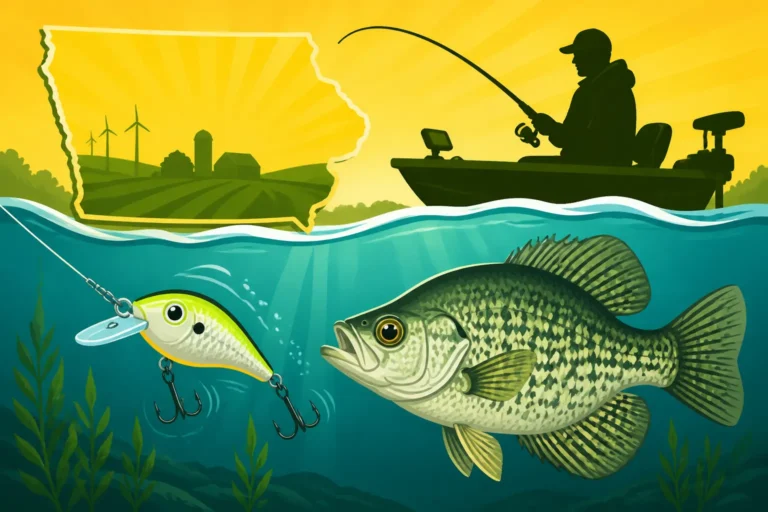
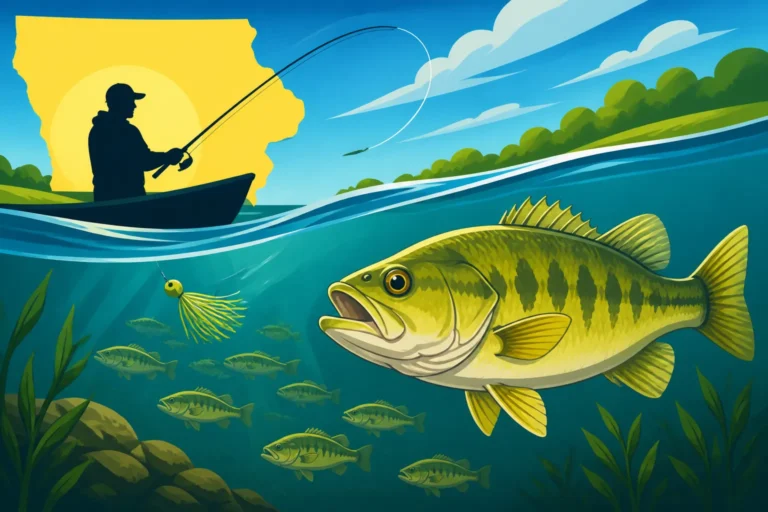
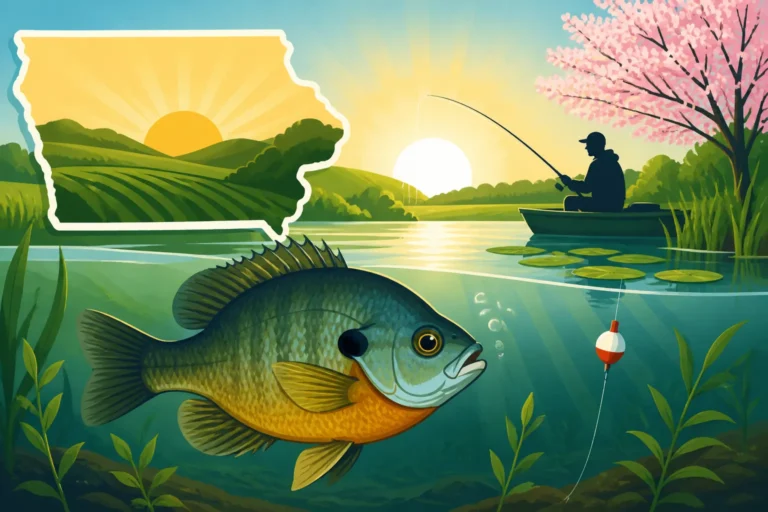
Bass, both largemouth and smallmouth, are also excellent alternatives. Largemouth bass in Iowa's farm ponds and smaller lakes can be incredibly fun to catch, especially as the water warms up. Smallmouth bass offer a thrilling fight in the state's rivers and the Mississippi River, often found around rocky structures. Panfish like crappie and bluegill are always a reliable choice, particularly for family outings or when you just want consistent action. Crappie often stage in shallow areas around brush piles in early spring, and bluegill can be found in abundance in almost any pond or lake. Consider checking out "Best Lures for Panfish" if you're looking to switch things up.
Exploring Different Fishing Techniques
A shift in target species often means a shift in techniques, which can be a refreshing challenge for any angler. If you're used to trolling for walleye, consider trying still-fishing with cut bait for catfish, or bottom-bouncing on the rivers. For bass, you might dive into the world of topwater lures, spinnerbaits, or various soft plastics, which offer a completely different experience than jigging or crankbaiting for walleye.
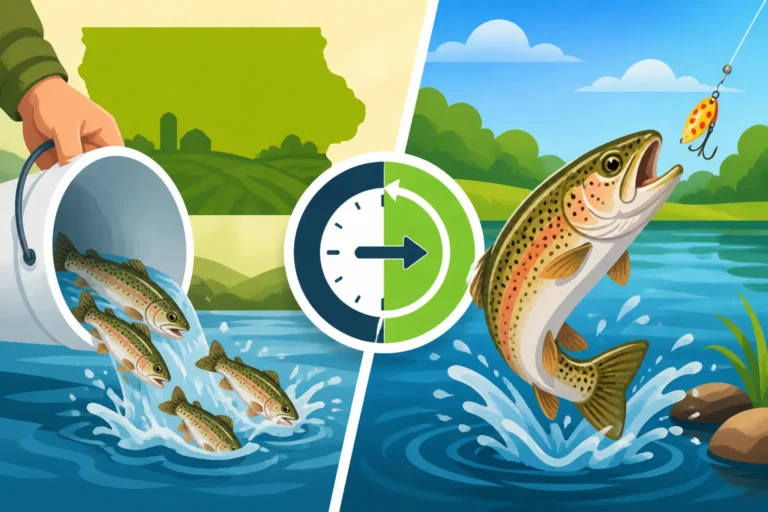
Fly fishing for trout in Northeast Iowa's coldwater streams is another fantastic option, especially during the spring when the Iowa DNR actively stocks these waters. While it requires a separate trout fee, it’s a beautiful and peaceful way to fish. You can find comprehensive guides on fly-fishing equipment on Amazon, from starter kits to advanced setups. Even if you're an avid walleye angler, expanding your technique repertoire makes you a more versatile and skilled fisherman, ready for any condition or species. Don't be afraid to try "Ice Fishing in Iowa" during the winter months, when many other species become prime targets.
Staying Informed About Iowa's Fishing Regulations
Navigating fishing regulations can feel like a moving target sometimes, with rules varying by species, body of water, and even time of year. But staying informed is perhaps the most crucial aspect of responsible and successful fishing in Iowa. Ignorance of the law is never an excuse, and violating regulations can lead to fines, loss of fishing privileges, and harm to the fisheries we all enjoy.
The good news is that the Iowa DNR makes it relatively easy to access up-to-date information. While I've covered the general rules for walleye season closures here, it's always best to get your information directly from the source. The regulations are reviewed and updated annually, so what was true last year might have subtle changes this year. Make it a routine to check before your first trip of the season, and certainly before venturing to a new body of water or targeting a species you don't typically pursue.
Official Iowa DNR Resources
The absolute best place to find the most current and accurate fishing regulations is the official Iowa Department of Natural Resources (DNR) website. They provide comprehensive digital copies of their fishing regulation booklets, often available as downloadable PDFs that you can save to your phone or tablet. This is incredibly handy for on-the-go reference, even when you're out of cell service. Additionally, the DNR website will have specific news releases or advisories about any unusual closures, special regulations, or stocking updates.
Many tackle shops and outdoor retailers around the state also carry physical copies of the annual Iowa fishing regulations booklet, which are free to pick up. These booklets are well-organized and include maps, species identification guides, and detailed breakdowns of all limits and seasons. When you're looking for information on "Iowa Fishing License Guide" or "Where to Buy a Fishing License in Iowa", these resources are invaluable. It's smart to pick up a physical copy and keep it in your tackle box or boat, just in case your digital device fails you.
Leveraging Technology for Real-Time Updates
Beyond the traditional methods, technology offers fantastic ways to stay updated. The "Go Outdoors Iowa" app is a powerful tool for anglers, not only allowing you to purchase and carry your fishing license digitally but also often providing quick access to regulation summaries and even mapping features. Keeping this app on your phone means you're almost always just a few taps away from checking a limit or confirming a season date.
Social media channels and email newsletters from the Iowa DNR are another great way to receive timely updates. Following their official pages or signing up for their newsletter can provide notifications about changes, fish stocking events, or important public safety announcements directly to your inbox or feed. While these are excellent supplementary resources, remember to always cross-reference critical information with the official regulation booklet or DNR website for complete details. This proactive approach ensures you're always fishing within the rules and doing your part to protect Iowa's cherished fisheries.
Disclaimer
Please remember that fishing regulations, including season dates, bag limits, and length restrictions, can change. While every effort has been made to provide accurate and up-to-date information in this guide, it is your responsibility to consult the official Iowa Department of Natural Resources (DNR) fishing regulations before you head out on the water. This guide is for informational purposes only and should not be considered a substitute for the official regulatory documents.