Best Fishing Spots Near Davenport
Finding the perfect fishing spot near a bustling city like Davenport, Iowa, can feel like searching for a needle in a haystack. With so much urban sprawl, it's easy to assume all the good fishing is a long drive away. This guide is designed to cut through that frustration, revealing the best local angling opportunities in and around Davenport, ensuring you spend less time driving and more time reeling in your next big catch.
Navigating the Mighty Mississippi River Near Davenport
When you talk about fishing near Davenport, the elephant in the room – or rather, the colossal waterway – is undoubtedly the Mississippi River. It's an incredible fishery, offering a diverse range of species and experiences, but it can also be intimidating if you're not familiar with its nuances. Understanding the specific characteristics of the river in this area, particularly Pool 15, is key to a successful outing.
Key Access Points and River Sections
Davenport sits right on Pool 15 of the Mississippi River, an expansive stretch of water known for its industrial backdrop but also its surprisingly productive fishing. This pool offers both excellent boat access and several shore fishing opportunities, catering to various preferences.
One of the most popular access points for boaters is the Credit Island Park boat ramp on the southwest side of Davenport. This ramp provides easy entry to the main channel, various backwaters, and the numerous wing dams that dot Pool 15. Wing dams are underwater rock structures designed to funnel current, and they are absolute magnets for fish, especially walleye, sauger, and channel catfish. Learning to identify and fish these structures effectively can dramatically improve your catch rates. Remember that safety is paramount on the big river; always check river levels and current speeds before heading out, especially if you're in a smaller craft. Another option, though slightly further afield, might be exploring other areas covered in a general guide to Fishing the Mississippi River in Iowa.
For those who prefer to keep their feet on solid ground, Davenport offers several great shore fishing spots. The park areas along the riverfront, particularly near Credit Island and even some of the quieter stretches within the city limits, can yield surprising results. Look for areas with rip-rap (rocky shoreline) or submerged timber, as these provide cover and ambush points for fish. While you might not reach the deep-water wing dams from shore, the current breaks and eddies near the banks can hold plenty of fish. Always be mindful of local regulations and private property lines when exploring shore access points.
Target Species and Techniques
The Mississippi River in Pool 15 is a true multi-species fishery, offering something for every angler. The most sought-after species here are undoubtedly walleye, sauger, and channel catfish, but you can also find smallmouth bass, largemouth bass, crappie, and even northern pike.
Walleye and Sauger are often found in similar habitats, typically relating to current breaks, wing dams, and deep holes. Jigging with live bait like minnows or plastics is a classic and highly effective technique. Many anglers also have great success trolling crankbaits along channel edges or drift fishing with bottom bouncers and crawler harnesses. Understanding the nuances of How to Catch Walleye in Iowa can give you a significant advantage, particularly on a dynamic river system like the Mississippi. Early spring and late fall are prime times for these cool-water predators, as they become more active in cooler temperatures.
Channel Catfish are abundant throughout Pool 15 and are a fantastic target for anglers of all skill levels. They thrive in the current and can be found near wing dams, logjams, and deeper holes. Bottom fishing with smelly baits like cut bait, chicken livers, or prepared stink baits is incredibly effective. Night fishing for catfish can be especially productive during the warmer months, as they become more active feeders under the cover of darkness. If you're looking for detailed advice, a guide on How to Catch Catfish in Iowa would be an excellent resource. For those new to the area or seeking specific local hotspots, considering a guided trip through platforms like FishingBooker can connect you with expert catfish captains.
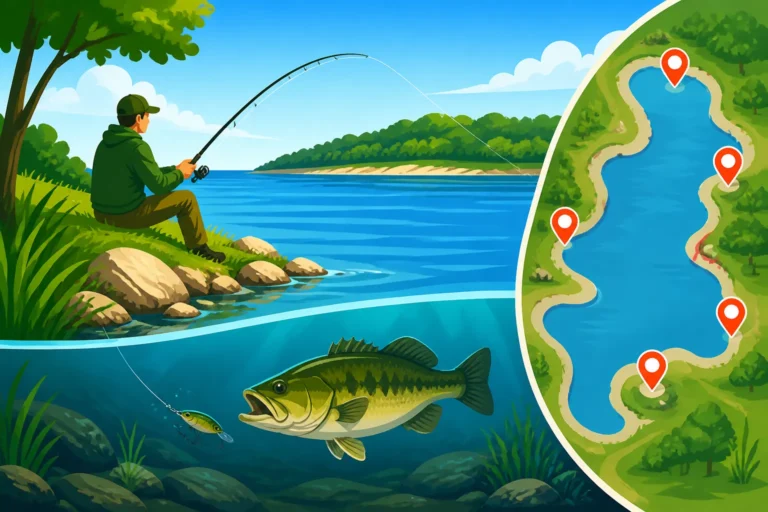
Bass (Largemouth and Smallmouth) also call the Mississippi home near Davenport. Smallmouth bass prefer rocky areas with current, so target the upstream sides of wing dams, rip-rap, and rocky outcroppings with crankbaits, jigs, or soft plastics. Largemouth bass will typically be found in the calmer backwater sloughs, around lily pads, submerged timber, and brush piles. Spinnerbaits, Texas-rigged worms, and topwater lures can be very effective in these areas.
Panfish, such as crappie and bluegill, can be found in the quieter backwater sloughs and oxbow lakes adjacent to the main river. These areas often have abundant submerged cover, which panfish love. Small jigs tipped with minnows or plastics, or even a simple bobber and worm, can lead to a fun day of catching.
Exploring Local Lakes and Ponds for Serene Fishing
While the Mississippi River offers grand opportunities, sometimes you're looking for a more tranquil experience, or perhaps a place that's less susceptible to strong currents and commercial traffic. Luckily, the Davenport area also boasts several excellent local lakes and ponds that provide fantastic fishing, often with easier access and a more relaxed atmosphere.
West Lake Park and Duck Creek Park
Just west of Davenport, West Lake Park in Scott County is a true gem for local anglers. This sprawling park features three distinct lakes: West Lake, Lambach Lake, and Burntside Lake. These lakes are regularly stocked by the Iowa Department of Natural Resources (DNR) and offer a diverse fishery including largemouth bass, channel catfish, crappie, bluegill, and even some walleye. West Lake is the largest and most popular, offering boat ramps (electric motors only), fishing piers, and ample shore access. Lambach Lake is a bit smaller and often provides excellent panfish action, while Burntside Lake is known for its bass and catfish.
Fishing these lakes requires slightly different tactics than the river. For largemouth bass, focus on fishing around submerged brush piles, weed lines, and any visible structure like docks or fallen trees. Spinnerbaits, plastic worms, and crankbaits are go-to lures. When targeting crappie and bluegill, look for brush piles and submerged cover, often in slightly deeper water during the day. Small jigs, minnows, or waxworms under a bobber are highly effective. If you’re not sure what tackle to start with, a general guide on Best Tackle for Iowa Fishing can offer great foundational advice. For channel catfish, fishing the bottom with stink baits or cut bait, especially in the evenings, can be very productive.
Duck Creek Park, running through the heart of Davenport, offers a more urban fishing experience. While primarily known for its walking trails and green spaces, Duck Creek itself and some associated ponds can hold surprising numbers of small panfish and even decent bass and catfish, particularly in the quieter, deeper pools. It’s a fantastic spot for a quick, casual outing, especially with kids. Simple bobber and worm setups or small spinners are usually all you need here. Always check for specific local rules and regulations posted within the park.
Hidden Gems and Community Ponds
Beyond the well-known parks, the Davenport area is dotted with numerous smaller community ponds and lesser-known lakes that can offer excellent fishing, often with less pressure than the more popular spots. These "hidden gems" require a little exploration but can be incredibly rewarding.
Many smaller housing developments and city parks have retention ponds or small lakes that are stocked with bluegill, crappie, and channel catfish. While these spots might not hold trophy-sized fish, they provide consistent action and are perfect for introducing new anglers to the sport. The key to success in these smaller waters is often finding the deeper sections or any available cover. Small jigs, worms, and corn are often the best baits. Always respect private property boundaries and obey any posted signs. It's also a good idea to refresh yourself on the Iowa Fishing Regulations Explained, as rules can vary even for small public waters.
One important consideration for any angler is licensing. Even for these smaller, more accessible spots, having your proper license is crucial. You can find all the information you need in the comprehensive Iowa Fishing License Guide. It's also worth noting that if you're exploring private farm ponds, while often abundant with bass and panfish, you must always obtain permission from the landowner beforehand. There are specific License Rules for Fishing on Private Property that you should be aware of.
To find more of these smaller bodies of water, consult local county park websites or even satellite maps. Look for blue spots near green areas – these are often public or semi-public ponds. Sometimes, local bait shops are the best source of information about these lesser-known, highly productive spots. They often have the most up-to-date information on what’s biting and where.
Strategies for Successful Davenport Area Fishing
Success in fishing, no matter where you are, comes down to understanding the fish, their environment, and adapting your approach. Fishing near Davenport is no different, with specific considerations for its unique mix of river and lake environments.
Seasonal Considerations
Iowa's distinct four seasons each present different fishing opportunities and challenges around Davenport. Being aware of these patterns can significantly boost your success.
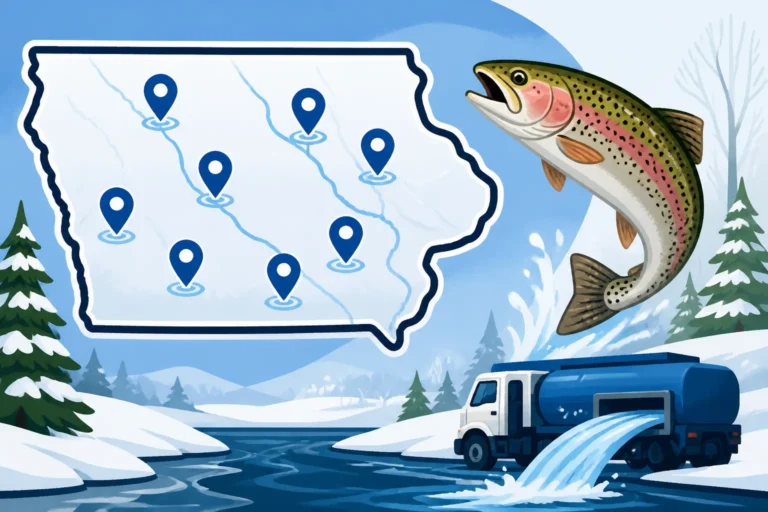
Spring (March – May): This is often considered prime time. As ice melts and water temperatures rise, fish become incredibly active. Walleye and sauger begin their spawning runs in the Mississippi, making them accessible in shallower, current-heavy areas. Bass move to shallower flats to spawn, making them aggressive and easier to locate. Crappie and bluegill move into protected coves and shallow bays for their spawn, offering fantastic action on small jigs and minnows. This is also when the Iowa DNR begins its trout stocking programs in designated streams, although these are typically further north in Iowa. Keep an eye on the Iowa Fishing Seasons Explained to know when various species are most active.
Summer (June – August): The warmer months mean higher water temperatures, which often push fish into deeper, cooler water, or force them to feed during low-light conditions like dawn, dusk, or night. Catfish fishing on the Mississippi is outstanding in the summer, especially at night. Bass will relate to deeper cover in lakes and strong current breaks on the river. Panfish might be found suspended over brush piles in deeper water. Kayak Fishing Techniques in Iowa can be particularly effective in summer, allowing access to quieter backwaters. Don't forget your sunscreen and plenty of water!
Fall (September – November): This is another fantastic season for many species. As water temperatures cool, fish feed heavily to prepare for winter. Walleye and sauger become very active again, often found on river wing dams and deeper humps in lakes. Bass move into shallower water as baitfish become more accessible. Crappie and bluegill will school up, making them easier to locate once you find a concentration. This can be a great time for trophy fish as they are actively feeding.
Winter (December – February): While ice fishing is popular across Iowa, the Mississippi River near Davenport often doesn't freeze entirely or safely due to the strong current. However, backwater sloughs and smaller local lakes like those at West Lake Park can offer safe ice fishing opportunities once solid ice forms. Crappie, bluegill, and yellow bass are common ice fishing targets. Always prioritize safety when ice fishing; never venture onto ice less than four inches thick. For those who brave the cold, our guide to Ice Fishing in Iowa provides essential safety and technique tips.
Essential Gear and Bait for Local Waters
Having the right gear makes a huge difference, whether you're battling a brute of a catfish on the Mississippi or delicately catching bluegill in a quiet pond. For most fishing around Davenport, you'll want a versatile medium-action spinning rod and reel combo, capable of handling lines from 6 to 12 pounds.
For River Fishing (Mississippi):
- Rods: Medium-heavy spinning or baitcasting rods for walleye, sauger, and bass. Heavy action rods are preferred for catfish to handle larger fish and heavier weights in current.
- Reels: Durable spinning reels for lighter applications, baitcasters for heavier lures or catfish.
- Line: Braided line (20-30 lb test) is excellent for sensitivity and strength, especially when fishing current or around abrasive structures like wing dams. Pair it with a fluorocarbon leader.
- Terminal Tackle: A variety of jig heads (1/4 to 3/4 oz), bottom bouncers, three-way swivels, and an assortment of sinkers (pyramid, bell, egg) to hold bottom in current.
- Baits: Live minnows, nightcrawlers (especially on crawler harnesses), chicken livers, cut bait (shad, skipjack herring), and prepared stink baits are effective.
- Lures: Crankbaits (deep-diving for walleye/sauger, shallow for bass), spinnerbaits, soft plastic paddle tails and grubs, and jigs with plastic trailers.
For Lake and Pond Fishing (West Lake, Duck Creek, etc.):
- Rods: Light to medium action spinning rods are perfect for panfish and bass.
- Reels: Smaller spinning reels (1000-2500 size).
- Line: Monofilament (4-8 lb test) or light braided line with a fluorocarbon leader.
- Terminal Tackle: Small jig heads (1/16 to 1/8 oz), bobbers (slip or fixed), small hooks (size 6-10).
- Baits: Worms, waxworms, minnows, corn, small pieces of bread, or powerbait for trout if stocked.
- Lures: Small jigs, Beetle Spins, small crankbaits, plastic worms (Texas or Wacky rigged) for bass, and micro-plastics for panfish. Our guide to Best Lures for Panfish can help you stock your tackle box for these species.
Regardless of where you fish, don't forget essentials like a good pair of pliers for hook removal, a landing net (especially on the river), polarized sunglasses, and a first-aid kit. And, of course, your valid Iowa fishing license. For those interested in exploring organized fishing trips with local guides, particularly for targeting specific species like trophy catfish on the Mississippi, platforms like FishingBooker offer a convenient way to find and book experienced charter captains in the area.
Local Fishing Regulations to Remember
Iowa's fishing regulations are designed to protect fish populations and ensure sustainable angling for everyone. It's your responsibility to know and follow them. Here are a few key points relevant to the Davenport area:
- Fishing License: Anyone 16 years of age or older needs a valid Iowa fishing license. Make sure you purchase the correct one, whether you're a resident or nonresident. Our article on Do Kids Need a Fishing License in Iowa? clarifies youth requirements.
- Daily Bag Limits and Size Restrictions: These vary by species and water body. For instance, walleye on the Mississippi River might have different limits than walleye in a specific lake. Always consult the current Iowa Fishing Regulations Explained booklet or the DNR website.
- Border Water Rules: Fishing the Mississippi River means you're often on border waters with Illinois. Understanding the Reciprocal Fishing Rules on the Mississippi River Border is crucial, as special agreements exist regarding licenses and regulations. Generally, if you have a valid license from Iowa or Illinois, you can fish the border waters common to both states, but bag limits and size restrictions usually default to the most restrictive state's rules or specific agreements.
- Boat Registration and Safety: If you're using a boat on the Mississippi or other public waters, ensure it's properly registered and equipped with all required safety gear, including life jackets for everyone on board. Refer to the Iowa Boat Registration Requirements for details.
- Live Bait Rules: There are specific rules regarding the transport and use of live baitfish to prevent the spread of aquatic invasive species. Always check the current regulations.
Staying informed about these rules not only keeps you legal but also contributes to the health of Iowa's fisheries for future generations of anglers.
Disclaimer
The information provided in this guide is for general informational purposes only and is subject to change. Fishing regulations, season dates, and access points can be updated by the Iowa Department of Natural Resources (DNR) or local authorities. Always consult the official Iowa DNR website or current fishing regulations booklet before heading out on the water to ensure you have the most accurate and up-to-date information. Fishing conditions, including water levels and fish activity, can vary widely based on weather and time of year. Always prioritize safety when fishing and boating.